

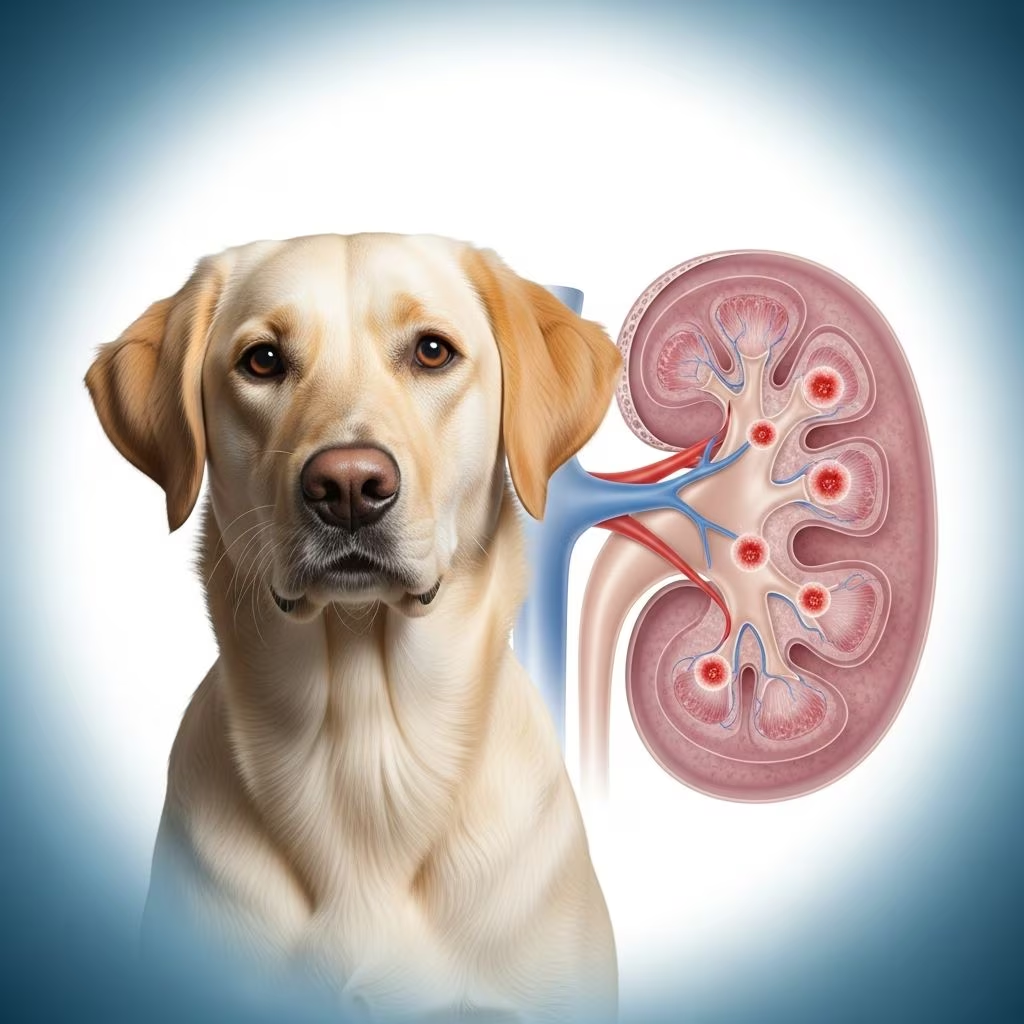
Understanding Glomerulonephritis in Dogs
Glomerulonephritis is a serious kidney condition that affects the glomeruli, the tiny filtering units within the kidneys responsible for removing waste products and excess water from the bloodstream. When these delicate structures become inflamed, the kidneys cannot function properly, leading to the loss of important proteins in the urine and progressive kidney damage. This condition can develop in dogs of any age or breed, though some are more predisposed than others. Early recognition and aggressive treatment are essential to slow the progression of this disease and maintain your dog’s quality of life.
The glomeruli function as a sophisticated filtration system, allowing waste products to pass through while retaining essential proteins and blood cells. When glomerulonephritis develops, this selective permeability is compromised, resulting in proteinuria—the abnormal loss of protein in the urine. This loss of vital proteins disrupts normal body functions and can lead to serious complications if left untreated.
What Causes Glomerulonephritis in Dogs?
Glomerulonephritis can develop through various mechanisms, and understanding the underlying causes is crucial for effective treatment. The condition may be triggered by immune-mediated responses, infections, or other systemic diseases.
Immune-Mediated Causes
Many cases of glomerulonephritis result from immune complex deposition in the glomeruli. These immune complexes form when antibodies bind to antigens and accumulate in the kidney filtering units, triggering an inflammatory response. This immune-mediated process can be associated with chronic infections, certain cancers, or autoimmune diseases. In some cases, the specific trigger remains unknown, classified as idiopathic glomerulonephritis.
Infectious Triggers
Bacterial, viral, and parasitic infections can precipitate glomerulonephritis in susceptible dogs. Infections such as endocarditis, leptospirosis, ehrlichiosis, and other systemic infections have been documented as potential causes. The infection may directly damage the glomeruli or trigger an immune response that results in glomerular injury. Addressing the underlying infection is often a critical component of managing glomerulonephritis.
Systemic Diseases
Glomerulonephritis can develop secondary to other systemic conditions, including certain cancers, inflammatory bowel disease, and chronic liver disease. Some medications and toxins may also predispose dogs to developing this condition. Identifying and treating the underlying systemic disease is essential for managing glomerulonephritis effectively.
Clinical Signs and Symptoms
The symptoms of glomerulonephritis can vary depending on the severity and stage of the disease. Early detection allows for more aggressive intervention and potentially better outcomes.
Early Warning Signs
The most common initial signs of glomerulonephritis include increased thirst and excessive urination. These symptoms often appear before owners notice other clinical changes. Dogs may also develop:
- Lethargy and decreased activity levels
- Poor appetite or finicky eating habits
- Weight loss despite adequate food intake
- Vomiting or gastrointestinal upset
- Bad breath with a uremic odor
- Pale mucous membranes indicating anemia
Advanced Symptoms
As the disease progresses, dogs may exhibit more severe clinical signs, including bloody urine, straining during urination, edema (swelling), and abdominal pain. In advanced stages, some dogs may experience neurological symptoms or collapse. The presence of these severe symptoms indicates urgent veterinary attention is required.
Diagnosis of Glomerulonephritis
Accurate diagnosis is essential for developing an appropriate treatment plan. Your veterinarian will use several diagnostic tools to confirm glomerulonephritis and assess its severity.
Laboratory Testing
Blood work typically reveals elevated creatinine and blood urea nitrogen (BUN) levels, indicating reduced kidney function. A complete blood count may show anemia, and serum albumin levels are often decreased due to protein loss. These values help establish baseline kidney function and monitor disease progression.
Urinalysis
Urinalysis is crucial for detecting proteinuria. A positive urine protein-creatinine ratio (UPCR) confirms significant protein loss in the urine, which is a hallmark of glomerulonephritis. The presence of blood in the urine and white blood cells may also be noted, depending on the underlying cause and severity of inflammation.
Kidney Biopsy
In some cases, a kidney biopsy may be recommended to definitively diagnose glomerulonephritis and determine the specific pattern of glomerular damage. This procedure involves collecting a small sample of kidney tissue for microscopic examination. While more invasive than other diagnostic methods, a biopsy can provide valuable information about disease severity and guide treatment decisions.
Imaging Studies
Ultrasound or radiographic imaging may be performed to assess kidney size and structure and to rule out other potential causes of clinical signs. These imaging studies can help identify complications or secondary changes associated with chronic kidney disease.
Treatment Options for Glomerulonephritis
Treatment of glomerulonephritis is multifaceted and typically involves managing both the underlying cause and the symptoms of kidney disease.
Addressing the Underlying Cause
If an infection or other treatable condition triggered the glomerulonephritis, treating that underlying problem is the first priority. Antibiotics may be prescribed for bacterial infections, while other treatments address specific underlying diseases. In immune-mediated cases without an identifiable cause, immunosuppressive therapy may be considered.
Fluid Therapy
Intravenous or subcutaneous fluid therapy is often initiated to support kidney function and help flush toxic metabolites from the body. High-dose fluid therapy, called diuresis, can help mildly damaged kidney cells recover function by creating a healthier environment. Once stabilized, many dogs benefit from maintenance subcutaneous fluid therapy at home, administered from daily to weekly depending on disease severity.
Dietary Management
Prescription renal diets are a cornerstone of glomerulonephritis management. These specialized diets are formulated to be lower in protein, phosphorus, and sodium, which reduces the workload on damaged kidneys and minimizes the accumulation of metabolic toxins. Proper nutrition helps alleviate gastrointestinal symptoms and maintains overall health during disease management.
Medications for Proteinuria Management
Angiotensin-converting enzyme (ACE) inhibitors such as benazepril and enalapril are commonly prescribed to reduce intraglomerular pressure and decrease protein loss in the urine. These blood pressure medications are particularly important for dogs with significant proteinuria, as protein loss accelerates kidney disease progression.
Symptom Management
Additional medications may be prescribed to manage secondary symptoms. These may include:
- Medications to prevent or control nausea and vomiting
- Appetite stimulants such as mirtazapine or capromorelin
- Medications to manage gastrointestinal ulcers
- Medications to stimulate red blood cell production in anemic dogs
Prognosis and Long-Term Management
The prognosis for dogs with glomerulonephritis varies depending on the severity of disease, the underlying cause, and how aggressively the condition is managed. Some dogs respond well to treatment and maintain stable kidney function for extended periods, while others experience progressive disease. Early diagnosis and aggressive treatment offer the best chance for favorable outcomes.
Long-term management typically requires ongoing veterinary monitoring through periodic blood work and urinalysis to assess kidney function and adjust treatment as needed. Many dogs with glomerulonephritis can maintain an acceptable quality of life for months or years with appropriate medical management, including home fluid therapy, dietary modifications, and medication administration.
Prevention and Early Detection
While not all cases of glomerulonephritis can be prevented, certain measures may reduce the risk. Maintaining appropriate vaccinations to prevent infectious diseases, promptly treating any infections, and managing underlying systemic diseases can help protect kidney health. Regular veterinary check-ups and screening blood work, particularly for older dogs or those with predisposing conditions, may allow for early detection before severe kidney damage develops.
Frequently Asked Questions
Q: Can glomerulonephritis in dogs be cured?
A: Glomerulonephritis cannot typically be cured, but it can be effectively managed with appropriate treatment. The goal is to slow disease progression, manage symptoms, and maintain quality of life. Some dogs may achieve stable kidney function with aggressive early treatment.
Q: How often should my dog with glomerulonephritis receive veterinary care?
A: Dogs with glomerulonephritis require regular veterinary monitoring, typically every 2-4 weeks initially, then every 3-6 months once stable. Periodic blood work and urinalysis are essential to assess kidney function and adjust treatment plans as needed.
Q: Is subcutaneous fluid therapy safe to administer at home?
A: Yes, subcutaneous fluid therapy is safe and commonly administered at home by owners under veterinary guidance. Your veterinarian will provide training on proper administration techniques and frequency based on your dog’s specific needs.
Q: What dietary changes are necessary for a dog with glomerulonephritis?
A: Dogs with glomerulonephritis benefit from prescription renal diets that are lower in protein, phosphorus, and sodium. Your veterinarian can recommend the most appropriate diet for your dog’s specific condition and stage of disease.
Q: Can my dog’s kidney function improve with treatment?
A: In some cases, particularly if the underlying cause is identified and treated early, kidney function may partially improve. However, once glomerular damage has occurred, it is usually irreversible. Treatment focuses on preventing further deterioration rather than reversing existing damage.
Q: What emergency signs should prompt immediate veterinary care?
A: Seek emergency veterinary care if your dog experiences severe vomiting, extreme lethargy, refusal to eat or drink for more than 24 hours, collapse, difficulty breathing, or significant changes in urination patterns.
References
- Kidney Disease in Dogs and Cats — VCA Animal Hospitals. Updated 2024. https://vcahospitals.com/know-your-pet/kidney-failure-chronic-in-dogs
- What Are the Symptoms of Kidney Disease in Dogs? — American Kennel Club. Updated 2024. https://www.akc.org/expert-advice/health/dog-kidney-disease/
- The Signs of Kidney Disease in Dogs and Treatment Options — Vetster. Updated 2024. https://vetster.com/en/wellness/kidney-disease-in-dogs-everything-you-need-to-know
- Kidney Failure in Dogs — PetMD. Updated 2024. https://www.petmd.com/dog/conditions/urinary/kidney-failure-dogs
- Kidney Disease and Renal Failure in Dogs — Blue Cross. Updated 2024. https://www.bluecross.org.uk/advice/dog/health-and-injuries/kidney-failure-and-disease-in-dogs



