

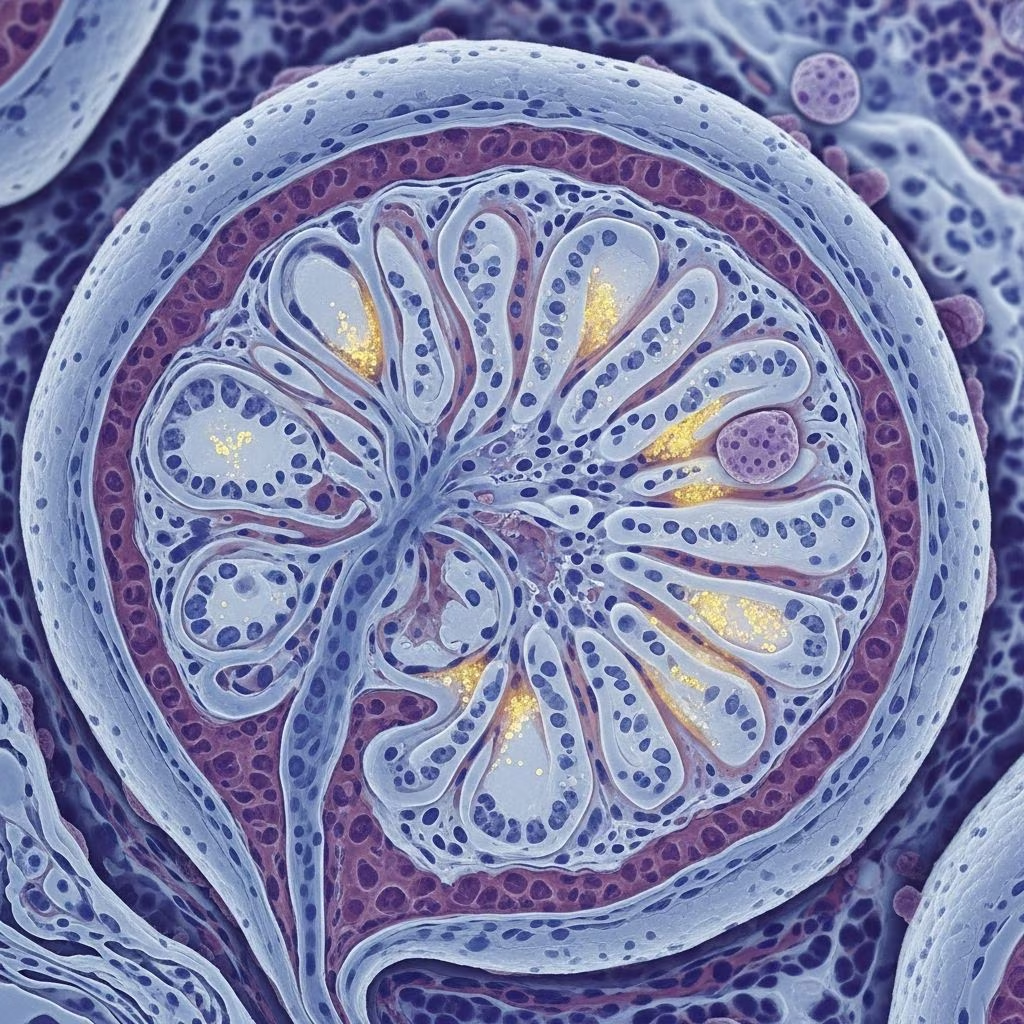
Glomerular disorders represent a significant category of kidney problems in small animals, particularly dogs, where they contribute substantially to chronic renal conditions. These issues involve damage to the glomeruli, the tiny filtering units in the kidneys responsible for cleaning blood and regulating fluid balance. In cats, such conditions occur less frequently but can still lead to serious health challenges. Understanding these disorders is crucial for early detection and intervention, potentially extending pet lifespans and improving quality of life.
The Kidney’s Filtration System and Its Vulnerabilities
The kidneys house millions of nephrons, each featuring a glomerulus—a network of capillaries that filters blood plasma to form urine while retaining essential proteins and cells. When this filtration barrier is compromised, proteins leak into the urine, a condition known as proteinuria, marking the onset of glomerular disease. This barrier consists of endothelial cells, a basement membrane, and podocytes, all of which can be targeted by immune responses, deposits, or genetic flaws.
In dogs, glomerular changes appear in 43-90% of examined kidneys, rising with age, averaging around eight years. Cats show lower rates, but breeds like Abyssinians may be prone to specific forms. Secondary triggers, such as infections or cancers, drive most cases, while primary forms stem directly from glomerular defects.
Primary Culprits Behind Glomerular Damage
Two dominant pathological processes define most glomerular diseases in pets: immune-mediated inflammation and amyloid deposition.
- Glomerulonephritis (GN): This inflammatory response involves antibody complexes depositing in glomerular structures, sparking cell proliferation and barrier thickening. Subtypes include membranoproliferative GN (most common in dogs, 20-60% of cases, median age 10 years), membranous GN (10-45% in dogs, primary in cats), and mesangial forms. MPG often links to infections like Lyme disease in breeds such as Labradors.
- Amyloidosis: Abnormal protein fibrils (amyloid) accumulate in glomeruli, comprising about 25% of canine cases. Shar-Peis face a familial risk, mimicking human patterns. It’s rarer in cats outside specific breeds.
Hereditary forms add another layer, with collagen IV defects in the basement membrane affecting young dogs of certain breeds, leading to early proteinuria.
Recognizing the Warning Signs
Clinical manifestations vary but center on protein loss and its systemic ripple effects. Key indicators include:
- Persistent proteinuria, quantified by urine protein-to-creatinine ratio (UPC >2.0), often exceeding 5 in severe cases.
- Edema in limbs or abdomen from hypoalbuminemia.
- Thromboembolic risks, especially in amyloidosis, due to lost antithrombin III.
- Hypertension in up to 80% of dogs, stemming from sodium retention and angiotensin activation, potentially causing blindness or seizures.
Advanced stages bring azotemia (53% GN dogs, 23% amyloidosis), hyperphosphatemia, and hypercholesterolemia (80-86% cases), as the liver ramps up lipoprotein production to compensate. Nephrotic syndrome—proteinuria, low albumin, edema, hyperlipidemia—signals aggressive disease.
Diagnostic Pathways for Confirmation
Veterinarians start with routine checks: urinalysis reveals proteinuria, casts, and sometimes hematuria; bloodwork shows azotemia and lipid elevations. UPC remains the cornerstone, with values >3.5 strongly suggesting glomerular involvement.
Imaging like ultrasound assesses kidney size and structure, while blood pressure measurement detects hypertension. Renal biopsy provides definitive classification via light microscopy, immunofluorescence, or electron microscopy, revealing patterns like mesangial expansion or amyloid Congo red staining. Though invasive, it’s vital for tailored therapy, especially in immune-mediated cases.
| Parameter | Dogs (GN) | Dogs (Amyloidosis) | Cats |
|---|---|---|---|
| UPC Ratio | >2-10+ | >5-10+ | >2 (membranous) |
| Hypoalbuminemia | 60-70% | 60-70% | Variable |
| Azotemia | 53% | 23% | Advanced cases |
| Hypercholesterolemia | 80% | 86% | Common |
Table adapted from clinical studies; values indicate prevalence or typical ranges.
Treatment Strategies to Stabilize and Protect
Management targets underlying causes, symptom control, and complication prevention. For secondary GN, treat infections or neoplasms first. Primary cases focus on supportive care:
- Protein Restriction: Moderate reduction (18-20% dietary protein) minimizes glomerular pressure without worsening azotemia.
- ACE Inhibitors: Like benazepril, reduce proteinuria by 50% and control hypertension.
- Immunosuppressants: Considered for biopsy-proven immune GN (e.g., steroids for lupus-linked cases), with close monitoring.
- Anticoagulation: Low-dose aspirin or clopidogrel for thromboembolism risk.
- Nutritional Support: Low-phosphorus diets combat hyperphosphatemia; omega-3 fatty acids offer anti-inflammatory benefits.
Hypertension management with amlodipine preserves target organs. Fluid therapy aids dehydrated patients, preserving concentrating ability (USG >1.035 even in azotemia).
Breed-Specific Risks and Genetic Factors
Certain breeds face heightened susceptibility:
- Bernese Mountain Dogs, Brittany Spaniels: Familial MPG.
- Shar-Peis: Amyloidosis.
- English Cocker Spaniels, Soft-Coated Wheaten Terriers: Hereditary nephritis.
- Cats: Membranous GN predominant; amyloidosis in Abyssinians.
Genetic screening aids breeding decisions, emphasizing early screening in at-risk lines.
Long-Term Outlook and Monitoring
Prognosis hinges on disease stage, type, and response to therapy. Early PLN allows years of management, but end-stage fibrosis (stage 4 CKD) shortens survival. IRIS staging guides care: stage 2 shows mild azotemia; stage 4 brings uremic crises. Regular UPC, biochem panels, and blood pressure checks track progress. Some dogs thrive for years with vigilant care.
FAQs on Glomerular Disorders
What causes glomerular disease in pets?
Most cases are secondary to infections, cancers, or inflammation; primary forms include GN and amyloidosis, with hereditary risks in breeds.
How is proteinuria diagnosed?
Via UPC ratio >2.0 on spot urine samples, confirmed over multiple tests excluding prerenal/postrenal causes.
Can glomerular disease be cured?
No cure exists, but early intervention slows progression, manages symptoms, and improves life quality.
Is biopsy always necessary?
Not always; supportive diagnosis suffices for therapy, but it’s gold standard for classification.
What diet helps pets with this condition?
Renal diets with controlled protein, low phosphorus, and omega-3s support kidney function.
Preventive Measures for Pet Owners
Annual checkups for seniors, prompt infection treatment, breed-specific screening, and hypertension awareness aid prevention. Home monitoring of water intake and urine quality alerts to changes early.
References
- Glomerular diseases in dogs and cats — Vet Times. 2015. https://www.vettimes.co.uk/app/uploads/wp-post-to-pdf-enhanced-cache/1/glomerular-diseases-in-dogs-and-cats.pdf
- Protein losing nephropathy in dogs and cats — Purina Institute. 2023. https://www.purinainstitute.com/centresquare/therapeutic-nutrition/protein-losing-nephropathy-in-dogs-and-cats
- Glomerular disease — PubMed (J Vet Intern Med). 2011-07-01. https://pubmed.ncbi.nlm.nih.gov/21782143/
- Renal Dysfunction in Dogs and Cats — Merck Veterinary Manual. 2023. https://www.merckvetmanual.com/urinary-system/noninfectious-diseases-of-the-urinary-system-in-small-animals/renal-dysfunction-in-dogs-and-cats
- Glomerular Disease in Dogs — Pet Health Network. 2022. https://www.pethealthnetwork.com/dog-health/dog-diseases-conditions-a-z/glomerular-disease-dogs



