

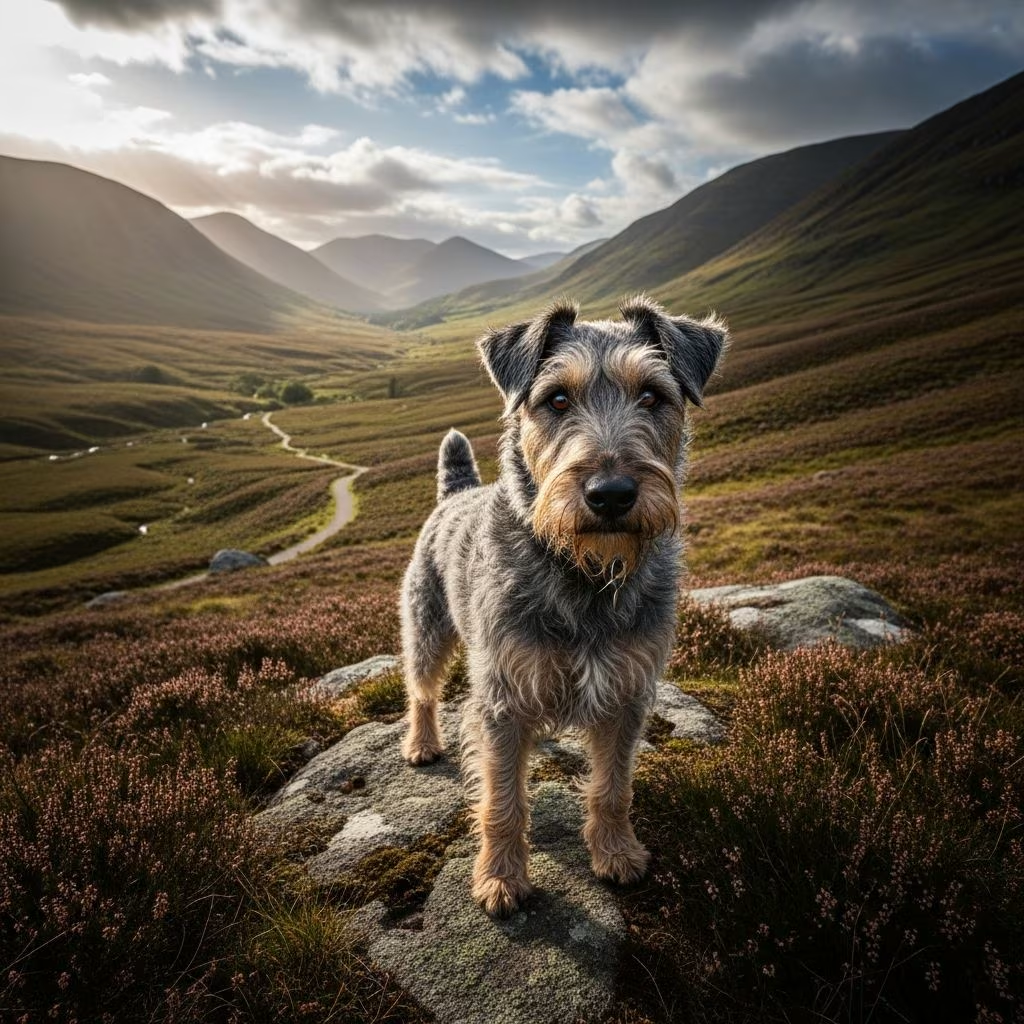
The Glen of Imaal Terrier stands out as one of Ireland’s lesser-known treasures among dog breeds. Originating from the rugged landscapes of County Wicklow, this sturdy terrier was developed for demanding farm work, including pest control and badger hunting. Unlike more boisterous terriers, Glens combine a tough exterior with a calm, devoted personality, making them ideal for households seeking a reliable companion.
Historical Roots in Ireland’s Wilds
The breed’s name derives from the Glen of Imaal valley in Wicklow, where it was bred centuries ago by local farmers. Historical accounts trace these dogs back to the late 16th or early 17th century, possibly influenced by Welsh terriers or old English breeds brought by soldiers. They earned their keep by silently dispatching foxes, badgers, and rats without alerting prey, a trait still prized today.
In the early 20th century, Glens gained formal recognition through Irish kennel clubs. The breed faced near extinction post-World War II but was revived by dedicated enthusiasts. Today, organizations like the American Kennel Club (AKC) and Dogs Australia uphold strict standards, ensuring the preservation of their game spirit and docile nature.
Distinctive Physical Build and Appearance
Glen of Imaal Terriers possess a robust, rectangular frame longer than tall, with males typically standing 14 inches at the shoulder and weighing 35-40 pounds, while females are slightly smaller at 32-35 pounds. Their broad heads feature powerful jaws, dark noses, and medium-sized brown eyes set wide apart. Ears are small, rose-shaped or semi-pricked when alert, folding back at rest.
Unique to the breed are their short, muscular forelegs with a slight bow and turned-out feet, enabling agile movement over rough terrain. The topline rises gently toward a strong loin, supported by well-muscled hindquarters. Their medium-length, harsh double coat—soft undercoat with wiry top—comes in wheaten (sandy to light red), blue (dilute black), or brindle patterns. Beards and heavy eyebrows add to their jaunty, expressive look.
| Physical Trait | Description |
|---|---|
| Height | 13.5-14.5 inches |
| Weight | 32-40 pounds |
| Coat Colors | Wheaten, blue, brindle |
| Leg Structure | Slightly bowed fronts, straight rears |
| Tail | Strong, carried gaily (docked or natural) |
Temperament: Bold Yet Laid-Back
Glens defy the hyperactive terrier stereotype with their stoic, easy-going demeanor. They exhibit great courage during tasks but remain gentle and affectionate at home, forming deep bonds with families. Intelligent and quick learners, they thrive on positive reinforcement but can be independent thinkers, occasionally stubborn.
Quiet by nature—barking only when necessary—these dogs make vigilant watchdogs with their deep, full-throated alert. They adore children, showing patience and playfulness, though their sturdy build requires supervision around toddlers to avoid accidental knocks. Socialization is key, as they may view unfamiliar dogs warily but warm to strangers with time.
- Affectionate: Loves human company, prefers family inclusion over isolation.
- Playful: Enjoys silly games like circle-running or tackling.
- Trainable: Excels in agility, earthdog trials, and therapy work.
- Low-Maintenance: Not overly demanding, content to lounge after exercise.
Training and Socialization Essentials
Start training early to harness their smarts. Glens respond best to praise, treats, and consistent, patient methods—harsh corrections can lead to shutdowns. They shine in obedience, rally, and performance events but may bore of repetitive drills, so vary routines with fun activities like fetch or puzzle toys.
Socialize puppies extensively to curb prey drive and dog selectivity. Leash training is crucial, as their earthdog instincts prompt chasing wildlife or darting under vehicles. Secure fencing prevents escapes, given their bold self-confidence around larger threats.
Daily Exercise and Lifestyle Fit
Moderate exercise—30-60 minutes daily—suits this agile breed. Brisk walks, hikes, or yard romps keep them fit without exhaustion. They adapt well to apartments if exercised, though a fenced yard enhances their joy. Mental stimulation via scent games or training prevents boredom-induced digging.
Ideal for active singles, couples, or families; less so for constant solitude. Their resilience suits cooler climates, but they handle moderate heat with shade and water.
Grooming Routine for the Wiry Coat
Low-shedding Glens need weekly brushing with a slicker or pin brush to remove dead hair and distribute oils. Hand-stripping twice yearly maintains coat texture; clipping softens it but is acceptable for pets. Bathe sparingly, using terrier-specific shampoos. Check ears weekly, trim nails monthly, and brush teeth regularly.
- Brush: 1-2 times/week
- Strip: Bi-annually
- Nails/Teeth: Monthly
- Shedding: Minimal
Health Considerations and Lifespan
Glens boast a lifespan of 12-15 years with proper care. Common issues include hip dysplasia, progressive retinal atrophy (PRA), and skin allergies. Responsible breeders screen for genetic conditions via OFA and CERF certifications. Maintain weight to ease joint stress; annual vet checks catch issues early.
| Health Concern | Prevalence | Prevention |
|---|---|---|
| Hip Dysplasia | Moderate | Weight control, screening |
| PRA (Eye) | Low-Moderate | Genetic testing |
| Allergies | Occasional | Diet, grooming |
| Craniomandibular Osteopathy | Rare | Breed-specific monitoring |
Feed high-quality, moderate-protein kibble (350-450 calories/day), split into two meals. Puppies need growth-formulated food until 12 months.
Choosing and Bringing Home a Glen
Seek reputable breeders affiliated with the Glen of Imaal Terrier Club of America (GITCA) or national clubs. Puppies should be vet-checked, vaccinated, and from health-tested parents. Rescue organizations offer adults for experienced homes. Budget $1,500-$3,000 for puppies; prepare for food, grooming, and vet costs.
Integration tips: Provide crate training, chew toys, and gradual introductions to build confidence.
Fun Facts and Breed Highlights
- Silent hunters: Bred to work without noise, ideal for farms.
- Versatile athletes: Excel in dog sports despite short stature.
- Antique charm: Retain old-time terrier features like bowed legs.
- Therapy stars: Calm nature suits visiting hospitals or schools.
Frequently Asked Questions
Are Glen of Imaal Terriers good with kids?
Yes, their gentle patience makes them excellent with children, though supervise play due to size.
Do they bark a lot?
No, they are notably quiet compared to other terriers, barking only for alerts.
How much exercise do they need?
30-60 minutes daily, plus mental challenges to stay balanced.
Are they hypoallergenic?
Not fully, but low-shedding coat minimizes allergens with regular grooming.
Can they live in apartments?
Yes, with sufficient walks and play.
References
- What to Know About a Glen of Imaal Terrier — WebMD. 2023. https://www.webmd.com/pets/dogs/what-to-know-about-a-glen-of-imaal-terrier
- Glen Of Imaal Terrier Breed Standard — Dogs Australia. 2024. https://dogsaustralia.org.au/members/breeds/breed-standards/Glen-Of-Imaal-Terrier
- Characteristics – Glen of Imaal Terriers — Glen Terriers. 2023. https://glenterriers.com/about-glens/characteristics/
- Glen of Imaal Terrier Facts — Wisdom Panel. 2024. https://www.wisdompanel.com/en-us/dog-breeds/glen-of-imaal-terrier
- Characteristics — Glens.org. 2022. https://www.glens.org/characteristics.html
- Glen of Imaal Terrier — Purina UK. 2024. https://www.purina.co.uk/find-a-pet/dog-breeds/glen-of-imaal-terrier



