

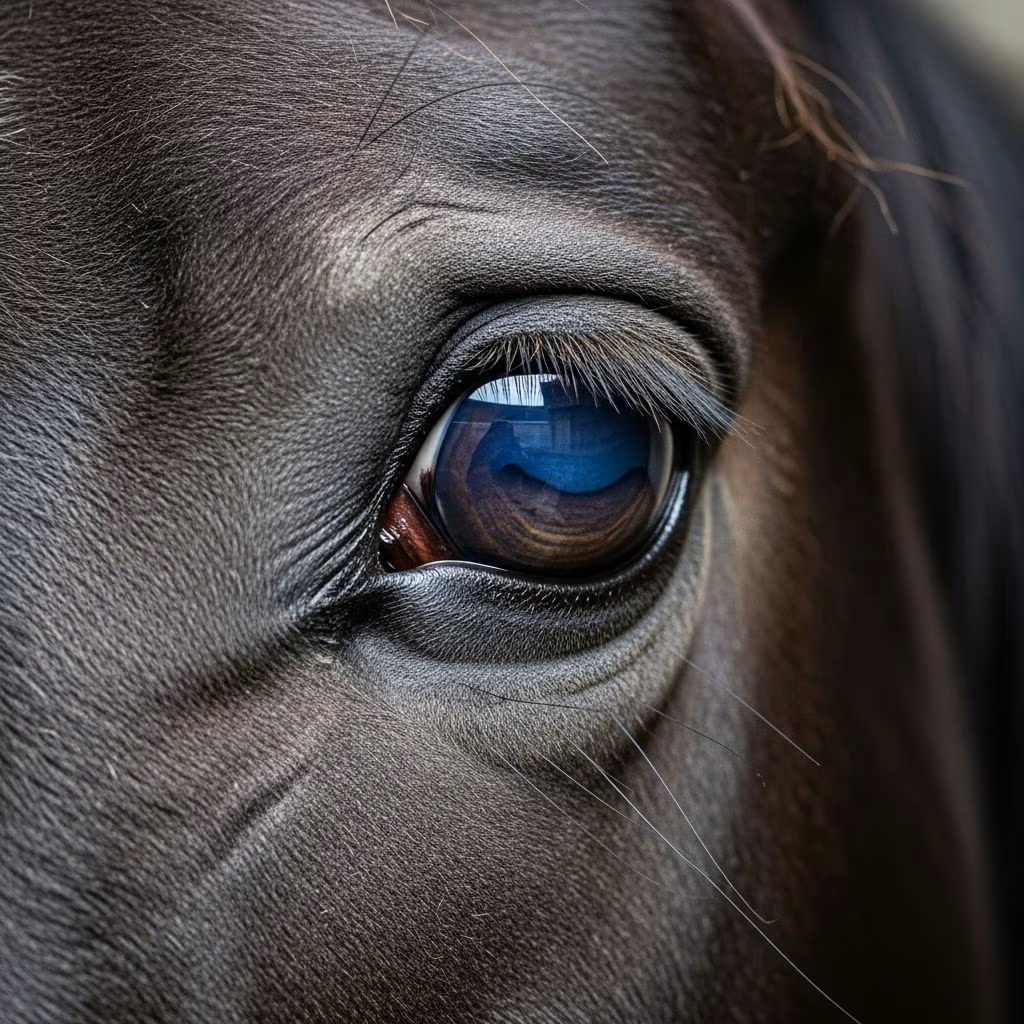
Glaucoma represents a serious ocular condition in horses characterized by elevated intraocular pressure (IOP) that can lead to irreversible vision loss and discomfort if not addressed promptly. This disease arises primarily from impaired drainage of aqueous humor, the fluid nourishing the eye’s front chamber, often triggered by inflammation or structural anomalies.
Understanding the Basics of Equine Glaucoma
The equine eye maintains balance through constant production and outflow of aqueous humor via the trabecular meshwork and uveoscleral pathways. When this outflow is obstructed, IOP rises above the normal 10-30 mmHg range, compressing the retina and optic nerve, which disrupts nutrient delivery and causes cellular damage.
Horses are particularly susceptible due to their predisposition to equine recurrent uveitis (ERU), a leading cause of secondary glaucoma. Appaloosa breeds face higher risks, with the condition frequently manifesting in older animals.
Types of Glaucoma Affecting Horses
Equine glaucoma classifies into distinct categories based on origin:
- Primary Glaucoma: Rare in horses, stemming from congenital or developmental defects in the eye’s drainage structures, observable even in foals.
- Secondary Glaucoma: Most prevalent, resulting from ERU-induced inflammation, tumors, lens displacement, or corneal injuries that block fluid pathways.
Secondary forms dominate, with ERU causing synechiae (adhesions) or cellular debris to clog drainage angles, progressively elevating pressure.
Recognizing Early Warning Signs
Symptoms in glaucomatous horses vary from subtle to overt, often delaying detection. Owners might notice:
- Corneal haze or edema, appearing as cloudiness or blue tint.
- Blepharospasm (squinting) and epiphora (excess tearing).
- Conjunctival injection, giving a red, bloodshot look.
- Buphthalmos, or eyeball enlargement in chronic cases.
- Mydriasis (dilated pupil) from nerve damage, or miosis if inflammation persists.
Advanced stages reveal vision deficits, dyscoria (irregular pupil shape), cataracts, and corneal striae (white streaks). Unlike humans, horses may not display intense pain, masking the issue until blindness sets in.
| Stage | Key Signs | Potential Complications |
|---|---|---|
| Early | Subtle corneal clouding, mild pupil dilation | None immediate |
| Acute | Squinting, tearing, redness | Retinal stress |
| Chronic | Enlarged globe, vision loss, blue cornea | Blindness, ulceration |
Diagnostic Approaches for Accurate Identification
Veterinarians employ tonometry as the cornerstone, using rebound or applanation tonometers to measure IOP accurately—values exceeding 30-40 mmHg confirm glaucoma. Additional tools include:
- Ophthalmoscopy to assess optic nerve cupping and retinal thinning.
- Gonioscopy for evaluating drainage angles.
- Ultrasonography to detect tumors or lens issues.
- Schirmer tear tests and fluorescein staining to rule out ulcers.
Differentiating primary from secondary forms guides therapy; ERU history often points to the latter.
Medical Management Strategies
Treatment aims to lower IOP, curb inflammation, and preserve vision, though no cure exists—glaucoma progresses relentlessly. First-line options encompass:
- Beta-Blockers: Timolol maleate 0.5% (twice daily) reduces aqueous production via ciliary body beta-receptor blockade, effective for 2-3 years in prophylaxis.
- Carbonic Anhydrase Inhibitors: Dorzolamide 2% or brinzolamide 1% inhibit fluid formation enzymes.
- Anti-Inflammatories: Topical steroids (prednisolone, dexamethasone) or NSAIDs like flunixin meglumine combat uveitis.
Prophylactic timolol suits at-risk horses, such as those with ERU history. Combination therapy often yields best results, with frequent IOP monitoring.
Surgical Interventions for Advanced Cases
When medications falter, procedures target fluid dynamics or pain relief:
- Laser Cyclophotoablation: Destroys ciliary processes under sedation or anesthesia, slashing aqueous output for 2-3 years of IOP control.
- Intravitreal Gentamicin: Chemical ablation for blind, painful eyes.
- Enucleation or Evisceration: Eye removal or gutting with prosthesis for intractable pain; horses adapt remarkably.
Early intervention via surgery can extend comfort and delay blindness.
Preventive Measures and Long-Term Care
Prevention hinges on ERU vigilance—regular exams for high-risk breeds like Appaloosas. Maintain fly control, stable hygiene, and prompt uveitis treatment to avert secondary glaucoma. Owners should:
- Schedule biannual veterinary ophthalmology checks.
- Monitor for subtle changes post-uveitis episodes.
- Administer prophylactics as vet-recommended.
Prognosis improves with early detection; untreated cases culminate in blindness within months.
FAQs on Equine Glaucoma
What breeds are most prone to glaucoma?
Appaloosas and older horses face elevated risks due to ERU susceptibility.
Can glaucoma be reversed in horses?
No, but early management slows progression and alleviates pain.
How often should IOP be checked?
At-risk horses benefit from monthly tonometry during flares.
Is laser treatment permanent?
It provides temporary relief (2-3 years); repeat sessions may be needed.
What if my horse goes blind from glaucoma?
Pain management or enucleation ensures welfare; vision loss doesn’t hinder most activities.
Prognosis and Owner Expectations
While vision preservation is challenging, multimodal therapy extends useful sight. Blind horses thrive with adaptations like companion animals. Collaborate closely with equine ophthalmologists for tailored plans.
References
- Treating glaucoma in your equine veterinary patients — DVM360. 2023. https://www.dvm360.com/view/veterinary-treatment-glaucoma-your-equine-patients
- Equine Glaucoma — Brandon Equine Medical Center. 2020-05. https://brandonequine.com/wp-content/uploads/2020/05/equine-glaucoma.pdf
- An Overview of Equine Glaucoma for Horse Owners — Veterinary Vision Center. N/A. https://veterinaryvisioncenter.com/an-overview-of-equine-glaucoma-for-horse-owners/
- Early Diagnosis of Glaucoma — Auburn University College of Veterinary Medicine. 2018-09. https://www.vetmed.auburn.edu/wp-content/uploads/2018/09/Early-Diagnosis-of-glaucoma.pdf
- Equine Glaucoma — American College of Veterinary Pharmacists. 2019-06. https://vetmeds.org/wp-content/uploads/2019/06/2019-1st-Qtr-VET-Talk-Equine-Glaucoma.pdf
- Glaucoma in horses — University of Minnesota Extension. N/A. https://extension.umn.edu/horse-health/glaucoma-horses



