

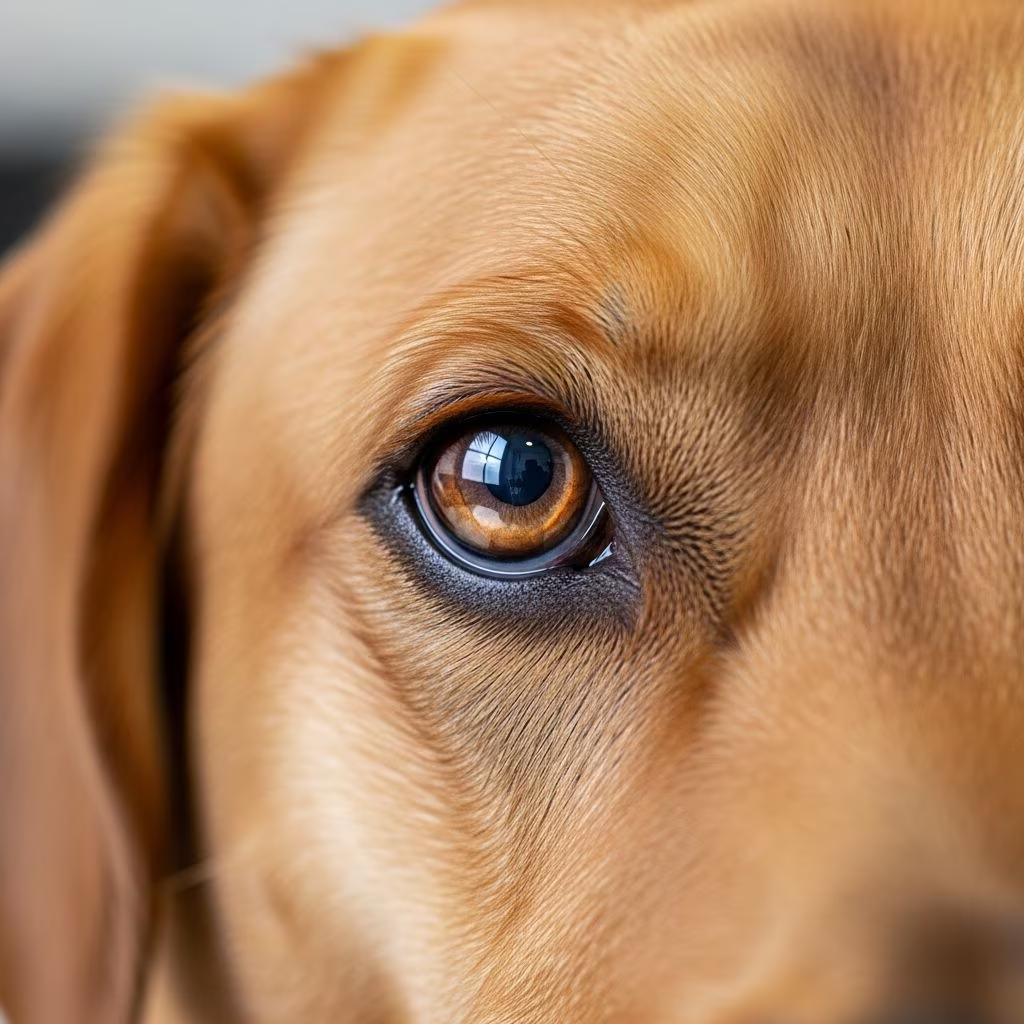
Understanding Glaucoma in Dogs
Glaucoma is a serious eye condition that affects dogs of all ages and breeds, though some breeds are at higher risk than others. This painful condition involves increased pressure within the eye that can lead to irreversible vision loss and blindness if left untreated. The condition results from inadequate drainage of fluid (aqueous humor) from the eye, causing pressure to build up on the optic nerve and retina. Understanding the signs, causes, and treatment options is crucial for dog owners to protect their pet’s eyesight and quality of life.
Unlike humans, glaucoma in dogs is rarely caused by overproduction of aqueous fluid; rather, it stems from problems with fluid drainage through the eye’s drainage system. Early detection and prompt treatment are essential, as the damage caused by elevated intraocular pressure (IOP) can become permanent within hours to days in acute cases. Even with aggressive treatment, many dogs with glaucoma eventually lose their vision, making prevention and early intervention the best strategies for maintaining sight.
Types of Glaucoma in Dogs
Veterinarians classify glaucoma into two main categories based on its origin and underlying causes.
Primary Glaucoma
Primary glaucoma occurs due to inherited abnormalities in the eye’s drainage mechanism. This form of the disease is genetic, meaning affected dogs are born with structural defects in their drainage system that predispose them to elevated IOP. Certain dog breeds show a significantly increased risk of developing primary glaucoma, including Boston terriers, cocker spaniels, Shar-Peis, beagles, basset hounds, Siberian huskies, Labrador retrievers, Samoyeds, toy poodles, and Great Danes. Each breed has unique anatomical features that make individuals more susceptible to developing the condition.
When a dog has primary glaucoma in one eye, the other eye is typically treated preventatively with topical medications to delay or prevent glaucoma onset in that eye.
Secondary Glaucoma
Secondary glaucoma develops as a result of another eye condition or injury. This form is actually more common in dogs than primary glaucoma. Various underlying conditions can trigger secondary glaucoma, including:
– Lens luxation or anterior dislocation of the lens, which can trap fluid and block the drainage angle- Cataracts or complications following cataract surgery- Eye injuries or trauma- Lens swelling and inflammation that obstructs the drainage angle- Retinal detachment- Inflammation within the eye
Treating the underlying cause of secondary glaucoma is essential to managing the condition effectively.
Recognizing the Symptoms of Glaucoma
Dogs cannot communicate their discomfort verbally, making it essential for owners to recognize the physical signs of glaucoma. Symptoms can develop gradually in chronic cases or appear suddenly in acute glaucoma. Both chronic and acute presentations require immediate veterinary attention.
Common Signs and Symptoms
Dogs suffering from glaucoma may display one or more of the following symptoms:
– Cloudy or bluish appearance to the cornea- Redness in the whites of the eye- Dilated pupil that does not respond to light- Swelling or bulging of the eyeball- Watery eye discharge- Excessive blinking or aversion to bright light- Eye pain, including rubbing or sensitivity when touched- Vision loss or bumping into objects- Loss of appetite- Lethargy and decreased desire to play
Acute glaucoma develops very suddenly and requires emergency veterinary care immediately. Even if symptoms appear mild, contact your veterinarian or visit an emergency veterinary hospital right away, as early diagnosis and treatment provide the best chance for preserving vision.
Diagnosis of Canine Glaucoma
Accurate diagnosis is the first step toward effective treatment and vision preservation. Your veterinarian will use specific diagnostic tools to confirm glaucoma and determine its type.
Diagnostic Procedures
The primary diagnostic tool for glaucoma is a tonometer, an instrument that measures the pressure within the dog’s eye. Normal intraocular pressure in dogs ranges from 15-25 mm Hg. Pressures above 40-50 mm Hg require emergency treatment. If your dog is experiencing blindness due to glaucoma, a veterinary ophthalmologist may use electroretinography to determine whether surgical intervention might help restore vision.
Your veterinarian will also perform a thorough eye examination to identify any underlying causes of secondary glaucoma. In cases where the diagnosis is unclear or specialized treatment is needed, your veterinarian may refer you to a veterinary ophthalmologist.
Treatment Options for Glaucoma
Treatment for canine glaucoma focuses on two primary goals: normalizing intraocular pressure to preserve or regain vision, and alleviating pain when vision loss is permanent. The specific treatment approach depends on the severity of the condition, the type of glaucoma, and how quickly intervention is needed.
Medical Management
Most cases of glaucoma begin with medical therapy aimed at rapidly lowering IOP. Your veterinarian will prescribe medications to reduce eye pressure as quickly as possible, as rapid pressure reduction may help prevent permanent blindness.
Medication Classes Used in Treatment
– Prostaglandin Analogs: Medications such as latanoprost, travoprost, and bimatoprost are effective topical treatments that work by increasing aqueous humor outflow through the drainage system. These are often among the first medications prescribed as they can rapidly bring pressures down to normal levels.- Carbonic Anhydrase Inhibitors: Topical medications like dorzolamide and brinzolamide reduce fluid production within the eye. These are frequently combined with prostaglandin analogs for enhanced effect.- Beta-Blockers: Medications such as timolol help reduce the amount of aqueous humor produced. They are typically used in combination with other anti-glaucoma drugs and should not be administered to dogs with asthma or cardiovascular disease.- Osmotic Diuretics: In acute glaucoma cases, medications like mannitol (administered intravenously) can significantly reduce IOP within 15 minutes of use. Oral glycerin is also effective, decreasing IOP within 30 minutes.
Pain management is also crucial in glaucoma treatment. Your veterinarian will typically prescribe painkillers to help your dog feel more comfortable while the pressure-reducing medications take effect.
Surgical and Laser Interventions
When medical therapy alone cannot adequately control IOP, or in cases where blindness has already occurred, surgical intervention may be recommended.
Surgical Options
– Laser Cyclodestruction: A laser is used to destroy or reduce the ciliary body, which produces aqueous humor, thereby decreasing fluid production. This procedure can be performed as the primary treatment or combined with other surgical techniques.- Shunt Placement: Surgical implants can be placed to facilitate drainage of aqueous humor from the eye. These devices help restore normal fluid drainage when the eye’s natural drainage system is compromised.- Micropulse Laser and MIGS: Newer techniques such as micropulse laser technology and micro-invasive glaucoma surgery (MIGS), which have proven successful in human patients, are being considered for use in veterinary ophthalmology.
Pain Relief Surgery for Blind Eyes
In eyes that are already blind due to glaucoma, surgery is often recommended to relieve chronic pain. These procedures include:
– Enucleation: Complete removal of the affected eye eliminates the source of pain and prevents ongoing glaucoma-related complications.- Prosthetic Eye Creation: A prosthetic eye can be created for cosmetic purposes while providing pain relief.- Intracameral Medication Injection: Injection of medication that decreases aqueous humor production can provide pain relief without removing the eye.
Treatment for Secondary Glaucoma
When glaucoma develops secondarily to another condition, treating the underlying cause is essential. For example, if a dog has cataracts that can be surgically removed, cataract surgery can effectively halt glaucoma progression and relieve eye pressure through medication or laser treatment. Similarly, if trauma caused significant eye damage, complete eye removal may be the most appropriate solution to reduce pain and prevent ongoing glaucoma complications.
Chronic Glaucoma Management
Dogs with chronic glaucoma require lifelong treatment and monitoring. Even with aggressive medical and surgical management, most dogs with glaucoma eventually experience vision loss, making long-term care and quality of life considerations important. Regular eye pressure checks and consistent medication administration are essential to slow disease progression and maintain whatever vision remains.
For dogs in which primary glaucoma develops in one eye, the other eye typically receives preventative treatment with topical medications to delay or prevent glaucoma onset as long as possible.
Emergency Treatment for Acute Glaucoma
Acute glaucoma represents a veterinary emergency requiring immediate hospitalization and intensive treatment. Dogs with severe glaucoma may need to stay at a veterinary hospital for anti-glaucoma medication administration, strong pain relief, and regular monitoring. Your veterinarian may recommend referral to a veterinary ophthalmologist if medical treatment does not reduce your dog’s symptoms quickly enough.
Emergency treatment aims to bring down intraocular pressure as rapidly as possible, often within hours, to prevent irreversible vision loss.
Future Advances in Glaucoma Treatment
Ongoing research continues to improve glaucoma diagnosis and treatment options for dogs. Emerging therapies being developed and refined include:
– Advanced diagnostic tools for earlier, more effective therapy- Optimized medical therapies for more effective IOP control and reduced surgery-related inflammation- Neuroprotective strategies to prevent retina and optic nerve degeneration regardless of IOP level- Intraocular implants for long-term drug release- Gene therapies- Stem cell treatments
These innovations offer hope for better outcomes and improved vision preservation in dogs with glaucoma.
Prevention and Early Detection
While primary glaucoma cannot be prevented due to its genetic nature, early detection and intervention can significantly extend the period during which affected dogs maintain their vision. It is very important to have your dog’s vision routinely checked during veterinary visits, as early detection can help prevent glaucoma from occurring or worsening.
Owners of breed predisposed to glaucoma should discuss screening recommendations with their veterinarian. Maintaining eye health through proper nutrition, regular exercise, and prompt treatment of any eye injuries or infections can help support overall ocular health.
Frequently Asked Questions About Canine Glaucoma
Q: Can glaucoma in dogs be cured?
A: No, glaucoma cannot be cured, but most cases can be well managed with eye drops and other medications. Early treatment helps preserve vision for as long as possible, though many dogs eventually lose their sight despite treatment.
Q: What dog breeds are most at risk for glaucoma?
A: Breeds with increased risk include Boston terriers, cocker spaniels, Shar-Peis, beagles, basset hounds, Siberian huskies, Labrador retrievers, Samoyeds, toy poodles, and Great Danes. However, any dog can develop glaucoma.
Q: How quickly does glaucoma damage occur?
A: Acute glaucoma can cause permanent damage within hours to days if untreated. This is why emergency treatment is critical when acute glaucoma is suspected.
Q: Will my dog go blind from glaucoma?
A: Many dogs with glaucoma eventually lose their vision, even with treatment. However, catching the condition early and providing prompt treatment may help preserve vision for an extended period.
Q: What should I do if I suspect my dog has glaucoma?
A: Contact your veterinarian immediately or visit an emergency veterinary hospital. Early diagnosis and treatment provide the best chance for preserving your dog’s vision.
Q: Can surgery cure my dog’s glaucoma?
A: Surgery cannot cure glaucoma but can help control IOP and relieve pain. In blind eyes, surgery may focus on pain relief through procedures like enucleation or medication injection.
References
- Canine Glaucoma — Vision for Animals Foundation. Accessed November 28, 2025. https://www.visionforanimals.org/canine-glaucoma/
- Dog Eye Glaucoma – Causes & Symptoms — Carolina Veterinary Specialists, Greensboro. Accessed November 28, 2025. https://www.greensboro.carolinavet.com/site/greensboro-specialty-veterinary-blog/2020/10/06/causes-symptoms-treatment-glaucoma-in-dogs
- Glaucoma in dogs: Symptoms, causes, treatment and costs — All About Vision. Accessed November 28, 2025. https://www.allaboutvision.com/eye-care/pets-animals/glaucoma-in-dogs/
- Glaucoma in dogs — People’s Dispensary for Sick Animals (PDSA). Accessed November 28, 2025. https://www.pdsa.org.uk/pet-help-and-advice/pet-health-hub/conditions/glaucoma-in-dogs
- Glaucoma — Cornell University College of Veterinary Medicine, Riney Canine Health Center. Accessed November 28, 2025. https://www.vet.cornell.edu/departments-centers-and-institutes/riney-canine-health-center/canine-health-information/glaucoma
- Best Treatments for Canine Glaucoma — Vetrix, Inc. Accessed November 28, 2025. https://rethinkhealing.com/treatment-options-for-canine-glaucoma/
- Glaucoma in Dogs — Small Door Veterinary. Accessed November 28, 2025. https://www.smalldoorvet.com/learning-center/medical/glaucoma-in-dogs



