

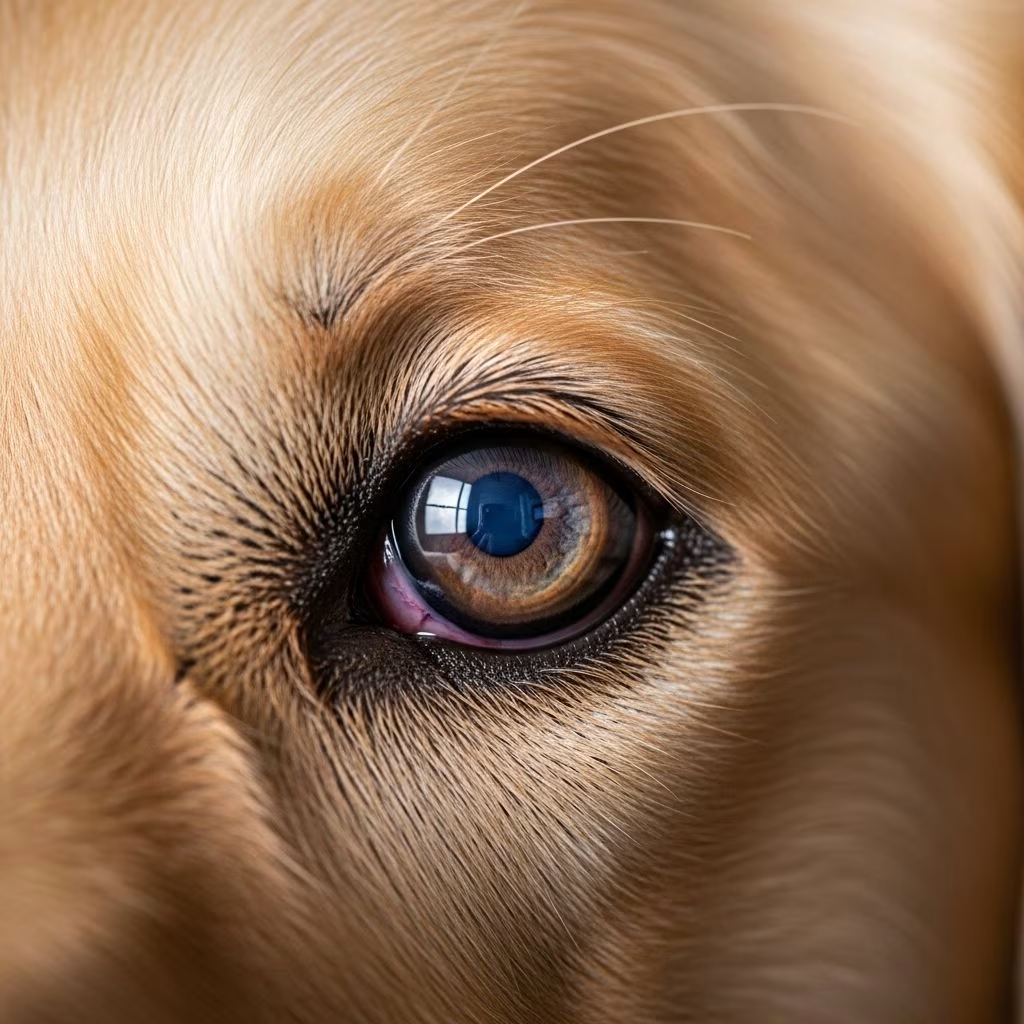
Understanding Glaucoma in Dogs
Glaucoma is a serious and painful eye condition that affects dogs of all ages and breeds, though certain breeds are more predisposed to developing the disease. This progressive condition occurs when fluid pressure builds up inside the eyeball, damaging the optic nerve and potentially leading to permanent vision loss or blindness. Early detection and prompt treatment are crucial for preserving your dog’s sight and preventing irreversible damage. Unlike in humans, glaucoma in dogs is rarely caused by overproduction of fluid; instead, it results from inadequate drainage of the aqueous humor—the clear fluid that maintains eye pressure and nourishes the eye structures.
The condition can develop gradually over time, with subtle initial signs, or it can appear suddenly with acute symptoms requiring immediate veterinary attention. Approximately 40% of dogs affected by glaucoma will lose vision in the affected eye, making prevention and early intervention essential components of responsible pet care.
Types of Glaucoma in Dogs
Veterinary professionals recognize two distinct classifications of glaucoma in dogs, each with different causes, risk factors, and treatment approaches.
Primary Glaucoma
Primary glaucoma develops due to inherited genetic abnormalities in the eye’s drainage mechanism. This type is genetically predetermined and typically affects middle-aged to older dogs. The condition can impact one or both eyes and is particularly common in specific dog breeds. Breeds with elevated risk for primary glaucoma include Boston Terriers, Cocker Spaniels, Shar-Peis, Beagles, Basset Hounds, Siberian Huskies, Labrador Retrievers, Samoyeds, Toy Poodles, and Great Danes. Each breed possesses unique anatomical characteristics that make them more susceptible to developing this condition.
Secondary Glaucoma
Secondary glaucoma develops as a consequence of underlying eye diseases, injuries, or other systemic conditions. This type typically affects only one eye and is often more manageable through treating the underlying cause. Common causes of secondary glaucoma include chronic eye inflammation (uveitis), lens displacement or luxation, eye tumors or cancer, blood in the eye (hyphema), pigmentary dispersion syndrome, and complications following intraocular surgery.
Recognizing the Symptoms of Glaucoma
Identifying glaucoma symptoms early significantly improves treatment outcomes and helps preserve your dog’s vision. Symptoms vary depending on whether your dog has acute or chronic glaucoma, and they may develop suddenly or gradually over time.
Common Clinical Signs
Visual indicators of glaucoma include:
- Bloodshot or bright red eyes with visible blood vessels
- Swollen or bulging eyeballs (buphthalmos)
- Cloudy or bluish discoloration of the cornea
- Excessive tearing and watery discharge from the eye
- Enlarged or dilated pupils that don’t respond normally to light
- Excessive squinting and blinking
- White haze or corneal edema covering the eye surface
- Progressive vision loss or blindness
Behavioral and General Symptoms
Beyond visible eye changes, dogs with glaucoma often exhibit behavioral changes:
- Reluctance to play or decreased activity levels
- Loss of appetite or reduced interest in food
- Lethargy and overall fatigue
- Sensitivity to light (photophobia)
- Excessive eye rubbing or pawing at the affected eye
- Withdrawal or avoidance of physical contact, especially around the head
- Difficulty navigating in dim lighting or unfamiliar environments
- General signs of pain and discomfort
Acute glaucoma represents a medical emergency and progresses rapidly, sometimes causing blindness within 24-48 hours if left untreated. If you notice any of these symptoms in your dog, contact your veterinarian immediately or visit an emergency veterinary clinic.
What Causes Glaucoma in Dogs
Understanding the underlying causes of glaucoma helps pet owners recognize risk factors and potentially prevent or delay disease onset.
The Mechanism of Pressure Buildup
The fundamental cause of glaucoma in dogs is inadequate drainage of aqueous humor from the eye, leading to increased intraocular pressure (IOP). The eye continuously produces and drains fluid to maintain proper eye pressure and nutrition to internal eye structures. When the drainage angle or trabecular meshwork—the specialized tissue responsible for fluid drainage—functions improperly, pressure accumulates and damages the optic nerve and retina.
Primary Glaucoma Causes
Primary glaucoma stems from genetic mutations affecting the drainage mechanism. These inherited abnormalities may involve malformation of the trabecular meshwork, abnormal development of the ciliary cleft, or other structural drainage defects. Since this is a genetic condition, dogs from predisposed breeds should be screened regularly, and affected dogs should not be bred.
Secondary Glaucoma Causes
Secondary glaucoma develops from identifiable underlying conditions. Common causes include:
- Uveitis: Chronic inflammation inside the eye that disrupts normal fluid drainage and is the most common cause of secondary glaucoma
- Lens luxation or subluxation: Displacement of the eye’s lens from its normal position, which can block the drainage angle
- Eye trauma: Injuries that damage eye structures or cause internal bleeding
- Hyphema: Blood accumulation inside the eye that can physically obstruct drainage channels
- Intraocular tumors: Cancer within the eye that disrupts normal fluid flow
- Pigmentary dispersion: Migration of pigment granules that clog the drainage angle
- Post-surgical complications: Changes following cataract removal or other eye procedures
Diagnosis of Canine Glaucoma
Professional diagnosis is essential for confirming glaucoma and determining the appropriate treatment strategy. Your veterinarian will use specialized equipment and examination techniques to assess your dog’s eye health.
Tonometry Measurement
The primary diagnostic tool for glaucoma is a tonometer, an instrument that measures intraocular pressure within the eye. Normal canine eye pressure ranges from 15-25 mmHg. Pressures consistently above 30 mmHg warrant concern, and pressures exceeding 40-50 mmHg require emergency treatment to prevent permanent vision loss.
Comprehensive Eye Examination
Your veterinarian will perform a thorough eye examination including gonioscopy (examination of the drainage angle), slit-lamp examination to assess corneal clarity and anterior chamber inflammation, and dilated fundus examination to evaluate the optic nerve and retina. For dogs experiencing vision loss, electroretinography may be performed to determine whether vision might be restored through surgical intervention.
Treatment Options for Glaucoma
Treatment strategies focus on two primary goals: normalizing intraocular pressure to preserve or restore vision, and controlling pressure to alleviate pain when vision has been permanently lost. Treatment selection depends on glaucoma type, severity, response to initial therapy, and individual dog factors.
Medical Management with Eye Drops
Topical medications are typically the first-line treatment for glaucoma. Several medication classes work through different mechanisms to reduce intraocular pressure.
Prostaglandin Analogs
Prostaglandin analogs (latanoprost, travoprost, and bimatoprost) are often highly effective for rapidly reducing IOP by increasing aqueous humor outflow through the uveoscleral pathway. These medications can effectively lower pressure within minutes and are frequently prescribed as initial therapy.
Carbonic Anhydrase Inhibitors
Carbonic anhydrase inhibitors (dorzolamide and brinzolamide) represent the preferred topical treatment and work by decreasing the amount of fluid produced within the eye. These medications can be used as monotherapy or in combination with other medications for enhanced pressure reduction.
Beta-Blockers
Beta-blockers (timolol) reduce aqueous humor production by 20-30% and are often used in combination with other medications. However, beta-blockers should be avoided in dogs with asthma or cardiovascular disease, as they can worsen these conditions.
Osmotic Diuretics for Acute Cases
In acute glaucoma emergencies, osmotic diuretics such as mannitol (administered intravenously) or oral glycerin can rapidly reduce IOP within 15-30 minutes, potentially preventing immediate vision loss. These medications draw fluid from the eye into the bloodstream, providing rapid pressure relief during critical situations.
Pain Management
Pain control is an essential component of glaucoma treatment. Analgesics are prescribed to alleviate the significant discomfort associated with elevated intraocular pressure, improving your dog’s quality of life and overall wellbeing.
Surgical Interventions
When medical management proves insufficient or when dogs have secondary glaucoma from treatable underlying conditions, surgery may be recommended. Laser therapy can be used to destroy fluid-producing tissue or improve drainage. For secondary glaucoma caused by removable cataracts, surgical cataract removal can effectively resolve the glaucoma. In cases of severe eye damage or persistent pain unresponsive to other treatments, enucleation (surgical eye removal) may be considered to eliminate pain.
Long-Term Management and Prognosis
Glaucoma cannot be cured, but most cases can be effectively managed with appropriate long-term medical therapy and monitoring. Dogs diagnosed with glaucoma will require ongoing anti-glaucoma medication indefinitely to maintain normal eye pressure. Regular veterinary visits allow your veterinarian to monitor intraocular pressure, adjust medications as needed, and watch for complications.
While many dogs eventually experience vision loss despite treatment, early diagnosis significantly extends the period during which your dog maintains functional vision. Some dogs respond excellently to medical management and maintain good vision for years with proper treatment compliance.
Prevention and Risk Management
While primary glaucoma cannot be prevented due to its genetic nature, several strategies help reduce risk and facilitate early detection. Dogs from predisposed breeds should receive regular eye examinations, particularly as they enter middle age. If your dog has a family history of glaucoma, discuss screening protocols with your veterinarian. Prompt treatment of any eye inflammation, infection, or injury reduces the risk of secondary glaucoma development. Maintaining overall eye health through good nutrition and avoiding ocular trauma also contributes to long-term eye health.
Frequently Asked Questions About Glaucoma in Dogs
Q: Can glaucoma in dogs be cured?
A: No, glaucoma cannot be cured, but it can be effectively managed with medications and sometimes surgery. Early treatment can slow progression and preserve vision for longer periods.
Q: How quickly can a dog go blind from glaucoma?
A: Acute glaucoma can cause blindness within 24-48 hours if untreated. Chronic glaucoma develops more slowly but still leads to vision loss without proper management. This is why immediate veterinary attention is critical.
Q: Which dog breeds are most susceptible to glaucoma?
A: Breeds at higher risk include Boston Terriers, Cocker Spaniels, Shar-Peis, Beagles, Basset Hounds, Siberian Huskies, Labrador Retrievers, Samoyeds, Toy Poodles, and Great Danes, though any dog can develop glaucoma.
Q: What should I do if I notice glaucoma symptoms?
A: Contact your veterinarian immediately or visit an emergency veterinary clinic. Acute symptoms like sudden eye redness, pain, or vision changes require urgent evaluation to prevent permanent damage.
Q: How often should I have my dog’s eyes examined?
A: Dogs from high-risk breeds should have annual eye examinations. Dogs with diagnosed glaucoma typically require more frequent monitoring as directed by your veterinarian.
Q: Are there any prevention strategies for glaucoma?
A: While primary glaucoma cannot be prevented, maintaining overall eye health, treating eye infections promptly, avoiding ocular trauma, and regular veterinary examinations facilitate early detection.
Q: How much do glaucoma treatments typically cost?
A: Costs vary depending on treatment type. Topical medications range from moderate to significant for long-term use. Surgical interventions are more expensive. Discuss costs with your veterinarian.
References
- Glaucoma in Dogs: What It Is, and What Are the Symptoms? — PetMD. https://www.petmd.com/dog/conditions/eyes/glaucoma-dogs-what-it-and-what-are-symptoms
- Dog Eye Glaucoma – Causes & Symptoms — Carolina Veterinary Specialists, Greensboro. https://www.greensboro.carolinavet.com/site/greensboro-specialty-veterinary-blog/2020/10/06/causes-symptoms-treatment-glaucoma-in-dogs
- Glaucoma in Dogs: Symptoms, Causes, and Treatments — American Kennel Club. https://www.akc.org/expert-advice/health/dog-glaucoma/
- Glaucoma in Dogs — PDSA. https://www.pdsa.org.uk/pet-help-and-advice/pet-health-hub/conditions/glaucoma-in-dogs
- Glaucoma — Cornell University College of Veterinary Medicine, Riney Canine Health Center. https://www.vet.cornell.edu/departments-centers-and-institutes/riney-canine-health-center/canine-health-information/glaucoma
- Best Treatments for Canine Glaucoma — Vetrix, Inc. https://rethinkhealing.com/treatment-options-for-canine-glaucoma/
- Glaucoma in Dogs — Small Door Veterinary. https://www.smalldoorvet.com/learning-center/medical/glaucoma-in-dogs



