

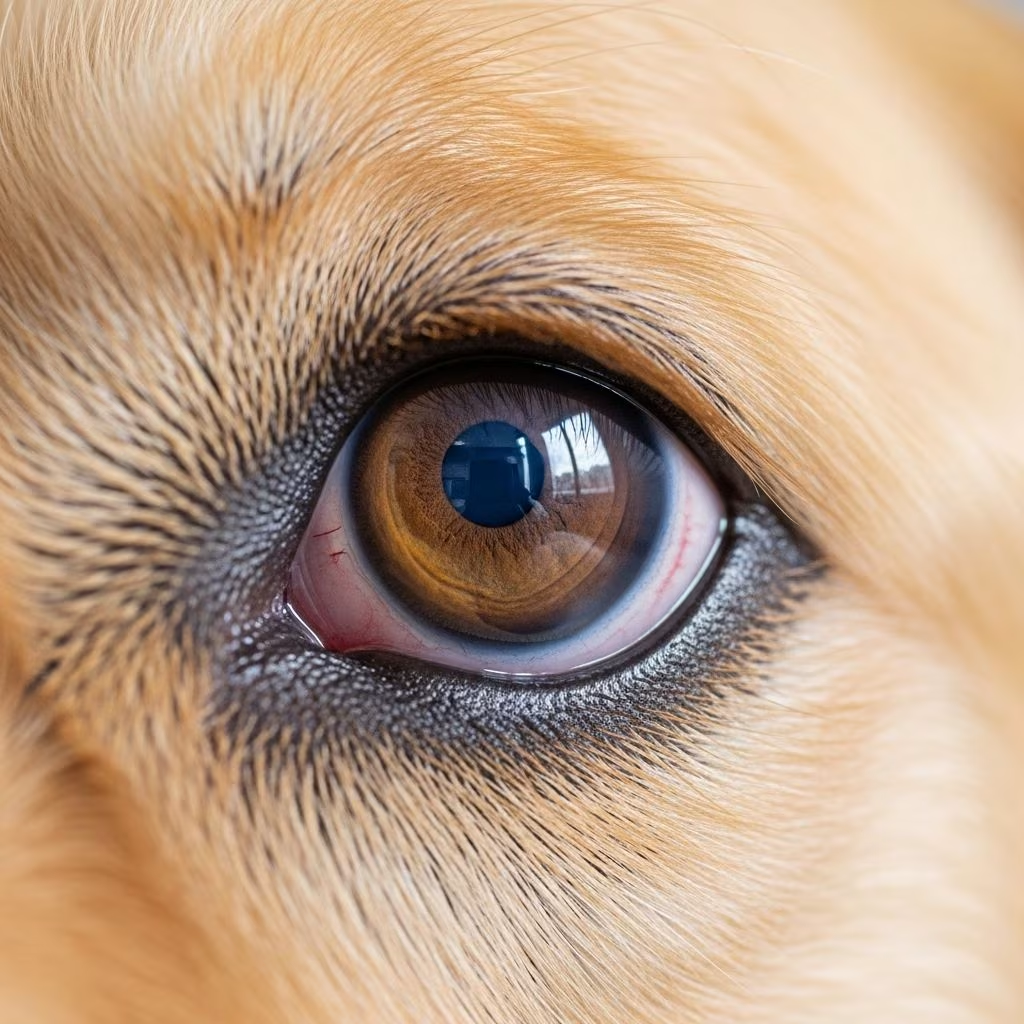
Glaucoma in Dogs: Understanding This Serious Eye Condition
Glaucoma is a serious and painful eye condition that affects dogs of all ages and breeds, though certain breeds are at higher risk. This condition occurs when intraocular pressure (IOP) within the eye becomes elevated due to inadequate drainage of fluid, potentially leading to irreversible damage to the optic nerve and retina. Without prompt treatment, glaucoma can result in permanent blindness, with studies indicating that approximately 40% of dogs affected by this condition will lose vision in the affected eye. Early detection and aggressive treatment are critical to preserving your dog’s eyesight and reducing pain and discomfort.
What Is Glaucoma?
Glaucoma is fundamentally a condition characterized by increased pressure within the eye that results from improper drainage of aqueous humor, the fluid that maintains the eye’s shape and supplies nutrients to internal structures. Unlike in humans, canine glaucoma is not typically caused by overproduction of aqueous fluid, but rather by inadequate drainage mechanisms within the eye. The elevated intraocular pressure damages the optic nerve and photoreceptors in the retina, leading to progressive vision loss and ultimately blindness if left untreated. The condition is often extremely painful, causing significant discomfort to affected dogs.
Types of Glaucoma in Dogs
Understanding the type of glaucoma your dog has is essential for determining the appropriate treatment strategy. There are two primary classifications of this condition:
Primary Glaucoma
Primary glaucoma develops due to genetic abnormalities within the eye’s drainage system, specifically affecting the trabecular meshwork or drainage angle. This inherited form of the disease can affect one or both eyes and typically manifests in middle-aged to older dogs. When a dog develops primary glaucoma in one eye, the other eye is usually at high risk and requires preventive treatment with drops to delay the onset of the condition. Certain dog breeds show significantly increased susceptibility to primary glaucoma, including Boston terriers, cocker spaniels, Shar-Peis, beagles, basset hounds, Siberian huskies, Labrador retrievers, Samoyeds, toy poodles, and Great Danes. Each breed has unique anatomical features that predispose them to developing this condition.
Secondary Glaucoma
Secondary glaucoma develops as a result of underlying eye diseases or injuries that compromise the eye’s drainage mechanisms. This type of glaucoma generally affects only one eye and most commonly results from chronic eye inflammation (uveitis) or lens luxation. In some cases, eye cancer may be the underlying cause. Additionally, severe eye trauma, anterior uveitis, or other intraocular inflammation can lead to secondary glaucoma. When secondary glaucoma occurs, addressing the underlying cause is crucial alongside managing the elevated intraocular pressure.
Signs and Symptoms of Glaucoma in Dogs
Glaucoma can develop either gradually or very suddenly, and recognizing the signs early is crucial for preserving vision. Symptoms may vary depending on whether the glaucoma is acute or chronic, and the severity of the condition. Watch for the following signs in your dog:
Observable Symptoms
Physical signs of glaucoma include:
– Cloudy or bluish discoloration of the cornea
– Increased redness in the whites of the eye (conjunctival injection)
– Dilated pupil that may not respond normally to light
– Swelling or bulging of the eyeball
– Watery discharge or tearing from the affected eye
– Visible blood vessels in the white of the eye (bloodshot appearance)
Behavioral Changes
Beyond visible eye changes, dogs with glaucoma often exhibit behavioral modifications indicating pain and discomfort:
– Eye pain (excessive eye rubbing, sensitivity to touch around the eye)
– Reluctance to play or reduced playfulness
– Loss of appetite
– Lethargy and general lack of energy
– Vision loss or difficulty navigating in dim lighting
– Turning away or withdrawing when being petted near the face
Chronic glaucoma may develop gradually with subtle initial signs, while acute glaucoma occurs suddenly and requires immediate emergency care. If your dog displays any of these symptoms, contact your veterinarian immediately or visit an emergency veterinary hospital.
Diagnosis of Glaucoma in Dogs
Accurate diagnosis is the foundation for effective glaucoma management. Your veterinarian will perform a comprehensive eye examination and use specialized diagnostic tools:
Tonometry
The primary diagnostic tool for glaucoma is tonometry, which measures the intraocular pressure within the eye using an instrument called a tonometer. Normal intraocular pressure in dogs typically ranges between 15-25 mm Hg, though values above 30 mm Hg warrant concern. Eye pressures above 40-50 mm Hg require emergency treatment. The tonometer allows veterinarians to objectively measure pressure and establish a baseline for monitoring treatment effectiveness.
Additional Diagnostic Methods
Beyond tonometry, veterinarians may employ additional diagnostic techniques:
– Gonioscopy: Examination of the drainage angle to determine type and severity
– Ophthalmoscopy: Direct visualization of the optic nerve and retina
– Electroretinography: Used to determine if surgery might help restore vision in blind eyes
– Visual assessment of corneal clarity and anterior chamber inflammation
If your dog’s vision appears compromised, your veterinarian may refer you to a veterinary ophthalmologist who can perform comprehensive testing and specialized diagnostic imaging.
Treatment Options for Canine Glaucoma
Treatment for glaucoma focuses on two primary goals: normalizing intraocular pressure to preserve or regain vision, and alleviating pain and discomfort. The appropriate treatment approach depends on the type of glaucoma, severity of pressure elevation, and whether vision remains in the affected eye. Treatment typically combines medical therapy with surgical interventions when necessary.
Medical Management with Topical Medications
Topical eye medications are the first-line treatment for most glaucoma cases and work through various mechanisms to reduce intraocular pressure:
Prostaglandin Analogs
Prostaglandin analog eye drops such as latanoprost, travoprost, or bimatoprost are highly effective at rapidly lowering intraocular pressure by increasing aqueous humor outflow. These medications can bring elevated pressures down to normal levels quickly and are often used in emergency situations. These agents may cause miosis (pupil constriction) and can physically open the iridocorneal angle for improved fluid drainage.
Carbonic Anhydrase Inhibitors
This medication class, including dorzolamide and brinzolamide, decreases the amount of fluid produced within the eye, thereby reducing pressure. Carbonic anhydrase inhibitors represent the preferred initial treatment option for glaucoma management in many cases. These medications are often effective when used as monotherapy or in combination with other agents.
Beta-Blockers
Beta-blockers such as timolol reduce the amount of aqueous humor produced and can help lower intraocular pressure. However, IOP reduction with beta-blockers is typically mild, so they are often used in combination with other anti-glaucoma medications. Importantly, beta-blockers should not be administered to dogs with asthma or cardiovascular disease.
Osmotic Diuretics
For acute glaucoma cases where vision improvement is possible, osmotic diuretics like mannitol can significantly reduce intraocular pressure within 15 minutes of administration. Oral glycerin is also effective, typically decreasing IOP within 30 minutes of use. These agents work by increasing blood osmolarity, causing fluid to move out of the eye into the bloodstream.
Pain Management
Since glaucoma is an extremely painful condition, analgesics are routinely prescribed to control pain and discomfort associated with elevated intraocular pressure. Pain management is essential for your dog’s quality of life and helps reduce stress-related complications.
Surgical and Laser Interventions
When medical therapy fails to adequately control intraocular pressure or when vision has already been lost, surgical options may be recommended:
Laser Surgery
Laser treatment focuses on decreasing aqueous humor production or improving drainage:
– Cyclodestruction (laser ablation of the ciliary body) to reduce fluid production
– Selective laser trabeculoplasty to improve drainage through the trabecular meshwork
– Micropulse laser therapy, an emerging technique adapted from human glaucoma treatment
Implant Surgery
Glaucoma shunts or implants can be surgically placed to facilitate drainage of aqueous humor from the eye. These devices provide an alternative drainage pathway when the natural drainage system is compromised. Current surgical therapies may involve placement of implants to increase fluid drainage, either separately or combined with cyclodestruction procedures.
Enucleation
In cases where vision has been permanently lost and pain cannot be adequately controlled with medical management, surgical removal of the eye (enucleation) may be recommended. While this seems drastic, dogs adapt remarkably well to monocular vision, and enucleation eliminates ongoing pain from the blind eye.
Prosthetic Eye Creation
An alternative to complete eye removal, artificial eye implants can be created for cosmetic purposes while still addressing pain through other medical means.
Intracameral Medication Injection
For blind eyes, injection of medications that decrease aqueous humor production directly into the eye represents another pain management option.
Treatment by Glaucoma Type
Primary Glaucoma Treatment
For primary glaucoma in the first affected eye, aggressive topical medication is initiated immediately to lower intraocular pressure. When the fellow eye is at risk of developing glaucoma, preventive treatment with topical drops is instituted to delay or prevent onset of the disease. Dogs with primary glaucoma in one eye should be monitored regularly, with baseline tonometry of the unaffected eye to allow early detection of secondary glaucoma development.
Secondary Glaucoma Treatment
For secondary glaucoma, treatment must address both the elevated intraocular pressure and the underlying cause. If the underlying condition is treatable (such as cataracts that can be surgically removed), treating that condition can be effective at halting glaucoma progression and relieving ocular pressure through medication or laser treatment. If the eye has sustained severe structural damage, complete eye removal may be the best solution to reduce pain and prevent ongoing complications.
Prognosis and Long-Term Management
While glaucoma cannot be cured, most cases can be well managed with consistent treatment. However, even with appropriate medical and surgical management, most dogs with glaucoma will eventually lose vision in the affected eye. The key to maintaining vision as long as possible is early detection and aggressive treatment. Dogs that receive prompt emergency care for acute glaucoma have the best chance of preserving sight. Regular veterinary monitoring and medication compliance are essential for long-term successful management.
Future Treatment Advances
Ongoing research is improving glaucoma treatment options for dogs:
– Development of improved diagnostic tools for earlier detection and more effective therapy
– Optimization of medical therapies for more effective intraocular pressure control
– Investigation of neuroprotective strategies to prevent retinal and optic nerve degeneration
– Implementation of intraocular implants for long-term drug release
– Exploration of gene therapies and stem cell treatments
– Adaptation of micro-invasive glaucoma surgery (MIGS) techniques from human ophthalmology
Frequently Asked Questions
Q: Can glaucoma be prevented in dogs?
A: While primary glaucoma due to genetics cannot be prevented, early detection through regular veterinary eye examinations is crucial. For dogs with glaucoma in one eye, preventive eye drops in the other eye can delay or prevent glaucoma development.
Q: What is the emergency treatment for acute glaucoma?
A: Emergency treatment typically involves rapid hospitalization with anti-glaucoma medications (especially prostaglandin analogs), strong pain relief, and regular monitoring. Veterinary specialists may be consulted for rapid pressure reduction and potential vision preservation.
Q: How often should a dog with glaucoma be monitored?
A: Dogs diagnosed with glaucoma require frequent monitoring initially, often weekly or bi-weekly until intraocular pressure stabilizes. Subsequently, regular check-ups (typically monthly to quarterly) are necessary to assess treatment effectiveness and adjust medications as needed.
Q: Can a dog live a normal life with glaucoma?
A: Yes, dogs with well-managed glaucoma can live happy, normal lives. Dogs adapt well to vision loss, and with consistent medication and pain management, quality of life can be maintained. Many dogs eventually lose vision in the affected eye but function well with monocular vision.
Q: What breeds are most at risk for glaucoma?
A: Breeds at higher risk include Boston terriers, cocker spaniels, Shar-Peis, beagles, basset hounds, Siberian huskies, Labrador retrievers, Samoyeds, toy poodles, and Great Danes. Regular eye examinations are especially important for these breeds.
Q: Is glaucoma painful for dogs?
A: Yes, glaucoma is extremely painful due to elevated intraocular pressure. Dogs may exhibit signs of eye pain including excessive rubbing, squinting, reluctance to play, loss of appetite, and behavioral changes. Pain management through analgesics is an important component of treatment.
References
- Canine Glaucoma — Vision for Animals Foundation. https://www.visionforanimals.org/canine-glaucoma/
- Glaucoma in Dogs: What Is It, and What Are the Symptoms? — PetMD. https://www.petmd.com/dog/conditions/eyes/glaucoma-dogs-what-it-and …
- Dog Eye Glaucoma – Causes & Symptoms — Carolina Veterinary Specialists, Greensboro. https://www.greensboro.carolinavet.com/site/greensboro-specialty-veterinary-blog/2020/10/06/causes-symptoms-treatment-glaucoma-in-dogs
- Glaucoma in Dogs — PDSA. https://www.pdsa.org.uk/pet-help-and-advice/pet-health-hub/conditions/glaucoma-in-dogs
- Glaucoma — Cornell University College of Veterinary Medicine, Riney Canine Health Center. https://www.vet.cornell.edu/departments-centers-and-institutes/riney-canine-health-center/canine-health-information/glaucoma
- Best Treatments for Canine Glaucoma — Vetrix, Inc. https://rethinkhealing.com/treatment-options-for-canine-glaucoma/
- Glaucoma in Dogs — Small Door Veterinary. https://www.smalldoorvet.com/learning-center/medical/glaucoma-in-dogs



