
Glaucoma In Cats: 5 Main Causes, Signs, And Treatments
Understand the causes, symptoms, diagnosis, and treatments for glaucoma in cats to protect your pet's vision and comfort.
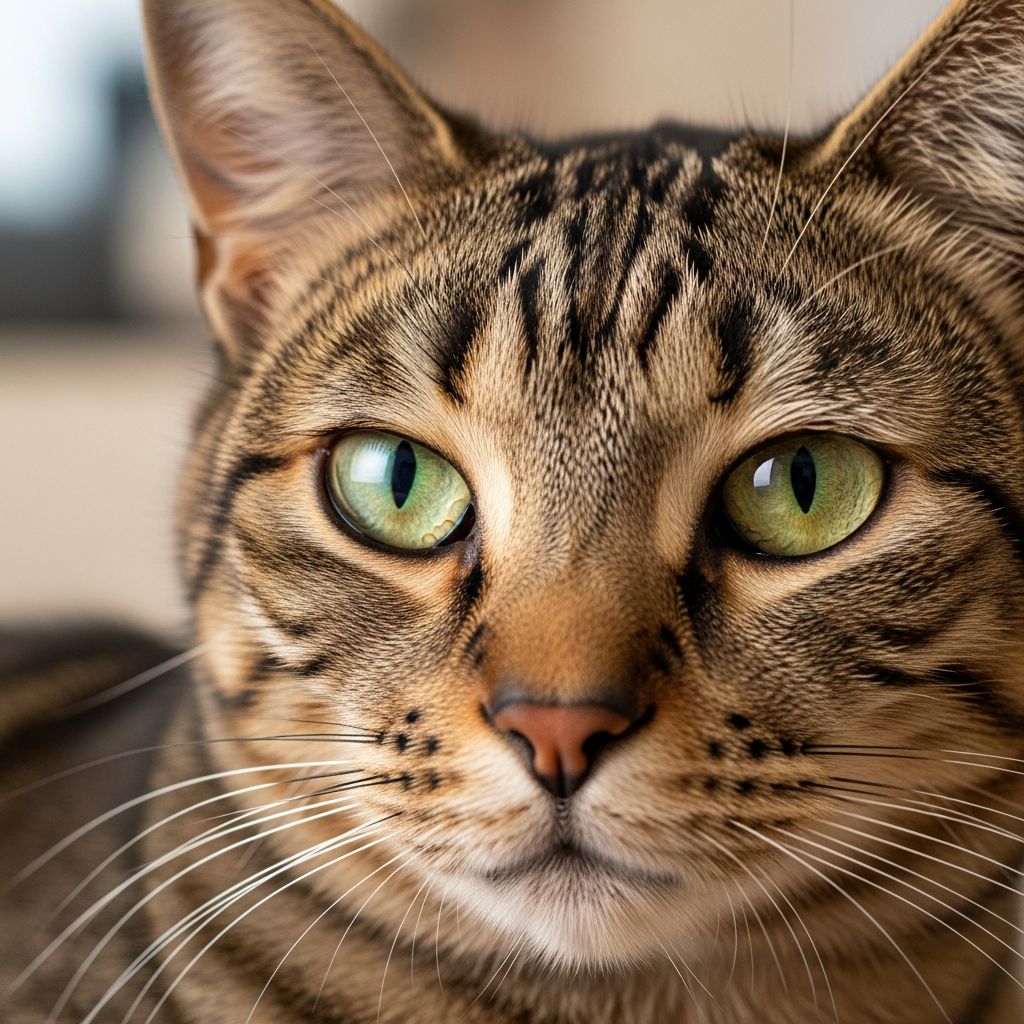
Glaucoma represents a critical ocular emergency in felines, characterized by elevated intraocular pressure (IOP) that damages the optic nerve and retina, often resulting in irreversible blindness. Unlike in dogs, where primary forms dominate, nearly all cases in cats (95-98%) stem from underlying diseases, making prompt identification and targeted intervention essential for pain relief and potential vision salvage.
Understanding the Mechanics of Feline Glaucoma
In a healthy cat eye, aqueous humor—a clear fluid—produces by the ciliary body, circulates through the anterior chamber, and drains via the trabecular meshwork to maintain IOP between 10-25 mmHg. Disruption in production, outflow, or both elevates pressure, compressing retinal layers and optic nerve axons, leading to atrophy and vision loss. Cats’ insidious progression masks early symptoms, delaying diagnosis until advanced buphthalmos (eye enlargement) occurs.
Primary Causes Behind Elevated Eye Pressure in Cats
Secondary glaucoma predominates, triggered by conditions obstructing aqueous outflow or inflammation. Key culprits include:
- Chronic anterior uveitis: The leading cause, where inflammatory cells, proteins, and fibrovascular membranes clog drainage pathways. Often linked to infections like feline leukemia virus (FeLV), feline infectious peritonitis (FIP), feline immunodeficiency virus (FIV), or toxoplasmosis.
- Intraocular tumors: Diffuse iris melanoma and lymphoma infiltrate the trabecular meshwork or induce neovascularization, blocking outflow. Melanoma accounts for over 10% of glaucomatous submissions in pathology studies.
- Lens displacement: Luxation or subluxation, frequently tied to prolonged uveitis, creates a pupil block or mechanical obstruction.
- Trauma or hemorrhage: Hyphaema (blood in the anterior chamber) and scarring impair drainage.
- Rare primary or congenital forms: Seen in breeds like Siamese or Burmese, involving iridocorneal angle malformations, though uncommon.
Systemic factors, such as sepsis or fungal infections, exacerbate these, emphasizing holistic veterinary assessment.
Recognizing the Warning Signs of Glaucoma
Cats mask discomfort, but observant owners note subtle cues progressing to overt indicators:
- Third eyelid protrusion and squinting from pain.
- Dilated, non-responsive pupils (mydriasis) with absent pupillary light reflex.
- Cloudy cornea (edema), redness (perilimbal injection), and episcleral vessel congestion.
- Enlarged globe (buphthalmos), exposing cornea to ulceration and vascularization.
- Behavioral shifts: lethargy, hiding, reduced appetite, or clumsiness signaling vision loss.
Once buphthalmos develops, vision is typically lost, underscoring urgency—cats present late, complicating salvage. Pain mimics a severe migraine, warranting immediate care.
Diagnostic Approaches for Confirming Glaucoma
Veterinarians employ a multi-step protocol:
- Tonometry: Gold standard using TonoVet or TonoPen to measure IOP accurately in cats (normal: 10-25 mmHg). Rebound tonometers excel for fractious patients.
- Gonioscopy: Lens exam of iridocorneal angle for structural defects or obstructions.
- Ophthalmoscopy: Fundus view reveals optic disc cupping, retinal detachment, or atrophy—challenging in cats due to miotic pupils or haze.
- Ancillary tests: Gonioscopy, fluorescein staining for ulcers, bloodwork for infectious causes (FeLV/FIV), and ultrasound for tumors or lens position.
Differentiating primary from secondary guides therapy; neoplasia may necessitate imaging or biopsy.
Medical Strategies to Control Intraocular Pressure
Acute crises demand rapid IOP reduction; chronic cases require sustained management. Core pillars:
| Medication Class | Examples | Dosing/Frequency | Mechanism | Notes/Cautions |
|---|---|---|---|---|
| Carbonic Anhydrase Inhibitors | Dorzolamide (Trusopt®), Dorzolamide-Timolol | 2-3x daily | Decreases aqueous production | Mainstay in cats; monitor for salivation |
| Anti-inflammatories | Topical steroids (e.g., prednisolone), NSAIDs | Varied | Resolves uveitis, improves outflow | Address primary cause; systemic if needed |
| Beta-blockers | Timolol (combo) | 1-2x daily | Reduces production | Bradycardia risk in systemically absorbed |
| Prostaglandins | Latanoprost | Avoid routine | Poor efficacy | May miosis but not IOP control |
| Osmotics (emergency) | Mannitol IV | 0.5-1g/kg | Dehydrates vitreous | One-time; cardiac/renal precautions |
Analgesics (e.g., buprenorphine) alleviate pain. Compliance challenges arise from cats’ aversion to drops—consider compounding or punctal plugs. Target IOP <20 mmHg; vision preservation possible if caught pre-buphthalmos.
Surgical Interventions for Advanced Cases
When medical therapy fails (IOP >35 mmHg, blind/enlarged eye), surgery options include:
- Enucleation: Eye removal for blind, painful globes—restores comfort, rules out neoplasia via histopathology.
- Intrascleral prosthesis: Cosmetic implant post-enucleation for aesthetics.
- Gonioimplantation: Shunt diverts aqueous subconjunctivally; high failure from uveitis/fibrosis in cats.
- Cyclophotocoagulation: Laser destroys ciliary body to curb production; emerging for felines.
- Cryptophakia: Anterior chamber maintenance in select cases.
For bilateral threats or neoplasia (e.g., lymphoma), combine with chemotherapy.
Breed Predispositions and Risk Factors
Siamese and Burmese show higher primary glaucoma incidence due to angle anomalies. Age skews older cats; chronic uveitis builds silently. Prevent via routine senior exams, FeLV/FIV vaccination, and prompt trauma care.
Long-Term Prognosis and Home Management
Primary glaucoma inexorably progresses; secondary hinges on etiology control—uveitis-responsive cases maintain vision years with topical agents. Blind cats adapt via scent/hearing; enrich environments. Monitor for contralateral involvement (10-20%). Owner education boosts compliance.
Frequently Asked Questions (FAQs)
Is glaucoma painful for cats?
Yes, intensely—equated to migraines. Analgesics are vital.
Can cat glaucoma be cured?
Rarely; manage secondary causes for control, but primary leads to blindness.
How do I give eye drops to a resistant cat?
Burrito-wrap, tilt head, drop inner corner; treat post-meals. Vet demos help.
What if only one eye is affected?
Monitor the other closely; bilateral risk exists, especially uveitis.
Does diet influence glaucoma?
No direct link, but omega-3s support ocular health generally.
Preventive Measures and Early Detection Tips
Annual vet ophthalmics for seniors; watch for red flags post-trauma/infection. Vaccinate against FeLV/FIV; control parasites. Early tonometry saves eyes.
References
- Feline Glaucoma – A Comprehensive Review — PMC/NCBI. 2012-05-15. https://pmc.ncbi.nlm.nih.gov/articles/PMC3348181/
- Feline Glaucoma — Animal Eye Care. 2023. https://www.animaleyecare.com.au/advice-sheet/feline-glaucoma/
- Glaucoma in Cats: Causes, Signs and Prevention — Goodna Vet. 2024-01-10. https://www.goodnavet.com.au/post/glaucoma-in-cats-causes-signs-and-prevention
- Glaucoma in Cats: Causes, Diagnosis & Treatment — Hill’s Pet Nutrition. 2025-02-01. https://www.hillspet.com/cat-care/healthcare/glaucoma-in-cats
- Glaucoma in Cats — Merck Veterinary Manual. 2025. https://www.merckvetmanual.com/cat-owners/eye-disorders-of-cats/glaucoma-in-cats
- Glaucoma in Cats — PetMD. 2024-11-20. https://www.petmd.com/cat/conditions/eyes/c_ct_glaucoma
Similar Articles








Read full bio of Sneha Tete




