

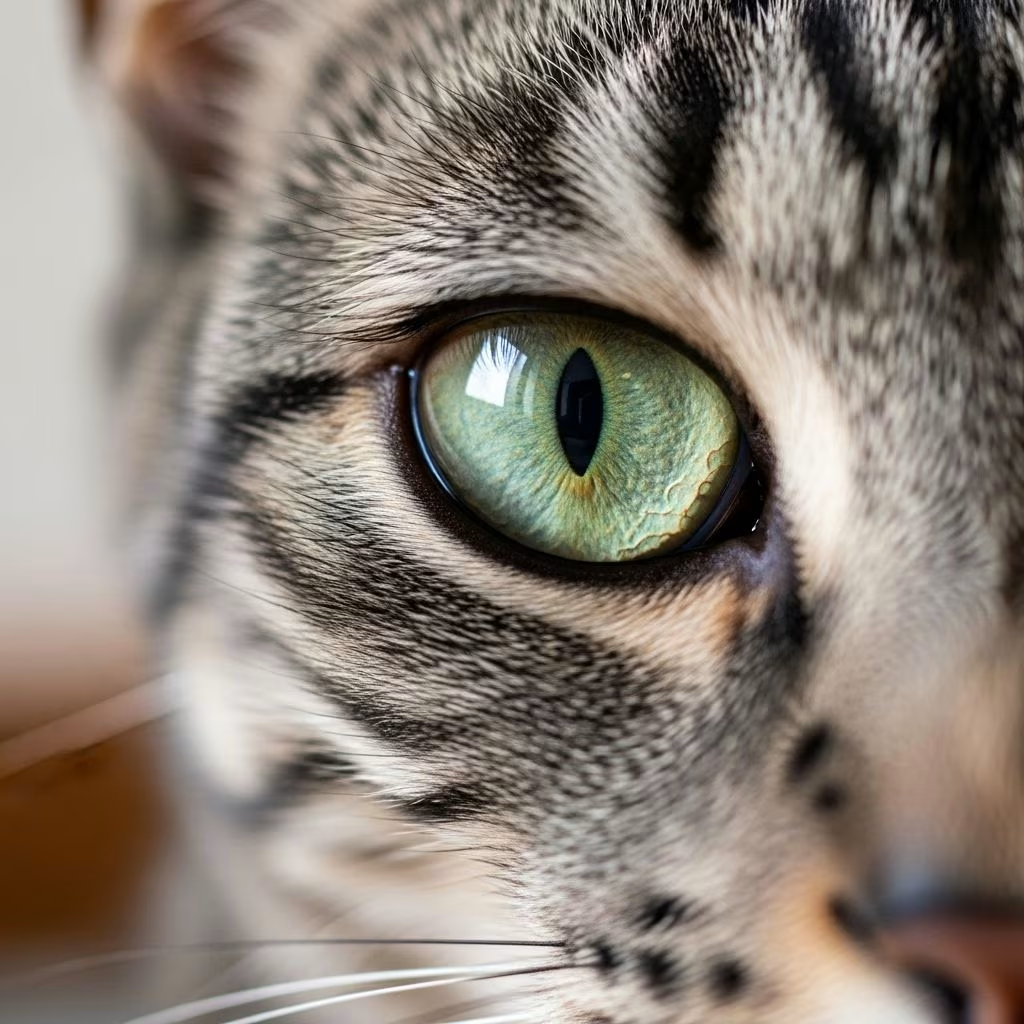
Glaucoma represents a serious threat to feline vision, characterized by dangerously elevated pressure within the eye that can damage the optic nerve and lead to irreversible blindness if not addressed promptly. This condition, though uncommon in cats compared to dogs, demands immediate veterinary attention due to its painful nature and rapid progression.
Understanding the Mechanics of Feline Glaucoma
The eye maintains balance through aqueous humor, a fluid produced by the ciliary body that nourishes eye structures and exits via drainage channels. In glaucoma, this outflow is obstructed, causing pressure buildup known as intraocular pressure (IOP), typically ranging 10-25 mmHg in healthy cats. Elevated IOP compresses the retina and optic nerve, impairing vision.
Unlike humans, where primary glaucoma dominates, felines predominantly experience secondary forms tied to underlying issues. This distinction influences prognosis and management strategies.
Primary vs. Secondary Glaucoma: Key Differences
| Type | Description | Prevalence in Cats | Common Breeds |
|---|---|---|---|
| Primary | Genetic malformation in eye drainage; starts in one eye, spreads bilaterally | Rare | Siamese, Persian, Burmese |
| Secondary | Triggered by other conditions blocking fluid drainage | Most common | All breeds |
Primary glaucoma stems from inherent anatomical flaws, making it hereditary and challenging to prevent. Secondary glaucoma, however, arises from acquired problems, offering opportunities for early intervention if the root cause is treated.
Root Causes Behind Elevated Eye Pressure
Anterior uveitis tops the list as the leading trigger for secondary glaucoma, where inflammation introduces cells and proteins that clog drainage pathways. Chronic uveitis often links to infectious agents like feline leukemia virus (FeLV), feline immunodeficiency virus (FIV), feline infectious peritonitis (FIP), or toxoplasmosis.
- Intraocular tumors: Such as diffuse iris melanoma or lymphoma, physically obstruct fluid flow.
- Lens issues: Luxation or subluxation displaces the lens, impeding outflow.
- Trauma: Injuries cause hyphaema (blood in the eye) or scarring.
- Other factors: Retinal detachment, cataracts, fungal infections, or sepsis.
These culprits highlight why routine eye exams are vital, especially for middle-aged or senior cats prone to inflammatory conditions.
Recognizing the Signs: What to Watch For
Cats excel at masking discomfort, delaying diagnosis until vision loss occurs. Behavioral shifts like increased hiding, reduced interaction, or neglected grooming signal underlying pain.
Visible ocular indicators include:
- Bulging or swollen eyeball
- Bloodshot sclera (white of the eye)
- Cloudy cornea
- Dilated pupil unresponsive to light (mydriasis)
- Excessive tearing or discharge
- Pawing at the face or squinting
- Sudden blindness, evident by bumping into objects
Acute episodes manifest explosively, marking a veterinary emergency. Chronic cases progress stealthily, underscoring the need for observant ownership.
Diagnostic Approaches for Accurate Assessment
Veterinarians employ tonometry as the cornerstone, using devices like TonoVet or TonoPen to measure IOP precisely—values over 25 mmHg confirm glaucoma.
Additional tools encompass:
- Ophthalmoscopy: Visualizes optic nerve cupping and retinal changes.
- Gonioscopy: Inspects drainage angles for blockages.
- Ultrasound: Detects tumors or lens displacement.
- Schirmer tear test: Evaluates tear production amid uveitis.
- Bloodwork: Screens for systemic infections like FeLV or FIP.
Early detection hinges on these methods, as cats’ subtle symptoms often lead to late-stage presentations.
Medical Management Strategies
Treatment prioritizes IOP reduction, pain alleviation, and addressing underlying causes. No cure exists, but interventions can stabilize or prolong vision.
Topical therapies: Dorzolamide (carbonic anhydrase inhibitor) 2-3 times daily decreases fluid production; often paired with timolol.
Systemic options: Oral NSAIDs or corticosteroids combat uveitis inflammation, tailored to the cat’s health profile.
Acute interventions: Intravenous mannitol rapidly dehydrates vitreous humor, buying time in crises.
Owner compliance proves challenging due to cats’ aversion to frequent eye medications, necessitating training or alternative delivery methods.
Surgical Interventions for Long-Term Relief
When medications falter, surgery becomes essential. Options vary by vision status:
- Vision-preserving: Cycloablation destroys ciliary body fluid production via laser or cryotherapy; drainage implants shunt fluid externally.
- Enucleation: Eye removal for blind, painful globes, allowing pain-free living—cosmetic prostheses are available.
Intraocular neoplasia may require chemotherapy or radiation alongside removal.
Post-surgical care focuses on wound healing and monitoring for complications like infection.
Life After Diagnosis: Managing Blind Cats
Many cats adapt remarkably to vision loss, relying on whiskers, hearing, and memory to navigate familiar environments. Minimize changes to furniture layout, use scent markers, and provide verbal cues during interactions.
Comfort remains paramount; untreated glaucoma inflicts migraine-like agony. Regular vet follow-ups ensure pain control and screen the fellow eye, as bilateral involvement is common.
Prevention Through Proactive Wellness
Vaccinate against FeLV and FIV, control parasites to avert toxoplasmosis, and schedule annual ophthalmic exams for at-risk breeds or seniors. Promptly treat eye infections or injuries to forestall secondary complications.
Maintaining overall health via balanced nutrition and parasite prevention indirectly safeguards ocular integrity.
Frequently Asked Questions
Is glaucoma curable in cats?
Glaucoma cannot be fully cured but can be managed to control pain and potentially save vision if caught early. Late diagnoses often shift focus to comfort.
How quickly does glaucoma progress in cats?
Acute cases blind within hours to days; chronic forms advance gradually over months.
Can my cat live normally without vision?
Yes, blind cats thrive with stable environments and supportive care.
What breeds are prone to primary glaucoma?
Siamese, Burmese, and Persians face higher risks.
Does diet influence glaucoma risk?
No direct link, but nutrition supporting immunity helps prevent underlying uveitis.
Glaucoma challenges cat owners, yet vigilant monitoring and swift action enhance outcomes. Consult veterinary ophthalmologists for specialized care.
References
- Cat Glaucoma: Symptoms & Treatment — Newtown Vets. 2022-07-15. https://www.newtownvets.com/site/blog/2022/07/15/cat-glaucoma-symptoms-treatment
- Feline Glaucoma – Animal Eye Care — Animal Eye Care. N/A. https://www.animaleyecare.com.au/advice-sheet/feline-glaucoma/
- Glaucoma in Cats: Symptoms and Treatment — Charlotte Carolina Vet. 2020-08-17. https://www.charlotte.carolinavet.com/site/charlotte-emergency-vet-blog/2020/08/17/glaucoma-in-cats-symptoms-and-treatment
- Feline Glaucoma – A Comprehensive Review — PMC (NCBI). 2012-05-24. https://pmc.ncbi.nlm.nih.gov/articles/PMC3348181/
- Glaucoma in Cats — PetMD. N/A. https://www.petmd.com/cat/conditions/eyes/c_ct_glaucoma



