
Glanders And Farcy In Dogs: What Owners Need To Know
Understanding the rare but deadly bacterial infection affecting dogs: symptoms, risks, and vital prevention measures for pet owners.
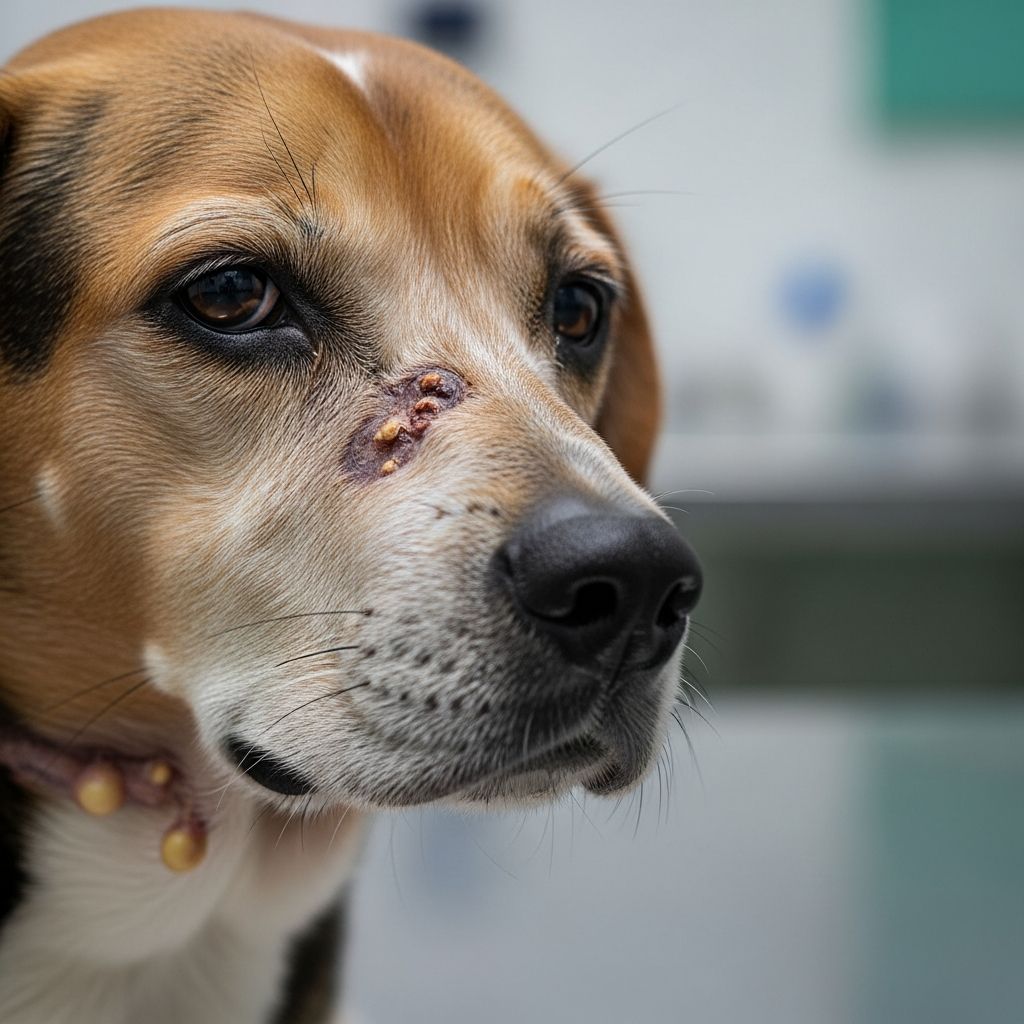
Glanders, also known as farcy in its cutaneous form, represents a highly contagious and often lethal bacterial disease primarily associated with equines but capable of affecting dogs and humans. Caused by the bacterium Burkholderia mallei, this zoonotic infection poses significant risks due to its potential for spread across species. While uncommon in dogs, understanding its implications is crucial for pet owners, especially in regions with equine populations.
The Bacterial Culprit Behind the Disease
At the heart of glanders lies Burkholderia mallei, a gram-negative, non-motile bacterium that thrives as an obligate parasite in its hosts. Unlike many pathogens, this organism lacks natural environmental reservoirs outside infected animals, relying on direct transmission for survival. In dogs, exposure typically occurs through contact with infected equines or contaminated materials, highlighting the importance of vigilance in mixed-species environments.
The bacterium invades mucous membranes, skin abrasions, or inhalation routes, establishing infection rapidly. Its ability to form biofilms and intracellular persistence makes eradication challenging, contributing to the disease’s notoriety as a potential biothreat agent historically.
How Glanders Spreads to Canine Companions
Dogs encounter B. mallei mainly via indirect contact with infected horses, mules, or donkeys. Common transmission pathways include sharing contaminated feed, water troughs, grooming tools, or stable bedding. Ingesting infected meat or nasal discharges from equines also serves as a vector, particularly for scavenging dogs.
- Direct contact with nasal or skin lesions from infected animals.
- Ingestion of tainted food or water sources.
- Inhalation of aerosolized bacteria during close proximity to symptomatic equines.
- Rarely, human-to-dog transmission from handlers exposed to cases.
Human infections, though infrequent, underscore the zoonotic danger, with close contact to discharging lesions posing the highest risk. In glanders-free countries like the US, import regulations for equines help mitigate introduction.
Recognizing Clinical Manifestations in Dogs
In canines, glanders manifests variably, mirroring patterns seen in equines but adapted to canine physiology. Acute forms lead to rapid systemic failure, while chronic cases involve persistent nodules and debilitation. Key signs include fever, lethargy, mucopurulent nasal discharge, and ulcerative skin lesions.
| Form of Disease | Primary Symptoms in Dogs | Progression |
|---|---|---|
| Nasal/Pulmonary | Thick yellow-green discharge, coughing, respiratory distress | Leads to pneumonia and sepsis |
| Cutaneous (Farcy) | Nodular lymphangitis, ulcerating abscesses on limbs/skin | Chronic drainage, lameness |
| Systemic | Fever, weight loss, lymphadenopathy, joint swelling | Fatal without intervention |
Dogs may initially show nonspecific signs like anorexia and depression, progressing to characteristic ulcerating nodules in the respiratory tract or along lymphatic channels. Chronic carriers can shed bacteria intermittently, perpetuating outbreaks.
Diagnostic Approaches for Accurate Identification
Confirming glanders in dogs demands a multifaceted strategy due to overlapping symptoms with other infections. Veterinary assessment begins with history and physical exam, noting exposure to equines. Laboratory confirmation is essential.
- Bacterial Culture: Swabs from lesions or discharges cultured on selective media.
- Serological Tests: Complement fixation or ELISA detecting antibodies.
- Molecular PCR: Rapid identification of B. mallei DNA.
- Mallein Test: Intradermal injection eliciting hypersensitivity reaction (used cautiously due to stress).
Postmortem exams reveal pyogranulomatous lesions in lungs, spleen, and lymph nodes, aiding definitive diagnosis. Early testing prevents spread.
Treatment Challenges and Outcomes
Treating glanders in dogs is fraught with difficulties. While broad-spectrum antibiotics like sulfonamides combined with streptomycin offer some efficacy in early cases, complete clearance is rare. Relapses occur due to bacterial persistence, and treatment risks fostering antibiotic-resistant strains.
Supportive care includes intravenous fluids, anti-inflammatories, and wound management, but prognosis remains poor. In most jurisdictions, euthanasia is mandated to curb zoonotic transmission and eliminate reservoirs, aligning with international standards.
Prevention Strategies for Dog Owners
Proactive measures form the cornerstone of glanders control. Isolate dogs from potentially infected equines and enforce strict biosecurity.
- Maintain separate feeding/watering stations.
- Disinfect equipment with 10% bleach or phenolic compounds.
- Vaccinate equines where available (though no licensed vaccine exists for dogs).
- Report suspicions to authorities immediately—glanders is notifiable worldwide.
Quarantine protocols demand 6+ months observation for imported equines, reducing cross-species risks.
Zoonotic Risks: Protecting Humans and Pets
As a select agent, glanders endangers humans via cutaneous, pulmonary, or septicemic routes. Lab workers and veterinarians face highest exposure. Symptoms in people mimic equine/dog cases: fever, abscesses, pneumonia. Prompt antibiotics (e.g., ceftazidime) improve survival if initiated early, but untreated fatality nears 100%.
Pet owners should wear PPE when handling suspect cases and seek medical attention for lesion exposure.
Global Epidemiology and Historical Context
Historically weaponized, glanders persists in Asia, Africa, and the Middle East, with sporadic outbreaks. Eradicated from the US in 1945 via test-and-slaughter, reintroduction risks linger via travel. Dogs serve as sentinels in endemic areas.
Recent cases highlight vigilance needs, with no vaccines available despite research efforts.
Frequently Asked Questions (FAQs)
Can dogs survive glanders?
Survival is unlikely; euthanasia is standard to prevent spread.
Is glanders contagious between dogs?
Yes, via shared contaminated items or direct contact.
How do I protect my dog from farcy?
Avoid equine contact, disinfect routinely, and monitor health.
What if I suspect glanders in my dog?
Contact a vet immediately; notify local authorities.
Is there a vaccine for dogs?
No approved vaccine exists for canines.
This comprehensive guide equips dog owners with knowledge to navigate this obscure yet grave threat. Stay informed and proactive.
References
- Glanders: An ancient and emergent disease with no vaccine — PMC. 2024. https://pmc.ncbi.nlm.nih.gov/articles/PMC12157308/
- Glanders — UC Davis School of Veterinary Medicine. 2023. https://ceh.vetmed.ucdavis.edu/health-topics/glanders
- Glanders and Farcy — DAERA-NI.gov.uk. 2022. https://www.daera-ni.gov.uk/articles/glanders-and-farcy
- Glanders (Farcy) in Dogs — Merck Veterinary Manual. 2023. https://www.merckvetmanual.com/dog-owners/disorders-affecting-multiple-body-systems-of-dogs/glanders-farcy-in-dogs
- Glanders — WOAH. 2024. https://www.woah.org/en/disease/glanders/
- Glanders Factsheet — CFSPH, Iowa State University. 2022. https://www.cfsph.iastate.edu/Factsheets/pdfs/glanders.pdf
Similar Articles








Read full bio of Sneha Tete




