

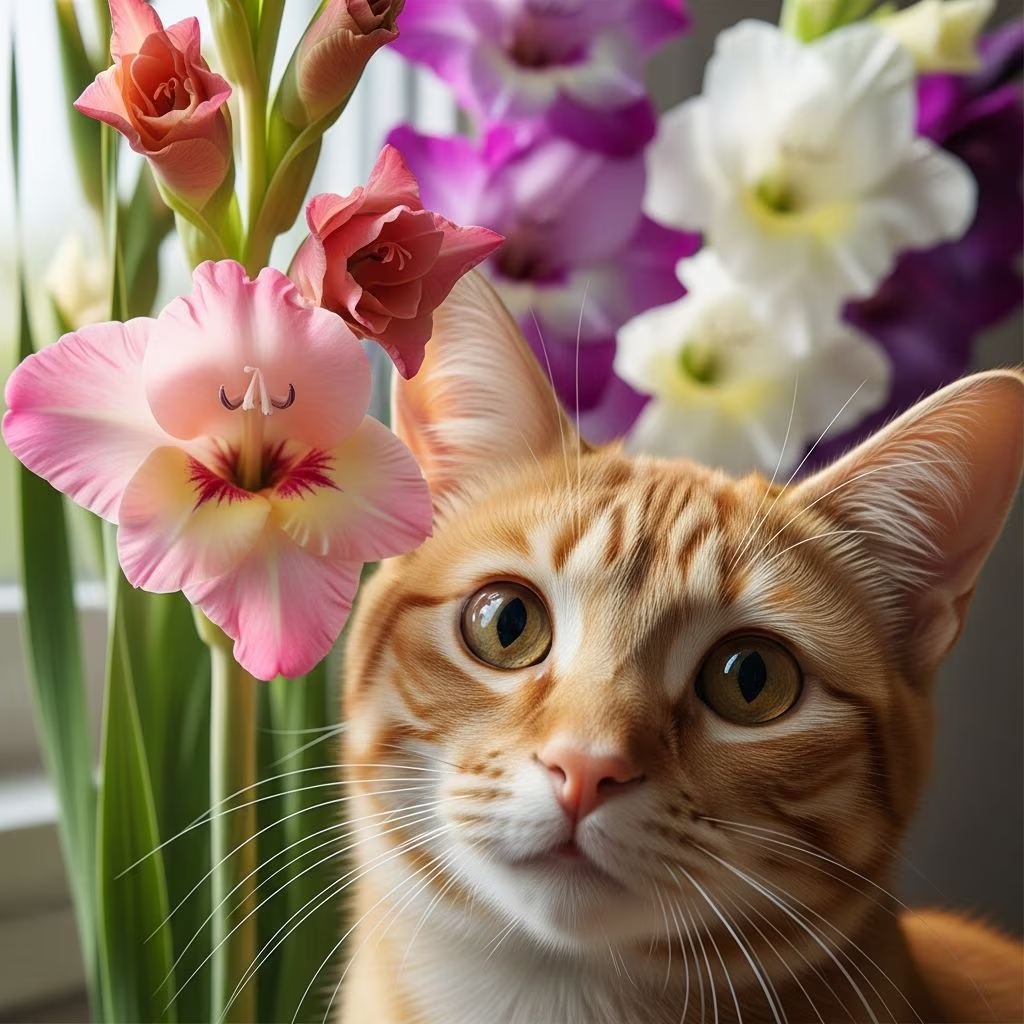
Gladiolus plants, prized for their tall spikes of vibrant blooms, harbor compounds that make them hazardous to cats. Ingestion leads to gastrointestinal distress and oral irritation, with the underground bulbs posing the greatest danger due to higher toxin concentrations.
Understanding the Hidden Dangers of Gladiolus
These popular garden perennials belong to the Iris family and contain natural irritants that affect feline physiology upon consumption. Cats may nibble on leaves, flowers, or dig up corms out of curiosity, triggering adverse reactions. While rarely lethal, the discomfort can escalate if untreated, emphasizing the need for awareness among cat guardians.
The toxin’s primary impact stems from irritants concentrated in the plant’s structure, particularly the bulbous base. Veterinary toxicology resources classify gladiolus as mildly to moderately toxic, urging prompt intervention to avert complications like dehydration or secondary issues.
Recognizing Early Warning Signs in Your Cat
Monitor for immediate indicators following potential exposure. Symptoms often emerge within hours, signaling the body’s response to the ingested material.
- Excessive drooling or salivation: Due to mouth and throat irritation.
- Vomiting: A common expulsion attempt to remove toxins.
- Diarrhea: Indicating digestive tract upset.
- Lethargy or weakness: From overall malaise and fluid loss.
- Loss of appetite: Cats may refuse food amid discomfort.
- Abdominal discomfort: Manifesting as whining or guarding the belly.
In severe cases involving large quantities, especially bulbs, watch for escalated effects like irregular heartbeat, jaundice, or bloody stools, as noted in clinical observations.
Immediate Response Steps for Suspected Ingestion
Time is critical when gladiolus exposure occurs. Act swiftly to minimize harm.
- Secure the scene: Prevent further access by removing plants or isolating your cat.
- Gently clear the mouth: Wipe away visible plant fragments without forcing.
- Observe closely: Note symptom onset and severity.
- Contact professionals: Call your vet or a pet poison hotline like ASPCA’s at (888) 426-4435 immediately.
- Avoid home remedies: Never induce vomiting unless directed by a vet, as it risks aspiration or worsening irritation.
Maintaining hydration through fresh water access supports recovery while awaiting guidance.
Veterinary Interventions for Gladiolus Exposure
Treatment protocols focus on decontamination, symptom relief, and supportive care. Vets tailor approaches based on ingestion amount and clinical presentation.
| Treatment Method | Purpose | Notes |
|---|---|---|
| Emesis induction | Expel stomach contents | Professional only; post-ingestion within 2-4 hours. |
| Activated charcoal | Bind and neutralize toxins | Single dose often sufficient; prevents absorption. |
| IV fluids | Combat dehydration | Essential for diarrhea/vomiting cases; 24-48 hours monitoring. |
| Anti-emetics & anti-diarrheals | Control GI symptoms | Reduces nausea and loose stools. |
| Mouth rinsing | Alleviate oral pain | Flushes irritants; may use soothing solutions. |
Severe instances may require bloodwork to check liver, kidney function, or cardiac status, with hospitalization for ongoing care. Most cats rebound fully with early intervention.
Why Bulbs Present the Greatest Risk
The corm, or bulb, stores the highest levels of toxic compounds, making it far more dangerous than stems or petals. Cats drawn to dig or chew these underground parts face amplified effects, potentially including cardiac irregularities or organ strain if substantial amounts are consumed.
Gardeners often overlook bulbs post-bloom, increasing accidental exposure risks during planting seasons.
Creating a Cat-Safe Outdoor Environment
Prevention surpasses reaction. Safeguard your feline by design.
- Plant strategically: Position gladiolus in fenced-off or elevated areas inaccessible to cats.
- Indoor alternatives: Opt for non-toxic ornamentals like spider plants or Boston ferns.
- Supervise play: Accompany cats in yards with mixed flora.
- Use deterrents: Citrus peels, mulch, or motion sprinklers discourage nibbling.
- Regular audits: Inspect gardens for emerging bulbs or fallen debris.
Consult ASPCA’s plant list for verified safe options before landscaping.
Cat-Friendly Floral Alternatives
Enjoy beauty without peril. These resemble gladiolus in stature or color yet pose no threat.
| Plant Name | Appeal | Safety Notes |
|---|---|---|
| Cat grass (oat or wheat) | Blade-like growth | Encourages healthy chewing; aids digestion. |
| Spider plant | Arching foliage | Non-toxic; air-purifying bonus. |
| Sunflowers | Tall stems, bright blooms | Safe seeds for treats. |
| Orchids (certain varieties) | Elegant spikes | Verify species; generally feline-friendly. |
| Petunia | Vivid colors | Low-growing, harmless option. |
These choices maintain aesthetic vibrancy while prioritizing pet well-being.
Long-Term Prognosis After Exposure
With timely care, prognosis excels. Mild cases resolve in 1-2 days; monitor for lingering effects like appetite return or stool normalization. Rare fatalities tie to massive bulb ingestion untreated, underscoring vigilance.
Post-recovery, schedule check-ups to rule out subclinical damage, especially in kittens or seniors.
Common Myths About Plant Toxicity Debunked
- Myth: Flowers alone are safe. Reality: All parts irritate, though less severely than bulbs.
- Myth: Small bites harmless. Reality: Even traces provoke symptoms in sensitive cats.
- Myth: Outdoor cats avoid gardens. Reality: Curiosity drives exploration regardless.
Frequently Asked Questions
Is gladiolus more dangerous to kittens?
Yes, smaller bodies amplify toxin impact; symptoms appear faster and stronger.
How quickly do symptoms start?
Typically 1-4 hours post-ingestion, varying by amount consumed.
Can cats recover without vet care?
Mild exposures may self-resolve, but professional evaluation prevents complications.
Are there home tests for poisoning?
No; rely on symptom observation and expert consultation.
What if my cat ate a full bulb?
Seek emergency care immediately—highest risk for severe outcomes.
Empowering Cat Owners with Knowledge
Armed with details on gladiolus hazards, you foster safer homes. Blend vigilance, smart planting, and rapid response to shield your cat from avoidable woes. Celebrate gardens that delight without endangering.
References
- Are Gladiolus Toxic to Cats? — Zoorithm. 2023. https://www.zoorithm.com/cats/are-gladiolus-toxic-to-cats
- Is Gladiolus Poisonous to Cats? Vet Reviewed Advice — Catster. 2024-05-15. https://www.catster.com/cat-health-care/is-gladiolus-poisonous-to-cats/
- Gladiola Poisoning in Cats — WagWalking. 2023-11-20. https://wagwalking.com/cat/condition/gladiola-poisoning
- Houseplants and Ornamentals Toxic to Animals — Merck Veterinary Manual. 2025-01-10. https://www.merckvetmanual.com/toxicology/poisonous-plants/houseplants-and-ornamentals-toxic-to-animals
- Toxic and Non-toxic Plants: Gladiola — ASPCA. 2024. https://www.aspca.org/pet-care/aspca-poison-control/toxic-and-non-toxic-plants/gladiola



