

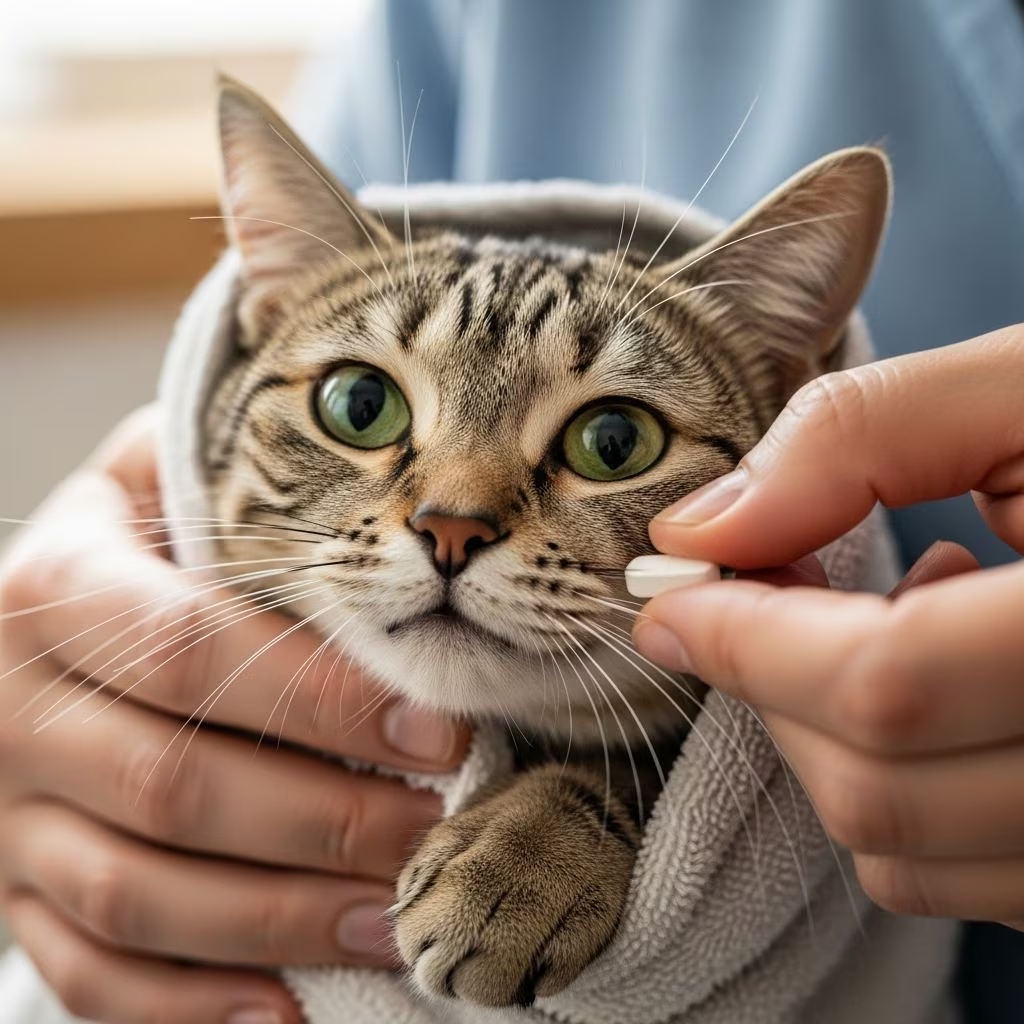
Administering medication to your cat can be one of the most challenging aspects of pet ownership, especially when that medication comes in pill form. Cats are notorious for their ability to detect foreign substances in their food and their resistance to being handled in ways they find uncomfortable. However, with the right techniques, patience, and preparation, you can successfully give your cat the medication it needs to maintain optimal health. This comprehensive guide will walk you through various methods and strategies to make the pill-giving process as smooth as possible for both you and your feline companion.
Understanding the Importance of Medication Compliance
Before exploring the methods of administering pills to cats, it’s essential to understand why proper medication adherence matters. Whether your cat requires antibiotics, pain relievers, thyroid medication, or other therapeutic drugs, consistent and correct dosing is crucial for effective treatment. Missing doses or improper administration can compromise your cat’s health and recovery. Always carefully read the prescription label and understand the dosing instructions provided by your veterinarian before attempting to administer any medication.
Method 1: Hiding Pills in Food and Treats
The most straightforward and least stressful approach to giving your cat a pill is to hide it within food or treats. This method works best for cats that are food-motivated and don’t immediately detect foreign substances in their meals. The key to success with this method is choosing the right vehicle for concealment and understanding which medications can be safely mixed with food.
Choosing the Right Food
Not all foods are equally effective for hiding pills. Wet cat food, particularly pâté varieties, works exceptionally well because of its consistency and strong odor that can mask the presence of medication. Soft treats designed specifically for this purpose, such as Feline Greenies Pill Pockets, are also excellent options. Some cats will accept pills mixed with tuna, gravy, or other strongly flavored foods. The critical factor is selecting food that your cat enjoys and that has a texture that can adequately conceal the pill.
Three Effective Techniques for Food-Based Administration
Mixed Into Food: The simplest approach involves adding some wet food to your cat’s dish and mixing the pill directly into it. However, before attempting this method, consult with your veterinarian about whether your cat’s specific medication can be safely crushed or mixed with food. Some medications lose their effectiveness or can cause harm if crushed, while others are designed to be taken whole. Never assume a pill can be crushed without professional guidance.
Formed Into a Wet Food Meatball: If mixing the pill directly into the food doesn’t appeal to you or your cat, try molding wet food into a ball and inserting the pill inside so that the medication is completely covered. This method provides more control over the exact amount of food your cat consumes and ensures the pill is fully enclosed. Present the meatball to your cat as you normally would with a treat.
The Three-Meatball Trick: For particularly suspicious cats, the three-meatball method can be highly effective. Start by creating two plain wet food meatballs and one meatball containing the hidden pill. Give your cat the first plain meatball, followed immediately by the medicated meatball, and then finish with the third plain meatball. This sequence works because your cat becomes accustomed to the meatballs and is less likely to scrutinize or spit out the medicated one in the middle. Additionally, the plain meatball afterward reinforces the positive association with the food.
Tips for Success with Food-Based Methods
Monitor your cat closely after offering the pill-containing food to ensure the entire dose is consumed. If your cat leaves food behind or spits out the pill, you cannot assume the medication was ingested. Always wait to see your cat finish the medicated portion before offering additional meals. If your cat refuses food-based medication multiple times, consult your veterinarian about alternative administration methods or whether different formulations of the medication might be available.
Method 2: Direct Oral Administration (Pilling)
When a cat’s keen sense of smell alerts it to medication hidden in food, or if dietary restrictions prevent using food-based methods, direct oral administration becomes necessary. While this technique requires more handling and can be intimidating for first-time pet owners, it is a reliable way to ensure your cat receives its full medication dose.
Essential Tools and Preparation
Before attempting direct administration, gather all necessary items within arm’s reach. You’ll need the pill itself, a pet piller (also called a feline pill popper or pill gun), and lubricant options such as butter, gravy from canned cat food, or a small piece of soft treat. A pet piller is a small plastic tube with a plunger mechanism that gently dispenses the pill into your cat’s mouth, significantly reducing the risk of accidental bites or scratches to your hands. Having an assistant present is highly recommended, as their role in keeping your cat calm and still is invaluable.
Preparing Your Cat for Direct Administration
Before you begin, remain calm and confident. Cats are intuitive animals and will pick up on your anxiety or stress, making them more resistant to the process. If possible, ask your veterinarian to demonstrate the pilling technique before you attempt it at home. This firsthand instruction can dramatically increase your confidence and success rate.
Some veterinarians recommend gently wrapping your cat in a towel to restrict movement during administration. To perform this restraint technique, lay a towel flat and place your cat in the center facing away from you. Encourage your cat to lie down with their legs tucked beneath them. Wrap one top corner of the towel around the cat’s back and tuck it near the back leg, then repeat with the other side, wrapping the corner under the cat’s body. This creates a secure wrap that leaves only the head exposed, preventing your cat from using their legs to resist while you administer the medication.
Step-by-Step Direct Administration Process
Step 1: Lubricate the Pill Coat the pill with a small amount of butter, gravy, or soft treat to make it easier for your cat to swallow and reduce irritation to the mouth and throat.
Step 2: Position Yourself and Your Assistant If you have an assistant, have them hold the cat tucked inside their arms with the cat’s back against their chest. This positioning prevents your cat from backing away during administration. The assistant should gently hold the cat’s head still by placing their hands on either side of the cat’s neck.
Step 3: Open Your Cat’s Mouth Gently tilt your cat’s head back and tip its nose upward toward the ceiling. Never attempt to open a cat’s mouth using just your hands, as this can result in accidental bites or scratches. Instead, position your fingers on either side of the cat’s jaw and apply gentle pressure to encourage the mouth to open. If using a pet piller, insert it into the corner of your cat’s mouth and gently push until the mouth opens naturally.
Step 4: Place the Pill Holding the pill between your thumb and index finger, quickly place it as far back over your cat’s tongue as possible. Aim for the back third of the tongue to stimulate an automatic swallowing reflex. The deeper into the mouth the pill travels, the less opportunity your cat has to spit it out or reject it. If using a pet piller, position it at the back corner of the mouth and move it deeper until it reaches the base of the tongue before pushing the plunger.
Step 5: Close the Mouth and Encourage Swallowing Close your cat’s mouth and hold it closed while returning the head to a normal position. Gently rub your cat’s nose or throat, or blow lightly on the nose to stimulate the swallowing reflex. Many cats will lick their nose if the pill has been successfully swallowed. Some people find that gently massaging the cat’s neck also helps facilitate swallowing.
What to Do After Administration
After administering the pill, offer your cat a small amount of food or water. Some cats have difficulty swallowing pills, and a small meal or drink afterward helps ensure the medication goes down properly and doesn’t cause discomfort. Praise your cat and provide gentle affection to create a positive association with the experience, which may make future pill administration easier.
Special Considerations and Alternative Methods
Crushed Tablets and Liquid Alternatives
Some medications can be crushed and mixed with liquid treats or administered via syringe. Only attempt this method with your veterinarian’s approval, as not all tablets are suitable for crushing. Crushed tablets can sometimes be mixed with a small amount of water or oil and drawn up into a syringe without a needle, then gently dribbled into the side of your cat’s mouth. This method requires careful handling to prevent aspiration and should only be used when appropriate for the specific medication.
Capsule Manipulation
If your cat’s medication comes in capsule form, you have additional options. The two halves of a gelatine capsule can be separated, pieces of tablet placed inside, and the halves reassembled if your veterinarian approves. Lubricating the capsule with a small amount of butter or similar substance can ease administration. Capsules can be given by hand or with a pill-giver device, and their shape sometimes makes them easier to administer than traditional pills.
Handling Difficult Cats
Some cats are particularly resistant to medication administration. If your cat is struggling, becoming distressed, or attempting to bite during the process, stop immediately and contact your veterinarian for assistance. Your vet may be able to demonstrate the technique, provide alternative medication forms, or in some cases, administer the medication during office visits. Never force medication administration if your cat is extremely resistant, as this can damage your relationship and make future medical care more difficult.
Frequently Asked Questions About Giving Pills to Cats
Q: How do I open my cat’s mouth to give them a pill without getting scratched or bitten?
A: Never use just your hands to pry open a cat’s mouth, as this significantly increases your risk of injury. Instead, gently apply pressure to the cheeks or use a pet piller, which opens the mouth safely through the side of the mouth rather than pulling it open manually.
Q: What should I do if my cat spits out the pill after I’ve given it?
A: If your cat spits out the pill, you cannot assume the medication was partially ingested. Contact your veterinarian to determine whether you should attempt administration again or wait until the next scheduled dose. Never double-dose to make up for a missed or rejected pill.
Q: Can I crush my cat’s pills to make them easier to give?
A: Not all pills can be safely crushed. Some medications are designed to be released slowly and lose their effectiveness if crushed, while others may cause harm. Always consult your veterinarian before crushing any medication.
Q: How often can I attempt to give my cat a pill before calling the vet?
A: If your cat refuses medication multiple times or shows signs of extreme stress or resistance, contact your veterinarian rather than continuing to attempt administration. Your vet can provide guidance or explore alternative solutions.
Q: Is it normal for my cat to be difficult about taking pills?
A: Yes, many cats naturally resist pill administration due to their independent nature and heightened senses. With patience, the right techniques, and positive reinforcement, most cats can learn to accept medication more readily.
Q: Should I restrain my cat using a towel wrap every time?
A: Towel wrapping is a technique to consider when your cat is particularly resistant or during your initial attempts. As your cat becomes more accustomed to the process, you may find that gentle handling without full restraint becomes possible.
Building a Successful Medication Routine
Consistency and routine significantly improve medication compliance in cats. Try to give pills at the same time each day, which helps your cat anticipate and potentially accept the experience more readily. Maintain a calm demeanor throughout the process, and never show frustration or impatience, as cats respond negatively to tense situations. After successful administration, reward your cat with affection, treats, or playtime to create positive associations with medication time.
Remember that administering medication to your cat is an essential part of their healthcare. While it may seem challenging initially, most cat owners find that their comfort level increases dramatically with practice. If you ever feel uncertain about the proper administration technique or have concerns about your cat’s response to medication, don’t hesitate to contact your veterinarian for guidance and support.
References
- How To Give a Cat a Pill: A Step-By-Step Guide — PetMD. 2025. https://www.petmd.com/cat/general-health/how-to-give-a-cat-a-pill
- How to give a cat medication — International Cat Care. 2025. https://icatcare.org/articles/how-to-give-a-cat-medication
- Giving Medicine to a Cat – Cat Owners — Merck Veterinary Manual. 2025. https://www.merckvetmanual.com/cat-owners/caring-for-cats/giving-medicine-to-a-cat
- Giving Pills to Cats — VCA Animal Hospitals. 2025. https://vcahospitals.com/know-your-pet/giving-pills-to-cats



