

Giving Liquid Medication to Dogs: A Complete Guide
Administering medication to your dog can feel intimidating, especially when it involves giving liquid treatments. However, with the right techniques and preparation, you can successfully give your dog liquid medication in the comfort of your own home. Many pet owners find that what initially seems difficult becomes routine with practice and confidence. This guide will walk you through everything you need to know about giving liquid medications to dogs.
Why Your Veterinarian May Recommend Liquid Medication
Liquid medications are commonly prescribed for dogs for various reasons. They may be easier to dose for small dogs or puppies, as precise measurements can be adjusted more easily than with pills. Some medications are only available in liquid form, and others may be prescribed as liquids because your dog has difficulty swallowing pills or has a condition that makes pill administration problematic. Your veterinarian will determine the best medication form for your dog’s specific health needs and condition.
Preparation: Setting Yourself Up for Success
Before you attempt to give your dog liquid medication, proper preparation is essential. Taking time to gather everything you need and plan your approach will make the process smoother and less stressful for both you and your dog.
Gather Your Supplies
Start by assembling all necessary items before you call your dog over. This includes:
– The liquid medication as prescribed by your veterinarian- An oral syringe (without a needle) to draw up and administer the liquid- Paper towels for cleanup, as saliva will inevitably get on your hands- Treats or rewards to give your dog before, during, and after medication- A comfortable location where you can sit or stand without tension
Read the Instructions Carefully
Before administering any medication, carefully read the prescription label and understand the dosing instructions. Note the recommended dose, frequency of administration, and any special instructions such as whether the medication should be given with food or on an empty stomach. If you have any questions about the medication or dosing, contact your veterinarian’s office before proceeding.
Warm the Medication
If your liquid medication has been stored in the refrigerator or is at room temperature but feels cool, consider warming it slightly. Cold medications can be uncomfortable for your dog and may cause them to resist taking the dose. Gently roll the container in your palms or place it in your hands for a few moments to bring it to a more comfortable temperature. You can also hold it under warm (not hot) water for a brief period. Always test the temperature on your wrist first to ensure it is not too hot.
Proper Technique for Administering Liquid Medication
The technique you use to administer liquid medication directly impacts whether your dog will accept it safely without choking or gagging. Understanding the correct positioning and method is crucial for success.
Draw Up the Medication
Using an oral syringe, carefully draw up the prescribed amount of liquid medication from the bottle. Make sure you have the correct dose before approaching your dog. Double-check the measurement on the syringe to ensure accuracy. If the medication is thick or viscous, you may need to draw it up slowly to avoid air bubbles, or you can gently tap the syringe to release them.
Position Your Dog and Yourself
Choose a comfortable location where you can work with your dog for several minutes without interruption or tension on either of you. For smaller dogs, you may be able to work on your lap, a table, or a countertop. For larger dogs, the floor may be the best option. Ensure that you have a relaxed posture and that your dog is in a calm, stable position. Anxiety on your part will be sensed by your dog, so remain as calm and confident as possible.
Position the Syringe Correctly
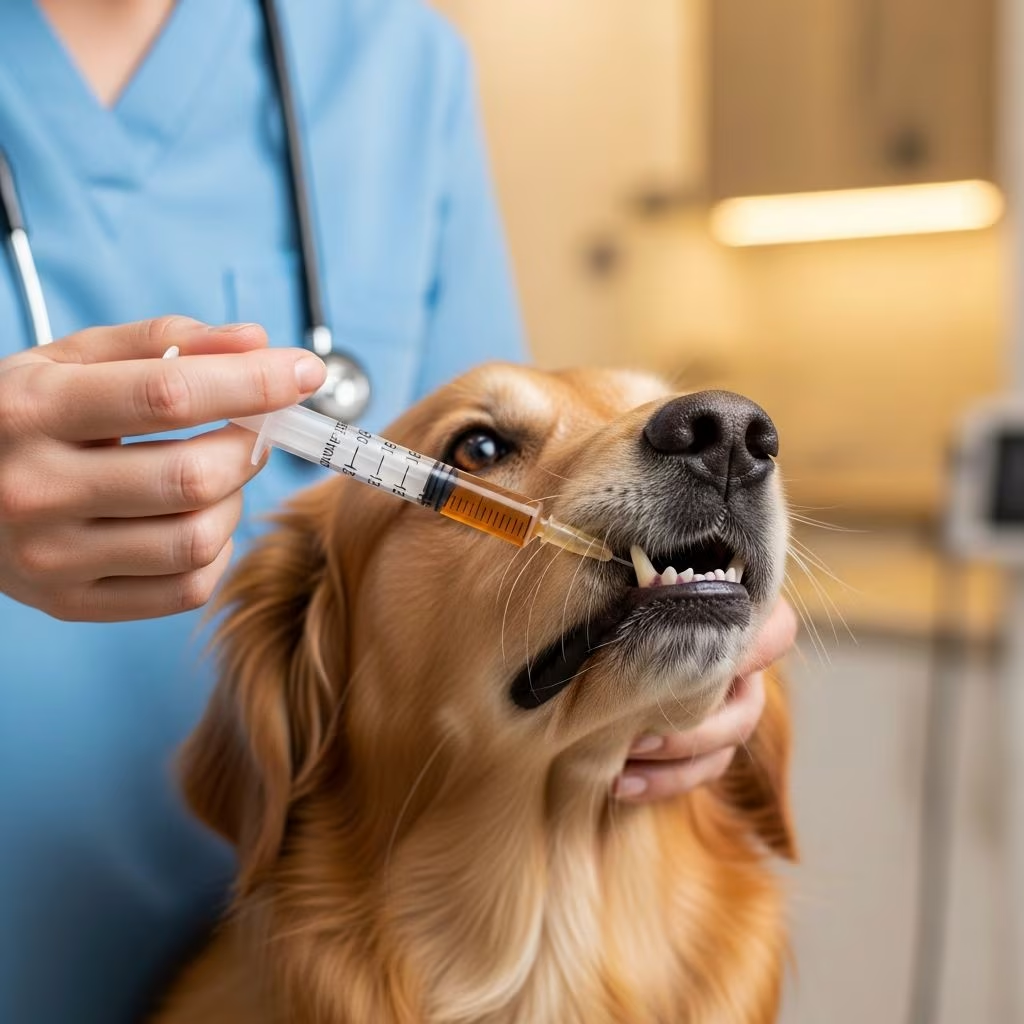
This is the most critical step for safe administration. Do not tilt your dog’s chin upward, as this can cause the liquid to go down the wrong pipe (trachea) and lead to choking or aspiration. Instead, place the syringe filled with liquid medication into the side of your dog’s mouth, just past the lower teeth. This positioning allows the medication to flow naturally into the mouth and down the esophagus without forcing your dog into an unnatural swallowing position.
Administer the Medication Slowly
Once the syringe is positioned correctly, slowly squirt small amounts of medication into your dog’s mouth. Pause between squirts to allow your dog time to swallow the medication without gagging or choking. Never try to give the entire dose at once, as this can overwhelm your dog’s swallowing reflex and lead to aspiration or vomiting. Most dogs will swallow naturally as the medication enters their mouth, but you can encourage swallowing by gently rubbing or blowing on your dog’s nose.
Keep Your Dog’s Mouth Closed
While administering the medication, gently but firmly keep your dog’s mouth closed by wrapping your fingers around the muzzle from underneath and using your thumb and fingers to hold the mouth shut. This prevents your dog from spitting out the medication before it has been swallowed. However, do not apply excessive pressure or restraint, as this can cause your dog to panic or resist more strongly.
Tips for Making Medication Time Easier
Several strategies can help make the process of giving liquid medication to your dog less stressful and more successful.
Mix the Medication with Food
If your veterinarian approves, you can try mixing the liquid medication with a small amount of highly palatable food. Canned dog food, wet food, or a special treat can mask the taste and make your dog more willing to consume the medication. However, always check with your veterinarian or pharmacist first, as some medications should not be mixed with certain foods, including dairy products or foods high in specific nutrients. Additionally, mixing with food only works if your dog will consume all of the food and thus receive the full dose.
Create a Positive Association
Help your dog associate medication time with positive experiences. Before you need to give medication, show your dog the syringe and give treats and praise. Practice handling your dog’s mouth gently during calm times so they become accustomed to this handling. During medication administration, praise your dog for cooperation and follow up with a favorite treat or reward. Over time, your dog may begin to associate medication time with something positive rather than something to fear or avoid.
Have Help Available
For some dogs, having a second person present can make medication administration easier. One person can gently restrain or comfort the dog while the other administers the medication. This is especially helpful for anxious dogs or those that are difficult to handle alone. Make sure both people remain calm and use gentle, confident handling.
Stay Calm and Confident
Dogs are perceptive animals and will pick up on your anxiety, stress, or uncertainty. Even if you are nervous about giving medication, try to project calm confidence. Speak in soothing tones, move deliberately and gently, and avoid sudden movements that might startle your dog. If you remain calm, your dog is much more likely to cooperate and accept the medication.
Safety Considerations When Handling Medications
Proper handling of medications protects both you and your dog. Always wash your hands before and after giving your pet any medication. Some medications can irritate or be absorbed through human skin, so wear gloves when handling certain medications if your veterinarian recommends this. Store medications according to package instructions—some require refrigeration while others should be kept at room temperature. Keep all medications out of reach of children and other pets. Never use expired medication, and dispose of unused medication according to your veterinarian’s instructions or local pharmacy guidelines.
Common Challenges and Solutions
Your Dog Refuses to Take the Medication
If your dog consistently refuses liquid medication, first ensure that you are using the correct technique. Try warming the medication slightly, as cold medications may be refused. Mix the medication with food if approved by your veterinarian. If your dog still refuses, contact your veterinarian to discuss alternative options, such as compounding the medication into a different form, using a pill instead, or investigating why your dog is refusing the medication.
Your Dog Gags or Chokes
Gagging or choking indicates that you may be administering the medication too quickly or that the syringe is positioned too far back in the mouth. Slow down your administration significantly, giving only tiny amounts at a time. Reposition the syringe to the side of the mouth just past the lower teeth rather than far back in the throat. If choking persists, stop and consult your veterinarian about alternative administration methods.
Your Dog Spits Out the Medication
If your dog repeatedly spits out the medication, keep the muzzle closed more firmly after administering each small squirt. Try breaking the dose into even smaller portions. You may also try mixing the medication with a more appealing food or asking your veterinarian if the medication can be given in pill form or compounded into a different preparation.
When to Contact Your Veterinarian
Contact your veterinarian if you experience any of the following: your dog vomits after receiving medication, shows signs of choking or difficulty breathing, develops an allergic reaction such as swelling or difficulty breathing, consistently refuses the medication, or if you have questions about proper administration technique. Your veterinarian may be able to provide additional guidance, demonstrate the technique in person, or recommend alternative medication forms.
Frequently Asked Questions
Q: Can I give liquid medication with my dog’s regular food?
A: You can mix liquid medication with food if your veterinarian approves. However, ensure your dog will consume all the food to receive the full dose. Some medications interact with certain foods, so always confirm with your veterinarian first.
Q: How do I know if my dog aspirated medication into the lungs?
A: Signs of aspiration include coughing, difficulty breathing, wheezing, or changes in breathing patterns that appear shortly after medication administration. Contact your veterinarian immediately if you suspect aspiration.
Q: What should I do if I give too much medication by mistake?
A: Contact your veterinarian or animal poison control center immediately if you accidentally administer more than the prescribed dose. Do not wait to see if symptoms develop.
Q: Can I refrigerate liquid medications?
A: Storage depends on the specific medication. Check your prescription label for storage instructions. Some medications should be refrigerated, while others must be kept at room temperature. Ask your pharmacist if unsure.
Q: How long can I leave an open bottle of liquid medication?
A: This varies by medication. Check your prescription label for the expiration date once opened. Do not use medication beyond the expiration date provided by your pharmacist.
References
- Giving Your Dog Oral Medications — Cornell University College of Veterinary Medicine. 2024. https://www.vet.cornell.edu/hospitals/pharmacy/consumer-clinical-care-guidelines-animals/giving-your-dog-oral-medications
- Safe Handling of Medications at Home — VCA Animal Hospitals. 2024. https://vcahospitals.com/know-your-pet/safe-handling-of-medications-at-home
- Giving Pills to Dogs — VCA Animal Hospitals. 2024. https://vcahospitals.com/know-your-pet/giving-pills-to-dogs



