

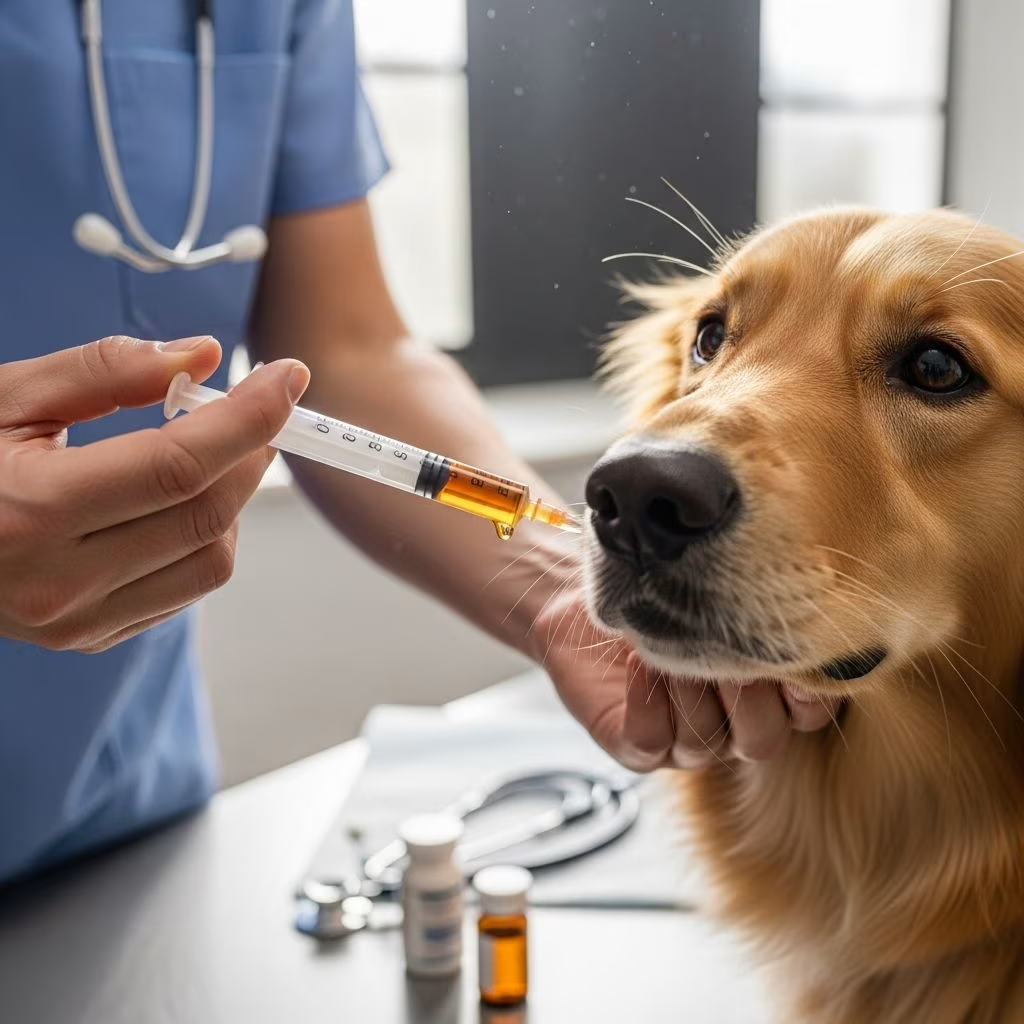
Giving Liquid Medication to Dogs: A Complete Guide
Administering medication to your dog can feel daunting, especially if you’re doing it for the first time. However, giving liquid medication to dogs is a manageable task when you understand the proper technique and follow a systematic approach. Whether your veterinarian has prescribed antibiotics, pain relief, or other liquid medications, this comprehensive guide will walk you through every step of the process to ensure your dog receives their medication safely and effectively.
Why Your Veterinarian Prescribes Liquid Medications
Liquid medications are commonly prescribed for dogs for several important reasons. They are often easier to dose accurately, particularly for small dogs or puppies where precise dosing is critical. Liquid formulations also allow for more flexible dosing adjustments based on your dog’s weight or changing medical needs. Additionally, some dogs have difficulty swallowing pills or tablets, making liquid medication the preferred alternative. Your veterinarian will recommend liquid medication when it best suits your dog’s specific health condition and individual needs.
Preparing Your Dog and Yourself
Before you begin administering liquid medication, proper preparation is essential for success. Start by creating a calm, quiet environment free from distractions. This helps your dog remain relaxed and makes the process smoother for both of you. Gather all necessary supplies before you bring your dog to the medication area, as this prevents delays and maintains your dog’s focus.
Take a moment to review the medication label and understand the exact dosage prescribed by your veterinarian. Check the expiration date and verify that the medication has been stored according to instructions. If the medication requires warming or has specific storage requirements, address these before administration. Your composure matters significantly—dogs can sense anxiety, so approach the task with confidence and a positive attitude.
Step-by-Step Administration Process
Drawing Up the Medication
Begin by carefully drawing the prescribed amount of liquid medication into an oral syringe. An oral syringe is specifically designed for administering medications to pets and provides accurate dosing. Remove the plunger from the syringe, place the tip into the medication bottle, and slowly pull back on the plunger to draw up the correct amount. Double-check the dosage before proceeding. If your medication comes with a dropper instead of requiring a syringe, ensure the dropper is clean and calibrated for accurate measurement.
Positioning Your Dog
Choose a comfortable position for both you and your dog. For smaller dogs, you might sit on the floor with your dog between your legs or on your lap. For larger dogs, standing beside them or having them sit in front of you works well. The key is finding a position where you can control your dog gently while still having both hands free to administer the medication. Ensure your dog cannot easily back away or escape during the process.
Opening Your Dog’s Mouth
Gently grasp your dog’s muzzle from above by placing your thumb behind the canine teeth on one side of the upper jaw and your fingers on the other side. Apply gentle, steady pressure to encourage your dog to open their mouth. You don’t need to force the mouth wide open—just enough to access the side of the mouth comfortably. Use your other hand to slightly pull down on the lower jaw if needed, but avoid being rough or causing discomfort.
Administering the Liquid
This is the critical step where technique matters most. Do not tilt your dog’s chin upward, as this can cause choking or aspiration. Instead, place the filled syringe into the side of your dog’s mouth, just past the lower teeth. This position allows the medication to flow naturally into the throat without forcing it down. Slowly squirt small amounts of medication into the mouth, pausing between squirts to allow your dog to swallow comfortably. Never squirt the entire dose at once, as this increases the risk of gagging, coughing, or the medication being spit out.
Encouraging Swallowing
After each small squirt, allow your dog time to swallow naturally. Gently rubbing or blowing lightly on your dog’s nose can stimulate the swallowing reflex if necessary. Once you’ve administered the full dose, gently lower your dog’s head and keep their mouth closed by wrapping your fingers around their muzzle. This position encourages swallowing and prevents the medication from being spit back out. Continue holding for a few seconds after the dose is complete to ensure the medication has been swallowed.
Techniques for Resistant Dogs
Using Food as a Disguise
If your dog resists taking liquid medication directly, you may be able to hide it in food. However, always check with your veterinarian or pharmacist first, as some medications cannot be mixed with certain foods or must be taken on an empty stomach. For compatible medications, small pieces of meat, bread, cheese, or peanut butter can effectively mask the taste. Apply a small amount of the medication to the food item and offer it as a treat. Follow up with a regular treat or meal to ensure the medication-containing food is swallowed.
Positive Reinforcement
Use a happy, encouraging voice throughout the medication administration process. Praise your dog immediately after successfully taking their medication. Offering treats or extra attention helps your dog associate medication time with positive experiences. Over time, this positive conditioning makes future doses easier to administer.
Creating a Routine
Establish a consistent time and location for giving medication. Dogs thrive on routine, and knowing what to expect can reduce anxiety. If you must give medication multiple times daily, maintaining the same schedule and method helps your dog adjust more quickly.
Important Safety Considerations
Hygiene and Personal Protection
Wash your hands before and after administering any medication to your dog. Some medications can irritate or be absorbed through human skin, so consider wearing gloves when handling certain pharmaceuticals. This protects both you and your dog from potential harmful exposure. After administration, wash your hands thoroughly to remove any residual medication.
Preventing Medication Contamination
Keep medications stored in a cool, dry place away from direct sunlight unless otherwise directed by your veterinarian. Never store medications in the refrigerator unless specifically instructed to do so. Keep all medications out of reach of children and other pets to prevent accidental ingestion. Store medications in their original containers with labels intact for easy identification and dosage verification.
Monitoring for Adverse Reactions
After administering medication, observe your dog for any unusual symptoms or adverse reactions. Common side effects might include mild nausea, decreased appetite, or changes in behavior. If your dog exhibits severe symptoms such as vomiting, difficulty breathing, excessive drooling, or unusual letharness, contact your veterinarian immediately. Always report any concerns to your veterinary team rather than stopping medication without guidance.
Troubleshooting Common Problems
Your Dog Spits Out the Medication
If your dog consistently spits out liquid medication despite your best efforts, don’t force the issue. Instead, contact your veterinarian to discuss alternatives. They may recommend a different formulation, such as a pill or tablet, or suggest a different administration technique. Some medications can be mixed with specific foods to improve compliance. Your veterinary team can work with you to find a solution that works for your individual dog.
Your Dog Refuses to Cooperate
Some dogs are naturally resistant to any form of medication administration. If your dog becomes extremely stressed or aggressive during medication time, stop and consult your veterinarian. They may recommend pre-medicating with anti-anxiety medication, adjusting the administration technique, or exploring alternative medication forms. Never force medication in a way that causes injury or excessive stress to your dog.
Medication Taste Issues
Many liquid medications have an unpleasant taste that dogs naturally resist. Ask your veterinarian if the medication can be flavored or if a different formulation with better taste is available. Some compounding pharmacies can add flavoring agents to make medications more palatable. Never add unauthorized flavorings or additives without veterinary approval, as some substances can interfere with medication effectiveness.
Medication Storage and Handling Tips
Proper storage extends medication shelf life and maintains effectiveness. Follow all storage instructions provided by your pharmacist or printed on the medication label. Most liquid medications should be stored at room temperature away from heat and moisture. Never store medications in bathrooms where humidity levels fluctuate. If your medication requires refrigeration, keep it in a clearly labeled container separate from food items. Before each use, check the medication’s appearance—if it appears discolored, cloudy, or has separated into layers unexpectedly, contact your pharmacist before administering it to your dog.
Frequently Asked Questions
Q: Can I mix liquid medication with my dog’s regular food or water?
A: This depends on the specific medication. Some medications must be taken on an empty stomach or cannot be mixed with food, while others can be added to small amounts of food. Always consult your veterinarian or pharmacist before mixing medication with anything, as this can affect absorption and effectiveness.
Q: What should I do if I accidentally give my dog too much medication?
A: Contact your veterinarian or an emergency veterinary clinic immediately. Provide them with the medication name, the amount given, and the time of administration. They can advise you on whether treatment is necessary and monitor your dog for any adverse effects.
Q: How long does it typically take to administer liquid medication?
A: The entire process usually takes 2-5 minutes, depending on your dog’s cooperation and the volume of medication being given. Never rush the process, as taking time to administer medication slowly and carefully reduces the risk of complications.
Q: Can I stop giving medication early if my dog seems better?
A: No. Always complete the full course of medication as prescribed by your veterinarian, even if your dog appears to be improving. Stopping medication prematurely can lead to incomplete treatment, relapse of symptoms, or in the case of antibiotics, development of antibiotic resistance.
Q: What if my dog has difficulty swallowing?
A: If your dog shows signs of difficulty swallowing, such as repeated attempts to swallow, drooling, or coughing, stop administering medication and contact your veterinarian. This could indicate an underlying health issue that requires evaluation before continuing medication administration.
Q: Are there any supplements or medications that interact with my dog’s prescribed liquid medication?
A: Potentially yes. Always inform your veterinarian of any supplements, vitamins, or other medications your dog is taking, as some combinations can reduce effectiveness or cause adverse interactions.
References
- Giving Your Dog Oral Medications — Cornell University College of Veterinary Medicine. Accessed 2025. https://www.vet.cornell.edu/hospitals/pharmacy/consumer-clinical-care-guidelines-animals/giving-your-dog-oral-medications
- Safe Handling of Medications at Home — VCA Animal Hospitals. Accessed 2025. https://vcahospitals.com/know-your-pet/safe-handling-of-medications-at-home
- Giving Pills to Dogs — VCA Animal Hospitals. Accessed 2025. https://vcahospitals.com/know-your-pet/giving-pills-to-dogs



