

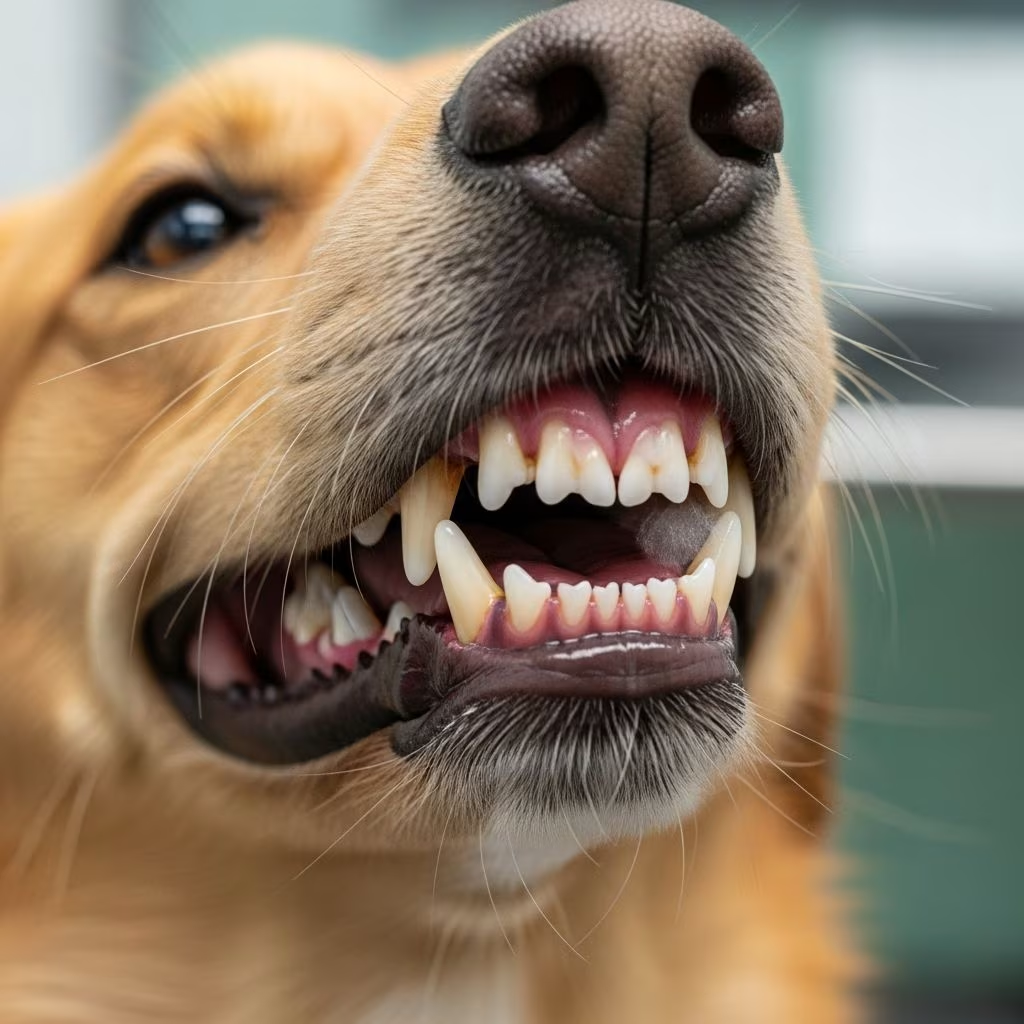
Dental health is a critical aspect of your dog’s overall well-being, yet many pet owners overlook signs of oral disease until the condition becomes severe. Two common oral conditions affecting dogs are gingivitis and stomatitis. While both involve inflammation of the mouth’s soft tissues, they differ in severity and scope. Gingivitis is localized inflammation along the gumline, whereas stomatitis represents a more widespread inflammatory condition affecting the tongue, gums, palate, and throat tissues. Understanding these conditions, recognizing their clinical signs, and implementing appropriate treatment protocols can significantly improve your dog’s quality of life and prevent serious complications.
What is Gingivitis in Dogs?
Gingivitis is inflammation of the gums, characterized by redness and swelling along the gumline where the gum contacts the tooth. This condition is often the earliest stage of dental disease and is reversible with proper treatment and home care. Gingivitis develops when plaque—a sticky film of bacteria—accumulates on tooth surfaces and isn’t removed through regular cleaning. If left untreated, gingivitis can progress to more serious periodontal disease and eventually to stomatitis.
The primary cause of gingivitis is the buildup of plaque and tartar on the teeth. Without regular brushing and professional cleanings, these deposits accumulate beneath the gumline, creating an environment where bacteria thrive. Additionally, certain systemic infections and traumatic injuries to the mouth can contribute to gum inflammation.
Understanding Stomatitis in Dogs
Stomatitis is a more serious condition than gingivitis, involving widespread irritation and ulceration of the tongue, gums, back of the throat, and palate. This condition is significantly more painful than gingivitis and can severely impact a dog’s ability to eat, drink, and maintain normal oral hygiene. Stomatitis often develops as a progression from untreated gingivitis or can occur secondary to systemic conditions, allergies, or immune disorders.
The severity of stomatitis can vary widely among dogs. Some cases respond well to aggressive dental treatment and home care, while others become chronic, requiring ongoing management strategies. Understanding the underlying causes is essential for developing an effective treatment plan tailored to your individual dog’s needs.
Clinical Signs of Gingivitis and Stomatitis
Signs of Gingivitis
Gingivitis presents with several recognizable signs that should prompt veterinary evaluation:
– Red, swollen, and bleeding gums- Bad breath (halitosis)- Bleeding when teeth are brushed- Discomfort or pain while eating- Change in drooling patterns- Loss of appetite- Pawing at the mouth- Unkempt haircoat due to difficulty self-grooming- Behavioral changes or increased irritability
Early detection of these signs is crucial because gingivitis is highly responsive to professional treatment and preventive care. Many owners mistake bad breath as a normal characteristic of their dog’s breed, when in fact it often indicates underlying dental disease.
Signs of Stomatitis
Stomatitis presents with more severe and widespread symptoms than gingivitis:
– Severe bad breath- Excessive drooling and pus-like oral discharge- Red, ulcerated, and raw tissue inside the mouth- Bleeding gums that bleed easily- Sores on the gums and throughout the mouth- Significant pain, causing the dog to paw at their face- Reluctance to open the mouth- Loss of appetite and weight loss- Difficulty chewing and reluctance to chew on toys- Ulcerations on cheek areas that contact teeth (“kissing lesions”)- Abnormal chewing movements and eating difficulties- Oral hemorrhage
Dogs with stomatitis often exhibit behavioral changes due to pain, including decreased social interaction, reluctance to play, and signs of general discomfort. The severity of these symptoms underscores the urgent need for professional veterinary intervention.
How Are Gingivitis and Stomatitis Treated?
Professional Dental Treatment
The cornerstone of treating both gingivitis and stomatitis is professional dental treatment performed under general anesthesia. This approach allows the veterinarian to conduct a thorough oral assessment and cleaning that cannot be safely or effectively accomplished while the dog is awake.
The professional dental cleaning process involves several essential steps:
– Complete oral health assessment under general anesthesia- Gross calculus (tartar) removal from visible tooth surfaces- Ultrasonic scaling to remove plaque and tartar deposits- Subgingival cleaning beneath the gumline to remove accumulated plaque and tartar- Polishing of tooth surfaces to smooth the enamel and reduce future plaque attachment- Gingival sulcus irrigation with antimicrobial solutions- Thorough oral examination including periodontal probing- Dental radiographs to assess the health of individual teeth and bone structures- Extraction of loose, broken, or severely diseased teeth
Post-Professional Treatment Care
Following professional dental cleaning for gingivitis, the inflammation can subside relatively quickly. However, maintaining oral health requires consistent effort. Many dogs need professional cleanings regularly to maintain their dental health and prevent recurrence.
For stomatitis treatment, the approach is more comprehensive. Beyond professional cleaning and polishing, treatment must address the underlying cause of the problem, if one can be identified. Additional therapeutic interventions may include:
– Prescription antibiotics to combat bacterial infections- Anti-inflammatory medications to reduce pain and swelling- Pain management medications, including NSAIDs and opioids for severe cases- Topical anesthetics and oral rinses to soothe inflamed tissue- Corticosteroids or cyclosporine in cases that don’t improve with standard treatment- Barrier sealants to help reduce plaque buildup- CO2 laser ablation therapy for resistant cases- Experimental stem cell therapy in select cases
Tooth Extraction
In severe or rapidly recurring cases of stomatitis, removal of some or all teeth may be necessary to provide your dog with a pain-free mouth. While tooth extraction might seem extreme, dogs adapt remarkably well to life without teeth, particularly when extraction eliminates chronic oral pain and discomfort. Dogs are able to eat comfortably with soft food after extractions, and quality of life often improves dramatically.
Home Care and Management
Professional treatment is only the beginning of addressing gingivitis and stomatitis. Long-term success depends significantly on consistent home care protocols established specifically for your dog’s needs.
Daily Oral Hygiene Routine
The following home care practices help maintain oral health and prevent disease progression:
– Daily tooth brushing with veterinary-approved toothpaste- Antibacterial oral rinses to reduce inflammation and bacterial load- Soft diet or prescription dental food to minimize discomfort while eating- VOHC-approved dental chews and water additives for additional plaque control- Regular mouth inspections to monitor for new signs of disease
Tooth brushing is the gold standard for maintaining oral health. Ideally, brushing should occur daily, though even several times per week provides significant benefits compared to no brushing. Use a soft-bristled toothbrush and enzymatic dog toothpaste, as human toothpaste can be harmful to dogs.
Dietary Considerations
Diet plays an important role in managing oral disease. Soft foods may be advisable during acute phases of stomatitis when pain is severe, preventing normal eating patterns. Some dogs benefit from prescription dental diets formulated to support oral health through their texture and composition. These diets are designed to provide mechanical cleaning action while remaining comfortable to eat.
Professional Monitoring
Dogs with stomatitis require more frequent professional evaluations than those with simple gingivitis. The cleaning schedule for a dog with stomatitis should be every 3 to 4 months to help reduce the chances of flare-ups and maintain plaque control. Regular veterinary dental evaluations and treatment keep your dog’s mouth healthy and comfortable.
Prognosis for Gingivitis and Stomatitis
Prognosis for Gingivitis
The prognosis for gingivitis is excellent, provided you follow your veterinarian’s instructions carefully. Dogs benefit tremendously from professional oral assessment and treatment combined with a consistent home care routine. With appropriate intervention in the early stages, gingivitis is highly reversible, and most dogs return to normal oral function and comfort.
The key to maintaining this positive prognosis is consistency with home care and adherence to recommended professional cleaning schedules. Dogs that receive regular dental attention rarely progress to more serious periodontal disease or stomatitis.
Prognosis for Stomatitis
The prognosis for stomatitis varies depending on the specific situation and underlying causes. However, even dogs requiring full tooth extraction tend to do very well, with many showing immediate improvement in comfort and quality of life following the procedure. Dogs can eat, drink, and function normally without teeth, particularly when appropriate dietary adjustments are made.
If an underlying cause such as allergy or systemic infection is identified and treated, recovery is usually successful. Stomatitis is considered a lifelong condition requiring ongoing management, but with proper care, most dogs achieve significant improvement in comfort and quality of life.
Frequently Asked Questions
Q: Can gingivitis be prevented in dogs?
A: Yes, gingivitis can largely be prevented through regular home care including daily tooth brushing, appropriate diet, dental chews, and periodic professional cleanings. Early intervention at the first signs of gum inflammation can prevent progression to more serious disease.
Q: Will my dog need general anesthesia for dental cleaning?
A: Yes, general anesthesia is necessary for proper professional dental cleaning in dogs. This allows the veterinarian to safely and thoroughly clean beneath the gumline, take dental radiographs, and evaluate each tooth’s health. Cleaning without anesthesia is insufficient and potentially stressful for the dog.
Q: How long does recovery take after dental treatment or extraction?
A: Recovery from dental cleaning typically takes a few days to a week. Extraction recovery varies but generally takes 7-14 days for initial healing, with complete healing taking several weeks. Dogs that require full mouth extraction need home care, a quiet environment, and dietary modifications during recovery.
Q: Can my dog eat normally after tooth extraction?
A: Yes, dogs can eat normally after healing from tooth extraction. Soft or wet food is typically recommended during the initial recovery period, but dogs adapt well and can eventually eat most foods without teeth, crushing food using their tongue and palate instead.
Q: Is stomatitis painful?
A: Yes, stomatitis is exceedingly painful. The priority of veterinary treatment is to get your pet’s discomfort under control so they can eat and drink normally again. Pain and anti-inflammatory medications are typically prescribed as part of the treatment plan.
Q: How often should a dog with stomatitis have professional cleanings?
A: Dogs with stomatitis typically require professional dental cleanings every 3 to 4 months, compared to once or twice yearly for dogs with gingivitis or healthy teeth. This more frequent schedule helps manage plaque buildup and prevents disease flare-ups.
Conclusion
Gingivitis and stomatitis represent significant oral health challenges for dogs, but with appropriate professional treatment and consistent home care, most dogs achieve excellent outcomes. The key to success is early recognition of clinical signs, prompt professional intervention, and long-term commitment to oral hygiene. Routine dental evaluation and treatment by your veterinarian will keep your dog’s mouth healthy and comfortable, preventing progression to serious disease and maintaining quality of life. If you notice any signs of oral disease in your dog, contact your veterinarian promptly for evaluation and treatment recommendations.
References
- Gingivitis and Stomatitis in Dogs — VCA Animal Hospitals. 2024. https://vcahospitals.com/know-your-pet/gingivitis-and-stomatitis-in-dogs
- Dog Stomatitis, Gingivitis, and Gum Care — ASPCA Pet Insurance. 2024. https://www.aspcapetinsurance.com/resources/dog-stomatitis-gingivitis-and-gum-care/
- Stomatitis in Dogs — PetMD. 2024. https://www.petmd.com/dog/conditions/mouth/c_multi_stomatitis
- Diagnosing and Treating Chronic Ulcerative Paradental Stomatitis — DVM 360. 2024. https://www.dvm360.com/view/dental-corner-diagnosing-and-treating-chronic-ulcerative-paradental-stomatitis
- Stomatitis in Dogs – Causes, Treatment and Associated Conditions — Vetster. 2024. https://vetster.com/en/conditions/dog/stomatitis
- Coping with Canine Plaque-Reactive Stomatitis: Managing Chronic Oral Pain — North Bay Veterinary Dentistry. 2024. https://northbayvetdentist.com/coping-with-canine-plaque-reactive-stomatitis-managing-chronic-oral-pain/
- Treating Canine Gingivitis: Best Dental Care Practices for Pet Owners — Deltona Veterinary. 2024. https://www.deltonavet.com/pet-dentistry-in-deltona-fl/treating-canine-gingivitis-best-dental-care-practices-for-pet-owners/



