

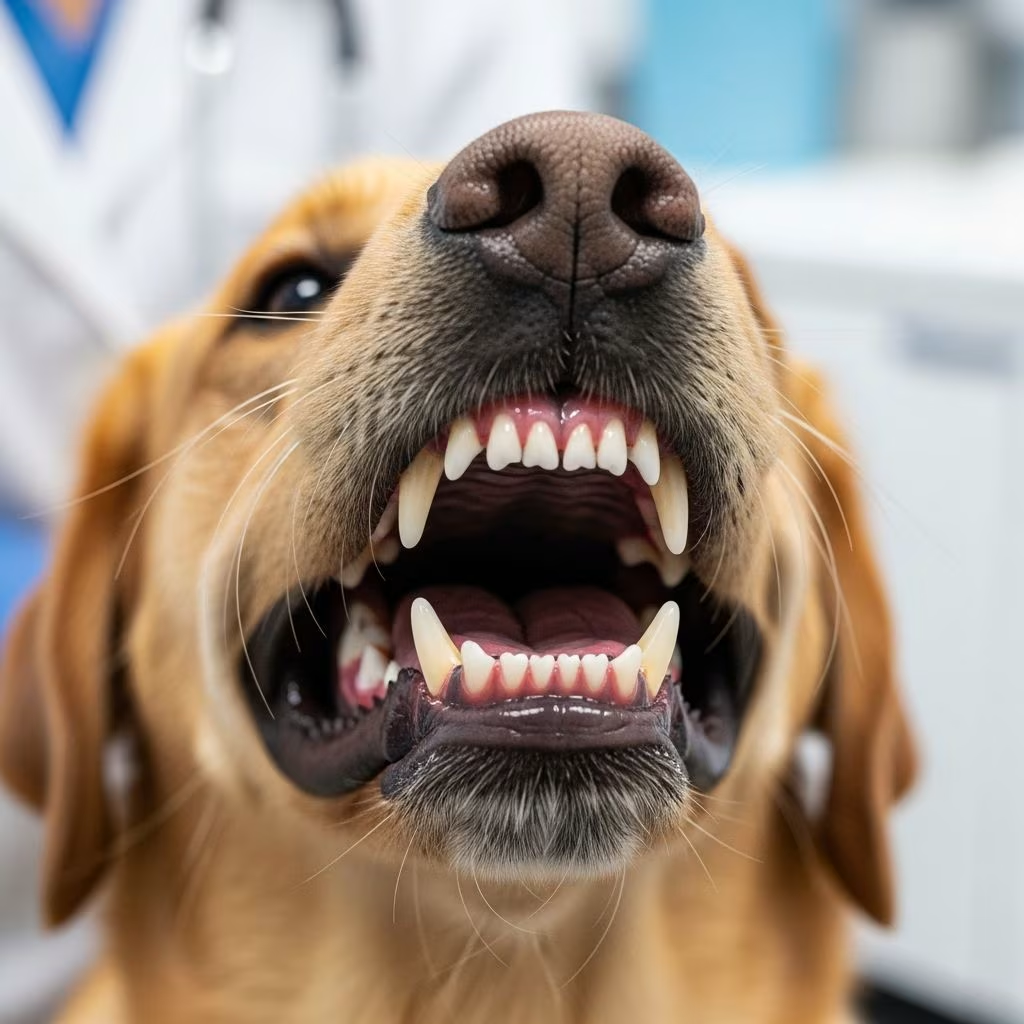
Understanding Gingivitis and Stomatitis in Dogs
Oral health is a critical component of your dog’s overall well-being, yet many pet owners overlook dental issues until serious problems develop. Two common conditions that affect canine oral health are gingivitis and stomatitis. While these conditions can be painful and uncomfortable for your dog, understanding their causes, recognizing early symptoms, and seeking prompt veterinary care can significantly improve your pet’s quality of life.
Gingivitis is inflammation that occurs along the gumline where the gum contacts the tooth, characterized by redness and swelling in this sensitive area. Stomatitis, a more severe condition, refers to widespread irritation and ulceration throughout the soft tissues inside the mouth, including the tongue, gums, back of the throat, and palate. Both conditions require professional veterinary attention to prevent further complications.
What is Gingivitis in Dogs?
Gingivitis represents the early stage of periodontal disease and is one of the most common dental problems affecting dogs today. This inflammatory condition develops when plaque and tartar accumulate along the gumline, triggering an immune response that causes swelling and irritation. Unlike the more severe stomatitis, gingivitis is confined to the gingival tissues and, if caught early, can often be reversed with appropriate treatment and home care.
The progression from healthy gums to gingivitis is gradual. Initially, plaque—a sticky biofilm composed of bacteria, food particles, and saliva—forms on tooth surfaces. If plaque is not removed regularly through brushing, it hardens into tartar (calculus), which cannot be removed by home care alone. This accumulation triggers inflammation as the body’s immune system responds to the bacterial invasion.
What is Stomatitis in Dogs?
Stomatitis is a more serious condition than gingivitis, involving inflammation and ulceration of multiple tissues throughout the oral cavity. This painful condition extends beyond the gumline to affect the tongue, cheeks, throat, and palate. Stomatitis can develop as a progression of untreated gingivitis or may arise from other underlying causes such as allergic reactions, immune system disorders, or viral infections.
Stomatitis is exceedingly painful, which significantly impacts a dog’s ability to eat, drink, and maintain normal grooming behaviors. The severity of stomatitis can range from mild inflammation to severe ulceration with bleeding and discharge. Without proper intervention, this condition can lead to serious complications including nutritional deficiencies, weight loss, and secondary infections.
Clinical Signs and Symptoms
Signs of Gingivitis
Recognizing the early signs of gingivitis is crucial for preventing progression to more severe oral disease. The most noticeable clinical signs of gingivitis include:
– Red, swollen gums along the tooth line- Bleeding gums when teeth are brushed or during chewing- Persistent bad breath (halitosis)- Behavioral changes such as reluctance to play or eat- Discomfort or sensitivity while eating- Changes in drooling patterns- Unkempt haircoat due to inability or reluctance to self-groom
Many dogs with gingivitis experience pain that makes self-grooming difficult or impossible, resulting in a noticeably unkempt appearance of their coat. Some dogs may paw at their mouths or show signs of oral discomfort during meals.
Signs of Stomatitis
Stomatitis presents with more severe and widespread symptoms than gingivitis. Dog owners should watch for the following clinical signs:
– Severe bad breath (sometimes overwhelming)- Excessive drooling- Blood or pus-like discharge from the mouth- Visible ulceration of the tongue and gums- Red, raw, bleeding tissue inside the mouth- Loss of appetite or complete refusal to eat- Significant weight loss- Difficulty eating or reluctance to open the mouth- Pawing at the face or mouth- Chattering jaw movements- Abnormal or unusual chewing behavior- Refusing to chew toys or hard food- “Kissing lesions”—ulcerations on cheek areas that contact teeth
If your dog exhibits any of these symptoms, it is essential to schedule a veterinary examination promptly, as stomatitis is extremely painful and can quickly worsen without professional treatment.
Causes of Gingivitis and Stomatitis
Primary Causes of Gingivitis
The primary cause of gingivitis in dogs is the accumulation of plaque and tartar on tooth surfaces. When bacteria colonize the tooth surface and form biofilm, this plaque hardens into tartar over time. The body’s inflammatory response to this bacterial accumulation causes the characteristic redness and swelling of gingivitis.
Additional factors that increase gingivitis risk include poor oral hygiene, diet choices (particularly soft foods that don’t mechanically clean teeth), breed predisposition, age, and systemic health conditions. Smaller dog breeds and senior dogs are particularly susceptible to dental disease.
Causes of Stomatitis
While stomatitis can develop as a progression of untreated gingivitis, it often stems from underlying causes that must be identified and treated for successful long-term management. Potential causes include:
– Severe periodontal disease and plaque buildup- Allergic reactions or food sensitivities- Immune system disorders- Viral infections- Bacterial infections affecting the oral tissues- Autoimmune conditions- Chemical irritants or trauma to the mouth- Systemic infections spreading to oral tissues
The relationship between plaque and stomatitis is particularly important in what veterinarians call plaque-reactive stomatitis. In this condition, standard at-home dental care is not sufficient to manage the disease, and dogs suffer from persistent oral pain and worsening dental infections without professional intervention.
Diagnosis and Professional Evaluation
Accurate diagnosis is essential for developing an effective treatment plan. Your veterinarian will perform a comprehensive oral evaluation to assess the extent of dental disease and identify any underlying causes contributing to the condition.
The Diagnostic Process
A complete oral health assessment requires general anesthesia, allowing the veterinarian to thoroughly examine all tooth surfaces, below the gumline, and throughout the oral cavity. The diagnostic evaluation includes:
– Visual inspection of all teeth and gum tissues- Periodontal probing to assess pocket depth and bone loss- Dental radiographs to evaluate tooth roots and bone integrity- Assessment of tooth mobility and integrity- Evaluation of soft tissue ulceration and inflammation- Identification of loose or fractured teeth
Dental radiographs are particularly valuable as they reveal problems not visible during a visual examination, such as bone loss, retained tooth roots, and root disease. For dogs with stomatitis, these radiographs help determine which teeth contribute to the inflammatory process and may need extraction.
Treatment Options
Treatment of Gingivitis
The primary treatment for gingivitis involves professional dental cleaning, often called dental prophylaxis. This procedure includes:
– Removal of gross calculus (tartar) from tooth surfaces- Ultrasonic scaling to remove plaque and tartar above and below the gumline- Polishing of tooth surfaces to smooth microscopic scratches- Careful cleaning of tissues beneath the gumline to remove accumulated debris- Thorough oral examination and assessment
After professional cleaning, gingivitis often subsides completely. However, many dogs require regular professional cleanings to maintain oral health and prevent recurrence. The frequency depends on individual factors such as breed, diet, and home care compliance.
Treatment of Stomatitis
Stomatitis treatment is more complex than gingivitis treatment and depends on the underlying cause and severity of the condition. A comprehensive treatment approach includes:
Professional Dental Treatment
Like gingivitis treatment, stomatitis management begins with complete dental prophylaxis including scaling, polishing, and thorough subgingival cleaning. Additionally, veterinarians may:
– Extract severely affected or loose teeth- Apply barrier sealants to reduce plaque buildup- Irrigate gingival sulcus with antimicrobial solutions such as chlorhexidine- Perform dental radiographs for comprehensive assessment
Dogs with stomatitis typically require professional dental cleanings every 3-4 months to maintain plaque control and reduce the chances of flare-ups. In severe cases where standard treatments fail, full-mouth extraction may be necessary to eliminate the primary source of plaque and inflammation.
Multimodal Pain Management
Pain management is a critical priority in stomatitis treatment, as this condition causes significant oral discomfort. Veterinarians use multimodal analgesia approaches combining several pain relief methods:
– Non-steroidal anti-inflammatory drugs (NSAIDs) to reduce pain and inflammation- Opioids for severe post-surgical pain management- Gabapentin or amantadine for chronic pain modulation- Topical anesthetics and oral rinses to soothe inflamed tissues
This multi-faceted approach maximizes comfort while minimizing side effects and allowing your dog to eat and function normally during recovery.
Antimicrobial and Anti-inflammatory Therapy
Following professional dental treatment, your veterinarian may prescribe:
– Antibiotics to control bacterial infections- Anti-inflammatory medications to reduce swelling and discomfort- Antimicrobial oral rinses to reduce bacterial load in the mouth
These medications support healing and prevent secondary infections during the recovery period.
Advanced Treatment Options
For severe or rapidly recurring stomatitis cases that don’t respond to conventional treatment, additional options may be considered:
– Corticosteroid therapy to manage immune-mediated inflammation- Cyclosporine to modulate immune system responses- CO2 laser ablation to remove severely affected tissue- Experimental stem cell therapy (efficacy still being evaluated)
If an allergic response is suspected to be associated with stomatitis, investigation and treatment of the underlying allergy may be recommended.
Tooth Extraction
In severe or rapidly recurring cases, removal of some or all teeth may be necessary to provide your dog with a pain-free mouth. While tooth extraction might seem drastic, many dogs recover excellently and return to normal function and quality of life after this procedure. Dogs adapt remarkably well to life without teeth, particularly when pain relief is achieved.
Home Care and Prevention
Daily Oral Hygiene Routine
Prevention is always better than treatment, and consistent home care is essential for maintaining your dog’s oral health. A comprehensive daily oral hygiene routine should include:
– Daily tooth brushing with veterinary-approved toothpaste- Use of antimicrobial oral rinses to reduce inflammation- Soft diet or prescription dental food to minimize discomfort while eating- VOHC-approved dental chews and water additives- Regular inspection of your dog’s mouth for changes or abnormalities
For dogs with stomatitis, home care becomes even more critical as this is a lifelong condition requiring ongoing management to keep plaque levels low and prevent painful flare-ups.
Dietary Considerations
Diet plays an important role in maintaining oral health. Soft foods are beneficial during recovery from dental procedures, but long-term feeding of only soft food may not provide adequate mechanical cleaning action. Consider incorporating:
– Prescription dental diets formulated to reduce plaque buildup- Dental treats and chews approved by the Veterinary Oral Health Council (VOHC)- Foods that require some chewing to naturally clean teeth
During recovery from tooth extraction, dietary changes are necessary as the ability to chew is compromised. Your veterinarian will provide specific feeding recommendations based on your dog’s situation.
Regular Veterinary Monitoring
Routine dental evaluation and treatment by your veterinarian is essential for maintaining your dog’s oral health and preventing serious problems from developing. Schedule regular oral examinations as recommended by your veterinarian, typically annually or more frequently if your dog has a history of dental disease.
Prognosis and Long-Term Outcomes
Prognosis for Gingivitis
The prognosis for gingivitis is excellent when owners follow their veterinarian’s treatment recommendations. Dogs benefit tremendously from professional oral assessment, treatment, and teeth cleaning under anesthesia, followed by a consistent oral homecare routine. With proper care, gingivitis can be prevented from progressing to more serious periodontal disease.
Prognosis for Stomatitis
The prognosis for stomatitis varies depending on the specific underlying cause, severity of the condition, and individual patient factors. However, even in cases requiring full tooth extraction, dogs typically do very well with improved quality of life and pain relief. Recovery is usually successful if the underlying cause is identified and treated appropriately.
Patients requiring full tooth extraction need appropriate home care, a quiet environment for proper healing, and dietary modifications during recovery. Many owners report that their dogs experience dramatic improvements in behavior, appetite, and overall comfort following tooth extraction, as the source of chronic pain is eliminated.
Frequently Asked Questions
Q: How can I tell if my dog has gingivitis?
A: Look for signs such as red or swollen gums, bleeding when brushing, persistent bad breath, behavioral changes related to eating, and an unkempt haircoat. If you notice any of these signs, schedule a veterinary examination.
Q: Is stomatitis painful for dogs?
A: Yes, stomatitis is extremely painful. Dogs with stomatitis often show reluctance to eat, excessive drooling, and behaviors indicating oral discomfort such as pawing at the mouth. Pain management is a critical priority in treatment.
Q: Can gingivitis be prevented?
A: Yes, regular tooth brushing, professional dental cleanings, appropriate diet, and dental chews can help prevent gingivitis. Consistent home care is key to maintaining your dog’s oral health.
Q: How often does my dog need professional dental cleanings?
A: This depends on your individual dog’s health and predisposition to dental disease. Some dogs may need annual cleanings, while others with stomatitis may need cleanings every 3-4 months.
Q: What happens if I don’t treat stomatitis?
A: Without treatment, stomatitis can lead to severe pain, difficulty eating, weight loss, nutritional deficiencies, and serious secondary infections that affect overall health.
Q: Will my dog be okay without teeth?
A: Yes, dogs adapt remarkably well to life without teeth. Many owners report that their dogs experience significant improvement in quality of life and pain relief after tooth extraction.
Q: What if standard treatments don’t work for stomatitis?
A: Additional treatment options include corticosteroids, cyclosporine, CO2 laser ablation, and in some cases, experimental stem cell therapy. Your veterinarian can discuss the best options for your dog’s situation.
References
- Gingivitis and Stomatitis in Dogs — VCA Animal Hospitals. 2024. https://vcahospitals.com/know-your-pet/gingivitis-and-stomatitis-in-dogs
- Dog Stomatitis, Gingivitis, and Gum Care — ASPCA Pet Insurance. 2024. https://www.aspcapetinsurance.com/resources/dog-stomatitis-gingivitis-and-gum-care/
- Coping with Canine Plaque-Reactive Stomatitis: Managing Chronic Oral Pain — North Bay Veterinary Dentistry. 2024. https://northbayvetdentist.com/coping-with-canine-plaque-reactive-stomatitis-managing-chronic-oral-pain/
- Diagnosing and Treating Chronic Ulcerative Paradental Stomatitis — DVM360. 2024. https://www.dvm360.com/view/dental-corner-diagnosing-and-treating-chronic-ulcerative-paradental-stomatitis
- Stomatitis in Dogs – Causes, Treatment and Associated Conditions — Vetster. 2024. https://vetster.com/en/conditions/dog/stomatitis
- Stomatitis in Dogs and Cats — Bridge Park Animal Hospital. 2024. https://bpanimalhospital.com/stomatitis-in-dogs-and-cats/
- Stomatitis in Dogs — PetMD. 2024. https://www.petmd.com/dog/conditions/mouth/c_multi_stomatitis



