

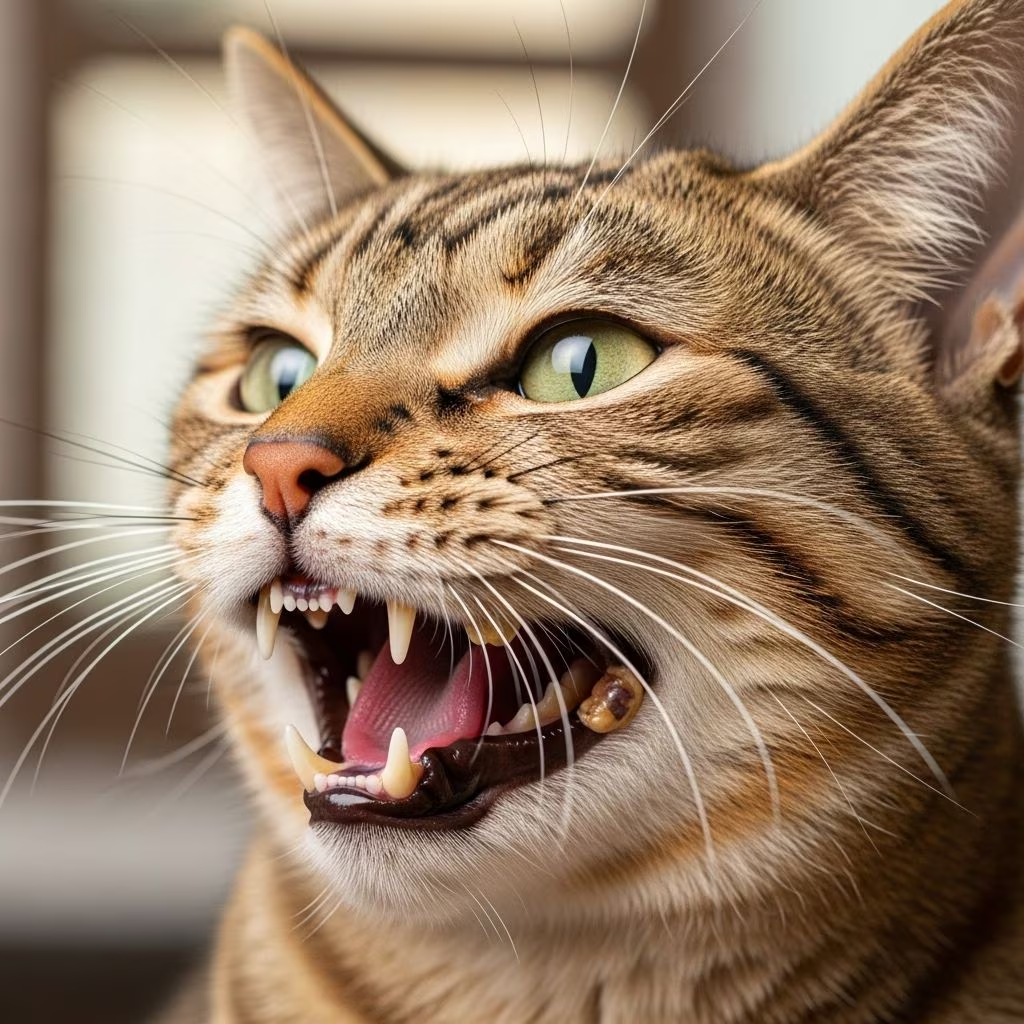
Gingivitis and Stomatitis in Cats: A Comprehensive Guide to Feline Oral Health
Gingivitis and stomatitis represent two of the most common oral health conditions affecting cats today. These painful inflammatory conditions can significantly impact a cat’s quality of life, affecting their ability to eat, groom themselves, and enjoy normal daily activities. Understanding these conditions, recognizing their symptoms, and knowing the available treatment options is essential for every cat owner. This comprehensive guide provides detailed information about feline gingivitis and stomatitis, helping you better care for your cat’s oral health.
What Are Gingivitis and Stomatitis?
Gingivitis is the inflammation of the gums, often representing the earliest stage of dental disease in cats. When gingivitis progresses and affects not only the gums but also the tissues lining the mouth, cheeks, and oral cavity more broadly, it becomes stomatitis. Stomatitis is a more severe condition characterized by widespread inflammation throughout the mouth.
Feline chronic gingivostomatitis (FCGS), as it is known in veterinary medicine, is a serious condition that develops when a cat’s immune system becomes hyperresponsive to the bacteria naturally present on the teeth. Rather than mounting a normal immune response, affected cats develop an inappropriate inflammatory reaction that can become chronic and debilitating.
Causes of Gingivitis and Stomatitis in Cats
The development of gingivitis and stomatitis in cats involves multiple factors working together. Understanding these causes helps explain why some cats develop these conditions while others do not.
Bacterial Accumulation and Plaque Formation
Bacteria naturally colonize the surfaces of teeth and gums in all cats. When plaque and tartar accumulate on the tooth surface, particularly below the gum line, they create an environment where bacteria flourish. This bacterial burden triggers the immune system to respond. In cats with stomatitis, this response becomes exaggerated and chronic.
Immune System Dysfunction
The primary underlying factor in stomatitis development is an abnormal immune response. Cats with stomatitis mount an excessive inflammatory reaction to oral bacteria that other cats tolerate without developing disease. This inappropriate immune response continues even after bacteria are removed, which explains why some cats continue experiencing symptoms despite aggressive cleaning.
Viral Infections
Research indicates that chronic viral infections, particularly feline calicivirus and feline herpesvirus, may play a role in the development and persistence of stomatitis in some cats. These viruses can compromise the oral tissues’ ability to maintain healthy barriers against bacterial colonization.
Genetics and Breed Predisposition
Some evidence suggests that certain cats may have genetic predispositions to developing gingivitis and stomatitis. Specific breeds appear more susceptible, though any cat can develop these conditions regardless of breed or background.
Environmental and Nutritional Factors
Poor nutrition, stress, and certain environmental factors may contribute to the development of these oral conditions. Cats with compromised immune systems due to other diseases or conditions face increased risk.
Recognizing the Symptoms of Gingivitis and Stomatitis
Early recognition of symptoms allows for prompt veterinary intervention, which can prevent disease progression and minimize pain and suffering. The symptoms of gingivitis and stomatitis vary in severity and may develop gradually or appear suddenly.
Common Warning Signs
The most noticeable early symptom is often a foul odor emanating from your cat’s mouth. Bad breath in cats is never normal and should prompt a veterinary examination. As the condition progresses, additional symptoms become apparent:
Cats with gingivitis and stomatitis frequently experience excessive drooling or salivation. This drool may sometimes be tinged with blood, indicating open sores or bleeding gums. Many affected cats display behavioral changes related to their oral pain, such as avoiding grooming, which can result in matted or unkempt fur.
Eating difficulties represent another significant symptom. Cats may drop food from their mouths while trying to eat, cry out in pain while yawning or eating, or suddenly run away from their food bowl. Some cats become so uncomfortable that they develop reluctance to eat altogether.
Physical Examination Findings
Upon physical examination, a veterinarian will observe bright red, inflamed gums and oral mucosa. The inflammation typically extends throughout the inner lining of the mouth and cheeks. The gums may appear swollen and may bleed easily when touched. In more severe cases, ulcers or open sores may be visible on the gums and oral tissues.
Secondary Symptoms
The chronic pain associated with stomatitis can lead to weight loss, as affected cats may eat significantly less due to discomfort. Behavioral changes such as increased irritability, decreased activity levels, and reduced social interaction are common as cats attempt to cope with persistent oral pain.
Diagnosis of Gingivitis and Stomatitis
Accurate diagnosis requires professional veterinary evaluation and may involve multiple diagnostic approaches. A thorough examination is essential to differentiate gingivitis and stomatitis from other oral conditions.
Oral Examination
Your veterinarian will perform a comprehensive oral examination, looking for signs of inflammation, gum recession, tooth resorption, and other abnormalities. This examination requires adequate visualization, which typically means the cat must be anesthetized to allow complete inspection of all oral tissues and tooth surfaces.
Dental Radiography
Dental radiographs (X-rays) are crucial for diagnosing stomatitis, as they reveal pathology not visible during a simple visual examination. These images help identify tooth resorption, bone loss, and other structural changes associated with advanced periodontal disease. Studies show that up to 93% of cats with stomatitis have moderate to severe periodontitis, and dental radiographs are essential for documenting this damage.
Culture and Sensitivity Testing
In some cases, bacterial culture may be performed to identify specific bacteria present in the oral cavity. Sensitivity testing helps guide antibiotic selection if antibiotics are deemed necessary as part of the treatment plan.
Treatment Options for Gingivitis and Stomatitis
Treatment approaches vary depending on disease severity and individual patient factors. The goal is to eliminate pain, reduce inflammation, and prevent further deterioration of oral tissues. A combination of approaches often provides the best outcomes.
Surgical Management: Tooth Extraction
Surgical extraction of teeth remains the most effective and widely recommended treatment for feline stomatitis. Research demonstrates that approximately 90% of cats undergoing partial or full-mouth tooth extractions experience complete resolution of stomatitis symptoms. This seemingly drastic approach actually provides the most reliable path to comfort and improved quality of life.
The rationale behind tooth extraction is that bacteria attach to tooth surfaces and subgingival plaque. By removing the structures where bacteria colonize, the primary source of antigenic stimulation is eliminated. This allows the oral tissues to heal and the abnormal immune response to diminish.
In many cases, veterinary dentists attempt partial mouth extraction, removing all premolar and molar teeth while preserving canine teeth for continued function. However, if symptoms persist after partial extraction or if disease is severe, full-mouth extraction may be necessary.
It is important to note that cats function extremely well without teeth. They can eat both hard kibble and soft food without difficulty, as they swallow food with minimal chewing. Most pet owners report that their cats show dramatic improvement in attitude, appetite, and overall quality of life following tooth extraction surgery.
Pain Management
Analgesia is fundamental at all stages of stomatitis management. Pain management begins before surgery, continues through the immediate post-operative period, and may be necessary long-term for cats that do not achieve complete resolution with extraction alone.
Post-surgical pain medications prescribed by your veterinarian help ensure your cat remains comfortable during healing. For cats hesitant to eat in the days immediately following surgery, appetite stimulants may be prescribed to encourage food intake during the critical healing period.
Medical Management: Immunosuppressive Therapy
For cats that do not achieve complete resolution with tooth extraction, or for those where owners choose not to pursue surgery, medical management may be considered. This approach targets the underlying abnormal immune response rather than treating only the bacteria.
Immunosuppressive or immunomodulatory drugs can help manage inflammation in refractory cases. Cyclosporine (Atopica) is one option, available as an oral medication with once-daily dosing. Compounded versions with different bases and flavoring may improve palatability for cats that are difficult to medicate.
Prednisone, a corticosteroid, represents another option for reducing inflammation. This medication can be given orally or as a long-acting injection, with many veterinarians reporting greater success with the injectable form. Long-acting injections may provide anti-inflammatory effects for up to one month.
Complementary Therapies
Several complementary treatment approaches show promise in managing stomatitis symptoms, particularly when used in combination with other therapies.
Laser Therapy: Some veterinarians recommend laser surgery for inflamed oral tissues. Laser therapy increases circulation to affected tissues, promotes healing, and decreases inflammation. However, results are variable, and this approach is quite expensive.
Oral Rinses: Chlorhexidine oral rinse (0.12% solution) may provide benefit in some cases, helping reduce bacterial load and support oral tissue health.
Medications and Supplements: A combination of bovine lactoferrin oral spray and piroxicam (an NSAID) showed significant clinical improvement in 77% of cats in clinical trials. This combination reduced oral lesion severity and improved quality of life and weight gain over a 12-week period.
Recovery and Post-Operative Management
Recovery following tooth extraction surgery typically progresses well, though individual cats vary in their healing timeline. Understanding what to expect helps ensure optimal outcomes.
Immediate Post-Operative Care
In the days immediately following surgery, your cat should be fed soft or canned food rather than hard kibble. This diet should continue for at least two to three weeks post-operatively while gum tissue heals. Your veterinarian will provide specific dietary recommendations based on your cat’s individual situation.
Pain medications and any prescribed antibiotics should be given exactly as directed. Your veterinarian will provide clear instructions about medication administration and will schedule follow-up appointments to monitor healing progress.
Long-Term Recovery and Adaptation
Most cats show dramatic improvement in attitude and appetite within days of surgery as pain diminishes. Within a few weeks to months, gum tissues complete healing and most cats are able to return to eating regular kibble if desired.
Close monitoring during the days and months following surgery helps identify any complications early. Your veterinarian will make individualized recommendations based on your cat’s healing speed and recovery quality. Many cats require no additional treatment once healed, while others may benefit from continued supportive care.
Prognosis and Long-Term Outlook
The prognosis for cats with gingivitis and stomatitis depends on the severity of disease at diagnosis and the treatment approach pursued.
For cats undergoing full-mouth extraction, approximately two-thirds experience complete clinical cure, meaning no additional dental care is necessary beyond routine monitoring. The remaining one-third of cats may require ongoing supportive care with oral gels, further extractions, or medical management with antibiotics and immunosuppressive drugs.
Without treatment, stomatitis leads to persistent pain, gingival recession, and progressive bone loss from chronic inflammation. Early intervention and appropriate treatment selection maximize the likelihood of achieving pain relief and improving quality of life.
Prevention and Home Care
While not all cases of gingivitis and stomatitis can be prevented, certain measures may reduce the risk or slow progression if disease develops.
Regular home dental care including tooth brushing (when possible) helps minimize plaque accumulation. A high-quality diet supports overall immune function and oral health. Regular veterinary examinations allow early detection of dental disease before serious complications develop.
Cats with existing stomatitis benefit from careful home care tailored to their comfort level. This might include gentle oral rinses, special diets, or assistance with grooming if oral pain makes self-grooming difficult.
Frequently Asked Questions About Feline Gingivitis and Stomatitis
Q: Can cats eat normal food after tooth extraction?
A: Yes, cats adapt well to life without teeth and can eventually eat hard kibble again. However, they should be transitioned to soft food immediately following surgery and gradually reintroduced to their normal diet over several weeks.
Q: Is tooth extraction really necessary?
A: While medical management is an option, surgical extraction remains the most effective treatment, with 90% of cats showing complete symptom resolution. It eliminates the source of bacterial stimulation that triggers the abnormal immune response.
Q: How long does recovery take after tooth extraction?
A: Most cats show improvement within days as pain decreases. Complete gum tissue healing typically takes several weeks, though individual recovery timelines vary. Your veterinarian will provide specific recovery guidelines for your cat.
Q: Will my cat be in pain after surgery?
A: Your veterinarian will provide pain medications to keep your cat comfortable during recovery. Most cats experience significant pain relief within days as surgical pain fades and chronic stomatitis pain diminishes.
Q: What if tooth extraction doesn’t completely resolve the stomatitis?
A: If symptoms persist after extraction, additional treatment options include immunosuppressive medications, laser therapy, oral rinses, or combinations of medical management approaches tailored to your cat’s needs.
Q: How can I prevent stomatitis in my cat?
A: Regular dental examinations, home tooth brushing when possible, and a quality diet support oral health. Early veterinary intervention at the first sign of dental disease can prevent progression to severe stomatitis.
References
- Stomatitis in Cats: Signs and Treatment of Feline Dental Disease — Best Friends Animal Society. 2024. https://bestfriends.org/pet-care-resources/stomatitis-cats-signs-and-treatment-feline-dental-disease
- Feline Stomatitis – Dental Disease in Cats — Orvet Dental Specialists. 2024. https://orvetdentalspecialists.com/feline-stomatitis/
- Feline chronic gingivostomatitis current concepts in clinical management — National Center for Biotechnology Information (NCBI). 2024. https://pmc.ncbi.nlm.nih.gov/articles/PMC10811996/
- Stomatitis in Cats: Symptoms, Causes, and Treatment — Linville-Birch Animal Hospital. 2024. https://lbah.com/feline/stomatitis-in-cats/
- Stomatitis in Cats: Symptoms, Causes and Treatment — PetMD. 2024. https://www.petmd.com/cat/conditions/mouth/stomatitis-in-cats
- Feline Stomatitis – Michigan Animal Dental Specialists PC — Michigan Animal Dental Specialists. 2024. https://www.mianimaldental.com/feline-stomatitis
- Feline Stomatitis Signs & Treatment — BluePearl Pet Hospital. 2024. https://bluepearlvet.com/medical-articles-for-pet-owners/stomatitis-in-cats/



