

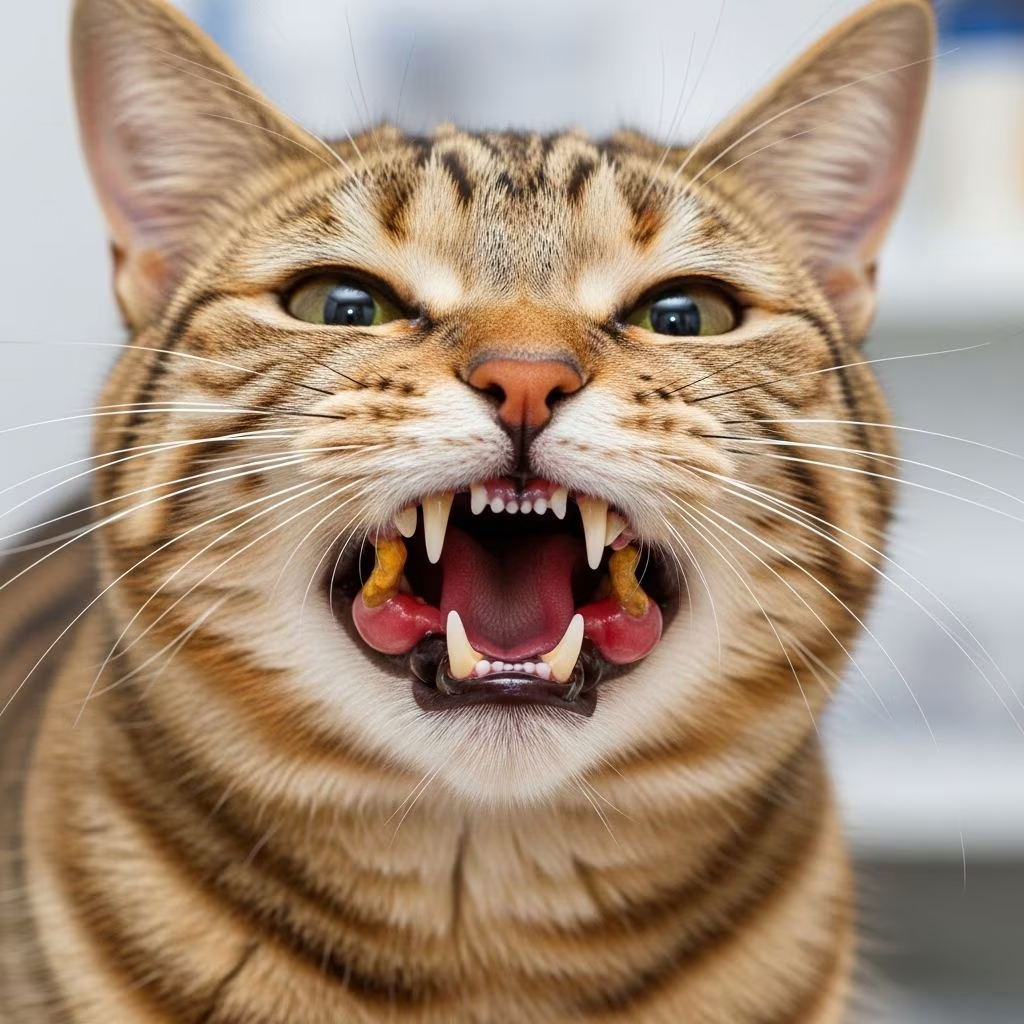
Understanding Gingivitis in Cats
Gingivitis is a common dental condition in cats that involves inflammation of the gums surrounding the teeth. This condition occurs when plaque accumulates on the tooth surfaces and the gums respond with swelling, redness, and irritation. For cat owners, understanding gingivitis is essential because early detection and treatment can prevent the condition from progressing into more serious periodontal disease.
Gingivitis in cats can range from mild to severe, and in serious cases, affected cats may experience significant discomfort and difficulty eating. The good news is that gingivitis is often reversible when caught early and treated appropriately. However, without proper intervention, it can lead to tooth loss and systemic health complications.
What Causes Gingivitis in Cats
Gingivitis develops through a combination of factors, with plaque accumulation being the primary culprit. Understanding these causes can help you take preventive measures to protect your cat’s oral health.
Primary Causes
Plaque Buildup: Plaque is a sticky film composed of bacteria, food debris, dead skin cells, and mucus that constantly forms on teeth. When plaque isn’t removed regularly, it hardens into calculus (tartar), which further irritates the gums and promotes bacterial growth.
Age-Related Factors: Gingivitis predominantly affects senior cats as they age. The cumulative effect of years of plaque exposure makes older cats more susceptible to gum disease. However, cats can develop gingivitis at any age.
Dental Crowding: Cats with crowded or misaligned teeth are more prone to gingivitis because plaque accumulates more easily in tight spaces between teeth.
Dietary Factors: Cats fed exclusively soft food are at higher risk because soft diets don’t provide the natural cleaning action that comes with chewing harder food. The lack of mechanical cleaning allows plaque to accumulate faster.
Poor Oral Hygiene: Cats that don’t receive regular dental care, including professional cleanings and home brushing, are significantly more likely to develop gingivitis.
Secondary Causes
Infectious Diseases: Feline Leukemia Virus (FeLV) and Feline Immunodeficiency Virus (FIV) can compromise the immune system and increase susceptibility to gingivitis. These viral infections create an environment where bacterial infections thrive in the oral cavity.
Autoimmune Diseases: Cats with autoimmune conditions have weakened immune responses, making them more vulnerable to oral infections and gum inflammation.
Tooth Resorption: This painful condition creates cavity-like lesions on teeth that can trigger gingivitis around the affected areas.
Traumatic Injuries: Fractured teeth from accidents or injuries can initiate gingivitis as the damaged tooth becomes a site of bacterial infection and inflammation.
Other Oral Conditions: Eosinophilic granuloma complex and gingival hyperplasia (gum overgrowth) are inflammatory conditions that can lead to or exacerbate gingivitis.
Recognizing the Signs of Gingivitis in Cats
Detecting gingivitis early is crucial for effective treatment. Many cats hide signs of oral pain, so owners must watch carefully for behavioral and physical changes. Some cats may not exhibit obvious symptoms in early stages, making regular veterinary checkups essential.
Common Symptoms
The following signs may indicate your cat has gingivitis:
Red or Swollen Gums: Look for inflammation especially around the inner cheek area and the gum line. Healthy gums should be pink, while inflamed gums appear bright red or purplish.
Bad Breath: Persistent foul-smelling breath in cats is often an early warning sign of oral disease. This odor results from bacterial activity in the mouth.
Plaque and Tartar Buildup: You may notice visible yellow or brown deposits on the tooth surfaces, particularly near the gum line.
Drooling: Excessive drooling or saliva production can indicate oral discomfort or difficulty swallowing.
Difficulty Eating: Cats with gingivitis may avoid their food, eat more slowly, or drop food from their mouth due to pain. Some cats may stop eating altogether in severe cases.
Behavioral Changes: Affected cats may become withdrawn, irritable, or show decreased interest in playing or eating their favorite toys.
Difficulty Picking Up Objects: Pain in the mouth can make it uncomfortable for cats to pick up toys or food with their teeth.
How Gingivitis Develops and Progresses
Understanding the progression of gingivitis helps explain why early intervention is so important. When plaque isn’t regularly removed, it migrates deeper beneath the gum line into the subgingival region. Here, the bacteria in plaque trigger an immune response, causing the inflammation we recognize as gingivitis.
Some researchers believe that gingivitis onset is also caused by a shift in bacterial populations from normal, healthy species to disease-causing species. This bacterial transition makes the plaque more pathogenic and damaging to gum tissue.
If left untreated, gingivitis progresses into periodontal disease, where the infection extends deeper into the tissues supporting the teeth. In advanced cases, cats experience moderate to severe redness of the gums, irregular gum surfaces, and deep pockets between the gums and teeth. The bacteria in these pockets release toxins that destroy gum tissue and can even affect the bone supporting the teeth.
Treatment Options for Feline Gingivitis
The good news is that gingivitis is usually reversible when treated appropriately. Treatment approaches vary depending on severity and underlying causes, but the primary goal is removing accumulated plaque and tartar while addressing any predisposing factors.
Professional Veterinary Treatment
Dental Cleaning Under Anesthesia: The most effective treatment begins with professional cleaning performed under general anesthesia. Your veterinarian uses ultrasonic scaling to remove plaque and calculus from all tooth surfaces, including beneath the gum line. The teeth are then polished to smooth the surfaces and reduce future plaque accumulation.
Dental Radiographs (X-rays): During the procedure, dental X-rays allow your vet to assess tooth health below the gum line and identify any hidden infections or bone loss.
Tooth Extraction: Severely damaged, infected, or loose teeth may need extraction. In cases of severe gingivostomatitis, extracting all teeth often provides the greatest relief and is proven to be highly effective for managing the condition.
Antibiotic Therapy: Antibiotics may be prescribed to combat bacterial infections, though research shows antibiotics alone are ineffective without mechanical plaque removal.
Anti-Inflammatory Medications: Corticosteroids and other immune-modulating drugs can reduce gum inflammation and discomfort. These medications help manage the inflammatory response and improve comfort during the healing process.
Advanced Therapies: In some cases, veterinarians may recommend stem cell therapy or gingivectomy (surgical removal of damaged gum tissue) for advanced cases.
Home Care Management
Tooth Brushing: Regular brushing at home helps prevent plaque accumulation between professional cleanings. Use a soft-bristled toothbrush and cat-specific toothpaste. Most experts recommend brushing several times per week, though daily brushing is ideal.
Chlorhexidine Rinses and Gels: These antimicrobial solutions help control bacterial growth in the mouth. Follow your veterinarian’s instructions for application frequency and duration.
Dietary Modifications: Feeding your cat appropriate diet can support oral health. Some veterinarians recommend dry food or prescription dental diets that promote chewing and natural tooth cleaning.
Regular Monitoring: Keep track of your cat’s oral health and report any changes to your veterinarian. Cats with severe gingivitis may require frequent dental checkups—the frequency depends on the degree of periodontal disease.
Prevention Strategies for Feline Gingivitis
Preventing gingivitis is far more effective than treating advanced disease. Implement these preventive measures to maintain your cat’s oral health:
Regular Dental Checkups: Schedule annual or semi-annual veterinary dental exams, even if your cat shows no obvious signs of problems.
Home Oral Care: Establish a routine of brushing your cat’s teeth. While many cats resist initially, most adapt with patience and positive reinforcement.
Appropriate Diet: Choose high-quality cat food that supports dental health. Consider incorporating prescription dental diets recommended by your veterinarian.
Health Screening: Cats with FeLV, FIV, or autoimmune diseases require extra vigilance regarding oral health due to increased gingivitis risk.
Prompt Intervention: Address any signs of dental disease immediately rather than waiting for conditions to worsen.
When to Seek Veterinary Care
Contact your veterinarian if you notice any of the following:
– Persistent bad breath lasting more than a few days- Visible red or swollen gums- Bleeding from the mouth- Behavioral changes related to eating- Significant drooling- Reluctance to eat or play- Visible plaque or tartar buildup- Any combination of these symptoms
Frequently Asked Questions About Cat Gingivitis
Q: Is gingivitis painful for cats?
A: Yes, gingivitis can be quite painful, especially as it progresses. Cats often hide pain effectively, so behavioral changes like reduced eating or irritability may be the only clues that they’re experiencing discomfort. Professional treatment and home care significantly improve comfort levels.
Q: Can gingivitis be completely cured?
A: Gingivitis is usually reversible when treated early and appropriately. However, some cases, particularly severe gingivostomatitis, may require ongoing management and may not fully resolve even with extraction and medical treatment. Prevention through regular care is the best approach.
Q: How often should I have my cat’s teeth cleaned professionally?
A: This depends on your cat’s individual situation. Cats without significant dental disease may need professional cleaning every one to two years, while those with existing gingivitis or periodontal disease may require more frequent cleanings as determined by your veterinarian.
Q: Will my cat be okay without teeth?
A: Yes, many cats live comfortable, healthy lives without teeth. Cats can eat soft food effectively and often experience relief from chronic oral pain after extraction. Your veterinarian will provide guidance on dietary adjustments.
Q: Are certain cat breeds more prone to gingivitis?
A: While any cat can develop gingivitis, some breeds with genetic predispositions to crowded teeth or other oral abnormalities may be at higher risk. Discuss your specific cat’s risk factors with your veterinarian.
Q: How can I tell if my cat has early-stage gingivitis?
A: Early signs include bad breath, slight gum redness around the gum line, and minimal visible plaque. Many cats show no obvious symptoms in early stages, which is why regular veterinary checkups are essential for early detection.
References
- Gingivitis in Cats – Symptoms, Causes & Treatment — Quail Hollow Veterinary Hospital. 2023-06-15. https://www.quailhollowvet.com/site/blog/2023/06/15/gingivitis-cats
- Gingivitis in Cats – Symptoms, Causes & Treatment — Advanced Care Veterinary Hospital. 2022-07-30. https://www.advancedcarevet.com/site/blog/2022/07/30/gingivitis-in-cats
- Gingivitis in Cats: Causes, Signs & Treatment — Hill’s Pet Nutrition. https://www.hillspet.com/cat-care/healthcare/gingivitis-in-cats
- What to Know About Gingivitis in Cats — WebMD. https://www.webmd.com/pets/cats/what-to-know-about-gingivitis-in-cats
- Gingivitis in Cats: Signs, Causes & Treatment — Providence Veterinary Hospital. 2022-06-15. https://www.waxhaw.providencevets.com/site/blog/2022/06/15/cat-gingivitis
- Feline Dental Disease — Cornell University College of Veterinary Medicine. https://www.vet.cornell.edu/departments-centers-and-institutes/cornell-feline-health-center/health-information/feline-health-topics/feline-dental-disease
- Gingivitis and Stomatitis in Cats — VCA Animal Hospitals. https://vcahospitals.com/know-your-pet/gingivitis-and-stomatitis-in-cats
- Gingivitis in Cats — PetMD. https://www.petmd.com/cat/conditions/mouth/gingivitis-in-cats



