

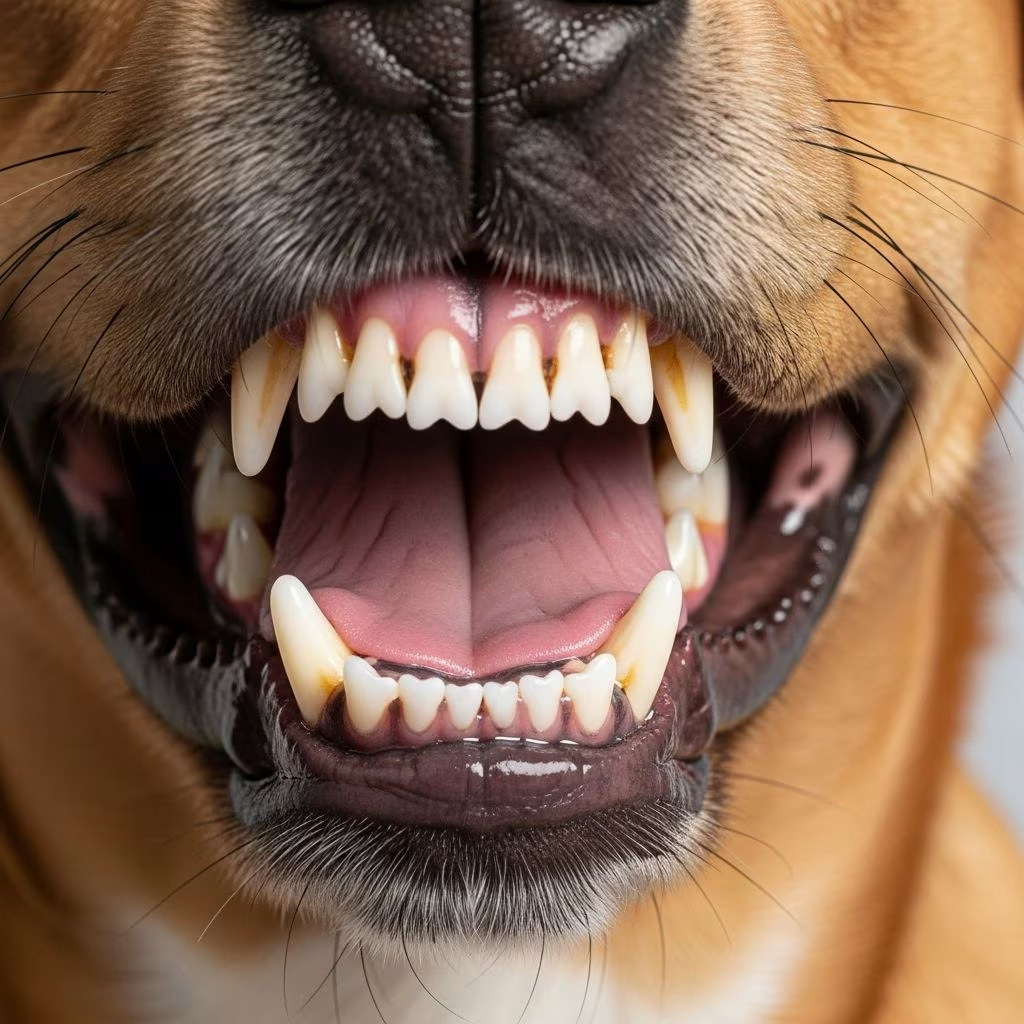
Gingivitis in dogs is a prevalent and reversible form of gum disease characterized by inflammation of the gums, primarily due to plaque accumulation. Early detection and intervention are crucial to prevent progression to periodontal disease, which can lead to tooth loss and systemic health issues.
What is Gingivitis in Dogs?
Gingivitis represents the initial stage of periodontal disease in dogs, involving inflammation of the gums (gingiva) caused by bacterial buildup from plaque and tartar. Unlike advanced periodontitis, gingivitis is typically reversible with proper treatment, such as professional cleaning under anesthesia, which removes deposits and allows gums to heal.
This condition affects dogs of all ages and breeds but is more common in small breeds with crowded teeth or older dogs due to cumulative plaque buildup. If addressed promptly, it prevents bacteria from invading deeper tooth-supporting structures, reducing risks of pain, infection, and tooth loss.
Causes of Gingivitis in Dogs
The primary cause of canine gingivitis is the accumulation of plaque—a sticky bacterial film—on teeth, which hardens into tartar if not removed. Poor oral hygiene allows food particles and bacteria to proliferate between teeth and gums, triggering inflammation.
- Poor dental hygiene: Lack of regular brushing leads to plaque mineralization into tartar, irritating gums.
- Dietary factors: Soft, sticky foods promote plaque; nutrient-deficient diets weaken immunity.
- Breed predisposition: Toy breeds with crowded teeth trap debris more easily.
- Trauma or injury: Mouth injuries introduce bacteria or cause inflammation.
- Systemic issues: Infections elsewhere can spread to gums; immune overreactions may contribute in stomatitis cases.
Genetics, age, and lack of chewing activity exacerbate risks, as dogs naturally abrade plaque through chewing but modern diets reduce this.
Symptoms of Gingivitis in Dogs
Recognizing symptoms early is vital for timely intervention. Common signs include visible gum changes and behavioral shifts indicating discomfort.
- Bad breath (halitosis): Often the first noticeable sign from bacterial overgrowth.
- Red, swollen gums: Inflammation at the gumline, sometimes bleeding during brushing or eating.
- Plaque and tartar buildup: Yellow-brown stains on teeth.
- Excessive drooling or drool changes: Due to pain or irritation.
- Pain or reluctance to eat: Pawing at mouth, dropping food, or weight loss.
- Loose teeth or receding gums: Advanced signs if untreated.
- Pus or discharge: Indicates infection when pressing gums.
Dogs may show behavioral changes like reduced energy or aggression when mouth is touched. Regular vet checks detect subtle signs before severe progression.
Diagnosis of Gingivitis in Dogs
Veterinarians diagnose gingivitis through a comprehensive oral exam, often under general anesthesia for thorough assessment. This includes probing gum pockets, X-rays for bone loss, and scaling to reveal subgingival tartar.
Staging helps determine severity: Stage 1 (gingivitis) shows healthy attachment; progression indicates periodontitis. Bloodwork rules out systemic contributions.
Treatment for Gingivitis in Dogs
Treatment focuses on removing plaque and tartar via professional dental prophylaxis under anesthesia, followed by polishing and possible antibiotics or anti-inflammatories.
- Professional cleaning: Ultrasonic scaling above and below gumline, polishing to smooth surfaces.
- Antibiotics: For active infections.
- Gum tissue adjustment: Removal in severe cases.
- Tooth extraction: For non-salvageable teeth in advanced disease.
Post-treatment, sealants may be applied to deter bacterial adhesion. Regular follow-ups ensure maintenance.
Prevention of Gingivitis in Dogs
Prevention mirrors human dental care: daily brushing, dental diets, and professional cleanings. The AAHA recommends consistent home care to minimize plaque.
- Daily brushing: Use enzymatic toothpaste and dog-specific brush; start slow for acceptance.
- Dental chews and toys: VOHC-approved products mechanically remove plaque.
- Dental diets: Kibble designed to scrub teeth.
- Water additives and rinses: Antimicrobial solutions reduce bacteria.
- Regular vet dental exams: Annually or semi-annually based on risk.
Breed-specific risks warrant tailored plans; puppies benefit from early training.
Home Care Tips for Managing Gingivitis
Effective home care sustains professional treatments. Introduce routines gradually with positive reinforcement.
| Method | Frequency | Benefits |
|---|---|---|
| Brushing with enzymatic toothpaste | Daily | Removes plaque, kills bacteria |
| Dental chews (VOHC-approved) | Daily | Mechanical abrasion, satisfies chewing |
| Prescription dental diet | Ongoing | Reduces tartar buildup |
| Oral rinses/water additives | Daily | Antibacterial action |
Monitor for symptoms monthly; consult vets for product recommendations.
When to See a Vet for Gingivitis
Seek immediate care if noticing bad breath, red gums, eating difficulties, or pawing. Early intervention prevents costly advanced treatments. Annual exams catch issues pre-symptomatically.
FAQs
Is gingivitis in dogs reversible?
Yes, gingivitis is reversible with professional cleaning and consistent home care before progressing to periodontitis.
What does gingivitis look like in dogs?
Red, swollen, bleeding gums at the gumline, often with plaque/tartar and bad breath.
Can gingivitis in dogs cause tooth loss?
If untreated, it advances to periodontitis, leading to bone loss and tooth loss.
How often should dogs get dental cleanings?
Depends on risk; small breeds or plaque-prone dogs may need annually under anesthesia.
Are dental chews enough to prevent gingivitis?
Helpful but not sufficient alone; combine with brushing for best results.
References
- Treating Canine Gingivitis: Best Dental Care Practices for Pet Owners — Deltona Vet. 2023. https://www.deltonavet.com/pet-dentistry-in-deltona-fl/treating-canine-gingivitis-best-dental-care-practices-for-pet-owners/
- Gingivitis in Dogs: Symptoms, Causes & Treatments — Westgate Vet. 2022-11-05. https://www.westgatevet.com/site/blog/2022/11/05/gingivitis-dogs
- Understanding and Managing Canine Gingivitis — Alpine Vet Online. N/A. https://www.alpinevetonline.com/blog/understanding-and-managing-canine-gingivitis.html
- Gingivitis in Dogs: Symptoms, Causes, & Treatments — RH PCH. 2023-02-23. https://www.rhpch.com/site/blog/2023/02/23/gingivitis-dogs
- Gingivitis and Stomatitis in Dogs — VCA Animal Hospitals. N/A. https://vcahospitals.com/know-your-pet/gingivitis-and-stomatitis-in-dogs
- Dental Disorders of Dogs — Merck Veterinary Manual. N/A. https://www.merckvetmanual.com/dog-owners/digestive-disorders-of-dogs/dental-disorders-of-dogs
- AC Aids for Dogs: Canine Periodontal Disease — USDA APHIS. N/A. https://www.aphis.usda.gov/sites/default/files/AC-Aids-for-Dogs_Canine-Periodontal-Disease_0.pdf



