

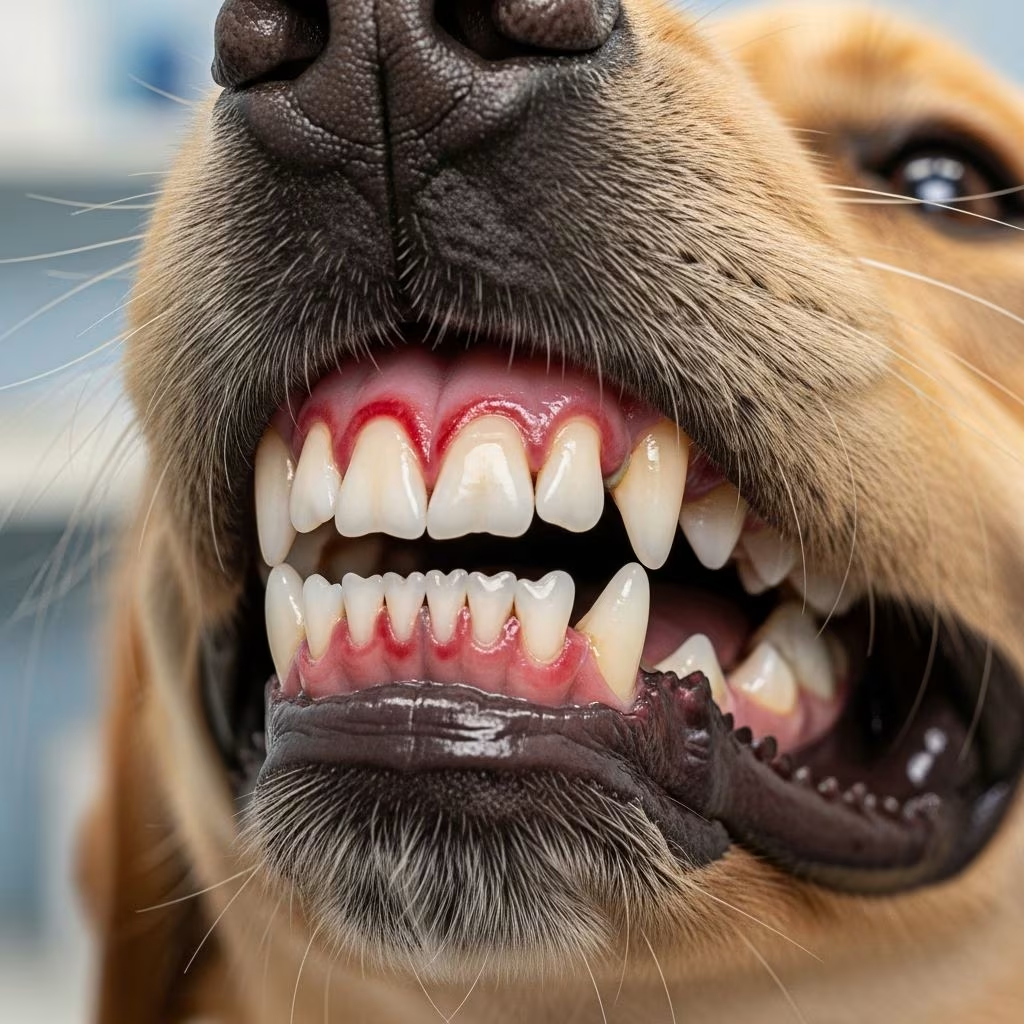
Gingivitis in Dogs: What to Know About Canine Gingivitis
Gingivitis is one of the most common oral health problems affecting dogs today, yet many pet owners remain unaware of its causes, symptoms, and treatment options. Gingivitis is an inflammation of the gums caused by bacterial accumulation from plaque and tartar buildup. This condition represents the earliest stage of periodontal disease and can progress to more severe dental problems if left untreated. Understanding canine gingivitis is essential for every responsible dog owner who wants to maintain their pet’s overall health and quality of life.
The significance of dental health in dogs cannot be overstated. Poor oral hygiene doesn’t just affect the mouth—it can impact your dog’s ability to eat, cause systemic infections, and lead to significant pain and discomfort. Fortunately, gingivitis is highly preventable and manageable with proper care, regular brushing, and professional veterinary attention.
Understanding Canine Gingivitis
Canine gingivitis is characterized by inflammation of the gums, resulting in red, swollen, and sometimes bleeding tissue. Dogs with gingivitis often develop bad breath as bacteria proliferate in their mouths. This condition is preventable in dogs with frequent at-home brushing and professional dental cleanings, similar to prevention in humans. However, many dog owners do not prioritize their pet’s oral health until significant problems develop.
The disease process begins when bacteria accumulate in the mouth, forming plaque—a sticky film that adheres to tooth surfaces. If not removed through regular brushing and professional cleaning, plaque hardens into tartar, which is more difficult to eliminate and accelerates the inflammatory process. This buildup irritates the gums and creates an environment where bacteria thrive, perpetuating the cycle of inflammation and tissue damage.
Common Causes of Canine Gingivitis
Understanding the underlying causes of gingivitis is crucial for prevention and management. Several factors contribute to the development of this condition:
- Plaque and Tartar Accumulation: The primary cause of canine gingivitis is the buildup of plaque and tartar on the teeth. Poor oral hygiene allows bacteria to accumulate, leading to gum inflammation. When food particles and germs build up in the spaces between teeth and gums, they promote bacterial growth and tartar formation.
- Poor Diet: Soft or sticky foods contribute to plaque buildup and can weaken immune function. A diet lacking proper nutrients compromises the immune system, making infections more likely to develop. Dogs fed primarily soft foods may experience more significant plaque accumulation than those consuming dry kibble.
- Insufficient Oral Care: Lack of regular tooth brushing is a major contributing factor. The American Animal Hospital Association (AAHA) emphasizes consistent oral hygiene as crucial for warding off dental diseases.
- Breed and Genetics: Certain dogs with crowded teeth, particularly toy breeds and small dogs, are at higher risk for gingivitis. These breeds have naturally closer tooth spacing, making plaque removal more difficult.
- Mouth Trauma: Injury to the mouth or teeth can lead to inflammation and infection of the gums.
- Systemic Infections: Bacterial infections in other parts of the body can spread to the gums, causing secondary gingivitis.
- Age: Senior dogs may be more susceptible to gum disease due to changes in oral tissues and cumulative exposure to plaque-forming bacteria.
Recognizing the Clinical Signs of Gingivitis
Early detection of gingivitis is vital for preventing progression to more serious periodontal disease. Pet owners should watch for the following warning signs:
- Red, swollen, and bleeding gums
- Persistent bad breath, often one of the first noticeable signs
- Discomfort or pain while eating
- Changes in drooling patterns
- Loss of appetite or reluctance to eat
- Pawing at the mouth or face
- Visible plaque buildup on teeth, appearing as staining
- Tartar accumulation, visible as calcified areas on teeth
- Pus oozing from the gums
- Loose or missing teeth
- Receding gums
- Behavioral changes indicating mouth pain
It’s important to note that bad breath is not normal in dogs and should never be dismissed. While many dog owners accept bad breath as a characteristic of dog ownership, it typically indicates an underlying oral health issue requiring veterinary attention.
How Veterinarians Diagnose Canine Gingivitis
Professional diagnosis is essential for confirming gingivitis and assessing its severity. Veterinarians diagnose canine gingivitis through a thorough examination of the dog’s mouth, looking for signs such as red, swollen, and bleeding gums, as well as bad breath. The diagnostic process typically includes the following steps:
- Visual Examination: The vet examines the teeth and gums for signs of inflammation, plaque, tartar, and tissue damage.
- Dental X-rays: These imaging studies check beneath the gum line to identify hidden problems that could worsen if left untreated.
- Oral Assessment Under Anesthesia: For a complete evaluation, a thorough cleaning and assessment under general anesthesia may be necessary to properly examine all tooth surfaces and subgingival areas.
- Regular Check-ups: Routine pet dental examinations are essential for catching early signs of gingivitis before they develop into more severe issues.
Regular dental check-ups are crucial for early detection and prevention of serious complications. Painful infections may discourage dogs from eating, resulting in weight loss and decreased energy levels.
Treatment Options for Canine Gingivitis
Professional dental cleaning stands out as a crucial component in treating canine gingivitis. Treatment approaches vary based on disease severity:
Professional Teeth Cleaning
Professional teeth cleaning, also known as dental prophylaxis, is the foundation of gingivitis treatment. This procedure involves:
- Complete oral health assessment under general anesthesia
- Removal of tartar deposits using ultrasonic scaling
- Polishing of tooth surfaces to prevent future bacterial adhesion
- Careful cleaning of tissues beneath the gumline to remove accumulated plaque and tartar
- Optional application of a sealant to teeth to prevent bacterial buildup and improve healing
After professional cleaning, gingivitis can subside significantly. However, many dogs require regular professional cleanings to maintain oral health.
Surgical Intervention
In severe cases where gingivitis has progressed significantly, additional measures may be necessary. These can include removal of severely damaged gum tissue or, in extreme cases, extraction of teeth that cannot be saved.
Antimicrobial and Anti-inflammatory Medications
If a bacterial infection is present, a veterinarian may recommend antibiotics to eliminate the infection. Anti-inflammatory medications may also be prescribed to reduce pain and swelling. These medications support the healing process and improve comfort during recovery.
Prevention and Home Care for Canine Gingivitis
Prevention is far more effective—and less expensive—than treatment. Pet owners can take several proactive steps to maintain their dog’s oral health:
Regular Tooth Brushing
Regular brushing forms the cornerstone of preventing gingivitis in dogs. Daily brushing is ideal, though brushing several times weekly can significantly reduce plaque accumulation. Using a dog-specific toothpaste and soft-bristled brush helps maintain oral hygiene between professional cleanings.
Diet and Nutrition
A balanced diet plays a crucial role in preventing and managing canine gingivitis. Feeding your pet a diet specifically formulated for their dental health can significantly reduce plaque buildup. Dental treats recommended by veterinary organizations like the American Animal Hospital Association (AAHA) are effective in scrubbing away plaque from your dog’s teeth. These treats not only satisfy your pet’s chewing instincts but also help maintain oral hygiene between brushing sessions.
Dental Chews and Toys
Interactive chew toys and dental treats encourage natural plaque removal through chewing action. Products designed specifically for dental health can help reduce tartar accumulation and keep gums healthier.
Regular Veterinary Check-ups
Professional dental examinations should be part of routine veterinary care. Regular check-ups allow early detection of gingivitis and other oral problems before they become severe. Following your veterinarian’s recommendations regarding professional cleanings helps maintain optimal oral health.
The Progression of Untreated Gingivitis
Understanding what happens when gingivitis goes untreated emphasizes the importance of prompt intervention. When plaque and tartar build up under the gum line without professional removal, the condition progresses beyond gingivitis to periodontitis—a more advanced form of periodontal disease. This progression involves:
- Increased bacterial proliferation beneath the gum line
- Formation of pockets between teeth and gums that trap more debris
- Damage to tooth-supporting structures
- Eventual tooth loss if the disease progresses untreated
- Risk of systemic infection as bacteria enter the bloodstream
As bacteria multiply below the gumline, bacterial waste products such as hydrogen sulfide, ammonia, acids, and other compounds accumulate and damage tissues. The dog’s own inflammatory response to this infection also causes tissue breakdown and loss of the tooth’s supporting tissues.
Special Considerations for At-Risk Breeds
Certain dog breeds require extra attention to oral health. Toy breeds and small dogs with naturally crowded teeth are more susceptible to plaque accumulation and gingivitis. These breeds may benefit from more frequent brushing, more regular professional cleanings, and specialized dental products. Pet owners of these breeds should be particularly vigilant about early signs of gum disease.
Frequently Asked Questions About Canine Gingivitis
Q: How can I tell if my dog has gingivitis?
A: Common signs include red or swollen gums, bad breath, bleeding gums when brushing, visible plaque or tartar on teeth, difficulty eating, and behavioral changes indicating mouth pain. If you notice any of these signs, contact your veterinarian for an evaluation.
Q: Is gingivitis in dogs preventable?
A: Yes, gingivitis is highly preventable through regular tooth brushing, a balanced diet, dental treats, and routine professional cleanings. Daily oral hygiene practices significantly reduce the risk of developing gum disease.
Q: How often should my dog have professional dental cleanings?
A: The frequency depends on your dog’s individual risk factors and existing dental health. Some dogs require annual professional cleanings, while others with excellent home care may need them less frequently. Your veterinarian can recommend an appropriate cleaning schedule.
Q: Can gingivitis be reversed?
A: Early-stage gingivitis can often be reversed with professional cleaning and improved home care. However, once it progresses to periodontitis, some damage may be permanent. This makes early detection and treatment essential.
Q: What type of toothbrush should I use for my dog?
A: Use a soft-bristled brush designed specifically for dogs. Some pet owners also use finger brushes or electric dog toothbrushes. Always use dog-specific toothpaste, as human toothpaste can be harmful to dogs.
Q: Does diet affect gingivitis development?
A: Yes, diet significantly impacts dental health. Dry kibble is generally better for dental health than soft foods, which can contribute to plaque buildup. Specialized dental diets and treats formulated to reduce plaque can help prevent gingivitis.
Q: Will my dog need to be under anesthesia for professional dental cleaning?
A: Yes, general anesthesia is necessary for thorough professional cleaning. This allows the veterinarian to properly clean all tooth surfaces, including below the gum line, and to assess the full extent of any dental disease.
References
- Treating Canine Gingivitis: Best Dental Care Practices for Pet Owners — Deltona Veterinary Clinic. 2024. https://www.deltonavet.com/pet-dentistry-in-deltona-fl/treating-canine-gingivitis-best-dental-care-practices-for-pet-owners/
- Gingivitis in Dogs: Symptoms, Causes & Treatments — Westgate Veterinary Clinic. 2022-11-05. https://www.westgatevet.com/site/blog/2022/11/05/gingivitis-dogs
- Understanding and Managing Canine Gingivitis — Alpine Veterinary Online. 2024. https://www.alpinevetonline.com/blog/understanding-and-managing-canine-gingivitis.html
- Gingivitis in Dogs: Symptoms, Causes, & Treatments — Mankato Veterinary Clinic. 2023-02-23. https://www.rhpch.com/site/blog/2023/02/23/gingivitis-dogs
- Gingivitis and Stomatitis in Dogs — VCA Animal Hospitals. 2024. https://vcahospitals.com/know-your-pet/gingivitis-and-stomatitis-in-dogs
- Dental Disorders of Dogs — Merck Veterinary Manual. 2024. https://www.merckvetmanual.com/dog-owners/digestive-disorders-of-dogs/dental-disorders-of-dogs
- Canine Periodontal Disease — United States Department of Agriculture (USDA) Animal Care. 2020. https://www.aphis.usda.gov/sites/default/files/AC-Aids-for-Dogs_Canine-Periodontal-Disease_0.pdf



