

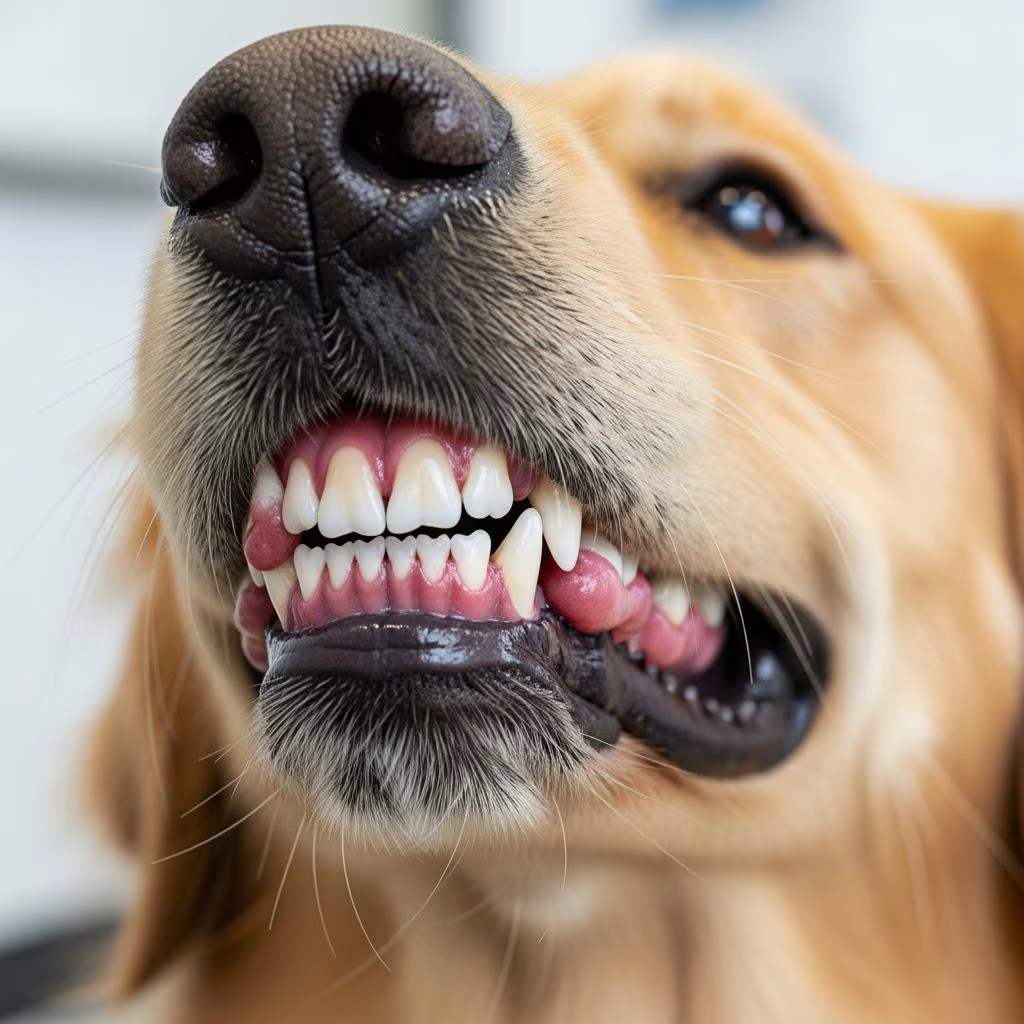
Gingival Hyperplasia in Dogs: A Complete Guide to Abnormal Gum Growth
Gingival hyperplasia is a dental condition characterized by the abnormal growth of excessive gum tissue in dogs. This condition can significantly impact your pet’s oral health, comfort, and quality of life. The gums may appear reddened, enlarged, or may even cover the crowns of the teeth, making it difficult for your dog to eat, chew, and maintain proper oral hygiene. Understanding this condition, its causes, symptoms, and treatment options is essential for pet owners who want to maintain their dog’s dental health.
What is Gingival Hyperplasia?
Gingival hyperplasia refers to the abnormal growth of excessive gum tissue, resulting in an increase in the number of cells within the gingiva. This condition differs from gingival overgrowth, which refers to an increase in gingival volume due to an excessive accumulation of extracellular matrix proteins. In cases of gingival hyperplasia, the tissue is histologically basically normal, aside from usually being inflamed. The condition can range from mild to severe, and in advanced cases, dogs may be unable to close their mouths without chewing on the redundant or hyperplastic tissue.
The gingiva consists of three important zones: the sulcus (the space between the gum and tooth), the junctional epithelium, and the connective tissue attachment. The body maintains these three zones in a relationship termed biologic width, which is crucial for periodontal health.
Causes of Gingival Hyperplasia in Dogs
Gingival hyperplasia in dogs can be caused by several factors, and understanding these causes is important for determining the appropriate treatment plan.
Drug-Induced Hyperplasia
Certain medications have been linked to gingival hyperplasia in dogs. Calcium channel blocking drugs, such as amlodipine and nifedipine, are commonly associated with this condition. These medications are frequently prescribed for dogs with degenerative valvular disease. Studies have shown that gingival hyperplasia was observed in 8.5% of dogs receiving amlodipine, with the minimum duration of treatment before diagnosis being approximately 5 months. Other medications that may cause drug-induced gingival enlargement include cyclosporine, which is used to treat immune-mediated conditions.
Idiopathic Gingival Hyperplasia
When gingival hyperplasia occurs without an identifiable drug-related cause and presents as a generalized condition surrounding many or all teeth in a fairly symmetrical fashion, it is classified as idiopathic gingival hyperplasia. This form of the condition requires surgical intervention for management.
Inflammatory and Hormonal Factors
Gingival enlargement can also result from inflammatory responses to dental plaque accumulation on the tooth crown. As free gingiva becomes inflamed, it becomes edematous, and collagenase begins to break down the stiff collagen fibers in the free gingiva. Additionally, hormonal changes can contribute to gingival hyperplasia in some patients.
Symptoms and Clinical Presentation
Pet owners should be aware of the signs that may indicate gingival hyperplasia in their dogs:
- Reddened or inflamed gum tissue
- Excessive gum growth that covers the crowns of teeth
- Difficulty locating normal gingival tissue in the mouth
- Multiple oral masses or enlargements
- Difficulty eating or chewing
- Bad breath or foul odor from the mouth
- Visible bleeding from the gums
- Changes in eating habits or reluctance to eat
- In severe cases, inability to close the mouth without chewing on the redundant tissue
Why Treatment is Necessary
Untreated gingival hyperplasia can lead to serious complications. The excessive tissue creates pseudopockets that trap food debris, hair, and bacteria between the tissue and teeth. This trapping of debris can result in loss of supporting structures and eventually lead to tooth loss. Additionally, the condition increases the risk of developing periodontal infection and irreversible tissue loss, which are significant reasons why gingival hyperplasia must be addressed promptly.
When inflammation of the free gingiva occurs as a reaction to dental plaque, the tissue becomes edematous and starts to grow up the crown of the tooth (coronally) as well as growing in thickness. This can result in the formation of periodontal pockets, further compromising dental health.
Diagnosis of Gingival Hyperplasia
Diagnosing gingival hyperplasia involves several steps to ensure accurate identification and appropriate treatment planning.
Clinical Examination
Your veterinarian will perform a thorough oral examination to assess the extent and distribution of the gingival enlargement. During this examination, intraoral radiographs may be taken to evaluate the teeth and jawbones, and to determine if there is any underlying periodontal disease or bone loss.
Biopsy and Histopathologic Diagnosis
It is crucial to note that technically, the exact nature of the enlarged tissue cannot be definitively determined without biopsy results. While clinical appearance may suggest hyperplasia, the enlargement could be due to hypertrophy, tumors, or growths that mimic other non-concerning changes. Therefore, all types of gingival enlargement should be biopsied, with samples sent to an oral pathologist for accurate diagnosis. Some gingival enlargements may actually be benign oral masses, such as fibromas, which can mimic gingival hyperplasia but require different management approaches.
Medication History
An essential part of diagnosis involves determining whether the patient is on any medications that might be causing drug-induced gingival enlargement. The veterinarian will review the complete medical history and any current medications the dog is taking.
Treatment Options for Gingival Hyperplasia
Treatment approaches depend on the underlying cause and severity of the condition.
Discontinuing Offending Medications
For drug-induced gingival hyperplasia, the first and most important step is to discontinue the offending medication if possible. When amlodipine was discontinued in dogs with amlodipine-induced hyperplasia, the gingival hyperplasia began to resolve within 2 weeks and was complete within 6 months. In some cases, the gingiva will return to normal height and contour with no further treatment required. However, in other cases, some enlargement may persist, and surgical gingivoplasty may still be indicated.
Surgical Intervention
When drug discontinuation is not an option or when idiopathic gingival hyperplasia is present, surgical treatment becomes necessary. The goal of gingival recontouring surgery is to reshape the gingiva back to normal height and thickness, re-establishing normal and healthy gingival architecture.
Surgical Technique
The surgical process typically begins with whole-mouth intra-oral dental cleaning, including ultrasonic scaling and polishing of the teeth. The enlarged tissue is then carefully excised using surgical blades or other precision instruments. Following excision, a high-speed handpiece with appropriate burs is used to contour the gingiva to normal specifications. The objective is to position the new free-gingival margin 1-3 millimeters coronal to the cementoenamel junction. During healing, the tissue will retract to the appropriate level, leaving the patient with normal gingival architecture.
Periodontal Management
If periodontal pocketing extends beyond the cementoenamel junction, indicating a true periodontal pocket, periodontal surgery aimed at preserving and regenerating periodontal tissues may be necessary. Areas of periodontal pocketing are treated with gingival curettage and may include locally applied antimicrobial agents. Diseased teeth that cannot be salvaged may require extraction.
Post-Operative Care
Following surgical treatment, proper post-operative care is essential for successful healing and recovery.
- Antibiotics may be prescribed to prevent infection
- Analgesics are provided to manage pain and discomfort
- Soft food diet is recommended for 1-2 weeks while tissues heal
- Home care (tooth brushing) should be suspended during the healing period
- Once gingival re-epithelialization occurs (typically 7-10 days), owners should resume or begin a daily plaque-control program
- Regular follow-up appointments are scheduled to monitor healing progress
Long-Term Management and Recurrence
One important consideration regarding gingival hyperplasia is that the overgrowth will likely recur, especially in cases of idiopathic hyperplasia. With mild regrowth, retreatment is still needed, though there may not be destruction to the point of tooth loss. Long-term management involves:
- Maintaining a rigorous daily plaque-control program
- Regular professional dental cleanings as recommended by your veterinarian
- Continued monitoring for signs of regrowth or recurrence
- In cases of drug-induced hyperplasia that required medication discontinuation, management of the underlying condition with alternative treatments
For patients predisposed to generalized gingival hyperplasia, maintaining clean teeth through consistent plaque control is particularly important in managing the condition long-term.
Complications if Left Untreated
If gingival hyperplasia is left untreated, several serious complications can develop. The excess tissue traps food and hair between the tissue and teeth, resulting in loss of supporting structures and eventually leading to tooth loss. The false pockets created by the enlargement can cause trauma to the oral tissues, and the condition can lead to unwanted orthodontic tooth movements. Additionally, the increased risk of periodontal infection can compromise overall oral and systemic health.
Frequently Asked Questions
Q: What is the difference between gingival hyperplasia and gingival overgrowth?
A: Gingival hyperplasia refers to the growth of excess gum tissue due to an increase in the number of cells, while gingival overgrowth refers to an increase in gum volume due to excessive accumulation of extracellular matrix proteins. However, both conditions present similarly and require similar treatment approaches.
Q: Can gingival hyperplasia in dogs be cured permanently?
A: While surgical treatment can effectively address the condition, gingival hyperplasia, particularly idiopathic hyperplasia, tends to recur over time. However, with proper plaque control and regular professional care, recurrence can be minimized and managed.
Q: What medications cause gingival hyperplasia in dogs?
A: The most commonly implicated medications are calcium channel blockers, including amlodipine and nifedipine, which are used to treat heart conditions in dogs. Cyclosporine, used for immune-mediated conditions, has also been linked to gingival hyperplasia.
Q: How long does it take for gingival hyperplasia to resolve after stopping the offending medication?
A: In cases of drug-induced hyperplasia, resolution typically begins within 2 weeks of discontinuing the medication and is usually complete within 6 months.
Q: Is biopsy always necessary for gingival enlargement in dogs?
A: Yes, all types of gingival enlargement should be biopsied to ensure accurate diagnosis, as some enlargements may be tumors or other growths that mimic hyperplasia but require different treatment approaches.
Q: How long is the recovery period after gingival hyperplasia surgery?
A: Initial healing occurs within 7-10 days when gingival re-epithelialization is complete. However, full recovery and tissue maturation may take several weeks, during which soft food and limited activity are recommended.
Q: Can I prevent gingival hyperplasia in my dog?
A: While you cannot prevent drug-induced hyperplasia if necessary medications must be continued, you can reduce the risk of inflammatory gingival disease by maintaining consistent daily plaque control, regular tooth brushing, and professional dental cleanings as recommended by your veterinarian.
References
- Focus On: Gingival Hyperplasia — Hale Veterinary Clinic. https://www.haleveterinaryclinic.ca/files/education_handouts/gingivalhyperplasia.pdf
- Dental Corner: A Boxer with Gingival Hyperplasia — DVM360. https://www.dvm360.com/view/dental-corner-boxer-with-gingival-hyperplasia
- Ginigival Hyperplasia — Family Pet Veterinary Center. https://www.fampetvet.com/services/other/blog/ginigival-hyperplasia
- Gingival Hyperplasia Associated with the Administration of Amlodipine in Dogs — Journal of Veterinary Internal Medicine, 2009. https://onlinelibrary.wiley.com/doi/full/10.1111/j.1939-1676.2008.0212.x



