

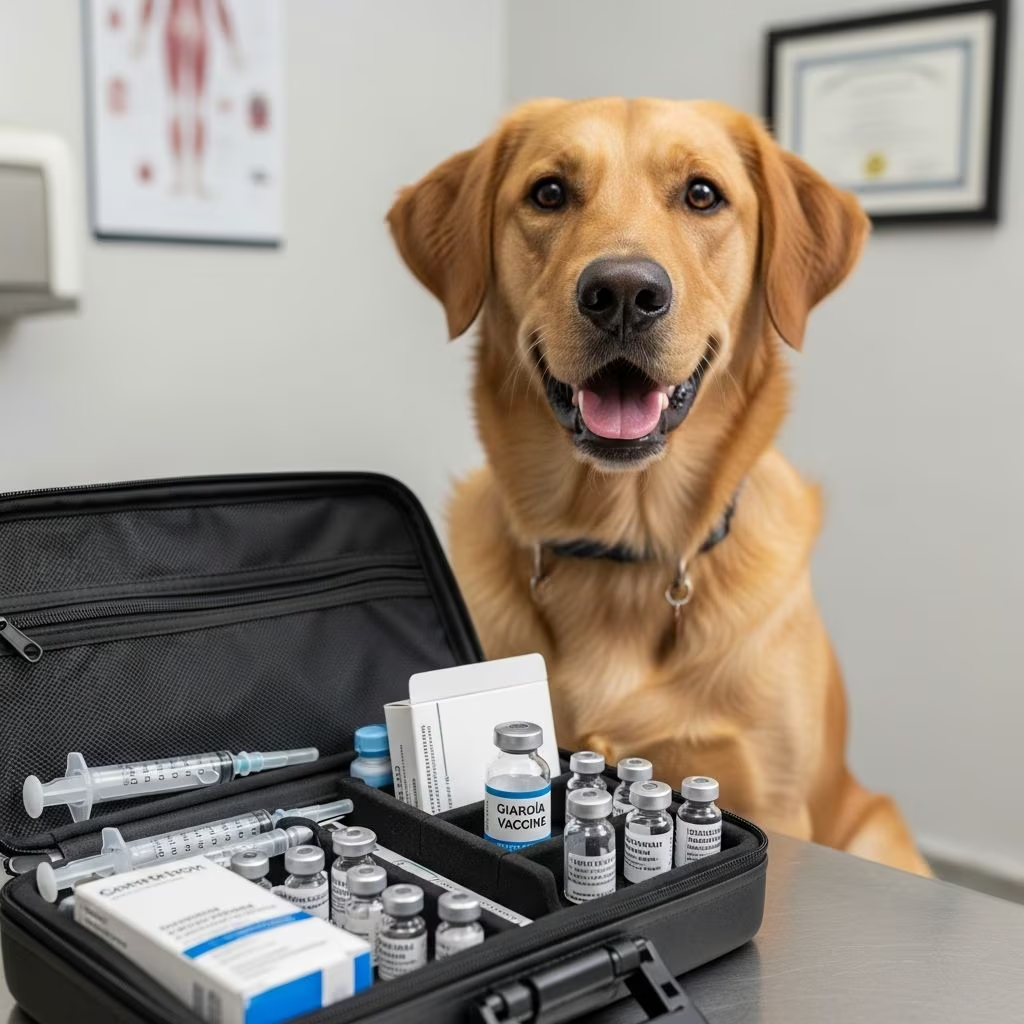
Giardia is a protozoal parasite that frequently infects the intestinal tract of dogs, causing significant digestive complications and potential transmission to other animals and humans. Pet owners seeking to protect their dogs from this parasite have several options available, ranging from preventive vaccinations to pharmaceutical treatments. This guide explores the landscape of giardia management in canines, examining both immunological and medical approaches to control and prevent infection.
What Is Giardia and Why It Matters for Your Dog
Giardia duodenalis represents one of the most common parasitic infections affecting domestic dogs worldwide. This microscopic organism establishes itself in the small intestine, where it can cause severe gastrointestinal distress in infected animals. While some dogs may harbor the parasite asymptomatically, others experience debilitating symptoms that significantly impact their quality of life and can spread infection to other household pets and potentially to human family members.
The parasite possesses a remarkable ability to evade the immune system through a process called antigenic variation, which allows it to change its surface proteins and escape detection by the host’s protective mechanisms. Understanding this evasion strategy has proven crucial in developing more effective vaccines and treatment protocols.
The Evolution of Giardia Vaccination Technology
Vaccination approaches for giardia have undergone significant development over recent decades. Early commercial vaccines consisted of killed trophozoites harvested from infected animals, which offered mixed results in clinical settings. However, contemporary research has identified more sophisticated formulations that target the parasite’s primary vulnerability: its variable surface proteins (VSPs).
Modern vaccine development focuses on exposing the dog’s immune system to the complete repertoire of VSPs that the parasite can express. This comprehensive antigenic approach aims to train the immune system to recognize and eliminate giardia regardless of which surface protein configuration the organism displays. Research conducted on various animal models, including dogs and cats, has demonstrated that vaccines incorporating multiple VSPs can achieve high levels of protection against both new infections and chronic disease states.
How Contemporary Giardia Vaccines Function
Advanced giardia vaccines operate on a principle of comprehensive immune training. The vaccine preparation contains viral surface proteins isolated directly from trophozoites that express the full range of VSPs encoded within the parasite’s genome. These proteins are particularly suitable for oral administration because they resist degradation from stomach acid and intestinal enzymes, allowing them to reach the intestinal immune system intact.
When administered orally, these vaccine components stimulate the dog’s mucosal immune system in the small intestine, where giardia naturally resides. This local immune activation creates a protective barrier that prevents the parasite from establishing infection. Additionally, research indicates that vaccinated dogs show significantly reduced cyst shedding even when exposed to the parasite, which reduces environmental contamination and transmission to other animals.
One particularly significant finding from field studies in endemic areas demonstrates that vaccination of pets can decrease infection rates in human community members, suggesting that controlling giardia in dogs provides broader public health benefits by reducing zoonotic transmission.
Effectiveness and Clinical Outcomes of Giardia Immunization
Clinical evidence supporting giardia vaccines presents a nuanced picture. Early commercial vaccines showed variable efficacy in controlled studies, with some research demonstrating significant reductions in cyst shedding and symptom resolution, while other investigations found no statistically significant differences between vaccinated and unvaccinated control groups.
Newer vaccine formulations utilizing the complete VSP repertoire approach show more promising results in experimental settings. These vaccines have demonstrated the ability to:
- Prevent new giardia infections in vaccinated dogs exposed to the parasite
- Reduce the severity of chronic giardiasis in previously infected animals
- Substantially decrease or eliminate cyst shedding in treated dogs
- Provide both prophylactic and therapeutic benefits
- Function effectively in both experimental and natural infection scenarios
The variability in outcomes between different vaccine formulations and study designs underscores the importance of consulting with a veterinary professional to determine whether vaccination is appropriate for an individual dog’s circumstances.
Pharmaceutical Treatment Options for Giardia Infection
When giardia infection occurs, several pharmaceutical interventions have proven effective at eliminating the parasite from the dog’s system. These medications work through different mechanisms to disrupt the parasite’s survival and reproduction.
Metronidazole: The Traditional First-Line Treatment
Metronidazole has historically served as the primary medication for treating giardia infections in dogs. This antibiotic possesses both antibacterial and antiprotozoal properties, making it effective against giardia and various other parasitic infections. The FDA approved Ayradia, a metronidazole oral suspension formulated specifically for canine use, in October 2023, marking the first animal drug product formally approved for treating giardia duodenalis in dogs.
For dogs, metronidazole is typically administered at dosages ranging from 10-25 mg/kg twice daily for 5-8 days. The FDA-approved formulation specifically recommends 25 mg/kg twice daily for five days. Most dogs tolerate this medication well, though vomiting and diarrhea represent the most commonly reported adverse effects, generally resolving without additional treatment.
Fenbendazole: An Increasingly Preferred Alternative
Fenbendazole, administered at 50 mg/kg once daily for 3-5 days, offers an effective alternative to metronidazole for giardia treatment. This medication is approved for giardia treatment in dogs throughout Europe, and emerging evidence suggests it may demonstrate superior efficacy compared to metronidazole in eliminating giardia infections. Veterinarians in North America are increasingly recommending fenbendazole as a preferred option based on this accumulating evidence.
Combination Antiparasitic Therapy
DrontalPlus, a combination medication containing febantel, pyrantel pamoate, and praziquantel, represents another effective treatment option for giardia in dogs. This broad-spectrum antiparasitic is administered daily for three consecutive days according to dosing guidelines printed on the product label, and clinical evidence demonstrates its effectiveness at eliminating giardia infections.
Medications to Avoid
While albendazole demonstrates antiparasitic activity against giardia, this medication is contraindicated in dogs due to safety concerns. Veterinarians do not recommend albendazole for canine giardia treatment despite its efficacy, as the risks to canine patients outweigh therapeutic benefits.
Determining When Treatment Is Necessary
An important consideration in giardia management involves distinguishing between asymptomatic carriage and clinically significant infection. Current veterinary consensus, as reflected in major professional guidelines, suggests that asymptomatic dogs without clinical signs of disease may not require pharmaceutical treatment in all cases.
For symptomatic dogs, treatment with appropriate medications combined with environmental management represents the standard of care. Dogs displaying gastrointestinal symptoms including diarrhea, weight loss, and malabsorption signs should receive pharmacological intervention.
In cases where dogs harbor non-zoonotic giardia assemblages and remain asymptomatic, dietary modifications incorporating increased fiber content and probiotic supplementation may provide sufficient management without pharmaceutical intervention. However, for zoonotic assemblages or symptomatic infections, medication becomes necessary.
Comprehensive Environmental Management and Prevention
Preventing giardia reinfection and transmission requires attention to environmental hygiene beyond pharmaceutical or vaccine interventions alone. Comprehensive management strategies include:
- Regular bathing of infected dogs to remove cysts from the skin and coat
- Prompt removal and disposal of fecal matter from living areas
- Cleaning and disinfection of contaminated materials and surfaces
- Separation of infected animals from uninfected household pets during the acute infection period
- Prevention of access to potentially contaminated water sources
- Regular assessment through fecal testing to confirm treatment effectiveness
Environmental decontamination proves particularly important in households with multiple dogs or in situations where repeated reinfection occurs despite successful medication courses.
Vaccination Versus Treatment: Making the Right Choice for Your Dog
The decision to vaccinate against giardia or await treatment should infection occur depends on several factors specific to each dog’s circumstances. Dogs living in endemic areas with high giardia prevalence may benefit from preventive vaccination, particularly if they frequent environments with known parasite exposure such as dog parks, water sources, or community spaces with poor sanitation.
Conversely, dogs living in lower-risk environments with minimal exposure opportunity may not require vaccination, relying instead on prompt diagnosis and treatment should infection occur. The variability in vaccine effectiveness across different formulations also influences this decision, as some vaccines demonstrate more consistent clinical benefits than others.
Veterinarians can assess individual risk factors and recommend the most appropriate strategy for each dog’s unique situation, considering lifestyle, geographic location, and exposure potential.
Frequently Asked Questions About Giardia in Dogs
Can humans contract giardia from infected dogs?
Yes, giardia duodenalis possesses zoonotic potential, meaning it can transmit from infected dogs to human family members. This transmission risk represents a significant consideration for households with young children or immunocompromised individuals. Vaccination of dogs in endemic areas has been shown to reduce infection rates in human community members, suggesting that controlling giardia in pets provides broader household health benefits.
What symptoms indicate my dog has giardia?
While asymptomatic infections occur, symptomatic giardia typically causes diarrhea, which may be severe. Affected dogs may also exhibit weight loss, poor coat condition, and signs of malabsorption. However, giardia infection cannot be definitively diagnosed based on clinical signs alone; fecal testing by a veterinarian is necessary to confirm infection.
How long does giardia treatment take?
Most pharmaceutical treatments require 3-8 days of administration. Metronidazole typically requires 5-8 days, while fenbendazole and DrontalPlus require shorter courses of 3-5 days and 3 days respectively. Follow-up testing may be recommended to confirm successful treatment, particularly if clinical signs persist.
Is giardia vaccination recommended for all dogs?
Vaccination is not universally recommended for all dogs. Rather, it represents an optional intervention for dogs in high-risk situations with potential exposure to the parasite. Discussion with a veterinarian about individual risk factors helps determine whether vaccination is appropriate.
Can my dog get reinfected with giardia?
Yes, reinfection is possible if dogs are re-exposed to the parasite through contaminated environments or sources. This underscores the importance of environmental decontamination and continued prevention measures even after successful treatment.
The Role of Veterinary Guidance in Giardia Management
While information about giardia vaccines and treatments provides valuable context, the decision regarding appropriate management for an individual dog should always involve consultation with a qualified veterinarian. Veterinary professionals can assess infection status through diagnostic testing, evaluate risk factors specific to the dog’s lifestyle and environment, and recommend the most suitable intervention strategy.
The landscape of giardia management continues to evolve as research advances our understanding of vaccine effectiveness and pharmaceutical options improve. Staying informed through consultation with veterinary experts ensures that dogs receive the most current and effective protection available.
References
- Vaccination of domestic animals with a novel oral giardia vaccine — National Center for Biotechnology Information (NCBI), PMC5707882. 2018. https://pmc.ncbi.nlm.nih.gov/articles/PMC5707882/
- FDA Approves First Treatment for Giardia duodenalis in Dogs — U.S. Food and Drug Administration (FDA). 2023-10-11. https://www.fda.gov/animal-veterinary/cvm-updates/fda-approves-first-treatment-giardia-duodenalis-any-animal-species
- Giardia Guidelines — Companion Animal Parasite Council (CAPC). 2024. https://capcvet.org/guidelines/giardia/



