

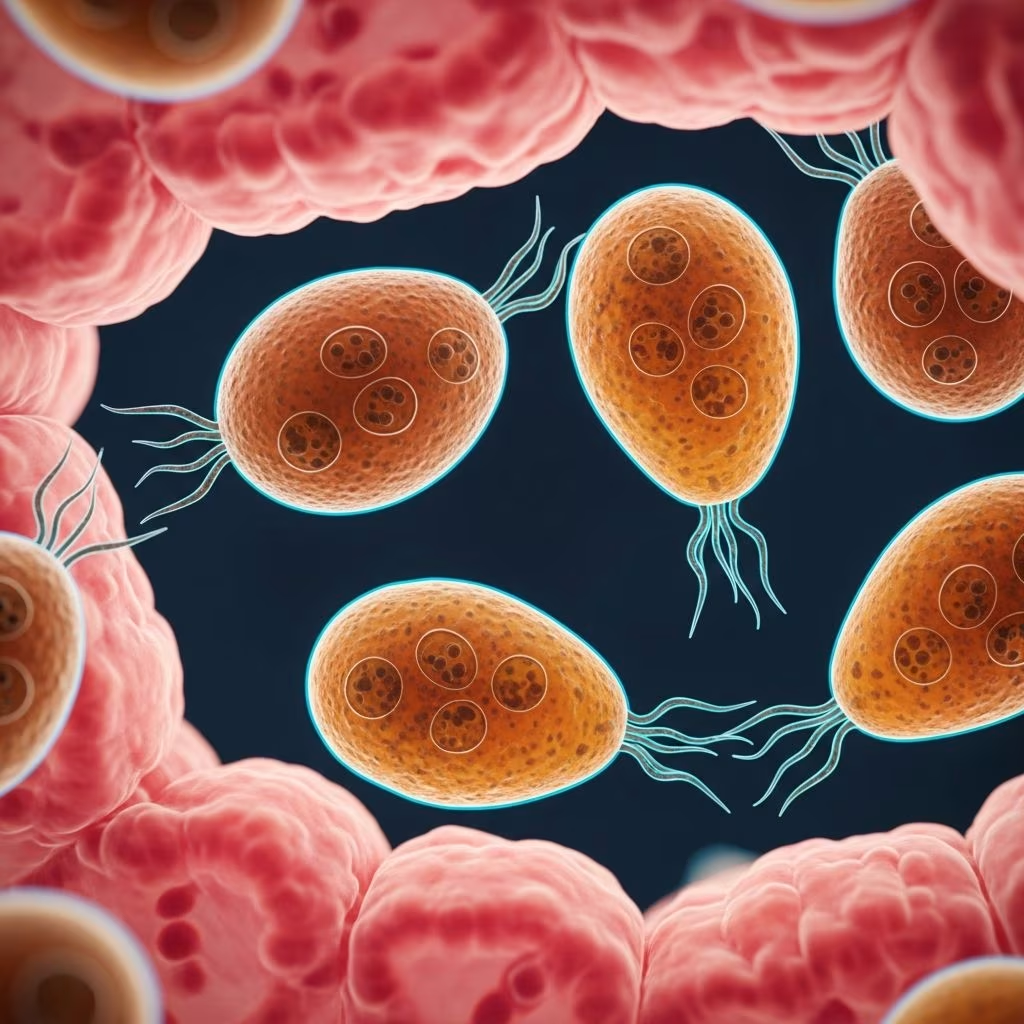
Giardia is a common intestinal parasite that affects dogs, causing gastrointestinal issues like diarrhea and discomfort. This protozoan infection, known as giardiasis, spreads easily through contaminated water, food, or feces, making awareness crucial for dog owners.
What is Giardia?
Giardia, or Giardia duodenalis, is a microscopic parasite that resides in the intestines of infected animals, including dogs. It exists in two forms: trophozoites, which attach to the intestinal wall and cause damage, and cysts, which are the infectious, hardy stage shed in feces. These cysts can survive in the environment for months, facilitating transmission.
In dogs, Giardia infection often leads to acute diarrhea due to the parasite’s interference with nutrient absorption. While many dogs show no symptoms, puppies and immunocompromised pets are at higher risk for severe illness.
Symptoms of Giardia in Dogs
The hallmark symptom of Giardia in dogs is foul-smelling diarrhea, which can be soft, watery, greasy, or contain mucus and blood. Other signs include:
- Chronic intermittent diarrhea
- Weight loss despite normal appetite
- Abdominal discomfort or gas
- Vomiting (occasional)
- Lethargy in severe cases
- Fatty stools with a greenish tinge
Symptoms may persist for weeks if untreated, leading to dehydration and malnutrition. Some dogs remain asymptomatic carriers, shedding cysts without obvious illness.
How Do Dogs Get Giardia?
Dogs contract Giardia by ingesting cysts from contaminated sources. Common transmission routes include:
- Drinking from infected ponds, streams, or standing water
- Walking in fecally contaminated soil or grass
- Eating infected prey or feces
- Contact with infected animals at parks, kennels, or doggy daycares
- Poor hygiene in multi-pet households
Giardia is highly contagious among dogs and can spread to cats, wildlife, and humans (zoonotic potential varies by strain).[10] Puppies and dogs with weakened immunity are most susceptible.
Diagnosis of Giardia in Dogs
Veterinarians diagnose Giardia through fecal testing. Key methods include:
- Fecal flotation: Detects cysts under microscopy; may require multiple samples due to intermittent shedding.
- Antigen testing (ELISA): Highly sensitive for Giardia proteins in stool.
- PCR testing: Identifies DNA for definitive confirmation, especially in refractory cases.
Follow-up testing 24-48 hours post-treatment ensures clearance, as antigens may linger.
Treatment for Giardia in Dogs
Treatment aims to eliminate the parasite, resolve symptoms, and prevent reinfection. A multi-faceted approach is standard:
Medications
Commonly prescribed drugs include:
| Medication | Dosage (Typical) | Duration | Notes |
|---|---|---|---|
| Fenbendazole (Panacur®) | 50 mg/kg once daily | 3-5 days | Approved in Europe; effective against cysts. |
| Metronidazole | 10-25 mg/kg twice daily | 5-8 days | FDA-approved oral suspension; common first-line. |
| Combination (Fenbendazole + Metronidazole) | 50 mg/kg + 25 mg/kg BID | 5 days | For refractory cases; reduces shedding. |
Supportive care includes IV fluids for dehydration, probiotics, and high-fiber diets to firm stools.
Bathing and Hygiene
Bathe your dog on the last treatment day to remove cysts from fur. Wash bedding in hot water and disinfect surfaces with steam or bleach solutions (1:32 dilution).
Recovery and Management
Most dogs recover in 5-8 days with treatment. Retest feces post-treatment to confirm cyst elimination. Probiotics and fiber supplements aid gut recovery. Monitor for reinfection signs, as environmental cysts persist.
Humans should wash hands after handling pets or waste, especially with young children or immunocompromised individuals.[10]
Prevention of Giardia in Dogs
Prevent reinfection and new cases with these strategies:
- Hygiene: Pick up feces immediately; avoid contaminated water sources.
- Environmental control: Disinfect with steam; sunlight kills lawn cysts.
- Parasite preventives: Use year-round products like Heartgard® or Simparica TRIO™ to bolster immunity (not Giardia-specific).
- Vaccination: Giardia vaccine available for high-risk dogs; consult your vet.
- Diet and probiotics: High-fiber diets for at-risk pups.
Quarantine infected dogs and treat all household pets simultaneously.
Frequently Asked Questions (FAQs)
Can humans get Giardia from dogs?
Yes, some strains are zoonotic. Practice good hygiene to minimize risk.[10]
How long does Giardia last in dogs?
Untreated, weeks to months; treated cases resolve in 5-8 days.
Is Giardia contagious to other pets?
Highly; treat all in-contact animals.
Can Giardia go away on its own?
Asymptomatic dogs may clear it, but treatment is recommended for symptomatic cases to prevent spread.
What if treatment fails?
Retest, switch meds, or address environmental reinfection.
Long-Term Outlook
With prompt treatment and hygiene, prognosis is excellent. Recurrent infections occur if environment isn’t managed. Regular vet check-ups and fecal screenings maintain health.
Giardia underscores the importance of parasite vigilance. By understanding transmission and acting swiftly, owners protect their dogs and families.
References
- Giardia in Dogs — PetMD. 2023. https://www.petmd.com/dog/conditions/infectious-parasitic/giardia-dogs
- Giardia in Dogs: Symptoms & Treatment — VCA Animal Hospitals. 2023. https://vcahospitals.com/know-your-pet/giardia-in-dogs
- Treatment and Prevention of Giardia in Dogs — Chimacum Valley Veterinary Hospital. 2024. https://chimacumvet.com/blog/treatment-and-prevention-of-giardia-in-dogs/
- Giardia: Infection, treatment and prevention — Cornell University College of Veterinary Medicine. 2024-01-14. https://www.vet.cornell.edu/departments-centers-and-institutes/riney-canine-health-center/canine-health-topics/giardia-infection-treatment-and-prevention
- Giardia — Companion Animal Parasite Council (CAPC). 2025-02-06. https://capcvet.org/guidelines/giardia/



