

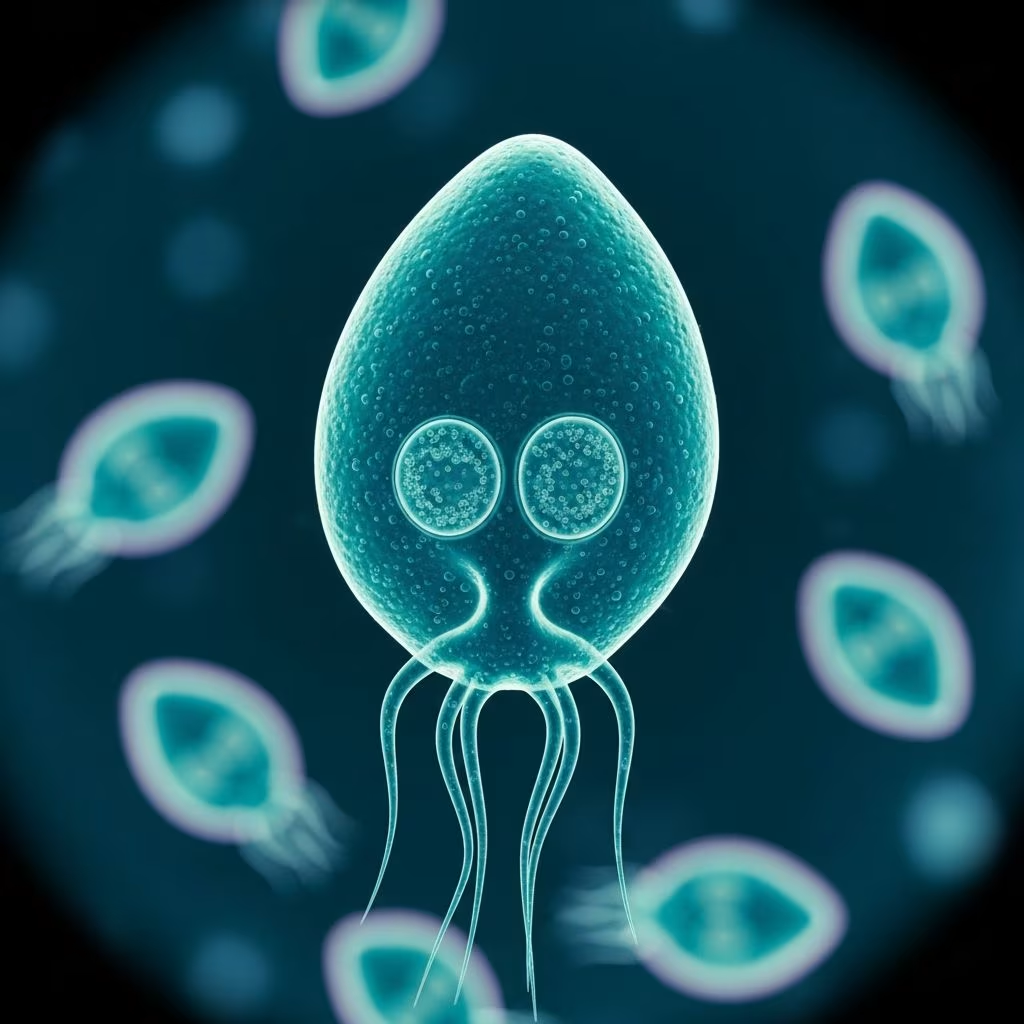
Giardia represents a common intestinal parasite affecting dogs, leading to digestive issues that can range from mild to severe. This protozoan infection spreads easily through contaminated environments, making awareness crucial for dog owners. Early detection and proper management help restore pet health and prevent outbreaks in multi-pet households or public areas.
Understanding the Giardia Parasite
Giardia belongs to a group of single-celled organisms known as protozoa that reside in the intestines of infected hosts. In dogs, it attaches to the intestinal lining, interfering with nutrient absorption and causing inflammation. The parasite exists in two main forms: the active trophozoite stage, which multiplies in the gut, and the resilient cyst stage, which is shed in feces and survives outside the body to infect new hosts.
Dogs of all ages can contract Giardia, but puppies and dogs with weakened immune systems face higher risks of severe symptoms. The infection thrives in moist environments, explaining its prevalence in kennels, dog parks, and areas with poor sanitation.
Recognizing Signs of Infection
Many dogs carry Giardia without obvious issues, acting as silent spreaders. When symptoms appear, they primarily involve the gastrointestinal tract. Key indicators include:
- Watery, foul-smelling diarrhea, often pale or greasy in appearance
- Gradual or sudden weight loss despite normal appetite
- Lethargy and reduced energy levels
- Abdominal bloating or discomfort
- Dehydration from fluid loss
- Occasional vomiting
These signs can persist for weeks, leading to further complications if untreated. Puppies may show more dramatic effects due to their developing immunity.
How Giardia Spreads Among Dogs
Transmission occurs primarily through the fecal-oral route. Infected dogs shed cysts in their stool, which remain viable in water, soil, or on surfaces for months. A dog ingests cysts by:
- Drinking from contaminated ponds, streams, or puddles
- Licking grass, dirt, or objects soiled by infected feces
- Direct contact with carrier dogs during play or grooming
- Sharing contaminated food bowls, toys, or bedding
Public spaces like dog parks amplify risks, as cysts resist standard cleaning and chlorine in moderate concentrations. Zoonotic potential exists, though certain strains primarily affect dogs without routine human transmission.
Diagnostic Approaches for Confirmation
Veterinarians diagnose Giardia through stool analysis. Common methods include:
| Method | Description | Advantages |
|---|---|---|
| Fecal Flotation | Centrifugal technique to concentrate and identify cysts under microscope | Cost-effective; detects cysts directly |
| Antigen ELISA Tests | Detects Giardia proteins in stool samples | High sensitivity; quick results |
| PCR Testing | Amplifies parasite DNA for precise identification | Distinguishes strains; useful for refractory cases |
Multiple samples may be needed, as shedding is intermittent. Blood tests or imaging rarely aid diagnosis but rule out concurrent conditions.
Veterinary Treatment Protocols
Treatment focuses on eliminating the parasite, managing symptoms, and preventing reinfection. No U.S.-approved drug exists solely for canine Giardia, but veterinarians use proven options effectively.
Primary medications include:
- Fenbendazole: Administered at 50 mg/kg once daily for 3-5 days; highly effective and approved in Europe for this purpose.
- Metronidazole: Given at 10-25 mg/kg twice daily for 5-8 days; FDA-approved oral suspension available at specific doses.
- Combination Therapy: Fenbendazole plus metronidazole for persistent cases, enhancing clearance rates.
Supportive care involves hydration therapy, probiotics, and highly digestible diets to firm stools and support gut recovery. Costs vary, with mild cases averaging around $200-$500 including meds and exams.
Environmental Decontamination Strategies
Medication alone often fails without thorough cleaning, as cysts linger. Essential steps include:
- Daily feces removal using gloves and proper disposal
- Bathing dogs with veterinary shampoo during and post-treatment to remove fur cysts
- Disinfecting surfaces with 1:32 diluted bleach (after rinsing organic matter) or quaternary ammonium compounds
- Washing bedding, toys, and bowls in hot water
- Steam cleaning carpets and yards; avoid shared water sources
Restrict access to high-risk areas like dog parks until retests confirm clearance, typically 2-4 weeks post-treatment.
Preventive Measures for Long-Term Protection
Proactive habits reduce exposure:
- Provide filtered or boiled water during travel or hikes
- Maintain routine fecal testing at vet visits, especially for puppies
- Practice good hygiene: hand washing after handling stool
- Use parasite preventives as recommended by CAPC guidelines
- Quarantine new dogs before introducing to household packs
For breeders or shelters, high-fiber diets with probiotics aid mild cases without drugs in non-zoonotic strains.
Potential Complications and Monitoring
Untreated Giardia can lead to malnutrition, secondary bacterial infections, or chronic enteropathy. Immunocompromised dogs risk refractory infections signaling deeper issues. Post-treatment, monitor for symptom recurrence and perform fecal flotation 24-48 hours after therapy ends. If positive, extend treatment and investigate immunity.
Owners should track weight, stool consistency, and energy. Prompt vet follow-up ensures full resolution.
Frequently Asked Questions
Can humans catch Giardia from dogs?
Possible but uncommon; dog strains rarely infect people. Practice hygiene to minimize risks.
How long does treatment last?
Typically 3-10 days, with retesting 2-4 weeks later.
Is Giardia fatal in dogs?
Rarely, but severe dehydration in puppies requires urgent care.
Can Giardia return after treatment?
Yes, via reinfection; combine meds with cleaning.
Should I treat asymptomatic dogs?
Only if shedding confirmed and in high-risk settings; consult vet.
Key Takeaways for Dog Owners
Giardia demands a multi-faceted response: vet diagnosis, targeted meds, hygiene, and prevention. With diligence, most dogs recover fully, resuming active lives free from this pesky parasite.
References
- Giardiasis in Dogs — Today’s Veterinary Practice. 2023. https://todaysveterinarypractice.com/parasitology/giardiasis-in-dogs/
- Giardia – Companion Animal Parasite Council — CAPC. 2024. https://capcvet.org/guidelines/giardia/
- Giardia in Dogs: Symptoms & Treatment — VCA Animal Hospitals. 2024. https://vcahospitals.com/know-your-pet/giardia-in-dogs
- About Giardia and Pets — Centers for Disease Control and Prevention (CDC). 2024. https://www.cdc.gov/giardia/about/about-giardia-and-pets.html
- 6 Things to Know About Giardia in Dogs — Coyne Veterinary Center. 2023. https://coynevetcare.com/blog/dog-giardia-crown-point-in/



