

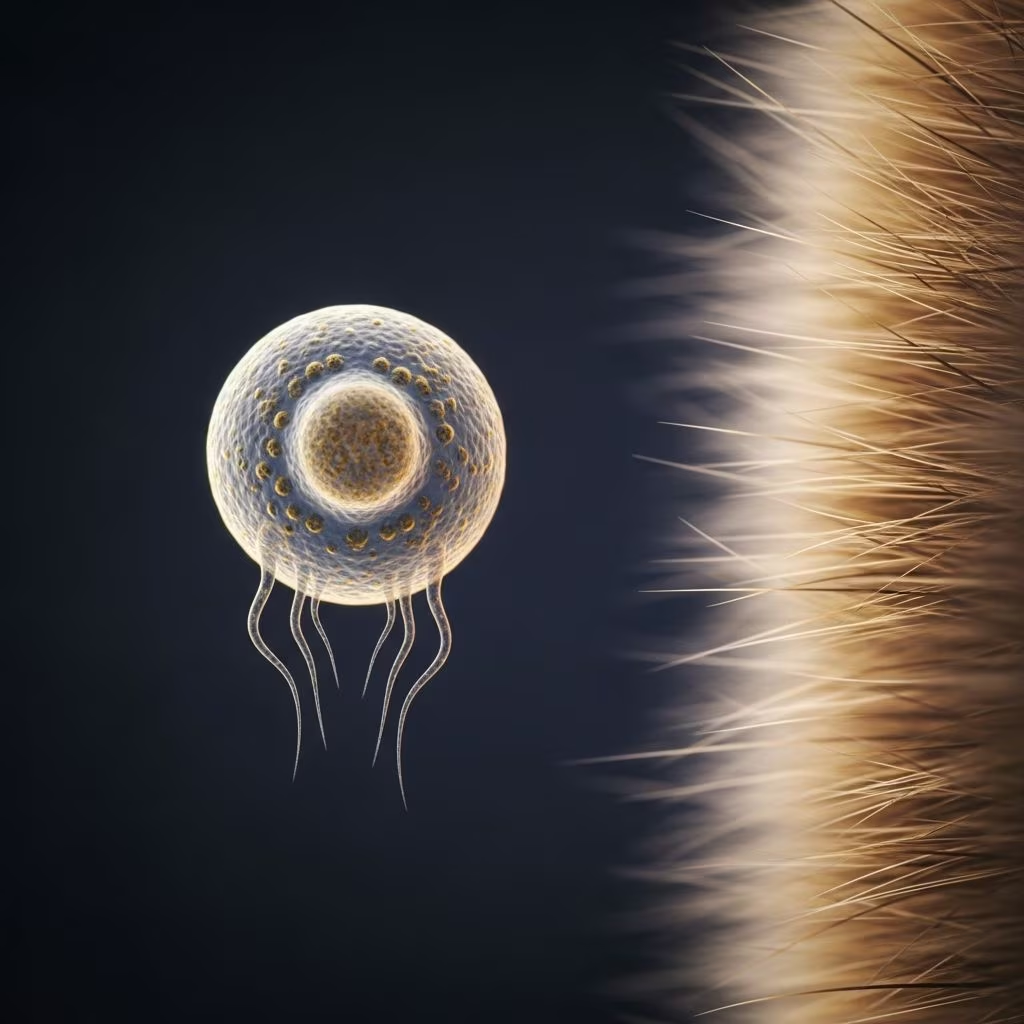
Giardia represents a prevalent intestinal parasite affecting dogs worldwide, leading to digestive disturbances that demand prompt attention from owners and veterinarians alike. This protozoan invader disrupts normal gut function, often resulting in uncomfortable and persistent symptoms that can compromise a dog’s quality of life if left unaddressed.
Understanding the Giardia Parasite
The Giardia organism exists in two primary forms: the active trophozoite stage residing in the dog’s small intestine and the resilient cyst form shed in feces. Trophozoites adhere to the intestinal lining, interfering with nutrient absorption and triggering inflammation. Cysts, protected by a tough outer shell, survive in moist environments for extended periods—sometimes months—making them highly contagious.
Dogs acquire the infection by ingesting as few as ten cysts through contaminated water sources like ponds or puddles, fecally tainted soil during walks, or even grooming after contact with infected surfaces. Puppies under one year and dogs with compromised immunity face heightened vulnerability, as their defenses struggle against rapid parasite multiplication.
Recognizing Symptoms in Your Dog
Not all infected dogs display obvious signs, with many remaining asymptomatic yet capable of spreading cysts. When symptoms emerge, they typically involve the gastrointestinal tract and appear suddenly.
- Foul-smelling diarrhea: Often soft, watery, pale, greasy, or greenish, frequently laced with mucus or blood.
- Abdominal pain: Manifesting as discomfort, bloating, or hunching during defecation.
- Weight loss and lethargy: Due to malabsorption and dehydration, especially in prolonged cases.
- Vomiting: Less common but possible in severe infections.
- Flatulence and poor appetite: Accompanying the primary diarrhea episodes.
Symptom severity varies; acute bouts may resolve briefly before recurring, complicating diagnosis without testing. Owners should monitor stool consistency and frequency, seeking veterinary care if diarrhea persists beyond 24-48 hours.
How Giardia Spreads Among Dogs and Beyond
Transmission occurs primarily fecal-orally, with cysts contaminating shared environments like dog parks, kennels, or home yards. A single infected dog can shed millions of cysts daily, infecting others via communal water bowls or sniffing behaviors.
Reinfection poses a major challenge, as cysts linger on fur, paws, or bedding. Dogs self-grooming post-defecation easily reintroduce the parasite. Zoonotic potential exists, though rare; human infections from dogs are uncommon per CDC guidelines, but handwashing after cleanup remains essential. Multi-pet households amplify risks, necessitating vigilant hygiene across all animals.
Veterinary Diagnosis Methods
Diagnosis starts with a thorough history and fecal examination. Standard flotation tests detect cysts, though sensitivity varies due to intermittent shedding—multiple samples over days improve accuracy.
Advanced options include:
- Antigen ELISA tests: Highly sensitive for detecting Giardia proteins in stool.
- PCR assays: Identify DNA for precise strain differentiation, useful in refractory cases.
- Direct microscopy: Reveals motile trophozoites in fresh samples.
Vets may rule out concurrent issues like bacterial overgrowth or other parasites via complete bloodwork and imaging. Early detection curtails spread and eases treatment.
Comprehensive Treatment Approaches
Treatment targets parasite elimination, symptom relief, and reinfection prevention. Asymptomatic dogs might not require meds, but symptomatic cases demand intervention.
| Medication | Dosage & Duration | Notes |
|---|---|---|
| Fenbendazole (Panacur®) | 50 mg/kg once daily for 3-5 days | Effective against cysts; CAPC-recommended first-line |
| Metronidazole | 10-25 mg/kg twice daily for 5-8 days | FDA-approved oral suspension; often combined for stubborn infections |
| Combination therapy | Fenbendazole + Metronidazole for 5 days | Ideal for refractory diarrhea |
Supportive care includes IV fluids for dehydration, probiotics to restore gut flora, and high-fiber diets aiding cyst passage. Most dogs recover in 5-8 days, with retesting 2-3 weeks post-treatment confirming clearance.
Environmental and Hygiene Protocols
Medication alone often fails without rigorous cleaning, as cysts resist standard disinfectants.
- Daily bathing: Use pet-safe shampoo from hindquarters forward during treatment week to remove cysts.
- Feces removal: Scoop immediately; double-bag and dispose securely.
- Surface disinfection: Employ 1:32 diluted bleach (sodium hypochlorite) on non-porous areas; steam clean fabrics. Quaternary ammonium works on concrete.
- Laundry rotation: Wash bedding/toys in hot water daily; quarantine until cleared.
- Yard management: Hose with boiling water or solarize soil; restrict access to contaminated zones.
Consistency over 2-4 weeks breaks the reinfection cycle.
Prevention Strategies for Long-Term Protection
Proactive measures minimize exposure risks.
- Parasite preventives: While not giardia-specific, broad-spectrum options like Simparica TRIO® bolster immunity against co-infections.
- Giardia vaccine: Available for high-risk dogs; discuss with vet for core protocol inclusion.
- Water safety: Use filtered bowls; avoid stagnant sources on outings.
- Routine fecal checks: Annual screening at wellness visits, especially for pups or boarders.
- Park etiquette: Prevent sniffing/scuffing fecally soiled areas; carry waste bags.
High-risk settings like shelters mandate monthly testing and baths.
Special Considerations for Puppies and Seniors
Immature or aging immune systems heighten severity. Puppies suffer dehydration rapidly, requiring hospitalization for fluids and monitoring. Seniors with comorbidities face prolonged recovery; tailored low-dose meds prevent side effects. Nutritional support via hydrolyzed diets accelerates healing in vulnerable groups.
Frequently Asked Questions (FAQs)
Can my dog get giardia from me?
Reverse zoonosis is unlikely; dogs rarely transmit to humans, but maintain hygiene.
How long is giardia contagious in dogs?
Up to 2-3 weeks post-treatment if reinfected; retest confirms non-shedding.
Is there a home remedy for giardia?
No; vet-prescribed meds are essential. Probiotics aid but don’t eradicate.
Will giardia go away on its own?
Possible in healthy adults, but risks dehydration and spread—treat promptly.
Can all dogs get giardia vaccinated?
Not standard core; recommended for endemic areas or frequent boarders.
Monitoring Recovery and Follow-Up
Post-treatment, observe for resolved stools and energy. Fecal recheck 24-48 hours after meds, plus 2-4 weeks later, ensures success. Persistent signs warrant culture or alternative therapies. Owners tracking via stool journals aid vets in adjustments.
References
- Giardia in Dogs – PetMD — PetMD. 2023. https://www.petmd.com/dog/conditions/infectious-parasitic/giardia-dogs
- Giardia: Infection, treatment and prevention — Cornell University College of Veterinary Medicine. 2024-02-17. https://www.vet.cornell.edu/departments-centers-and-institutes/riney-canine-health-center/canine-health-topics/giardia-infection-treatment-and-prevention
- Giardia in Dogs: Symptoms & Treatment — VCA Animal Hospitals. 2024. https://vcahospitals.com/know-your-pet/giardia-in-dogs
- A Dog Owner’s Guide to Giardia — Ambleside Animal Hospital. 2023-08. https://www.amblesideanimalhospital.com/client-corner/blog/august-2023/a-dog-owner%E2%80%99s-guide-to-giardia
- Giardia – Companion Animal Parasite Council — CAPC. 2025-02-06. https://capcvet.org/guidelines/giardia/
- Giardia in Dogs: Signs, Causes, Treatment and Prevention — CareCredit Well-U. 2024. https://www.carecredit.com/well-u/pet-care/giardia-dogs-signs/
- What to Know About Giardia in Dogs — WebMD. 2024. https://www.webmd.com/pets/dogs/what-to-know-about-giardia-in-dogs
- About Giardia and Pets — Centers for Disease Control and Prevention (CDC). 2024. https://www.cdc.gov/giardia/about/about-giardia-and-pets.html



