

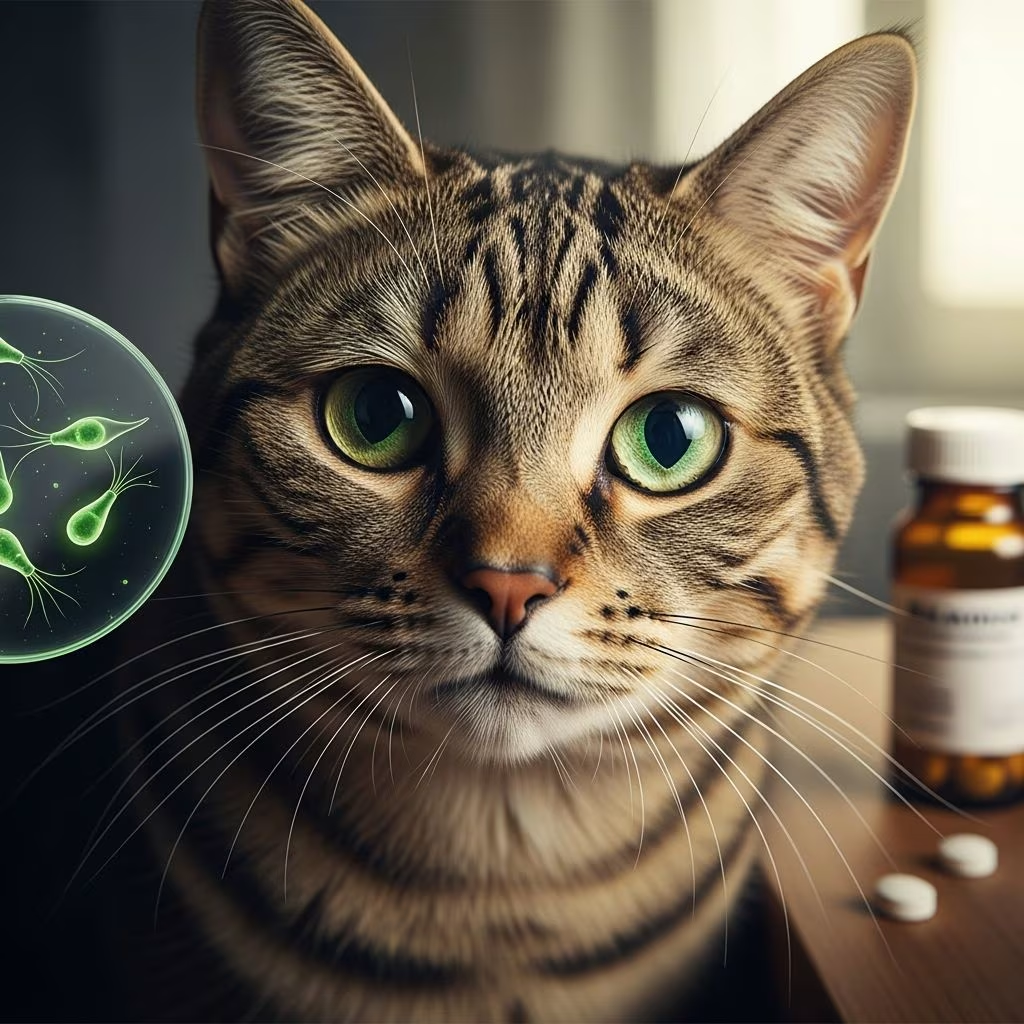
Giardia in Cats: A Complete Guide to Symptoms, Treatment, and Prevention
Giardia is a common parasitic infection that affects cats of all ages, causing uncomfortable digestive issues and potentially serious health complications if left untreated. This intestinal parasite infects the small intestine and can lead to chronic diarrhea, vomiting, weight loss, and general malaise in affected felines. Understanding the signs, symptoms, and available treatment options is crucial for cat owners who want to maintain their pet’s health and wellbeing. This comprehensive guide covers everything you need to know about giardia in cats, from identification to treatment and prevention strategies.
What is Giardia?
Giardia is a protozoan parasite that colonizes the small intestine of cats and other animals. The parasite exists in two forms: the active trophozoite form and the dormant cyst form. Cats become infected when they ingest giardia cysts, which can survive in the environment for extended periods. Once ingested, these cysts travel through the digestive system and attach to the intestinal lining, causing inflammation and malabsorption of nutrients. The infection is known as giardiasis when a cat develops clinical signs from the parasitic colonization.
Transmission and Risk Factors
Giardia spreads through contaminated water, food, soil, and feces. Cats can become infected by drinking from contaminated water sources, grooming themselves after walking through contaminated areas, or through contact with infected animals. Indoor cats may contract giardia through contaminated litter boxes or by ingesting cysts on their fur after grooming. Kittens, senior cats, and immunocompromised cats face higher risk of infection and more severe clinical signs.
Signs and Symptoms of Giardia in Cats
Giardia parasites can damage a cat’s intestinal wall and typically lead to a sudden onset of foul-smelling diarrhea. The clinical presentation varies considerably, with some cats showing no symptoms while others experience significant digestive distress. If your cat has giardiasis, you may notice the following signs:
- Sudden onset of foul-smelling diarrhea
- Soft to watery stools that may appear greenish or contain blood
- Excess mucus in the feces
- Vomiting in some cases
- Weight loss and failure to gain weight in kittens
- Lethargy and decreased activity levels
- Loss of appetite
- Painful abdominal cramping
- Pale, greasy-appearing feces with an unusually foul odor
Some infected cats remain asymptomatic carriers, showing no clinical signs while still shedding infectious cysts in their feces. This makes diagnosis in multi-cat households particularly challenging, as seemingly healthy cats may harbor and transmit the infection to other animals.
Diagnosis of Giardia Infection
Veterinarians use several diagnostic methods to confirm giardia infection. The most common approaches include in-practice ELISA tests for fecal antigens, zinc sulfate flotation of pooled fecal samples, and polymerase chain reaction (PCR) testing. The ELISA test detects giardia antigens (proteins produced by the parasite) in fecal samples and is widely available as a point-of-care test. Zinc sulfate flotation, a traditional microscopic examination method, may require multiple samples since giardia cyst shedding is often intermittent.
Your veterinarian may recommend multiple diagnostic approaches, particularly if initial tests are negative but clinical signs persist. It’s important to note that infection can be detected in clinically healthy cats, so interpretation of positive results requires careful consideration of the cat’s symptoms and overall health status.
Treatment Options for Giardiasis
Fortunately, giardia is treatable with appropriate medication and supportive care. The two most commonly prescribed medications are fenbendazole and metronidazole, both of which are highly effective at eliminating the parasite when administered correctly.
Fenbendazole (Panacur®)
Fenbendazole is a broad-spectrum antiparasitic medication that effectively reduces clinical signs and reduces cyst shedding. This medication is administered orally for 3 to 5 days and is considered safe for pregnant and nursing cats. Fenbendazole works by disrupting the parasite’s metabolism, leading to its elimination from the intestinal tract. The standard dosage is 50 mg/kg daily, though your veterinarian may adjust this based on your cat’s specific condition.
Metronidazole
Metronidazole is an antibiotic that appears to be more effective at treating giardia in cats than in dogs. This medication is administered for 5 to 7 days at a dosage of 25 mg/kg twice daily. However, metronidazole is not safe for pregnant or nursing cats and should be avoided in these cases. The medication works by disrupting the parasite’s DNA synthesis, effectively killing the organism.
Combination Therapy
In certain cases, your veterinarian may recommend administering both fenbendazole and metronidazole together to combat a stubborn giardia infection. This combination approach is particularly useful for cats with refractory diarrhea that hasn’t responded to single-medication treatment. The synergistic effect of both medications often proves more effective than either drug alone.
Medication Administration Tips
Both fenbendazole and metronidazole can be quite bitter, so they’re often manufactured in coated tablet forms. Since cats require precise dosing based on their weight, tablets must frequently be split, exposing the bitter contents. To improve palatability and ensure proper medication administration, veterinary compounding pharmacies can prepare flavored formulations that mask the unpleasant taste. Always follow your veterinarian’s dosing instructions carefully and complete the entire course of treatment, even if symptoms resolve before the medication is finished.
Supportive Care During Treatment
Beyond medication, supportive care plays a crucial role in recovery from giardia infection. Your veterinarian may recommend several supportive measures to help your cat recover more quickly and comfortably.
Dietary Modifications
A highly digestible diet is often prescribed during giardia treatment to ease digestive stress and allow the intestinal lining to heal. These specially formulated diets are gentler on the digestive system and contain easily absorbable nutrients that support recovery. Your veterinarian can recommend appropriate dietary options for your cat’s specific needs.
Hydration Management
Prolonged bouts of vomiting and diarrhea can quickly result in dehydration, creating serious health complications. It’s essential to ensure your cat remains well-hydrated throughout treatment by providing fresh water at all times and monitoring water intake. In severe cases, your veterinarian may recommend subcutaneous or intravenous fluid therapy to restore proper hydration levels.
Additional Medications
Depending on the severity of the infection and your cat’s response to treatment, your veterinarian may prescribe additional medications to manage symptoms. Anti-emetic medications can reduce vomiting, while other supportive drugs may address severe diarrhea or other complications.
Recovery Timeline and Prognosis
The timeline for recovery from giardia infection varies depending on the severity of the infection and individual cat response to treatment. Generally, it takes 3 to 5 days for the parasites to be cleared from the stool once antibiotic treatment begins, and 5 to 7 days for symptoms to resolve completely. However, secondary intestinal changes may persist longer, with diarrhea sometimes continuing for some time after the infection has been eliminated.
Once a cat is infected, there is typically a 1 to 2 week incubation period before clinical signs appear. During this time, the parasite establishes itself in the intestinal tract. The sooner medication is administered after diagnosis, the more quickly recovery can begin. It’s critical to complete the entire prescribed course of medication, even if symptoms appear to clear midway through treatment. Stopping prematurely could lead to incomplete parasite elimination and potential resistance development.
Is Giardia Hard to Get Rid Of?
While giardia is treatable with appropriate medication, it can be challenging to completely eradicate in some cases. Cats may continually reinfect themselves through frequent grooming, ingesting cysts from their fur, or exposure to contaminated environments. Treatment resistance and reinfection are common concerns that require comprehensive management strategies.
With appropriate medication and dosage, most cases of giardia in cats are manageable and responsive to treatment. However, successful eradication requires consistent medication compliance, strict home decontamination protocols, and follow-up testing to ensure the parasite has been completely eliminated. Multi-cat households present particular challenges, as infected animals can continually reinfect each other through shared litter boxes and grooming behaviors.
Environmental Management and Prevention
Eliminating giardia from your cat’s environment is essential for preventing reinfection and protecting other animals in your household.
Fecal Management
Because giardia cysts are infective immediately when passed into the environment, feces should be removed quickly and disposed of properly. Scoop litter boxes at least daily, and dispose of contaminated litter in sealed bags. For infected cats, consider using disposable litter boxes or thoroughly disinfecting reusable boxes between uses.
Hygiene and Bathing
Infected animals should be bathed regularly to remove cysts from the hair coat. This is particularly important for long-haired cats, as cysts can cling to fur and be ingested during grooming. Use warm water and mild cat shampoo, being careful to avoid getting water in the ears. Bathe your cat at least weekly during treatment and for several weeks afterward.
Household Disinfection
Clean and disinfect all areas where your infected cat spends time. Focus particularly on litter box areas, bedding, and any surfaces the cat frequents. Use pet-safe disinfectants and clean thoroughly to eliminate environmental cysts. Giardia cysts are fairly resistant to many common cleaners, so consider using a dilute bleach solution or commercial disinfectants specifically designed for parasites.
Multi-Cat Households
In multi-cat environments where some cats show clinical signs of giardia, treating all animals living together may be more efficient than treating only symptomatic cats. Discuss this approach with your veterinarian to determine the best strategy for your household.
Prevention Strategies
Preventing giardia infection is far preferable to treating it. Several strategies can reduce your cat’s risk of contracting this parasitic infection.
- Provide clean, fresh drinking water at all times; consider using filtered or bottled water
- Keep litter boxes scrupulously clean and separate from food and water bowls
- Prevent access to potentially contaminated water sources like puddles, ponds, or streams
- Maintain regular veterinary care and discuss parasite prevention strategies
- Practice good hygiene, washing hands after handling cats or cleaning litter boxes
- Minimize stress, which can compromise immune function
- Ensure proper nutrition to support healthy immune function
- Consider keeping indoor cats indoors to reduce exposure to environmental contamination
When to Contact Your Veterinarian
Contact your veterinarian if your cat develops sudden onset diarrhea, particularly if it persists for more than a few days or is accompanied by vomiting, lethargy, or weight loss. Seek immediate veterinary attention if your cat shows signs of severe dehydration, bloody diarrhea, or extreme lethargy. During treatment, report any adverse reactions to medications or failure of symptoms to improve as expected.
Frequently Asked Questions About Giardia in Cats
Q: Does giardia in cats go away on its own?
A: No, giardia is a protozoal infectious agent that will not resolve without treatment. Unlike common colds, giardia infections don’t run their course naturally and require oral medications for eradication.
Q: Can giardia be transmitted to humans?
A: While giardia can affect humans, cat-to-human transmission is relatively uncommon. However, practicing good hygiene when handling infected cats or cleaning litter boxes is important, particularly for immunocompromised individuals.
Q: How long does giardia treatment take?
A: Most giardia treatments involve medication administration for 3 to 7 days, depending on the medication used. Symptom resolution typically occurs within 5 to 7 days, though complete intestinal healing may take longer.
Q: Can my cat get giardia again after treatment?
A: Yes, reinfection is possible if your cat is re-exposed to giardia cysts in the environment. Proper environmental decontamination and prevention strategies help minimize reinfection risk.
Q: Is giardia expensive to treat?
A: Medications for giardia eradication are relatively affordable and readily available. However, total treatment costs depend on diagnostic testing, veterinary visits, and any additional supportive care required.
Q: Should asymptomatic cats be treated for giardia?
A: Treatment of asymptomatic giardia-positive cats is generally not recommended to avoid potential bacterial and parasitic resistance development. However, positive cats in contact with immunocompromised people should be treated.
References
- Giardia in Cats — VCA Animal Hospitals. 2024. https://vcahospitals.com/know-your-pet/giardia-in-cats
- Giardiasis in cats: ABCD guidelines on prevention and management — ABCD (European Advisory Board on Cat Diseases). 2024. https://pmc.ncbi.nlm.nih.gov/articles/PMC11148947/
- Giardia in Cats: Symptoms, Causes, and Treatment — PetMD. 2024. https://www.petmd.com/cat/conditions/infectious-parasitic/c_ct_giardiasis
- Feline Giardia: Transmission, Diagnosis, and Treatment — Today’s Veterinary Practice. 2024. https://todaysveterinarypractice.com/parasitology/feline-giardia-transmission-diagnosis-and-treatment/
- Giardia in Cats – Signs & Treatment — Pacific Santa Cruz Veterinary Clinic. 2024. https://www.pacificsantacruzvet.com/site/blog/2024/06/15/giardia-cats



