

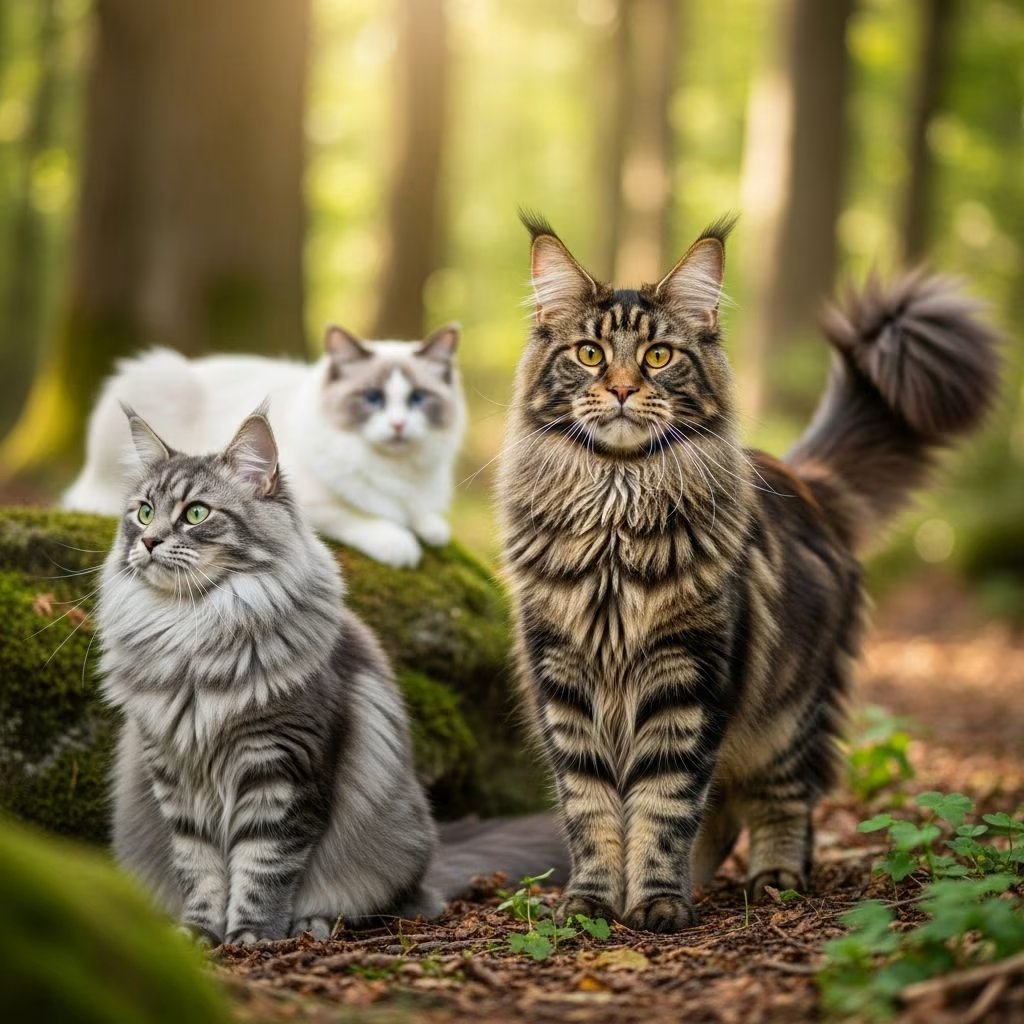
Domestic cats come in a stunning variety of sizes, but certain breeds stand out for their impressive stature and commanding presence. These large cat breeds combine substantial physical builds with endearing personalities, making them beloved choices for pet owners who crave more cat to love. From record-holding giants to athletic hybrids, these felines offer companionship on a grand scale, often weighing over 15 pounds and stretching to impressive lengths.
Why Choose a Large Breed Cat?
Large domestic cats bring unique advantages to households. Their size often correlates with a gentle demeanor, earning them nicknames like “gentle giants.” They tend to be more tolerant of children and other pets, providing a sense of security with their robust frames. However, their needs differ from smaller breeds: they require ample space for play, reinforced furniture to withstand their weight, and higher caloric intake to fuel their growth, which can continue into adulthood.
These breeds often hail from cold climates or wild ancestries, resulting in thick coats and sturdy bodies adapted for endurance. Owners report deeper bonds with these cats due to their dog-like loyalty and sociability. Yet, preparation is key—consider vertical spaces like cat trees and interactive toys to keep their active minds engaged.
The Record-Breaking Maine Coon: King of Domestic Cats
Topping lists as the largest domesticated cat breed, the Maine Coon captivates with its sheer size and charm. Males routinely reach 10-25 pounds and up to 16 inches tall at the shoulder, with body lengths exceeding 40 inches including their signature bushy tails. Originating from the harsh winters of New England, their water-resistant fur, tufted ears, and paw pads equip them for rugged environments.
Personality-wise, Maine Coons embody the “gentle giant” archetype. They are sociable, playful, and highly adaptable, often greeting strangers with curiosity rather than caution. Their dog-like traits include following owners room-to-room and enjoying games of fetch. Maturation is slow, sometimes taking four years to reach full size, so patience with diet and exercise is essential.
Ragdoll: The Relaxed Powerhouse
Ragdolls earn their name from their tendency to go limp when picked up, showcasing remarkable trust. These large cats weigh 12-20 pounds and stand 9-12 inches tall, with semi-long, silky fur in pointed patterns and vivid blue eyes. Their muscular builds make them appear even bigger than their measurements suggest.
Ideal for families, Ragdolls are docile, affectionate, and patient with children. They thrive on human interaction, often becoming lap cats in adulthood. Grooming involves weekly brushing to manage shedding, and they benefit from puzzle feeders to stimulate their intelligent minds. Health-wise, monitor for hypertrophic cardiomyopathy, common in the breed.
Savannah: Wild Looks Meet Domestic Devotion
The Savannah cat blends domestic companionship with exotic flair, resulting from crosses with the African serval. Early generations (F1-F2) are the largest, weighing 12-25 pounds and reaching 17 inches in height, with long legs and spotted coats mimicking wild felines.
High-energy and intelligent, Savannahs demand stimulation through leash walks, water play, and climbing structures. They form intense family bonds but require experienced owners due to their active nature. Legal restrictions apply in some areas because of their wild heritage, so research local laws.
Norwegian Forest Cat: Mythical Forest Dwellers
Evoking Viking legends, the Norwegian Forest Cat (Wegie) features a water-repellent double coat, muscular body, and tufted paws. Sizes range from 9-16 pounds and up to 12 inches tall, with males on the heavier end.
Independent yet loyal, these cats balance adventure with indoor lounging. They excel at climbing and enjoy cooler climates but adapt well with proper enrichment. Regular grooming prevents matting, and their friendly disposition suits multi-pet homes.
Siberian: Hypoallergenic Forest Powerhouse
Hailing from Russian taiga, Siberians boast thick triple coats yet produce fewer allergens, appealing to sensitive owners. They weigh 8-17 pounds (up to 20 in some lines) and stand 11 inches tall.
Playful, agile, and humorous, Siberians leap great heights and love water. Weekly brushing manages fur, and their robust health minimizes vet visits. They bond deeply, making them excellent for active families.
Bengal: Leopard Energy in a Domestic Package
Bengals’ glittered, marbled coats and muscular frames (8-17 pounds, 13 inches tall) scream wildcat aesthetics. High-energy demands include fetch, training, and vertical spaces.
Curious and vocal, they integrate well with dogs but need mental challenges to curb mischief. Minimal grooming suits busy owners, though hybrid vigor promotes longevity.
Other Notable Giants: Chausie, Chartreux, and More
- Chausie: Hybrid with jungle cat roots, 12-15 pounds, 15 inches tall. Athletic climbers needing puzzle toys.
- Chartreux: French breed, 6-15 pounds, 13 inches. Calm, smiling faces, low-maintenance for quiet homes.
- American Bobtail: 7-16 pounds, dog-like loyalty, rugged short coat.
- Ragamuffin: Plush-coated gentle giants, deeply affectionate.
Care Essentials for Oversized Cats
Large breeds share amplified needs:
| Aspect | Recommendations |
|---|---|
| Diet | High-protein formulas for slow growers; portion control to prevent obesity. |
| Space | Cat trees, shelves, wide litter boxes. |
| Grooming | Weekly for long coats; nail trims monthly. |
| Exercise | Interactive play 20-30 mins daily. |
| Health | Screen for HCM, joint issues; annual vet checks. |
Invest in sturdy scratching posts and orthopedic beds to support their weight.
Health Considerations for Big Cats
Size predisposes these breeds to joint strain, obesity, and heart conditions like HCM in Ragdolls and Maine Coons. Early spaying/neutering aids growth control, and weight monitoring prevents diabetes. Reputable breeders screen for genetic issues.
Comparing Top Large Breeds
| Breed | Weight (lbs) | Height (in) | Energy Level | Family Fit |
|---|---|---|---|---|
| Maine Coon | 10-25 | Up to 16 | Medium | Excellent |
| Ragdoll | 12-20 | 9-12 | Low | Excellent |
| Savannah | 12-25 | Up to 17 | High | Experienced owners |
| Norwegian Forest | 9-16 | Up to 12 | Medium | Good |
| Siberian | 8-17 | Up to 11 | High | Good |
Frequently Asked Questions (FAQs)
What is the biggest domestic cat breed?
The Maine Coon, with males up to 25 pounds and 40+ inches long.
Are large cats good with kids?
Yes, breeds like Maine Coon and Ragdoll are notably patient and gentle.
Do big cats need special food?
They benefit from large-breed formulas supporting slow growth and joint health.
Can Savannah cats be indoor-only?
With ample stimulation, yes, but they crave activity.
How much do large cats shed?
Moderately to heavily; regular grooming is key for long-haired varieties.
References
- The 12 Largest Domestic Cat Breeds — Pumpkin Pet Insurance. 2023. https://www.pumpkin.care/post/largest-cat-breeds
- Top 10 Large Cat Breeds Every Pet Parent Should Know — PetSafe. 2023. https://www.petsafe.com/blog/large-cat-breeds/
- 8 Biggest Cat Breeds! — YouTube (Veterinarian Dr. Wooten). 2023. https://www.youtube.com/watch?v=P5m26GQwPDw
- The 8 Largest Domestic Cat Breeds in the World — Purina UK. 2023. https://www.purina.co.uk/find-a-pet/articles/cat-types/breed-guides/big-cat-breeds



