

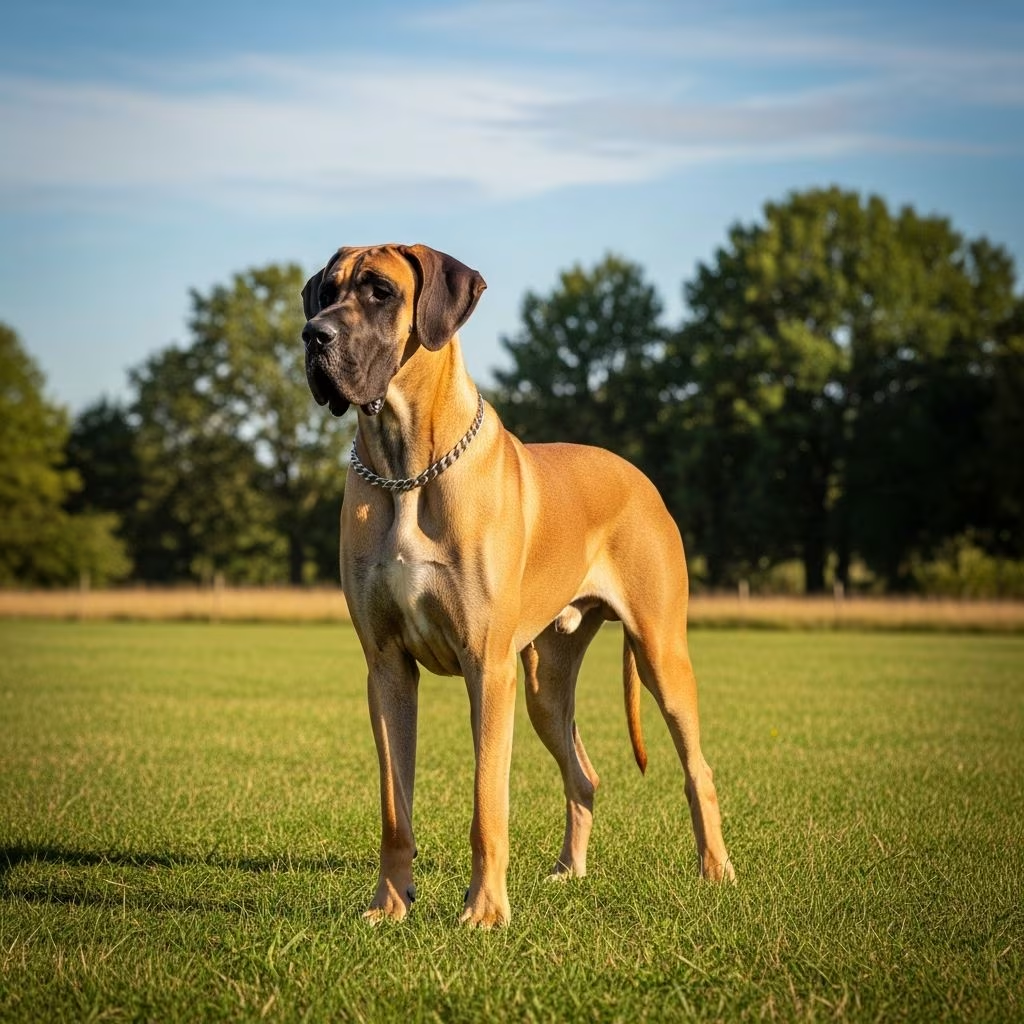
Giant dog breeds captivate with their towering statures and gentle dispositions, often called “gentle giants” for good reason. These massive canines, typically weighing over 100 pounds and standing more than 28 inches at the shoulder, trace roots to working roles like guarding livestock, hunting large game, or pulling carts. Today, they adapt well as family pets when provided ample space, exercise, and specialized care.
Defining Giant Breeds: Size Standards and Classifications
Giant breeds exceed large dogs, with males often surpassing 110 pounds and 30 inches tall. The American Kennel Club (AKC) recognizes several as among the tallest or heaviest, measured at the withers (shoulder height). Key distinctions include:
- Height-focused giants: Irish Wolfhound (up to 35 inches), Great Dane (30-34 inches).
- Weight-heavy giants: English Mastiff (up to 230 pounds), Boerboel (200 pounds).
- Balanced giants: Breeds like Anatolian Shepherd (150 pounds, 32 inches).
These sizes demand homes with room to move; apartments rarely suit them unless owners commit to daily outings.
Top Giant Breeds and Their Distinctive Traits
Each giant breed brings unique history and personality. Below, we profile standout examples based on AKC standards and veterinary insights.
| Breed | Height (inches) | Weight (lbs) | Origin Role |
|---|---|---|---|
| Irish Wolfhound | 30-35 | 105-180 | Big-game hunter |
| Great Dane | 28-34 | 110-175 | Boar hunter/guardian |
| English Mastiff | 27-30 | 160-230 | War dog/guardian |
| Anatolian Shepherd | 27-32 | 80-150 | Livestock guardian |
| Bernese Mountain Dog | 23-28 | 70-115 | Draft/carting dog |
Irish Wolfhound: The Towering Hunter
Standing as the tallest AKC-recognized breed, Irish Wolfhounds reach 3 feet at the shoulder, with a wiry coat and elegant build. Bred in ancient Ireland to chase wolves and elk, they now serve as dignified companions. Gentle yet athletic, they require fenced yards for sprints but tire quickly, suiting calmer lifestyles. Lifespan averages 6-8 years due to heart issues and bloat.
Great Dane: Apollo of Dogs
Great Danes embody grace in enormity, with sleek coats and heights up to 34 inches. Originating in Germany for boar hunting and estate protection, they’re now laid-back family dogs. Friendly with kids and alert to threats, they lean against owners for affection. Space and moderate exercise prevent joint strain; watch for gastric dilatation-volvulus (GDV).
English Mastiff: The Ultimate Guardian
Heaviest of all breeds at up to 230 pounds, English Mastiffs feature wrinkled faces and massive frames. Medieval war dogs turned loyal protectors, they deter intruders with presence alone. Docile indoors, they bond deeply with families but need socialization to accept strangers. Early training counters stubbornness; prone to hip dysplasia.
Anatolian Shepherd: Independent Protector
Built for Turkish mountains, Anatolians weigh 150 pounds with a double coat for harsh weather. Livestock guardians by heritage, they’re territorial and smart, preferring to patrol rather than engage. Loyal to “their” people and flocks, they bark assertively. Firm, positive training from puppyhood is essential; excellent for rural homes.
Bernese Mountain Dog: Versatile Alpine Worker
Tri-color coated Berners from Switzerland excel at cart-pulling and herding. At 115 pounds, they’re playful yet patient, thriving in cool climates and loving hikes. Affectionate family members, they demand grooming for shedding and vigilance against cancers shortening life to 7-10 years.
Care Essentials for Thriving Giants
Owning a giant breed means planning for their scale. Key areas include:
- Nutrition: High-quality, large-breed formulas with controlled calcium to support bone growth. Feed multiple small meals to avoid bloat.
- Exercise: 1-2 hours daily of walks or play, avoiding high-impact until 18-24 months when growth plates close.
- Grooming: Weekly brushing; drooling breeds like Mastiffs need face wiping.
- Vet Care: Annual orthopedic exams; joint supplements from age 1.
Health Challenges and Prevention
Giants face accelerated aging and skeletal stresses. Common issues:
- Hip/Elbow Dysplasia: Affects mobility; manage with weight control and glucosamine.
- Bloat (GDV): Life-threatening stomach twist; elevated bowls and gastropexy surgery recommended.
- Cardiomyopathy: Heart enlargement in breeds like Wolfhounds; screen parents.
- Osteosarcoma: Bone cancer prevalent in fast-growing giants.
Choose breeders using OFA/CHIC certifications for hips, hearts, and eyes. Lifespans range 6-10 years, shorter than smaller breeds.
Training Strategies for Massive Canines
Giants learn quickly but test boundaries due to strength. Start at 8 weeks:
Positive Reinforcement: Treats and praise over force; short 5-10 minute sessions.
Socialization: Expose to people, dogs, and noises before 16 weeks.
Commands: Focus on “sit,” “stay,” “leave it,” and recall—vital for 150-pound pullers.
Professional trainers help with guardian instincts in breeds like Boerboels or Tibetan Mastiffs.
Lifestyle Fit: Who Suits a Giant?
Not for novices or small spaces. Ideal owners have:
- Fenced yards (6+ feet high).
- Experience with power breeds.
- Time for grooming, exercise, and vet budgets ($2,000+ yearly).
- Family commitment, as giants grieve separation.
They’re patient with supervised kids but can accidentally topple toddlers. Multi-pet homes work if introductions are gradual.
FAQs on Giant Dog Breeds
Q: What’s the largest dog breed by height?
A: Irish Wolfhound, often exceeding 32 inches.
Q: Do giant breeds make good apartment dogs?
A: Rarely; they need space to stretch and avoid destructive boredom.
Q: How much do giant puppies cost?
A: $1,500-$5,000 from reputable breeders; rescues offer adults cheaper.
Q: Can giants live long, healthy lives?
A: With proactive care, many reach 8-10 years despite predispositions.
Q: Are all giants aggressive?
A: No; most are gentle if socialized, though protective instincts vary.
Choosing Your Giant Companion
Research breeds matching your lifestyle—active for Wolfhounds, mellow for Danes. Visit breeders or rescues, prioritize health-tested lines. These behemoths repay dedication with unwavering loyalty, filling homes with presence and love. Prepare for the commitment, and a giant breed becomes a lifelong friend.
References
- Meet the Largest Dog Breeds: What to Know About Giant Dogs — American Kennel Club (AKC). 2023. https://www.akc.org/expert-advice/dog-breeds/16-largest-dog-breeds/
- 17 Biggest Dog Breeds and How to Care for Them — PetMD. 2023. https://www.petmd.com/dog/general-health/biggest-dog-breeds
- Meet the 25 Largest Dog Breeds Who Make Good Companions — Rover.com. 2023. https://www.rover.com/blog/giant-dog-breeds/
- Largest Dog Breeds — American Kennel Club (AKC). 2023. https://www.akc.org/dog-breeds/largest-dog-breeds/
- Get To Know Giant Breed Dogs — ASPCA Pet Health Insurance. 2023. https://www.aspcapetinsurance.com/resources/giant-breed-dogs/



