

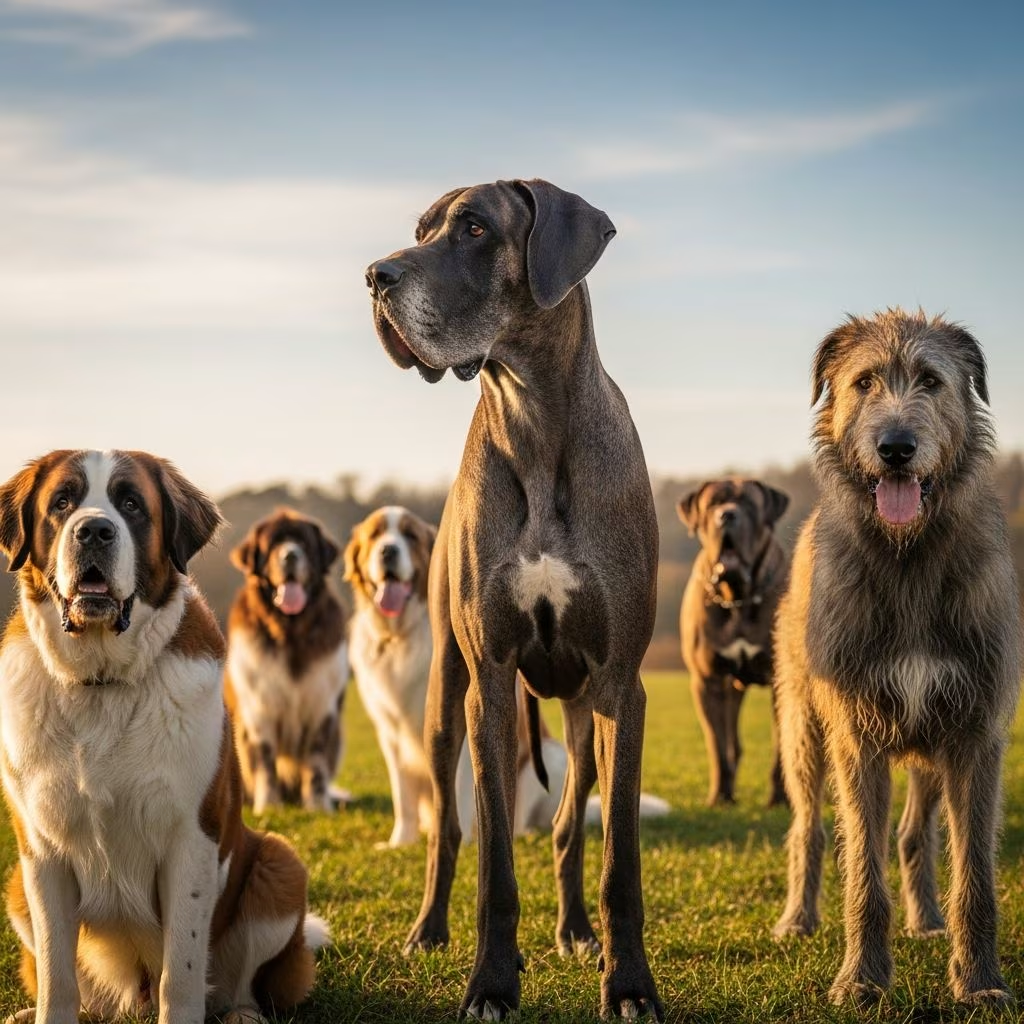
Giant dog breeds captivate with their enormous size, gentle spirits, and unwavering loyalty. These massive canines, often towering over 30 inches at the shoulder and weighing more than 100 pounds, trace their roots to roles like livestock guardians, hunters, and farm workers. Today, they thrive as family pets, watchdogs, and therapy dogs, provided owners meet their unique physical and emotional demands.
Defining Giant Dog Breeds: Size and Standards
Giant breeds stand out by American Kennel Club (AKC) standards, typically exceeding 100 pounds for males and reaching heights of 28 inches or more. Breeds like the Irish Wolfhound claim the title of tallest, with some males surpassing 32 inches, while others like the Mastiff dominate in sheer mass, often topping 200 pounds. These dimensions demand spacious living areas, reinforced furniture, and substantial food budgets.
- Height benchmarks: Measured at the shoulder; Irish Wolfhound (30+ inches), Great Dane (28-32 inches).
- Weight ranges: Vary widely; Anatolian Shepherd (80-150 pounds), Leonberger (90-170 pounds).
- AKC recognition: All featured breeds are AKC-registered, ensuring breed standards for health and temperament.
Top Giant Breeds: Profiles and Personalities
Each giant breed brings distinct history, looks, and behaviors. Below, we profile standout examples, drawing from authoritative breed descriptions.
Irish Wolfhound: The Towering Hunter
Regarded as the tallest dog breed, the Irish Wolfhound combines elegance with power. Historically bred in Ireland for wolf hunting since the 15th century, these sighthounds stand 30-34 inches tall and weigh 105-120 pounds. Despite their imposing stature, they exhibit calm, sweet dispositions, making them dignified home companions. Owners note their gentle nature with children but stress the need for secure fencing due to chase instincts.
Great Dane: Gentle Giants in Residence
Great Danes, originating from Germany as boar hunters and estate guardians, reach 28-32 inches and 110-175 pounds. Nicknamed “gentle giants,” they are friendly, patient, and low-energy indoors, ideal for apartments with outdoor access. Their short coat requires minimal grooming, but their size calls for early training to manage enthusiastic greetings.
Mastiff: The Protective Powerhouse
Mastiffs embody quiet strength with broad heads, wrinkled brows, and weights up to 230 pounds. Developed as guardians in ancient England, they are courageous yet docile, forming deep family bonds while remaining wary of outsiders. Post-WWII, their numbers nearly vanished, revived through U.S. efforts. Positive reinforcement training suits their sensitive souls.
Bernese Mountain Dog: Swiss Farm Favorites
With tri-color coats suited to cold climates, Bernese Mountain Dogs (70-115 pounds, 23-27.5 inches) excel at carting and herding in Switzerland. Affectionate and versatile, they adore hikes and family life but need early leash skills. Their good-natured vibe makes them beloved pets.
Anatolian Shepherd: Livestock Defenders
Bred in Turkey for predator deterrence, Anatolian Shepherds (80-150 pounds, 27-32 inches) are independent thinkers. Territorial and loyal, they intimidate rather than attack threats, thriving on ranches. Socialization curbs wariness around strangers.
Great Pyrenees: Snowy Sentinels
These fluffy white guardians (85+ pounds, 25-32 inches) protected Pyrenees Mountains flocks. Patient and fearless, they bark to alert and bond closely with families. Long walks suit their athletic build.
Leonberger: Lion-Maned Workers
Leonbergers (90-170 pounds, 25.5-31.5 inches), crafted for nobility, sport lion-like manes and pull carts adeptly. Affectionate multitaskers, males differ visibly from females; both crave family snuggles.
Other Notable Giants
- Black Russian Terrier: Soviet-bred guardians, intelligent and aloof.
- Dogue de Bordeaux: Stubborn yet loyal, with massive heads.
- Scottish Deerhound: Speedy coursers needing fenced runs.
- Tibetan Mastiff: Thick-coated protectors prone to heat issues.
Care Essentials for Giant Dogs
Owning a giant breed means commitment to specialized care. Their rapid growth phases strain joints, shortening lifespans to 6-10 years versus smaller breeds’ 12-15.
| Breed | Height (inches) | Weight (lbs) | Lifespan (years) |
|---|---|---|---|
| Irish Wolfhound | 30+ | 105-120 | 6-8 |
| Great Dane | 28-32 | 110-175 | 7-10 |
| Mastiff | 27-30 | 120-230 | 6-10 |
| Bernese Mountain Dog | 23-27.5 | 70-115 | 7-10 |
| Anatolian Shepherd | 27-32 | 80-150 | 11-13 |
Nutrition and Feeding
Giant puppies need controlled growth diets to prevent skeletal issues. Adults consume 4-10 cups daily of large-breed formulas rich in glucosamine. Split meals curb bloat (GDV), fatal in deep-chested breeds like Great Danes.
Exercise Regimens
Moderate activity suffices: 30-60 minute walks, avoiding high-impact until maturity (18-24 months). Swimming benefits joints; fenced yards prevent escapes.
Grooming Routines
Short coats (Danes, Mastiffs) need weekly brushes; long-haired (Pyrenees, Leonbergers) demand more. Check ears, nails, and teeth regularly.
Health Challenges and Prevention
Giant breeds face breed-specific woes. Hip dysplasia affects mobility; cardiology screens detect heart conditions in Leonbergers.
- Common issues: Osteosarcoma (bone cancer), dilated cardiomyopathy, elbow dysplasia.
- Prevention: OFA certifications for hips/elbows; annual vet checks; weight management.
Bloat strikes fast; know symptoms (distended abdomen, retching) and seek emergency care.
Lifestyle Fit: Are Giants Right for You?
Giant dogs suit active households with space. They lean on owners emotionally, suffering separation anxiety. Early, consistent training fosters good citizens.
- Pros: Loyal protectors, gentle with kids.
- Cons: High costs ($2,000+ yearly food/vet), shorter lives, strength requires handling skills.
Frequently Asked Questions (FAQs)
What’s the largest dog breed?
The Irish Wolfhound holds the tallest record at 30+ inches, though Great Danes rival in overall mass.
Do giant breeds make good family pets?
Yes, most like Great Danes and Mastiffs are patient with children if socialized early.
How much exercise do giant dogs need?
Daily walks and play; avoid overexertion in puppies to protect developing bones.
Are giant breeds expensive to own?
Yes, due to food volume, vet bills for size-related issues, and supplies like extra-large beds.
What’s the lifespan of giant breeds?
Typically 6-10 years, shorter than smaller dogs due to growth-related health risks.
Choosing Your Giant Companion
Research breeders via AKC, prioritize health-tested parents. Rescues offer mature giants needing homes. Prepare for a profound bond with these majestic beings.
References
- Meet the Largest Dog Breeds: What to Know About Giant Dogs — American Kennel Club (AKC). 2023-10-15. https://www.akc.org/expert-advice/dog-breeds/16-largest-dog-breeds/
- 17 Biggest Dog Breeds and How to Care for Them — PetMD. 2024-05-20. https://www.petmd.com/dog/general-health/biggest-dog-breeds
- Large Dog Breeds: Care, Health & Popular Breeds — Wisdom Panel. 2023-08-12. https://www.wisdompanel.com/en-us/blog/large-dog-breeds
- Understanding The Unique Characteristics of Large Dog Breeds — Leap Years. 2024-02-28. https://leapyears.com/news/breed-traits-understanding-the-unique-characteristics-and-needs-of-specific-giant-breeds-like-great-danes-saint-bernards-and-mastiffs/



