

Ghost Shrimp Aquarium Care: A Complete Guide
Ghost shrimp, scientifically known as Palaemonetes species, are fascinating aquatic creatures that make excellent additions to freshwater aquariums. These translucent shrimp are popular among both beginner and experienced aquarists due to their hardiness, low maintenance requirements, and captivating behavior. Whether you’re setting up your first shrimp tank or expanding your aquatic community, understanding proper ghost shrimp care is essential for their health and longevity.
Understanding Ghost Shrimp Anatomy and Characteristics
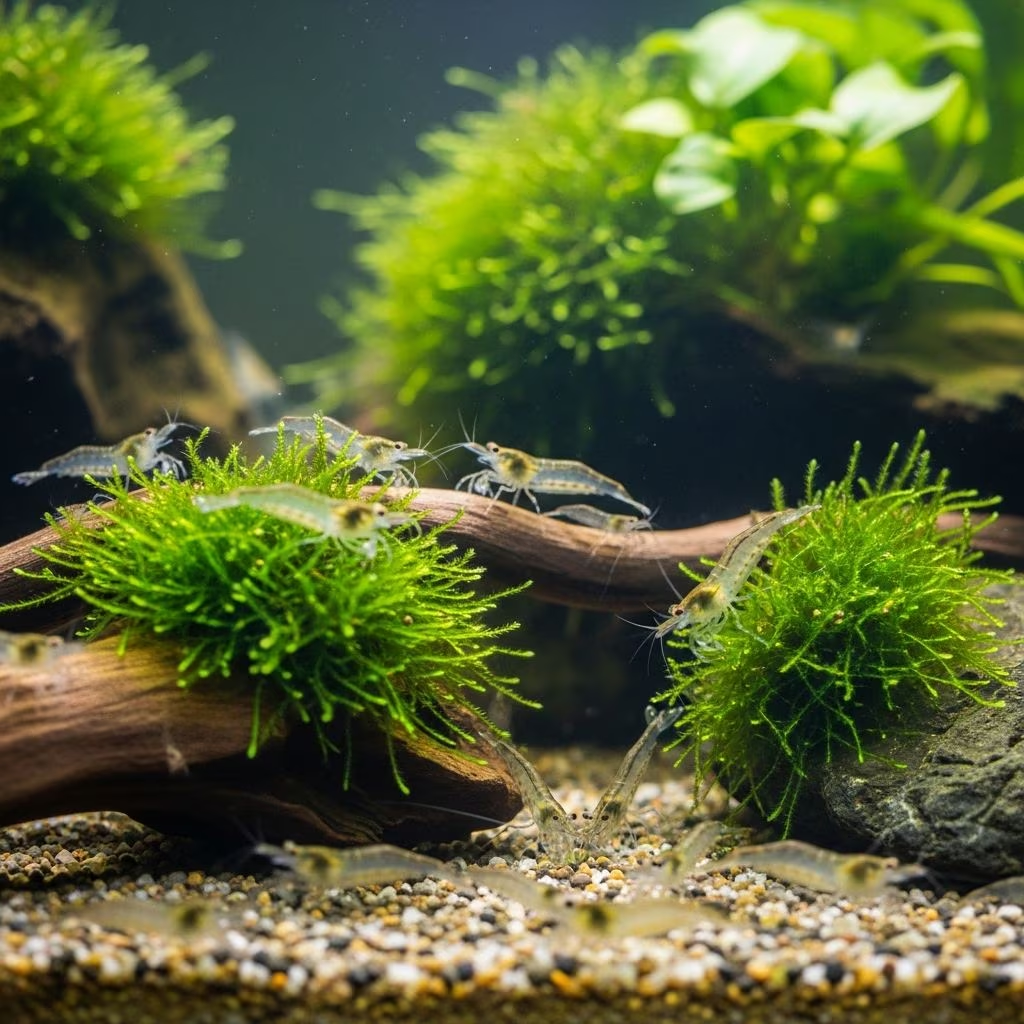
Ghost shrimp get their name from their nearly transparent bodies, which allow you to observe their internal organs and digestive systems. This unique transparency makes them particularly interesting to watch as they forage and feed throughout the aquarium. Their semi-transparent appearance becomes more pronounced in aquariums with light-colored substrates, while they develop subtle markings and darker coloration when kept over dark gravel, particularly black gravel, which creates a striking visual contrast.
These small crustaceans are equipped with long antennae and walking legs that they use to navigate their environment and search for food. Adult ghost shrimp typically reach about two inches in length, making them suitable for various tank sizes and community setups. Understanding their physical characteristics helps aquarists appreciate their behavior and care requirements.
Tank Size and Setup Requirements
Ghost shrimp don’t require elaborate aquarium setups, making them an accessible choice for newcomers to the hobby. A tank of at least 10 gallons is sufficiently large to sustain a small colony of ghost shrimp. However, larger tanks provide more stable water conditions and greater opportunities for natural behavior expression.
Essential Tank Features
When setting up a ghost shrimp aquarium, several key features should be incorporated:
Filtration: Your aquarium must be properly filtered and fully cycled before introducing any shrimp. The nitrogen cycle should be established, with ammonia and nitrite levels at zero. A hang-on-back (HOB) power filter is suitable for maintaining water circulation and quality. For breeding setups, air-operated sponge filters are preferred over power filters, as they are gentler on young shrimp.
Water Movement: Ghost shrimp enjoy established planted aquariums with moderate water current. An air pump with a fine air stone creates a wall of tiny bubbles that keeps water moving and provides surface agitation. Interestingly, shrimp demonstrate entertaining behavior by getting drawn up into the bubble current and actively using their hind legs to swim back down.
Lighting: Standard aquarium lighting is suitable for ghost shrimp care. The light intensity doesn’t need to be intense; regular aquarium lighting supports the growth of live plants, which is more important than the lighting itself.
Substrate and Decorations: Dark gravel, especially black gravel, enhances the appearance of ghost shrimp by making their markings more visible and creating contrast against their semi-transparent bodies. Include hiding places such as rocks, caves, caverns, and driftwood to provide security and exploration opportunities.
Water Parameters and Quality Management
Maintaining optimal water conditions is crucial for ghost shrimp health and longevity. While these shrimp are notably hardy and can tolerate relatively poor water conditions—which is why they’re often used as feeder shrimp—they thrive best when water quality is carefully managed.
Temperature Requirements
Ghost shrimp prefer water temperatures between 65-82°F, which typically falls within normal room temperature ranges. However, using a heater is recommended to prevent sudden temperature fluctuations that can stress the shrimp. Consistent temperatures promote better health, longer lifespans, and successful breeding.
Chemical Parameters
Maintain zero ammonia and zero nitrite levels in your aquarium. Nitrate levels should be kept as low as possible through regular water changes. Perform approximately 20% water changes weekly to maintain water quality and remove accumulated waste.
Critical Safety Note: Avoid all copper-based medications and treatments, as copper is fatal to shrimp. When treating your aquarium for fish diseases, remove shrimp to a separate container or use shrimp-safe alternatives.
Aquarium Salt Addition
Ghost shrimp benefit from trace amounts of aquarium salt in their water. Add approximately one tablespoon of aquarium salt per five gallons of water. This supplementation helps support their osmotic regulation and shell health, mimicking their natural brackish water origins.
Live Plants and Hiding Spaces
Incorporating live aquatic plants is one of the most important aspects of ghost shrimp care. Shrimp are naturally skittish creatures and require plenty of hiding places to feel secure. Dense plant coverage provides both physical shelter and continuous food sources.
Recommended Plant Species
Fine-leaved plants work particularly well in ghost shrimp aquariums:
– Hornwort: Fast-growing and provides excellent coverage
– Cabomba: Delicate structure offers hiding places for shrimp
– Milfoil: Creates dense vegetation for security and exploration
– Java Moss: Excellent for young shrimp and fry development
The Benefits of Plant Matter
Aquariums with abundant live plants are never “too clean” because plants continuously shed organic matter into the water column. Ghost shrimp love picking through this natural debris and feeding on decomposing plant material. This constant food source, combined with the hiding opportunities plants provide, significantly improves shrimp health and encourages natural foraging behaviors.
Feeding Ghost Shrimp
In their natural habitat, ghost shrimp are not picky eaters and actively forage on algae, plant matter, and small organisms. However, their dietary needs vary depending on aquarium conditions.
Natural Food Sources
In heavily planted aquariums with established biofilm layers, ghost shrimp can often sustain themselves by grazing on algae and consuming decaying plant matter. The presence of live plants encourages the growth of infusoria and other microorganisms that young shrimp require.
Supplemental Feeding
If your aquarium is exceptionally clean or lacks sufficient algae growth, supplement with commercial foods:
– High-quality sinking pellets
– Algae wafers
– Frozen foods such as mosquito larvae
– Blanched and cooled vegetables (small portions)
Nutritional Considerations
Include food supplements containing calcium, as calcium is essential for healthy shell development and preventing molting complications. Interestingly, ghost shrimp will also feed on fallen tank mates, consuming dead fish or deceased shrimp. Remove dead inhabitants promptly to prevent ammonia spikes that could harm the remaining colony.
A pecking order exists among ghost shrimp during feeding, with larger individuals eating first. Feed in moderation to avoid overfeeding, which degrades water quality.
The Molting Process and Shell Maintenance
Ghost shrimp undergo regular molting cycles, shedding their exoskeletons to grow. This process is critical to understand for successful long-term care.
Vulnerability During Molting
When shrimp molt, they are extremely vulnerable until they acclimate to their new shells. Their soft bodies lack protection, making them susceptible to injury and predation. This is why maintaining a tank with abundant small hiding places is essential—shrimp need secure areas to hide during and immediately after molting.
Shell Reingestation
After molting, leave the empty shed shell in the tank for several days. Other shrimp consume these shells, and re-ingesting the minerals helps establish their next molting cycle. This natural recycling process supports continued healthy growth and shell development.
Community Tank Compatibility
Ghost shrimp can coexist with other aquatic species, though careful consideration is necessary. Many fish view shrimp as food, particularly young shrimp and recently molted individuals with soft exoskeletons.
Compatible Tank Mates
If you want to keep ghost shrimp in a community setting, select small, non-aggressive fish species. Provide a heavily planted aquarium with substantial cover, which allows shrimp to hide and reduces predation pressure. Dense vegetation is the key to successful community tanks with ghost shrimp.
Incompatible Tank Mates
Avoid larger predatory fish, aggressive species, and bottom feeders that actively hunt shrimp. Species such as crayfish, larger cichlids, and most bottom-feeding fish pose significant predation risks.
Breeding Ghost Shrimp
Breeding ghost shrimp successfully requires a dedicated setup and specific conditions. For optimal breeding results, establish a single-species aquarium with environmental parameters carefully controlled.
Breeding Tank Setup
Use a heavily planted maternity tank with an air-operated sponge filter for water circulation. Avoid power filters, which can harm developing fry. Ensure your breeding colony contains both males and females. Maintain perfect water values with zero ammonia and nitrite.
Larval Development and Care
When females release eggs between their swimmerets, you’ll observe small green clusters. Once larvae hatch, they require infusoria and biofilm as food sources. Feed small quantities of strained egg yolk, finely powdered “egglayer” fry food, infusoria, rotifers, and microworms until fry settle into the tank.
Remove the female after she releases young to prevent her from consuming the developing fry. Success with ghost shrimp fry requires patience, as not all larvae will survive, but a heavily planted tank provides the best chance for fry development.
Ghost Shrimp as Feeder Shrimp
Ghost shrimp are commonly used as live feeder shrimp for larger predatory fish and invertebrates. Maintaining feeder shrimp requires less elaborate setup than display aquariums.
Basic Feeder Tank Requirements
Feeder shrimp tanks don’t require extensive decoration, gravel, or live plants, though floating Anacharis can help maintain water health. The essential requirement is constant air movement from an air stone and small air pump. This keeps water moving and maintains surface agitation.
Include a small sponge filter if keeping feeders for extended periods, as unfiltered water becomes cloudy and yellow quickly. A corner sponge filter with weighted bottom works well. Keep a small net available for easy shrimp collection.
Feeder Conditioning
When using ghost shrimp as feeders, quarantine and condition them for approximately one month before feeding them to predators. During this conditioning period, provide a nutritious diet and slightly overfeed to ensure feeder shrimp are healthy. This practice ensures that predatory fish and invertebrates receive nutritious, high-quality food.
Common Challenges and Solutions
Initial Mortality
When introducing ghost shrimp to new tanks, expect to lose one or two individuals, especially with newly imported specimens. This is normal and shouldn’t discourage you from continuing with the species. Proper acclimation helps minimize losses—use a bucket acclimation method rather than simply floating the bag, slowly adding tank water to the bucket before introducing shrimp.
Young Shrimp Survival
In community aquariums with fish, young ghost shrimp often cannot survive because aquariums are kept too clean to provide sufficient natural food. Power filters and aggressive water maintenance eliminate the biofilm and microorganisms that juvenile shrimp require for nutrition. If breeding is desired, a dedicated heavily planted breeding tank is essential.
Frequently Asked Questions
Q: Do ghost shrimp need a heater?
A: While ghost shrimp can tolerate temperatures between 65-82°F and don’t require a heater for basic survival, using one is recommended to prevent temperature fluctuations that stress the shrimp and promote optimal health and longevity.
Q: Are ghost shrimp aggressive?
A: Ghost shrimp are generally not aggressive toward each other or other aquatic inhabitants. However, they may be predated upon by larger, aggressive fish species.
Q: What size aquarium do ghost shrimp need?
A: A minimum tank size of 10 gallons can sustain a small colony of ghost shrimp. Larger tanks provide more stable conditions and greater space for natural behaviors.
Q: How often should I change the water?
A: Perform approximately 20% water changes weekly to maintain optimal water quality and remove accumulated waste products.
Q: Can ghost shrimp live with fish?
A: Yes, ghost shrimp can coexist with small, non-aggressive fish in heavily planted tanks that provide adequate hiding places and cover.
Q: What do ghost shrimp eat?
A: Ghost shrimp eat algae, plant matter, and organic debris. In clean aquariums, supplement their diet with sinking pellets, algae wafers, and occasional blanched vegetables.
References
- Ghost Shrimp Care, Food, Lifespan, Habitat — Aquarium Care Basics. 2024. https://www.aquariumcarebasics.com/freshwater-shrimp/ghost-shrimp/
- Ghost Shrimp (Palaemonetes sp.) Care & Info — The Shrimp Farm. 2024. https://www.theshrimpfarm.com/posts/shrimp-caresheet-ghost-shrimp-palaemonetes-sp/
- Freshwater Shrimp Care Guide — Aqueon. 2024. https://www.aqueon.com/resources/care-guides/shrimp-freshwater
- Ghost Shrimp Aquarium Care — Chewy Education. 2024. https://www.chewy.com/education/fish/general/ghost-shrimp-aquarium-care



