

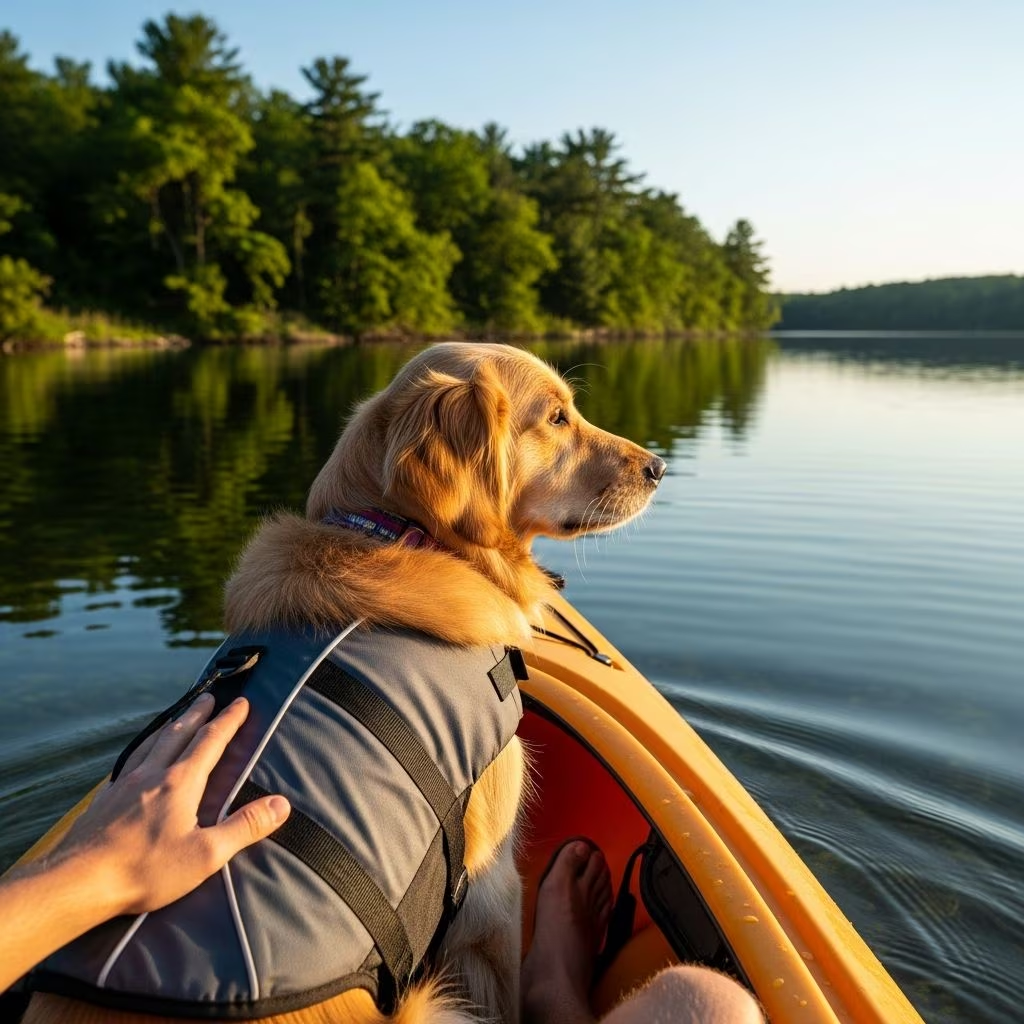
Getting Your Dog Kayak Ready: A Complete Training Guide
Kayaking is an exciting outdoor activity that can be even more enjoyable when you share it with your furry companion. However, introducing your dog to kayaking requires patience, proper training, and the right equipment. With systematic preparation and gradual conditioning, your dog can become a confident and safe kayak companion, allowing you both to explore waterways together and create lasting memories.
Understanding the Importance of Proper Preparation
Before taking your dog out on the water, it’s essential to understand why preparation matters. Dogs experience the kayak environment differently than humans do—the unstable surface, unfamiliar sounds, and sensation of being on water can be overwhelming without proper acclimation. Dogs that haven’t been prepared may become frightened, attempt to jump overboard, or panic during the experience, creating a dangerous situation for both pet and owner. By following a structured training program, you can help your dog develop the confidence and skills necessary to enjoy kayaking safely and comfortably.
Starting with Land-Based Training
The foundation of successful kayak training begins on solid ground. According to experts, early training should never take place while the kayak is floating or in water. When a kayak is in water, it moves and rocks unpredictably, which can frighten your dog and potentially discourage them from future kayaking adventures. Land-based training allows you to have complete control over the boat’s movement while your dog adjusts to the unfamiliar, unstable surface.
Building Initial Confidence with Movement
Start by helping your dog become comfortable with the kayak’s movement. The first step involves rewarding your dog simply for watching you rock the kayak gently. This helps establish a positive association between movement and good experiences. Gradually progress through these stages:
- Reward your dog for showing interest in the kayak
- Reward them for touching the kayak with their paws or nose
- Reward them for standing near or on the kayak
- Reward them for stepping into the kayak on land
- Reward them for remaining calm as you gently rock the kayak
Many dogs instinctively want to step on the side of the kayak, which can cause movement and frighten them. By using positive reinforcement at each stage, you help your dog learn that these experiences lead to treats, praise, and positive outcomes.
Developing Self-Control on Unstable Surfaces
An important aspect of kayak training involves teaching your dog to maintain composure while standing or lying on an unstable surface. Work with your dog on other wobbly surfaces to develop this skill, reinforcing basic commands like sit, lie down, and stay. This training builds the self-control your dog will need when actually paddling on the water.
Teaching On and Off Commands
Before your dog can safely kayak, they must understand boarding and disembarking procedures. Teach clear verbal cues that signal when it’s appropriate to enter or exit the kayak. Eventually, your dog should be able to hop in and out of the kayak independently, but only when given permission.
Practice these commands repeatedly on land until your dog responds reliably. Use consistent language—such as “kayak in” for boarding and “okay” or “exit” for disembarking. This clear communication becomes critically important when you’re on the water and need your dog to follow instructions promptly.
Positioning Your Dog on the Kayak
Determining where your dog will sit on the kayak depends on their size and your kayak type. Sit-on-top kayaks generally offer more space and allow dogs to lie down comfortably, which is the position most dogs naturally assume when relaxed. Sit-inside kayaks may require more careful positioning depending on their cockpit size.
Designated Dog Spot Training
During training, consistently reward your dog when they position themselves in their designated spot on the kayak. This reinforcement teaches them to return to and remain in this area. In real-world paddling, your dog will naturally move and shift positions, so selecting a location with adequate space and adding safety features is important.
Adding Safety Features
To make the kayak environment as comfortable and safe as possible, add padding and nonslip materials to prevent slipping. Many experienced kayakers use yoga mats in areas where their dogs prefer to rest, and apply marine traction tape along edges to provide safer entries and exits. These modifications significantly reduce the risk of your dog slipping overboard and provide better footing during boarding procedures.
Life Jacket Training: An Essential Safety Step
Your dog must wear a properly fitted personal flotation device (PFD) whenever on the water, so training in the life jacket is crucial. A good dog life jacket should fit your pet’s body type, allow fluid shoulder motion, and feature a strong handle with solid clips rather than relying on Velcro attachments.
Gradual Acclimatization to the PFD
Introduce the life jacket well before heading to the water. Follow this progression:
- Allow your dog to wear the PFD indoors for extended periods
- Take walks with your dog wearing the life jacket
- Feed your dog meals while they’re wearing it
- Practice basic commands and play while they wear it
- Gradually increase wear time and activity level
This gradual introduction helps your dog adjust to the feeling of wearing the jacket and prevents negative associations.
Swimming in the Life Jacket
Dogs don’t automatically enjoy swimming while wearing a PFD, so dedicated water training is necessary. Take your dog swimming and encourage them to build confidence by retrieving toys or simply swimming around while wearing their life jacket. This training ensures your dog can move comfortably and naturally in water while protected.
Advanced Training Techniques
Practicing with Paddle Sounds
In real kayaking situations, your dog will hear paddles hitting the sides of the kayak, creating unfamiliar noises that could startle them. During training, practice making these paddle sounds and reward your dog for remaining calm. This desensitization helps prevent panic reactions when you’re actually on the water.
Hand Touch and Position Training
Teaching your dog hand touch commands allows you to guide them into different areas of the kayak when needed. Practice using a hand signal to direct your dog to move left, right, forward, or backward on the kayak. This skill becomes invaluable if you need to reposition your dog to maintain boat balance or safety.
Jump Training with Safety Support
Practice having your dog jump onto the kayak while you hold the handle to provide support. This exercise helps your dog develop confidence in boarding independently while knowing they have backup assistance if needed.
Introduction to Water-Based Training
Once your dog has mastered land-based training, you can progress to water-based practice. Choose a shallow beach or dock entry point where you can easily control the situation. Ideally, enlist a friend to help hold the kayak steady while you board.
First Water Experience
Follow these steps for the first water outing:
- Get into the kayak first so you’re positioned before your dog boards
- Invite your dog to hop in and board properly (they’ll understand the direction to face from your land training)
- Ensure both you and your dog are seated and settled
- Have your friend push you slightly away from shore
- Paddle very slowly in shallow water initially
Your presence in the kayak will reassure your dog as they adjust to the sensation of floating.
Gradual Distance Progression
Begin with very short paddling distances in shallow water. For your initial outings, paddle out just a few feet, then turn around and return to shore or the dock. Keep each session brief and positive, allowing your dog to build confidence gradually. After several successful shallow-water sessions, you can gradually increase distance and venture into deeper water.
Managing Common Situations on the Water
Handling Unexpected Jumps
Despite training, dogs may sometimes jump overboard without permission. If this occurs, keep your voice calm but firm and tell your dog to “get in the boat” as you paddle toward them. When you’re close, lift your paddle so it doesn’t frighten them, then grab your dog by their life jacket handle and pull them back aboard.
Capsizing and Recovery
In the unfortunate event of capsizing, stay calm and locate your dog immediately. Bring them close and speak to them in a soothing voice, reassuring them that everything is fine. Your dog might be nervous about being in the water while you’re not visible, so consistent verbal reassurance is important.
Once you’re both composed, work on flipping the kayak back over. If your dog is wearing a life jacket, you can grab the handle and pull them onto the kayak, or you can exit the water first, then pull your dog out by their jacket handle. Many experts recommend practicing capsizing in chest-deep water during training so you’re prepared if it happens in real situations.
Essential Kayaking Gear and Accessories
| Gear Item | Purpose | Key Consideration |
|---|---|---|
| Dog Life Jacket (PFD) | Safety and flotation | Must fit properly with strong handle and solid clips |
| Yoga Mats | Padding and comfort | Place in areas where your dog prefers to rest |
| Marine Traction Tape | Nonslip surface | Apply along edges for safer entries and exits |
| Leash (shore only) | Control on land | Keep short; never use in the kayak |
| Seat Belt Cutter | Emergency safety | Carry on your life vest if using any tethers |
| Fresh Water | Hydration | Bring portable water and bowl for your dog |
Safety Considerations and Best Practices
Several important safety considerations apply to kayaking with your dog. Always monitor weather conditions and avoid paddling in high winds or storms. Be aware of wildlife in the area where you’re kayaking, and teach your dog not to chase or jump at birds or other animals. Plan breaks in your paddling route so your dog can relieve themselves and stretch.
Additionally, consider leashing your dog on shore but never while in the kayak, as this creates a drowning risk if your dog goes overboard. If you choose to use any tethering system, carry a seat belt cutter knife or scissors on your life vest so you can quickly cut it off in an emergency.
Building Long-Term Kayaking Confidence
The key to successful kayaking with your dog is patience and consistency. Every dog progresses at different rates, so avoid rushing through training stages. Some dogs may be ready for water within a few weeks, while others need several months of preparation. Celebrate small victories and maintain positive associations throughout the training process.
Take frequent breaks during paddling sessions, especially in the early stages. Use these breaks to check on your dog’s comfort level, offer fresh water, and provide encouragement. The more positive experiences your dog has with kayaking, the more they’ll look forward to future adventures.
Frequently Asked Questions
Q: At what age can puppies start kayak training?
A: Begin basic training once your puppy is old enough to reliably respond to commands, typically around 4-6 months old. However, actual water paddling should wait until your dog is larger, at least 12-18 months old, and has fully developed strength and coordination.
Q: What size dog is best for kayaking?
A: While dogs of various sizes can kayak, medium to large dogs generally fare better due to stability and space considerations. Smaller dogs can also kayak in appropriate kayak sizes, but they may be more prone to jumping overboard. Always consider your specific kayak’s weight capacity and design.
Q: Can dogs with anxiety be trained for kayaking?
A: Yes, anxious dogs can be trained to kayak, but they may require a longer, more gradual training timeline. Work at their pace, and consider consulting with a professional dog trainer who specializes in anxiety or behavioral issues.
Q: How long should kayaking sessions be with your dog?
A: Start with very short sessions—15-30 minutes—and gradually increase duration as your dog builds confidence and conditioning. Always watch for signs of fatigue or stress, and end the session on a positive note.
Q: What should I do if my dog gets too tired while kayaking?
A: Pay attention to your dog’s energy levels and return to shore if they seem fatigued. Remember that paddling is more physically demanding for your dog than for you. Plan trips with realistic distances and take frequent breaks.
Q: Is it necessary to use a leash in the kayak?
A: No—leashes should not be used in the kayak as they create a drowning hazard if your dog goes overboard. Focus on training strong on-and-off commands instead. Reserve leash use for shore areas only.
References
- Dog Kayak Training: How to Safely Kayak With Your Dog — American Kennel Club. 2023. https://www.akc.org/expert-advice/health/how-to-kayak-with-your-dog/
- Dog Kayaks: A Guide to Kayaking with Your Dog — Rover.com. 2024. https://www.rover.com/blog/dog-kayaks-a-guide-to-kayaking-with-your-dog-and-which-kayaks-are-best/
- Complete Guide to Kayaking with Your Dog! Training Tips — Dog Training and Behavior Channel. 2024. https://www.youtube.com/watch?v=JXZ7vvcUBmw
- Tips for Canoeing & Kayaking with a Dog — Old Town Watercraft. 2024. https://oldtownwatercraft.johnsonoutdoors.com/us/blog/tips-canoeing-kayaking-dog



