

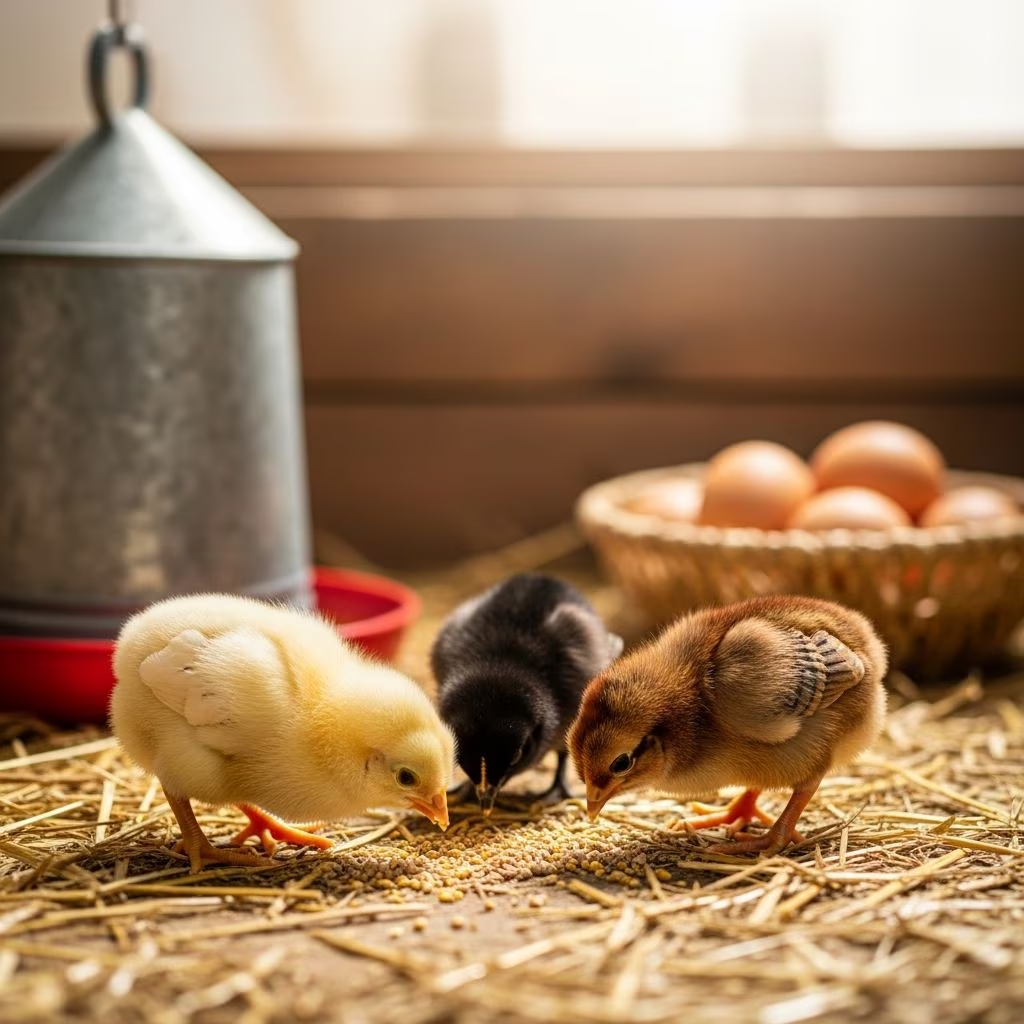
Getting Started with Backyard Chickens: Your Complete Chick Days Guide
Raising backyard chickens has become an increasingly popular hobby for homeowners, whether you’re seeking fresh eggs, natural pest control, or simply companionable pets. The journey begins during chick days—those critical early weeks when your feathered friends need proper care and attention to thrive. This comprehensive guide will walk you through everything you need to know about starting your backyard chicken adventure, from selecting the right breeds to setting up proper housing and understanding daily care requirements.
Why Raise Backyard Chickens?
Before diving into the specifics of chick days, it’s worth understanding why backyard chickens are such a worthwhile investment. Fresh eggs produced in your own backyard are superior in quality and nutrition compared to store-bought alternatives. Beyond egg production, chickens provide natural pest control by consuming insects and ticks. They’re also excellent composters, turning kitchen scraps into nutrient-rich manure for your garden. Additionally, chickens can be surprisingly affectionate and entertaining pets that provide daily engagement and education opportunities, particularly for families with children.
Choosing the Right Chicken Breed
Selecting appropriate breeds is one of the most important decisions when starting your backyard flock. Different breeds offer varying benefits depending on your goals and climate.
Popular Beginner-Friendly Breeds
Rhode Island Reds are excellent layers known for their consistent egg production and hardiness in various climates. Orpingtons provide dual benefits as both good layers and meat birds, while also being exceptionally friendly. Wyandottes are cold-hardy beauties that lay brown eggs reliably. Buff Orpingtons are particularly popular among beginners due to their calm temperament and golden appearance.
Barred Plymouth Rocks are another excellent choice, offering good egg production and the ability to handle cold winters. Australorps are known for being prolific layers with gentle dispositions. For those seeking unique egg colors, Araucanas produce blue or green eggs, while Marans lay particularly dark brown eggs.
Breed Selection Considerations
When choosing breeds, consider your climate zone, space availability, and whether you want cold-hardy varieties. Some breeds are more broody than others—important if you want a hen to sit on eggs naturally. Research breeds that match your specific circumstances rather than selecting solely based on appearance.
Getting Your Chicks: Starting Points
There are several ways to begin your backyard chicken journey, each with distinct advantages.
Day-Old Chicks
Getting day-old chicks is the most common and rewarding route for beginners. Chicks are available from local feed stores, hatcheries, or online retailers. Day-old chicks allow you to bond with your flock from the very beginning and typically cost less than older birds. You can order chicks during spring months when hatcheries have the best selection and availability.
Young Pullets
If you want fresh eggs quickly without waiting 16-20 weeks for maturity, consider purchasing young pullets (teenage hens not yet laying). Pullets are ready to integrate into a coop more quickly than chicks and typically begin laying within weeks.
Laying Hens
For those seeking immediate egg production, purchasing already-laying hens is an option. This approach bypasses the entire brooding and growing phase. However, it’s crucial to obtain birds from the same flock if possible, as introducing chickens from different groups requires careful quarantine and gradual introduction to prevent aggressive pecking order conflicts.
Setting Up Your Brooder for Chick Days
Proper brooder setup is critical during chick days, as newly hatched chickens are extremely vulnerable to temperature fluctuations and require a carefully controlled environment.
Essential Brooder Supplies
Your brooder setup should include:
A sturdy box or container with adequate ventilation holes drilled throughout. Many people successfully use large storage bins converted with hardware cloth lids. You’ll also need a reliable heat source—typically a heat lamp that maintains consistent temperature, starter feed specifically formulated for chicks, chick waterers and feeders, pine shavings for bedding (never cedar or pine as they’re toxic), and a thermometer for accurate temperature monitoring.
Temperature Management During Chick Days
Temperature control is absolutely critical during chick days. Start brooder temperature at 95°F (35°C) for the first week. Each subsequent week, reduce the temperature by five degrees until chicks are fully feathered at approximately six weeks old. Use your thermometer to verify temperatures at chick level rather than just near the heat lamp. Chicks that are too cold will huddle together and peep constantly, while overheated chicks will pant and stay away from the heat source.
Essential Care During Chick Days
Proper care during chick days sets the foundation for healthy adult chickens.
Feeding and Nutrition
Chicks require specialized starter feed containing 20-24% protein to support rapid growth. Provide feed in shallow containers where chicks can easily access it. Fresh, clean water must be available constantly—use chick-specific waterers to prevent drowning. Change water daily and ensure it remains at room temperature or slightly warm during early chick days.
Bedding and Sanitation
Change brooder bedding frequently to maintain cleanliness and prevent disease. Pine shavings work well, but avoid cedar shavings which are toxic to chickens. A clean brooder environment is essential for preventing respiratory issues and parasites during these vulnerable early weeks.
Lighting During Chick Days
Provide consistent lighting in the brooder so chicks can see their feed and water. During their first days, many keepers maintain 24-hour lighting to encourage eating and drinking. After several days, you can transition to more natural lighting patterns.
Housing Requirements and Design
As chick days progress and your birds mature, proper housing becomes essential.
Coop Size Specifications
The recommended minimum coop size is 3 to 4 square feet per chicken, with enclosed run space requiring approximately 10 square feet per bird. However, larger accommodations are always better if space allows. Undersized coops lead to aggression, poor health, and reduced egg production.
Coop Design Elements
An effective chicken coop includes proper roosts where birds sleep at night—flat 2×4 roosts on their wide side are more comfortable than round dowels and help prevent frostbite and bumblefoot. Keep roosts 12 inches away from walls to prevent excessive soiling. Nest boxes provide private, cozy spaces for laying eggs, keeping them clean and undamaged.
Adequate ventilation is crucial for preventing respiratory issues while avoiding drafts. Windows and vents should provide fresh air without creating direct wind exposure on roosts. A solid or slatted floor prevents predator entry from below and makes cleaning easier than dirt floors.
Run Design and Integration
The chicken run extends coop space and allows outdoor access. Covered runs protect from aerial predators, while fenced areas provide more roaming space. Ideally, incorporate mature trees or shrubs—chickens feel most secure under cover and appreciate shade during hot weather, while also enjoying open sunny spots for dust bathing. Ample sunlight promotes good egg production and overall health.
Predator Protection Strategies
Securing your chickens against predators is non-negotiable for their safety and survival.
Coop Security Measures
Ensure hardware cloth (not chicken wire) covers all openings, as chicken wire won’t stop determined predators. Bury fencing 12 inches deep or bend it outward 12 inches to prevent digging predators from accessing the coop. Doors should close securely every evening and open in the morning without fail.
Creative Containment: Chunnels
For daytime predator protection or garden access control, consider using chicken tunnels, affectionately called “chunnels.” These mobile, chicken-sized tunnels create protected highways around designated yard areas, allowing free-ranging benefits while maintaining safety. You can connect two run spaces with chunnels or rotate them to different garden locations.
Transitioning from Chick Days to Adult Life
As your chickens progress beyond chick days, carefully manage their transition to outdoor living.
Timing the Move
When chickens are fully feathered—typically at 6 weeks—they can move from the brooder to an outdoor coop if weather permits. Begin by moving the brooder to a garden shed for one or two weeks before final outdoor placement. This gradual transition helps them acclimate to temperature variations.
Integration with Existing Flocks
If adding to an existing flock, introduce newcomers gradually. The pecking order establishment can be aggressive, especially with adult birds and chicks together. Separate groups initially with a barrier allowing visual contact before allowing direct interaction.
Nutrition for Growing Chickens
Feeding transitions with age to ensure proper development.
Feed Progression
Begin with chick starter feed (20-24% protein) until approximately 6-8 weeks old. Transition to grower feed (16-18% protein) from weeks 8-16 as chicks develop. At point of lay (around 16 weeks), switch to layer feed (16% protein) designed to support egg production.
Supplement and Treat Guidelines
Avoid feeding chickens avocado pits or peels, chocolate, citrus fruits, green potato skins, dry uncooked beans, pasta, rice, junk food, or moldy/rotten food items. Instead, offer safe treats like kitchen scraps (vegetable peels, fruits), mealworms, and cracked corn in moderation. Provide grit to aid digestion and oyster shells for strong eggshells once laying begins.
Health Monitoring During Development
Regular health checks during chick days and beyond prevent problems from escalating.
Disease Prevention Protocols
Maintain excellent hygiene by washing hands before and after handling chickens. Quarantine new birds before introducing them to established flocks to prevent disease transmission. Watch for signs of illness including lethargy, decreased eating or drinking, abnormal droppings, or respiratory symptoms.
Parasite Management
Monitor for external parasites like mites and lice, and internal parasites like worms. Dust baths in sand or diatomaceous earth help control external parasites naturally. Proper coop sanitation and regular bedding changes minimize parasite problems.
Daily Care Routine Essentials
Consistent daily care ensures your flock thrives throughout their lives.
Morning Tasks
Open coops, provide fresh water, and distribute feed. Check for eggs if birds have begun laying. Visually inspect chickens for signs of illness or injury.
Evening Tasks
Collect remaining eggs, top off water and feed, and secure the coop against nighttime predators. Conduct a quick headcount to ensure all birds are accounted for and roosting safely.
Creating an Enriched Environment
Enrichment prevents boredom and promotes natural behaviors.
Provide perches at various heights, nesting boxes for privacy and egg laying, and items for pecking and scratching like logs or branches. Encourage natural foraging by allowing free-ranging daily when possible—chickens enjoy searching for insects, plants, and natural grit, which enriches their diet and promotes physical and mental well-being. Rotate grazing areas to prevent overuse and parasite buildup.
Egg Production Timeline
Understanding when to expect egg production helps set realistic expectations.
Chickens typically begin laying at 16-20 weeks of age, depending on breed and conditions. Pullets may produce smaller eggs initially before graduating to standard sizes. Light availability, nutrition quality, and stress levels all influence laying consistency. Most chickens peak in egg production during their first two years, gradually declining thereafter.
Frequently Asked Questions
Q: How many chickens should I start with?
A: Most beginners start with 3-6 chickens, providing adequate flock dynamics while remaining manageable. Consider your available space and time commitment when determining flock size.
Q: Do I need a rooster?
A: No rooster is necessary for egg production. Roosters are only needed if you want fertilized eggs for hatching. Many people prefer keeping hens-only flocks to avoid noise and aggression issues.
Q: Can chicks be raised outdoors from day one?
A: Day-old chicks must be kept indoors in a controlled brooder environment. They cannot survive outdoor temperatures initially due to their lack of feathering and inability to regulate body temperature.
Q: How long do backyard chickens live?
A: Most chickens live 5-10 years depending on breed and care. Some breeds are hardier and longer-lived than others, but quality care directly impacts longevity.
Q: What’s the best time to get chicks?
A: Spring is ideal for getting chicks, allowing them to grow through warm months and be fully mature before winter. Fall is acceptable in mild climates but not recommended in areas with harsh winters.
Conclusion
Starting your backyard chicken journey during chick days is an exciting opportunity to build a thriving flock from the beginning. By carefully selecting appropriate breeds, setting up proper brooder facilities, providing excellent nutrition, and maintaining vigilant health practices, you’ll establish a strong foundation for years of productive, healthy chickens. The initial investment during chick days pays dividends through fresh eggs, pest control, garden enrichment, and the genuine joy these delightful birds bring to your homestead. Whether you’re motivated by food sustainability, animal husbandry education, or simply enjoying feathered companions, raising backyard chickens is an achievable goal for dedicated beginners willing to learn and commit to proper care.
References
- Raising Backyard Chickens 101: Beginner’s Guide — Homestead and Chill. 2024. https://homesteadandchill.com/raising-backyard-chickens-101-beginners-guide/
- Raising Backyard Chickens – Wine and Country Life — Wine and Country Life. 2024. https://wineandcountrylife.com/raising-chickens/
- How to Take Care of Raising Chickens as a Beginner — Azure Farm Life. 2024. https://www.azurefarmlife.com/farm-blog/caring-for-chickens-101
- Raising Backyard Chickens: Beginners Guide — The Gardens at SkyRidge. June 4, 2023. https://www.youtube.com/watch?v=F79a92yg3U8
- Beginners Guide to Keeping Chickens — Poultry Keeper. 2024. https://poultrykeeper.com/keeping-chickens/beginners-guide-to-keeping-chickens/



