

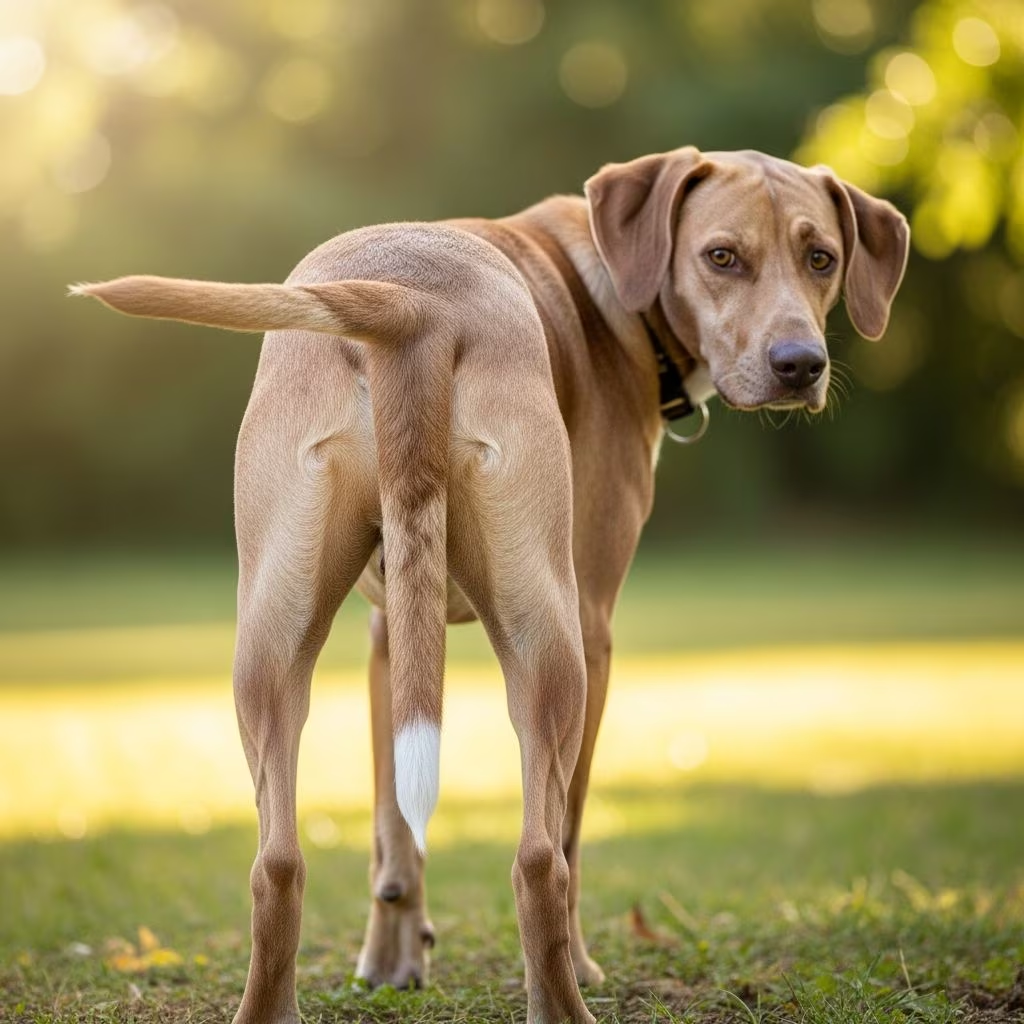
Limber tail syndrome, also known as acute caudal myopathy, swimmer’s tail, cold tail, or limp tail, is a common yet painful condition affecting dogs, particularly active working breeds. This injury occurs when the muscles at the base of the tail become strained or inflamed, leading to a sudden limp tail that hangs straight down. While alarming for owners who notice their dog “losing their wag,” limber tail is typically self-limiting and resolves with rest and supportive care. Understanding this condition is crucial for dog owners, especially those with hunting dogs like Labrador Retrievers, Pointers, and other large athletic breeds prone to overexertion.
In this comprehensive guide, we’ll explore the causes, symptoms, diagnosis, treatments, recovery timeline, prevention strategies, and frequently asked questions about limber tail. Early recognition and proper management can alleviate pain and speed up your dog’s return to normal activity. Veterinary consultation is always recommended to rule out more serious issues mimicking this syndrome.
What is limber tail syndrome?
Limber tail syndrome refers to a sudden flaccid or limp tail in dogs, often described as the tail hanging like a “wet noodle” or losing its ability to wag. Medically termed acute caudal myopathy, it involves inflammation and injury to the coccygeal muscles encased in a tight fascial compartment at the tail base. This confined space leads to swelling, pressure buildup, and restricted blood flow, similar to compartment syndrome in humans.
The condition is most prevalent in young adult, large-breed dogs engaged in high-energy activities. Breeds like Labrador Retrievers, Pointers, Setters, Hounds, and other working or sporting dogs are overrepresented due to their genetic predisposition and lifestyle. Symptoms appear abruptly, usually within hours to a day after a triggering event, causing noticeable discomfort.
Though painful, limber tail does not typically cause long-term damage. Most cases resolve within 3-14 days with conservative management, but pain relief is essential for comfort.
Causes of limber tail syndrome
The primary cause of limber tail is overuse or strain of the tail muscles, often exacerbated by specific scenarios. The tail acts as a rudder during swimming, a balancing tool in crates, or a communication appendage during intense wagging, making it vulnerable to injury.
Key triggers include:
- Prolonged swimming: Especially in cold water, where dogs vigorously use their tails for steering. This is the most common precipitant.
- Intense exercise or overexertion: Sudden bursts of activity after sedentary periods, like starting hunting season without conditioning.
- Prolonged crate confinement: Long transport or kenneling where dogs tense their tails to maintain balance in tight spaces.
- Cold, wet, or windy weather: Exposure tightens muscles, increasing injury risk during activity.
- Excessive tail wagging: Enthusiastic greetings or play in sociable breeds.
- Climate changes or poor conditioning: Rapid activity increases without warmup.
A genetic component is suspected in predisposed breeds, where muscle structure may be more susceptible to inflammation. Research on Pointers confirmed muscle damage via bloodwork and electromyography, supporting the overuse theory.
Symptoms of limber tail syndrome
Symptoms develop acutely post-trigger, with the hallmark being a completely limp tail from the base, held straight down between the legs. Dogs may show intense pain at the tail base, refusing touch or movement.
Common clinical signs include:
- Limp tail hanging down, sometimes with a stiff base and flaccid tip.
- Pain on palpation, causing yelping, restlessness, or vocalizing.
- Inability or reluctance to wag the tail.
- Difficulty sitting, lying down, or rising due to discomfort.
- Chewing, licking, or excessive attention to the tail area.
- Slightly raised hair (piloerection) at the tail base.
- Tucking the tail or abnormal gait.
Symptoms peak in 24-48 hours and gradually improve, but untreated pain can lead to secondary issues like self-trauma.
Diagnosis: ruling out serious conditions
Diagnosis is primarily clinical, based on history (recent triggers) and physical exam revealing pain at the tail base without fractures or neurological deficits. Veterinarians perform a thorough exam to differentiate from mimics.
Common misdiagnoses include:
| Condition | Key Differentiators |
|---|---|
| Trauma/fracture | X-rays show bone damage; history of impact. |
| Anal gland issues | Scooting, foul odor; rectal exam confirms. |
| Prostate disease | Affects intact males; urinary signs. |
| Disc disease/cauda equina | Hindlimb weakness, incontinence; neuro exam. |
| Infection/abscess | Fever, swelling, discharge. |
Advanced imaging like X-rays or ultrasound may be needed if symptoms persist. Bloodwork can confirm muscle enzyme elevation. AAHA-accredited vets emphasize history and exam for accuracy.
Treatments for limber tail syndrome
Treatment centers on rest, pain control, and inflammation reduction. Most dogs recover fully without complications.
At-home treatments
- Strict rest: 1-2 weeks of leash walks only; no running, swimming, or play.
- Warm compresses: 10-15 minutes 2-3 times daily to improve circulation, if tolerated.
- Comfortable bedding: Supportive surfaces to ease lying down.
- Avoid cold exposure and monitor for worsening.
Veterinary treatments
- NSAIDs: Prescribed anti-inflammatories like carprofen for pain and swelling.
- Gabapentin: For neuropathic pain and sedation to enforce rest; fewer GI side effects.
- Muscle relaxants: Occasionally for severe spasms.
- Sedatives/anti-anxiety: To prevent activity.
Vets tailor plans based on severity, ensuring safe meds for your dog’s profile.
Recovery time and prognosis
Limber tail typically improves in 3-7 days, with full wag return in 1-2 weeks. Pain subsides first, followed by mobility. Recheck if no progress in 3 days.
Prognosis is excellent; over 90% recover completely. Rare recurrences occur in predisposed dogs with repeated triggers. Monitor for chronic issues, though uncommon. Gradual reintroduction to activity prevents relapse.
Prevention tips for limber tail
- Proper conditioning: Gradually increase exercise intensity.
- Warm-up routines before swimming or hunts.
- Limit crate time; provide space during travel.
- Avoid cold water swims; dry tail post-swim.
- Breeding selection in working lines to reduce genetic risk.
These steps minimize risk for high-drive dogs.
Frequently Asked Questions (FAQs)
Does limber tail heal on its own?
Yes, it resolves in 1-2 weeks without treatment, but pain meds from a vet improve comfort and speed recovery.
Is limber tail painful for dogs?
Very; dogs show distress, so prompt vet care for analgesics is advised.
Can any dog get limber tail?
Primarily working breeds, but any active dog can, especially after triggers.
Should I take my dog to the vet for limber tail?
Yes, to confirm diagnosis and get pain relief; rule out fractures or neuro issues.
How can I prevent limber tail in my swimming dog?
Condition gradually, avoid cold water, and apply warm compresses post-swim.
Bottom line: Limber tail is a manageable injury with rest and vet support. Keep your dog’s tail wagging strong!
References
- Limber tail in dogs (acute caudal myopathy) — Cornell University College of Veterinary Medicine. 2023. https://www.vet.cornell.edu/departments-centers-and-institutes/riney-canine-health-center/canine-health-information/Limber-tail-in-dogs
- Understanding Limber Tail Syndrome: Causes, Symptoms, Treatment — Kinship. 2023. https://www.kinship.com/dog-health/getting-bottom-limber-tail
- Limber Tail Syndrome: What is Limp Tail in Dogs? — Toegrips. 2023. https://toegrips.com/limber-tail-syndrome/
- What is limber tail in dogs? — American Animal Hospital Association (AAHA). 2023. https://www.aaha.org/resources/limber-tail-in-dogs/
- What Is Limber Tail in Dogs? — Animal Hospital of North Asheville. 2020-07-10. https://www.ahna.net/site/blog-asheville-vet/2020/07/10/what-is-limber-tail-in-dogs



