

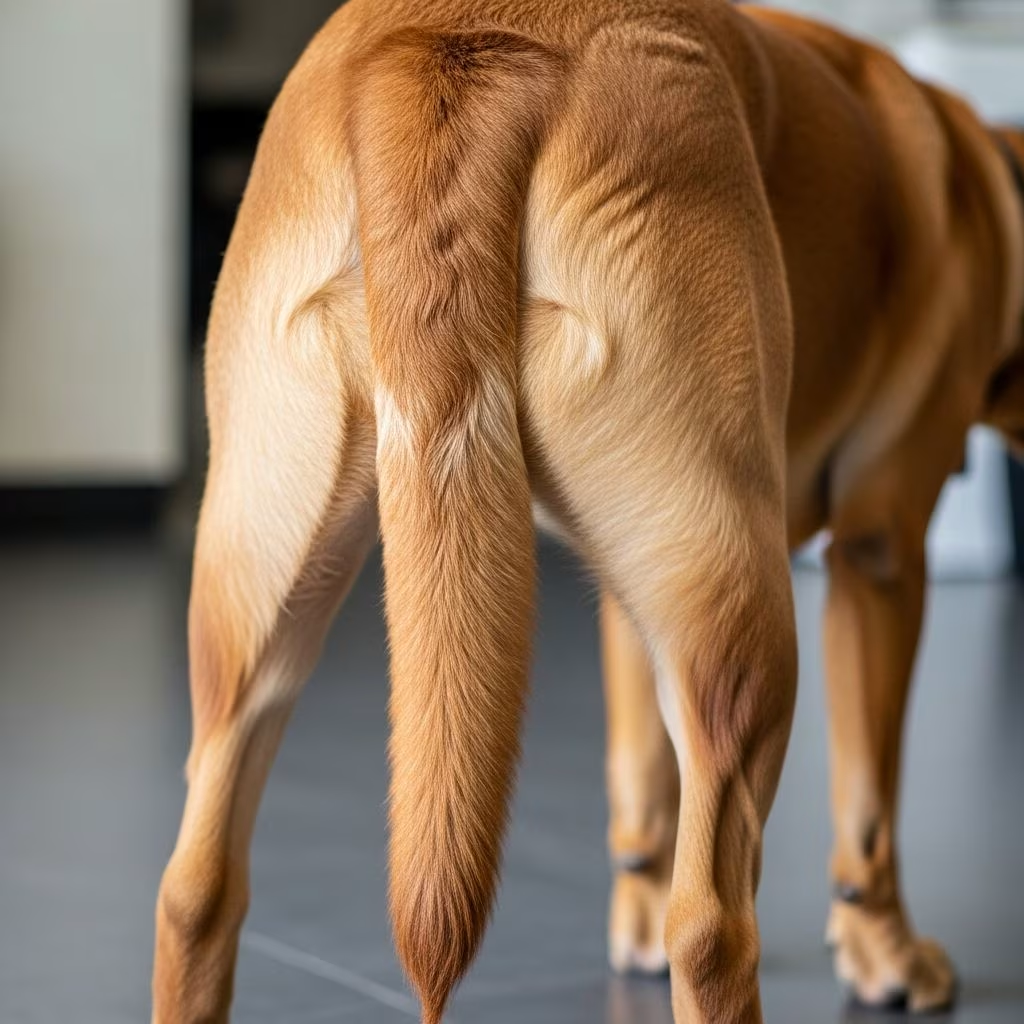
Limber tail syndrome, also known as acute caudal myopathy, swimmer’s tail, cold tail, or limp tail, is a common condition in dogs where the tail suddenly becomes flaccid and hangs limp. This painful injury primarily affects the muscles at the base of the tail and is most prevalent in large working breeds like Labrador Retrievers, Pointers, and hounds after intense activity.
Owners often notice their dog ‘losing its wag,’ with the tail base stiff and the tip floppy. While alarming, limber tail typically resolves with rest and supportive care within days to weeks, but veterinary attention is crucial to rule out serious issues.
What Is Limber Tail Syndrome?
Limber tail syndrome occurs when the coccygeal muscles in a dog’s tail suffer strain or injury, leading to inflammation and temporary dysfunction. These muscles, encased in a tight fascial compartment, swell upon overuse, creating pressure that restricts blood flow—similar to compartment syndrome in humans.
The condition is self-limiting and non-life-threatening, but it causes significant discomfort. It predominantly strikes young adult, athletic dogs engaged in hunting, retrieving, or swimming. Genetic factors may predispose certain breeds, such as Labradors.
Recognizing limber tail early prevents complications and ensures proper management. Unlike fractures or neurological issues, it stems from musculoskeletal overuse rather than trauma or disease.
Causes of Limber Tail in Dogs
The primary trigger for limber tail is overexertion of tail muscles, often following sudden intense activity without adequate conditioning. Common scenarios include:
- Prolonged swimming: Dogs use their tails as rudders, especially in cold water, straining muscles.
- Intense exercise or hunting: Sudden bursts of activity at season’s start overload under-conditioned tails.
- Extended crate confinement: Long transport or kenneling leads to awkward tail positioning and muscle fatigue.
- Cold, wet weather: Exposure tightens muscles, increasing injury risk during activity.
- Excessive wagging or rapid activity increases: Without warm-up, muscles are prone to micro-tears.
Research on Pointers showed muscle damage via electromyography after such triggers, confirming overuse as the root cause. Breeds like retrievers and pointers face higher risks due to their lifestyles.
Symptoms of Limber Tail Syndrome
Symptoms appear 6-24 hours post-trigger, escalating over a day. Key signs include:
- Limp tail hanging straight down, with stiff base and flaccid tip.
- Pain on touch, movement, or pressure at tail base.
- Inability or reluctance to wag the tail.
- Restlessness, whining, difficulty sitting/lying, or circling.
- Licking/chewing at tail base; raised hair along the tail.
- Mild fever or tucked abdomen in severe cases.
Dogs may yelp when jumping or defecating, indicating deep muscle pain. Unlike happy wags, the tail remains motionless.
Diagnosis: Ruling Out Serious Conditions
Veterinarians diagnose limber tail via history, physical exam, and exclusion of mimics. Expect:
- Thorough tail palpation (dog may react painfully).
- Neurological checks for reflexes and sensation.
- X-rays or bloodwork if needed to exclude fractures, disc disease, or infections.
Common misdiagnoses include tail trauma, anal gland issues, prostatitis, cauda equina syndrome, or intervertebral disc disease—all requiring different treatments. Water exposure history strongly supports limber tail.
Treatment Options for Limber Tail
Treatment emphasizes rest, pain relief, and inflammation reduction. Most dogs recover in 3-14 days.
At-Home Care
- Strict rest: Leash walks only; no running, swimming, or play for 1-2 weeks.
- Warm compresses: 10-15 minutes, 2-4 times daily to boost circulation (if tolerated).
- E-collar: Prevent licking to avoid secondary irritation.
- Monitor for worsening; avoid NSAIDs without vet approval.
Veterinary Interventions
Vets prescribe:
- NSAIDs (e.g., carprofen) for pain and swelling.
- Gabapentin for neuropathic pain and sedation.
- Muscle relaxants or mild sedatives to enforce rest.
- Steroids in refractory cases (rare).
| Treatment Type | Duration | Benefits |
|—————-|———-|———-|
| Rest | 7-14 days | Allows healing |
| NSAIDs | 5-7 days | Reduces inflammation/pain |
| Warm Packs | 10-15 min sessions | Improves blood flow |
| Gabapentin | As prescribed | Pain relief, calming |
Recovery Time and Prognosis
Full recovery averages 7-10 days with treatment; untreated cases take 2 weeks. Residual stiffness may linger weeks, but wag returns fully. Recurrence is common (up to 50% in working dogs) without prevention.
Monitor for incomplete recovery signaling complications like fibrosis. Most dogs resume normal activity post-healing.
Prevention Strategies for Limber Tail
- Gradual conditioning: Build exercise slowly, especially seasonally.
- Warm-up routines: Light activity before intense sessions.
- Limit cold water swims: Shorter sessions; dry tail promptly.
- Comfortable crating: Larger spaces during travel.
- Weather awareness: Coats or breaks in cold/wet conditions.
Breeders of predisposed lines should select for resilience.
Frequently Asked Questions (FAQs)
Does limber tail heal on its own?
Yes, it resolves in 1-2 weeks without treatment, but pain meds speed comfort and recovery.
Is limber tail painful for dogs?
Very; dogs show distress until treated.
Can any dog get limber tail?
Mostly working breeds, but any active dog can.
How do you know if it’s limber tail or a break?
Vet exam rules out fractures via X-rays and history.
Can limber tail cause permanent damage?
Rarely; most fully recover, though repeats possible.
Bottom Line
Limber tail syndrome is a painful but benign tail muscle injury in active dogs, triggered by overuse like swimming or crating. With rest, vet-prescribed meds, and prevention, dogs bounce back quickly. Always consult a vet to confirm diagnosis and ensure optimal care.
References
- Limber tail in dogs (acute caudal myopathy) — Cornell University College of Veterinary Medicine. Accessed 2026. https://www.vet.cornell.edu/departments-centers-and-institutes/riney-canine-health-center/canine-health-information/Limber-tail-in-dogs
- Understanding Limber Tail Syndrome: Causes, Symptoms, Treatment — Kinship. Accessed 2026. https://www.kinship.com/dog-health/getting-bottom-limber-tail
- Limber Tail Syndrome: What is Limp Tail in Dogs? — Toegrips. Accessed 2026. https://toegrips.com/limber-tail-syndrome/
- What is limber tail in dogs? — American Animal Hospital Association (AAHA). Accessed 2026. https://www.aaha.org/resources/limber-tail-in-dogs/
- What Is Limber Tail in Dogs? — Animal Hospital of North Asheville. 2020-07-10. https://www.ahna.net/site/blog-asheville-vet/2020/07/10/what-is-limber-tail-in-dogs



