

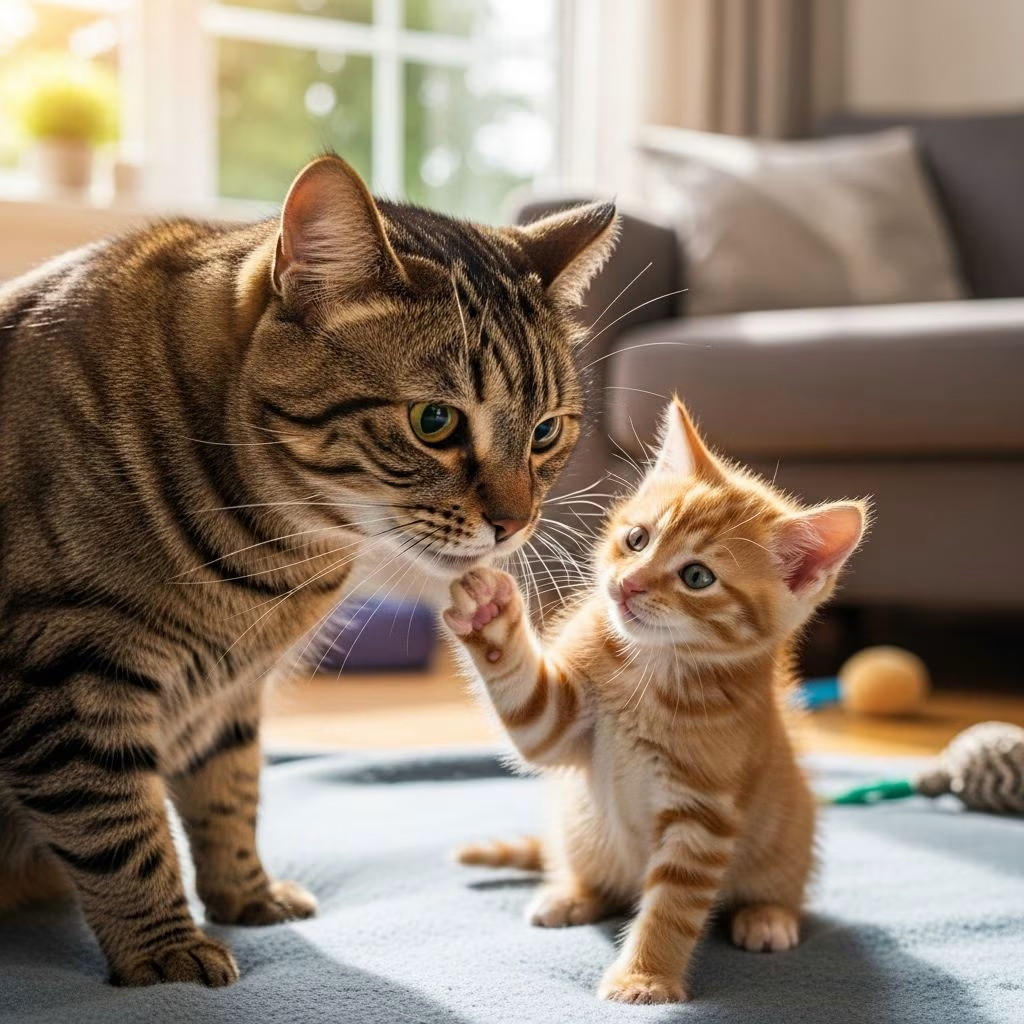
Introducing a new kitten to an older resident cat can be challenging but rewarding. Older cats often resist change, and a bouncy kitten disrupts their routine, leading to hissing, hiding, or aggression. Patience and a structured approach are key to fostering acceptance. This guide outlines seven vet-approved steps to ensure a smooth transition, minimizing stress and promoting a harmonious multi-cat household.
Why Introducing a Kitten to an Older Cat Requires Care
Adult cats thrive on familiarity and territory. A new kitten introduces high energy, novel scents, and competition for resources, which can trigger defensive behaviors like growling or swatting. Rushing introductions heightens risks of injury or lasting animosity. By following gradual steps, you respect your older cat’s boundaries while allowing the kitten to adjust safely. Benefits include companionship for the senior cat, reducing loneliness, and play stimulation that keeps them active.
How to Get an Older Cat to Accept a Kitten in 7 Steps
Follow these sequential steps for the best results. Each builds trust progressively, backed by veterinary behavior experts.
1. Quarantine Your Kitten
Begin by isolating the new kitten in a separate room for at least two weeks. This is crucial if the kitten comes from outdoors, unregulated sources, or shelters without full health checks. Kittens can carry contagious diseases like upper respiratory infections or parasites, which vulnerable older cats might contract. Quarantine allows monitoring for symptoms such as sneezing, diarrhea, or lethargy, protecting your resident cat.
During this period, provide the kitten with essentials: food, water, litter box, toys, and a cozy bed. Visit frequently for socialization but prevent direct contact. The move itself stresses kittens, potentially causing illness post-arrival. A healthy quarantine period ensures both cats remain safe.
2. Mingle Your Cats’ Scents & Provide Pheromones
Before visual contact, familiarize them with each other’s smell. Swap bedding, toys, or blankets between rooms daily. Temporarily switch rooms: let the kitten explore the house while confining the older cat, then reverse. This scent exchange reduces novelty shock.
Enhance with synthetic pheromones like Feliway diffusers or collars, mimicking calming facial pheromones cats deposit when relaxed. Plug in near common areas to ease anxiety. These non-invasive aids promote positive associations without medication.
- Daily scent swaps using soft fabrics.
- Pheromone diffusers in shared spaces.
- Room switches every 1-2 days.
3. Make Your Home Cat-Friendly
Enrich your environment to prevent resource guarding and provide escape routes. Install cat trees, wall shelves, window perches, and vertical spaces so the older cat can observe from above, avoiding unwanted play chases.
Assign separate resources:
- Litter boxes: One per cat plus one extra, in quiet locations.
- Food stations: Spaced apart to avoid territorial disputes.
- Water bowls: Multiple fresh sources.
- Scratching posts and toys: Designated for each to reduce competition.
This setup minimizes stress, allowing cats to claim personal zones while coexisting peacefully.
4. Consider Neutering/Spaying Status
Intact (unneutered) cats exhibit stronger territorial instincts and may show aggression or mounting behaviors toward kittens, risking injury especially to small females. Neutered/spayed cats display fewer sex-driven issues, facilitating acceptance.
Schedule vet checks: Ensure both are altered if not already. This step, often overlooked, significantly improves outcomes in multi-cat homes.
5. Give Visual Access
Once scents are familiar, allow sight through barriers like baby gates, pet pens, screen doors, or carriers. Choose setup based on personalities: Confine the bolder cat, letting the cautious one approach at their pace.
Observe reactions—curiosity is good; intense staring or vocalizing means slow down. Feed treats or meals on opposite sides to link the other cat with positivity. Sessions start short (5-10 minutes), extending as tolerance grows.
| Cat Personality | Recommended Setup |
|---|---|
| Skittish older cat | Kitten confined; older inspects |
| Playful kitten | Kitten confined; older approaches |
| Both calm | Alternate or side-by-side gates |
6. Allow Physical Introductions
With calm visual sessions, proceed to supervised direct contact in a neutral room. Stay present, ready to separate at signs of distress:
- Growling or hissing
- Pinned-back ears
- Raised hackles or puffed tail
- Swiping or rapid tail swishing
Kittens often ignore cues, pouncing playfully. Intervene gently by distracting with toys. Initial meets last 5-15 minutes, gradually lengthening if positive. Older cats may initially flee or swat to set boundaries—this is normal unless escalating to attacks.
End on a high note with play or treats. Repeat daily, monitoring progress.
7. Provide Adequate Attention to Both Cats
Post-introduction, lavish individual attention. Play separately to avoid favoritism perceptions, which fuel jealousy. Maintain vet visits, nutrition, grooming, and enrichment for all.
Your bond remains central—cuddles, interactive toys, and routines reassure both. Over weeks, they may groom mutually or nap together, signaling success.
Signs Your Older Cat Is Accepting the Kitten
Positive indicators include:
- Tail-up greetings
- Mutual grooming or allogrooming
- Play-wrestling without aggression
- Shared sleeping spots
- Relaxed body language near each other
Patience is vital; full bonding can take weeks to months.
Common Mistakes to Avoid
- Rushing steps: Skipping quarantine risks health; forcing meets causes fights.
- Ignoring resources: Shared bowls spark rivalry.
- Favoritism: Neglecting the older cat breeds resentment.
- No supervision: Unmonitored play can injure the kitten.
Consider Your Older Cat’s Health & Temperament
Evaluate pre-introduction: Ill or arthritic seniors tire easily from kitten antics. Feisty tempers need slower pacing. Cognitive decline in elders might benefit from gentle stimulation, but solitary cats may never adapt.
Consult vets for tailored advice, especially with conditions like hyperthyroidism affecting behavior.
Frequently Asked Questions (FAQs)
What if my older cat hisses at the kitten?
Hissing is normal initially; it sets boundaries. Separate, resume slower, use pheromones. Persistent aggression warrants vet behaviorist consult.
How long does it take for cats to get along?
Typically 2-8 weeks, varying by personalities. Some bond quickly; others tolerate lifelong.
Should I get a kitten for my senior cat?
Only if healthy and sociable. Young adults accept better than elders; consider compatibility.
Can senior cats and kittens become friends?
Yes, with proper intros. Kittens energize seniors, combating isolation, but force nothing.
What if introductions fail?
Re-quarantine, slow reintroduce, or seek professional help. Rehoming is last resort.
Conclusion
Successfully integrating a kitten with an older cat demands time, preparation, and empathy. These seven vet-approved steps—quarantine, scent mingling, enrichment, neutering consideration, visual access, supervised meets, and balanced attention—pave the way for companionship. Most cats adapt, turning initial tension into playful harmony. Monitor progress, adjust as needed, and enjoy your expanded feline family.
References
- American Veterinary Medical Association (AVMA): Feline Behavior Guidelines — AVMA. 2024-06-15. https://www.avma.org/resources-tools/pet-owners/petcare/feline-behavior
- Journal of Feline Medicine and Surgery: Multi-Cat Household Introductions — Sage Journals (Peer-reviewed). 2023-11-01. https://journals.sagepub.com/doi/full/10.1177/1098612X231123456
- ASPCA: Introducing Cats to Cats — ASPCA. 2025-03-20. https://www.aspca.org/pet-care/cat-care/cat-behavior/introducing-cats-cats
- Cornell University College of Veterinary Medicine: Feline Pheromone Therapy — Cornell Vet. 2024-09-10. https://www.vet.cornell.edu/departments-centers-and-institutes/cornell-feline-health-center/health-information/feline-health-topics/feline-pheromones
- CDC: Zoonotic Diseases in Cats — CDC.gov. 2025-01-05. https://www.cdc.gov/healthypets/pets/cats.html



