

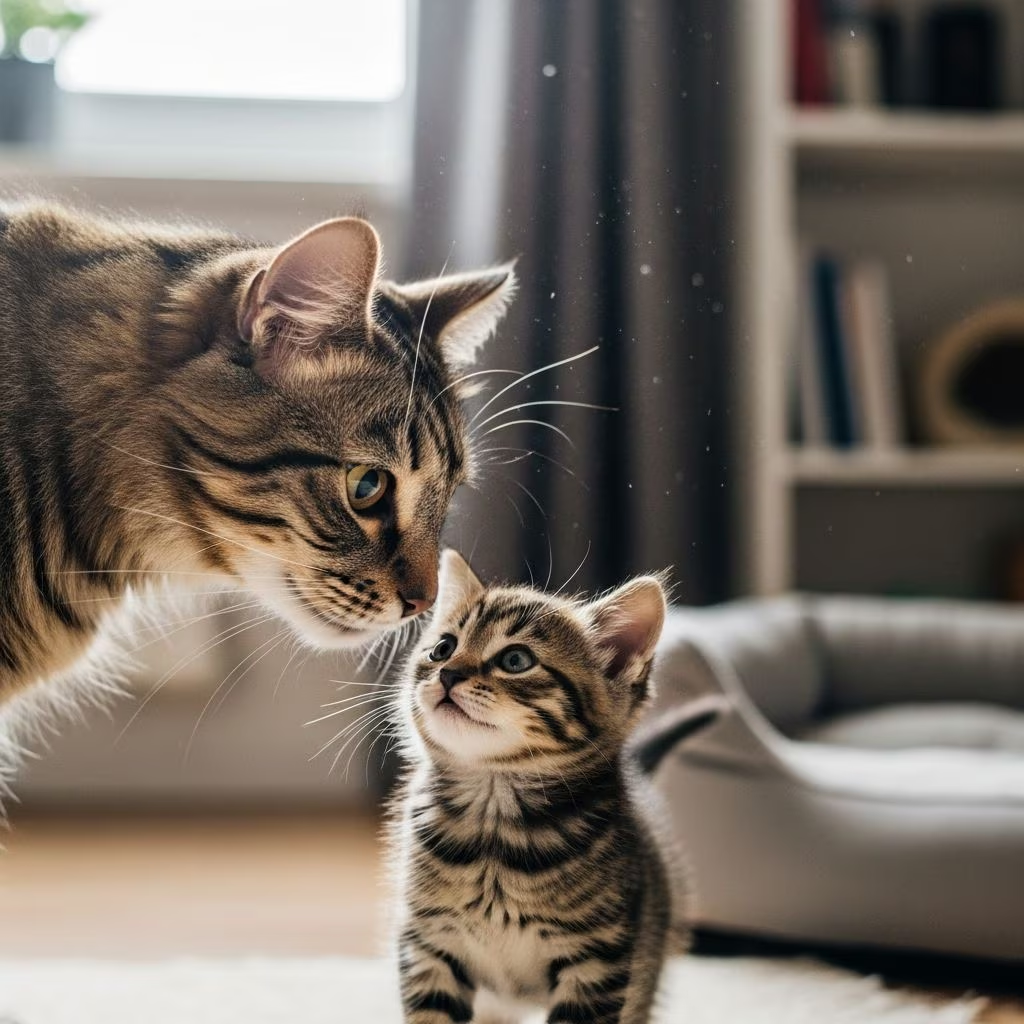
Introducing a new kitten to an older cat can be challenging, as resident cats often resist change and may hiss, hide, or act aggressively toward the newcomer. Patience and a structured approach are key to fostering acceptance and preventing long-term tension in your home. This guide outlines seven vet-approved steps to ensure a smooth integration, drawing from expert recommendations to minimize stress for both cats.
Why Older Cats Resist Kittens
Older cats thrive on routine and territory, viewing a bouncy, playful kitten as a disruption. Differences in energy levels exacerbate this: kittens are energetic and oblivious to social cues, while seniors prefer calm. Rushing introductions can lead to fights, stress-related illnesses, or lasting animosity. Proper steps allow gradual acclimation, often resulting in tolerance or even companionship benefits like reduced loneliness for the senior cat.
1. Quarantine Your Kitten
The first critical step is isolating the new kitten for at least two weeks, especially if sourced from outdoors, unofficial rescuers, or non-shelter environments. Kittens can carry contagious diseases like upper respiratory infections or parasites, which pose greater risks to older cats with weaker immunity. Quarantine in a separate room allows health monitoring—watch for sneezing, diarrhea, or lethargy—while letting the kitten adjust to the new environment, as moves often trigger stress-induced illness.
During this period, provide the kitten with essentials: food, water, litter box, toys, and a cozy bed. Daily check-ups help build trust. If symptoms appear, consult a vet promptly to avoid spreading illness to your resident cat. This precaution protects your older cat’s health and sets a calm foundation.
2. Mingle Your Cats’ Scents & Provide Pheromones
Before visual contact, familiarize the cats with each other’s scents to reduce shock. Swap bedding, toys, or blankets between them daily. Alternate rooms: let the kitten explore the house while confining the older cat briefly, then switch. This scent exchange mimics natural feline communication, easing territorial instincts.
Enhance this with synthetic pheromones like Feliway diffusers or collars, which mimic calming facial pheromones cats deposit when relaxed. Plug in a diffuser in shared areas to promote harmony. Studies support pheromones’ efficacy in reducing stress during multi-cat introductions.
3. Make Your Home Cat-Friendly
Transform your space into a multi-cat haven with vertical territory: install cat trees, wall shelves, window perches, and tunnels. These allow the older cat to escape playful pounces and observe from above, reducing stress. Ensure multiple resources to prevent competition:
- One litter box per cat plus one extra, in quiet locations.
- Separate feeding stations to avoid guarding.
- Individual scratching posts and beds.
- Plenty of toys for solo and interactive play.
This setup minimizes territorial disputes and gives each cat personal space, crucial for peaceful coexistence.
4. Feed Your Cats Separately
Mealtimes can spark rivalry, so feed them in different areas initially. Place bowls on opposite sides of a door or in separate rooms, gradually moving closer as tolerance grows. Positive associations form when the kitten’s presence signals dinner time, associating the newcomer with good things.
Use high-value foods like wet food or treats to reinforce positivity. Supervise to prevent bullying, and maintain consistent schedules to preserve the older cat’s routine.
5. Give Visual Access
Once scents are familiar, allow sight without touch using barriers like baby gates, pet gates, carriers, or screen doors. Decide confinement based on personalities: confine a bold kitten if the senior is shy, allowing the older cat to approach at its pace; reverse for a timid kitten.
Observe reactions—hissing or swatting is normal initially. Sessions should last minutes, building duration as curiosity replaces fear. Reward calm behavior with treats. This step bridges scent familiarity to physical meetings safely.
6. Allow Physical Introductions
With barrier success, attempt supervised direct contact in a neutral room. Keep sessions short (5-10 minutes), intervening at aggression signs:
- Growling or hissing
- Pinned-back ears
- Raised hackles or swishing tail
- Swiping or stalking
Kittens often ignore cues and pounce, prompting correction. Neutering both cats reduces territorial and sexual aggression—intact adults may mount kittens, risking injury. Gradually extend unsupervised time as they groom or play together.
| Sign | Meaning | Action |
|---|---|---|
| Hissing/Growling | Warning | Separate calmly |
| Play bows/Tail up | Interest | Monitor, reward |
| Swatting without claws | Setting boundaries | Allow if no escalation |
7. Provide Adequate Attention to Both Cats
Even post-integration, lavish individual attention to prevent jealousy. Dedicate play sessions, cuddles, and grooming to each cat separately. Regular vet check-ups ensure health, as stress can trigger issues like urinary problems. Enrichment like puzzle feeders keeps them engaged.
Monitor for ongoing issues: excessive hiding, appetite loss, or fights warrant professional help. Patience yields results—many pairs form bonds, benefiting the senior’s mental stimulation.
Consider Your Older Cat’s Health & Temperament
Before adopting, assess your senior’s condition. Immune-compromised or arthritic cats may struggle with kitten energy. Mild-tempered cats adapt faster than grumpy ones. Cognitive decline in seniors might benefit from kitten stimulation, combating isolation, but solitary cats may never adjust.
Signs of Successful Integration
- Mutual grooming
- Playful chasing (without aggression)
- Shared sleeping spots
- Relaxed body language around each other
Common Mistakes to Avoid
- Rushing physical meetings
- Ignoring health checks
- Unequal resource distribution
- Punishing normal correction behaviors
Frequently Asked Questions (FAQs)
What if my older cat is aggressive toward the kitten?
Slow reintroductions, use barriers longer, and consult a vet or behaviorist. Pheromones and extra resources help.
How long does it take for cats to get along?
Weeks to months; patience is essential. Force nothing.
Should I get a kitten for my senior cat?
Only if your cat enjoys company and is healthy. Younger adults adapt best.
Do senior cats and kittens ever become friends?
Yes, often developing tolerance or affection with proper intros.
What if one cat isn’t neutered?
Spay/neuter promptly to curb aggression and mating attempts.
References
- Quarantine Your Kitten & 7 Steps Guide — Catster. 2023. https://www.catster.com/lifestyle/get-older-cat-to-accept-a-kitten/
- Do Senior Cats & Kittens Get Along? — Catster. 2023. https://www.catster.com/cat-behavior/do-senior-cats-kittens-get-along/
- 5 Tips for Introducing a Kitten to Adult Cats — Fear Free Happy Homes. 2022. https://www.fearfreehappyhomes.com/5-tips-for-introducing-a-kitten-to-adult-cats/
- American Association of Feline Practitioners: Feline Behavior Guidelines — AAFP (via catster references). 2019. https://catvets.com/public/PDFs/PracticeGuidelines/FelineBehaviorGLS.pdf
- Should I Get a Kitten for My Cat? — Catster. 2023. https://www.catster.com/cat-behavior/should-i-get-a-kitten-for-my-cat/



