

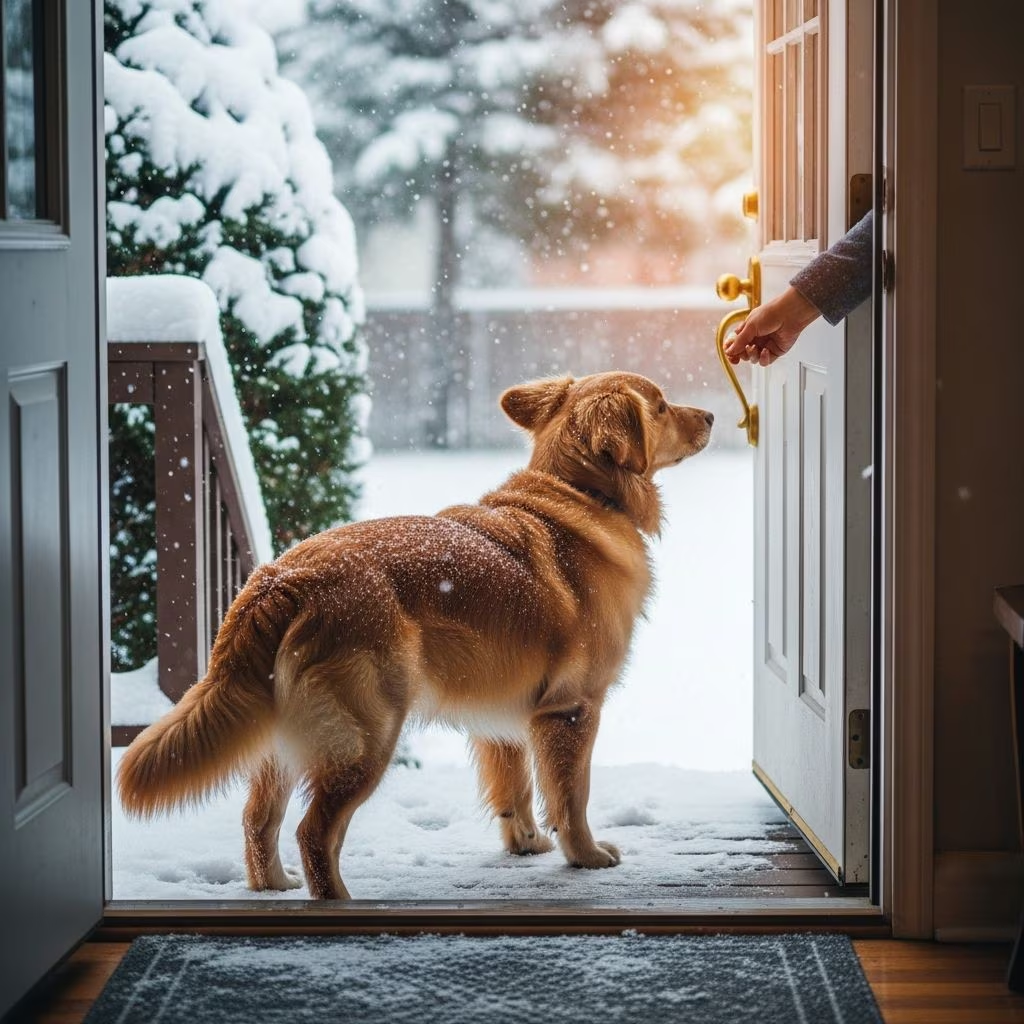
Winter wonderlands are irresistible to many dogs, but convincing them to abandon the snow for indoor warmth can turn into a daily battle. Whether your pup is rolling in powder, digging snow piles, or simply loving the chill, reluctance to come inside is common, especially as temperatures drop and behaviors shift. This guide covers why dogs resist, immediate solutions, long-term training, breed considerations, and safety tips to ensure smooth transitions from snowy adventures to cozy indoors.
Why Your Dog Won’t Come Inside from the Snow
Dogs often ignore recall commands in snow due to heightened excitement from the novel texture, scent-tracking opportunities, or playful instincts. Cold weather alters behavior: some dogs shiver and seek warmth quickly, while others burrow deeper into fun to combat the chill instinctively.Reluctance signals include ignoring calls, playful dodging, or fixating on snow piles, amplified by shorter days and environmental changes that make outdoors stimulating yet uncomfortable.
Small breeds or short-coated dogs like Greyhounds may tremble from cold but persist due to prey drive or boredom relief indoors. Larger, cold-tolerant breeds like Huskies thrive in snow, viewing it as playground rather than hazard. Metabolic shifts in winter can increase energy needs, making active snow play more appealing than returning home.
- Excitement overload: Snow triggers zoomies, digging, or chasing flurries, overriding trained recall.
- Cold adaptation: Dogs curl up or pace to conserve heat but resist indoors if they associate it with confinement.
- Paw irritation: Ice melt salts or frozen ground cause discomfort, yet dogs lick paws obsessively instead of retreating.
- Seasonal stress: Darker evenings and wet conditions heighten sensitivity, making dogs slower or hesitant on walks but stubborn once engaged.
Immediate Solutions to Get Your Dog Inside
When recall fails mid-snow session, avoid chasing— it turns into a game. Instead, use high-value motivators your dog can’t resist, like warm treats or favorite toys shaken at the door. Call once enthusiastically, then turn away silently to build urgency; dogs follow curious pack leaders.
| Quick Tactic | How to Use | Why It Works |
|---|---|---|
| Warm Treat Lure | Heat chicken or peanut butter; wave near door | Contrasts cold snow with irresistible warmth |
| Door Dash Game | Run inside first, peek out calling “Come play!” | Taps play drive, makes indoors exciting |
| Leash Backup | Gently reel in if ignoring; praise heavily | Ensures safety without force |
| Voice Change | High-pitched happy tone vs. stern yell | Prevents negative associations |
For paw-chewing dogs post-snow, wipe pads immediately with warm towels and apply balm to prevent fixation that delays entry. Limit outings to 10-15 minutes for cold-sensitive pups, monitoring for lethargy or shivering.
Training Your Dog to Come Inside from Snow: Step-by-Step
Build reliable winter recall through positive reinforcement, starting indoors and graduating to snow. Consistency is key—reward 100% of early successes to create habit. Use sessions of 5-10 minutes daily, ending on highs to avoid frustration.
- Foundation Indoors: Practice “come” with treats/toys; add distance and distractions like fans simulating wind.
- Threshold Transition: Open door to yard; reward instant returns before full engagement.
- Snow Introduction: Short leashed sessions; call before play peaks, jackpot reward (multiple treats).
- Proofing: Vary rewards, practice in light snow first; fade leash gradually.
- Winter-Specific: Pair with warm vests removed only indoors as bonus.
Pro Tip: Never punish late returns— it erodes trust. If progress stalls, consult trainers for reactivity issues masked by cold weather.
Best Gear and Tools for Winter Recall
Equipping right reduces resistance. Cozy coats make dogs warmer faster indoors, while booties protect paws from snow balling, minimizing post-play cleanup battles.
- Coats/Jackets: Waterproof with fleece lining for short-haired breeds; reflective for dark evenings.
- Booties: Musher-style with grippy soles prevent slips and ice burns.
- Harnesses over Collars: Distributes pull evenly during leashed recalls.
- Long Lines: 20-30ft for safe practice without full freedom.
- Freeze-Dried Treats: Portable high-value rewards that don’t freeze.
Test gear pre-winter; some dogs resist coats initially—pair with treats to build positive links.
Breed-Specific Tips for Snow Recall
Not all dogs view snow equally. Tailor approaches:
- Cold-Lovers (Huskies, Malamutes): Use squeaky toys mimicking prey; mental games indoors compete with snow.
- Cold-Sensitive (Chihuahuas, Pugs): Short outings only; heated mats at door lure quickly.
- Retrievers/Labs: Throw balls toward door for fetch-based returns.
- Herders (Aussies, Borders): Channel energy with agility in snow, call as “job well done.”
- Seniors: Ramps or paw warmers ease entry; watch for arthritis worsened by cold.
Understanding Cold Weather Behavior Changes
Snow reluctance ties to broader winter shifts: cuddling increases for warmth, outdoor time drops causing indoor zoomies, appetite fluctuates with activity. Shivering dogs curl tightly; lethargy signals over-chill. Provide mental stimulation via puzzles to curb restlessness from cabin fever.
Paw licking from salts/cracks delays returns—booties and balms essential. Monitor for extremes: vet check for persistent changes.
Health and Safety Tips for Snowy Play
Prevent issues enabling better recall:
- Wipe paws post-outing to remove toxins.
- Check for hypothermia: gums pale, body cold.
- Hydrate despite cold; warm (not hot) water.
- Adjust calories up 10-20% for outdoor dogs.
Frequently Asked Questions (FAQs)
What if my dog ignores treats in snow?
Escalate to toys or play; build value indoors first. Use hunger timing pre-meals.
Is it okay to let dogs play indefinitely in snow?
No—limit to 15-30min based on breed; risk frostbite, exhaustion.
My dog shivers but won’t come in—what now?
Coat up outings; warm lure at door. Vet if chronic.
How to train recall if dog runs away in yard snow?
Secure fencing/long line; never free-run until 90% reliable.
Do all dogs hate coming inside from snow?
No, but most breeds need training; cold-averse ones comply faster.
References
- Understanding Your Dog’s Behavior In Cold Weather — Hungry Hound. Accessed 2026. https://hungryhound.com/valparaiso/blog/understanding-your-dogs-behavior-in-cold-weather
- 7 Ways to Understand Your Dog’s Behavior in Cold Weather — Waggle. Accessed 2026. https://mywaggle.com/blogs/pet-behaviour/understand-your-dogs-behavior-in-cold-weather
- Why Winter Makes Your Dog’s Behavior Worse — Beckman’s Dog Training (YouTube Transcript). Accessed 2026. https://www.youtube.com/watch?v=Ha2y14q9Uy4



