

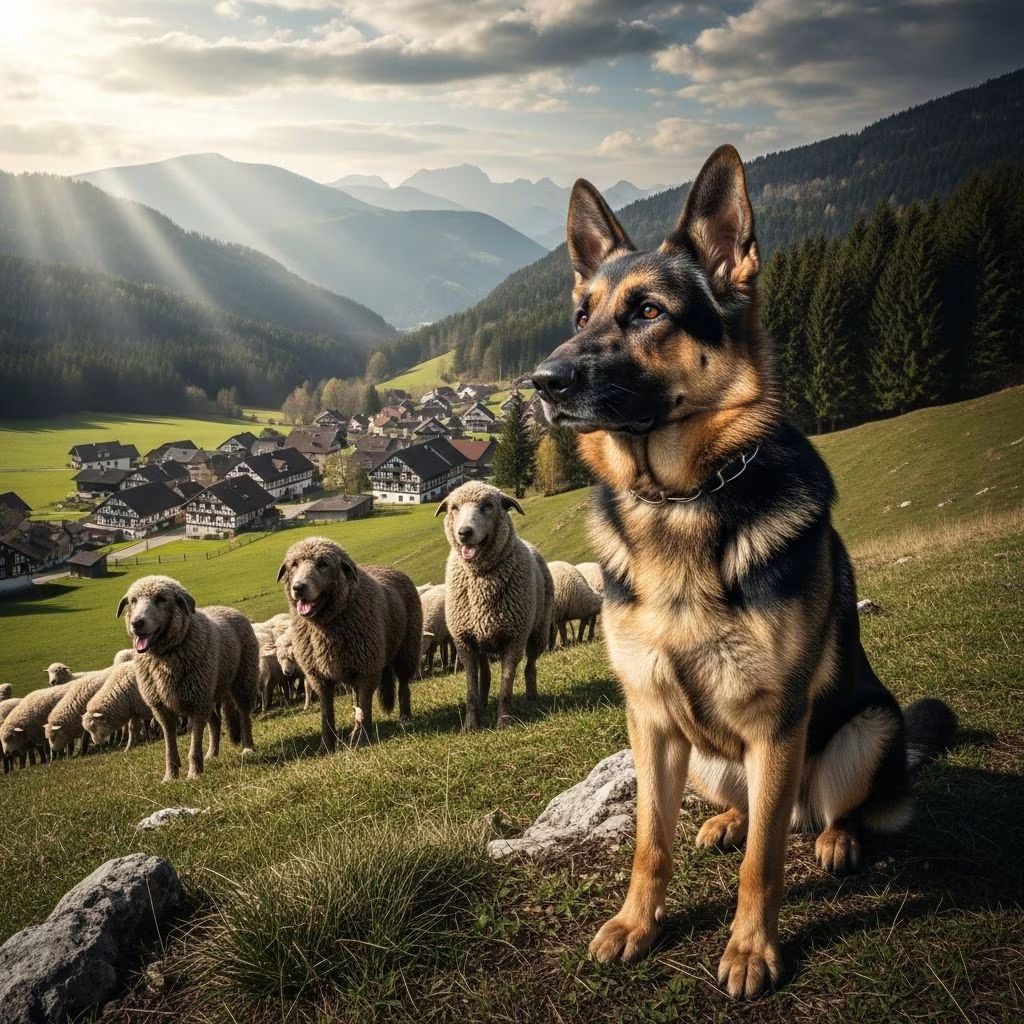
The German Shepherd Dog stands as one of the most recognizable and versatile breeds worldwide, renowned for its intelligence, strength, and unwavering loyalty. Emerging from Germany’s rural landscapes in the late 19th century, this breed was meticulously crafted to embody the ideal working companion. Its story begins with a visionary leader who transformed regional herding dogs into a unified standard of excellence, prioritizing utility over aesthetics.
The Visionary Behind the Breed
Captain Max von Stephanitz, a former cavalry officer and veterinary student, played a pivotal role in establishing the German Shepherd. Dissatisfied with the variability among local shepherd dogs, he sought to create a standardized breed excelling in herding, protection, and obedience. In 1899, at a dog show in Karlsruhe, he discovered Hektor Linksrhein, a medium-sized, wolf-like dog with exceptional balance, energy, and temperament. Renaming him Horand von Grafrath, von Stephanitz registered him as the foundational sire of the breed.
Von Stephanitz founded the Verein für Deutsche Schäferhunde (SV), the German Shepherd Dog Club, that same year. His breed standard emphasized mental stability, working ability, and structural efficiency, encapsulated in his motto: “Utility and intelligence.” Beauty was secondary; a dog’s value lay in its capacity to serve humans effectively.
From Regional Herders to National Standard
Prior to standardization, German shepherds varied widely by region. Northern dogs from Thuringia were often smaller, stockier, with wiry coats and sharper temperaments, while southern Württemberg types were larger and more docile. Von Stephanitz selectively crossed these lines to achieve a balanced prototype: agile, enduring, and intelligent.
Horand exemplified these traits—lively, loyal, courageous, and naturally protective, with a stable temperament that required minimal training for obedience. Through careful line-breeding on Horand and his brother Luchs, von Stephanitz produced influential offspring like Hektor von Schwaben and Beowulf. To counter inbreeding risks, he introduced fresh bloodlines, such as Audifax and Adalo von Grafrath, preserving vigor and health.
Adapting to Industrial Change
As railroads expanded and sheep farming declined in the early 20th century, traditional herding roles waned. Von Stephanitz proactively pivoted the breed toward new purposes, collaborating with police and military organizations. He developed rigorous trials in tracking, obedience, and protection—precursors to modern Schutzhund (now IGP)—ensuring only superior performers bred.
During World War I, German Shepherds proved invaluable in military roles: messenger dogs, sentries, search-and-rescue, and supply carriers. Von Stephanitz lamented that Horand never saw wartime action, yet his descendants solidified the breed’s reputation globally.
Core Characteristics and Temperament
German Shepherds are self-assured, courageous, and eager to learn, with a strong work ethic and protective instincts. They thrive on purpose, excelling as guard dogs, search-and-rescue operatives, and family companions when properly socialized. Their high energy demands consistent mental and physical stimulation to prevent boredom-induced behaviors.
Key traits include:
- Intelligence: Ranked among the top breeds for trainability and problem-solving.
- Loyalty: Deep bonds with family, wary of strangers without aggression.
- Athleticism: Built for endurance, with powerful gait and keen senses.
- Versatility: Adaptable to police, therapy, and competitive sports.
Physical Standards and Appearance
The ideal German Shepherd is medium-large, with males standing 24-26 inches at the shoulder and weighing 65-90 pounds, females slightly smaller. Their double coat—dense undercoat and weather-resistant outer layer—comes in black-and-tan, sable, or all-black, shedding heavily twice yearly.
| Aspect | Male | Female |
|---|---|---|
| Height | 60-65 cm | 55-60 cm |
| Weight | 30-40 kg | 22-32 kg |
| Coat | Medium-long, straight | Medium-long, straight |
| Build | Muscular, balanced | Muscular, balanced |
Structure prioritizes trotting efficiency: deep chest, sloping topline, and strong hindquarters for propulsion.
Training Essentials for Success
Early, positive reinforcement training is crucial due to their intellect and drive. Puppy socialization prevents over-protectiveness. Schutzhund-style programs build confidence in tracking (scent discrimination), obedience (precision commands), and protection (controlled bite work).
Owners should:
- Provide 1-2 hours daily exercise: runs, agility, or fetch.
- Use mental puzzles like scent games or obedience drills.
- Enroll in advanced classes for channeling energy.
Health Considerations and Care
While robust, German Shepherds are prone to hip dysplasia, elbow issues, degenerative myelopathy, and bloat. Responsible breeding via surveys like the SV’s Körung—evaluating temperament, structure, and health—mitigates risks. Regular vet checks, joint supplements, and a high-protein diet support longevity (10-13 years).
Grooming involves weekly brushing, nail trims, and ear cleaning to prevent infections. Dental care is vital for their large jaws.
Modern Roles and Global Impact
Today, German Shepherds dominate police K9 units, detecting drugs/explosives, and military operations. They’re stars in film (e.g., Rin Tin Tin), therapy work, and competitive sports. Exports began in 1906 to the USA, with the AKC recognizing them in 1908.
Von Stephanitz’s legacy endures through the SV’s strict standards, combating show-line exaggerations like steep rears that compromise function. Working-line dogs preserve the breed’s herding heritage.
Choosing and Living with a German Shepherd
Prospective owners need experience, space, and commitment. Puppies from titled, health-tested parents ensure quality. This breed suits active families valuing discipline and partnership, not casual pet-keeping.
Frequently Asked Questions
Are German Shepherds good family dogs?
Yes, when socialized early, they bond deeply with children and protect families, though supervision with toddlers is advised due to size.
How much exercise do they need?
At least 60-90 minutes daily, plus mental work, to stay balanced.
What’s the difference between working and show lines?
Working lines prioritize drive and health for jobs; show lines emphasize conformation, sometimes at function’s expense.
Do they shed a lot?
Yes, moderately year-round, heavily during “blowing coat” seasons.
Are they easy to train?
Highly, due to intelligence, but require firm, consistent leadership.
References
- HISTORY OF THE BREED | Vom Geliebten Haus — Vom Geliebten Haus. Accessed 2026. https://www.vomgeliebtenhaus.com/history-of-the-breed
- German Shepherd Breed Info | Best Food, Training, Grooming – Bil-Jac — Bil-Jac. Accessed 2026. https://www.bil-jac.com/breed-library/german-shepherd/
- German Shepherd Dog History: Where the Breed Originated — American Kennel Club (AKC). Accessed 2026. https://www.akc.org/expert-advice/dog-breeds/german-shepherd-dog-history/
- A Very Brief History of the German Shepherd Dog — Dog Trainer College. Accessed 2026. https://www.dogtrainercollege.us/a-very-brief-history-of-the-german-shepherd-dog/
- History and Origins of the German Shepherd Dog — German Shepherd Rescue. Accessed 2026. https://www.germanshepherdrescue.co.uk/german-shepherd-history-i-150.html
- Breed History – The German Shepherd Dog Club of America — German Shepherd Dog Club of America (GSDCA). Accessed 2026. https://www.gsdca.org/breed-history/



