

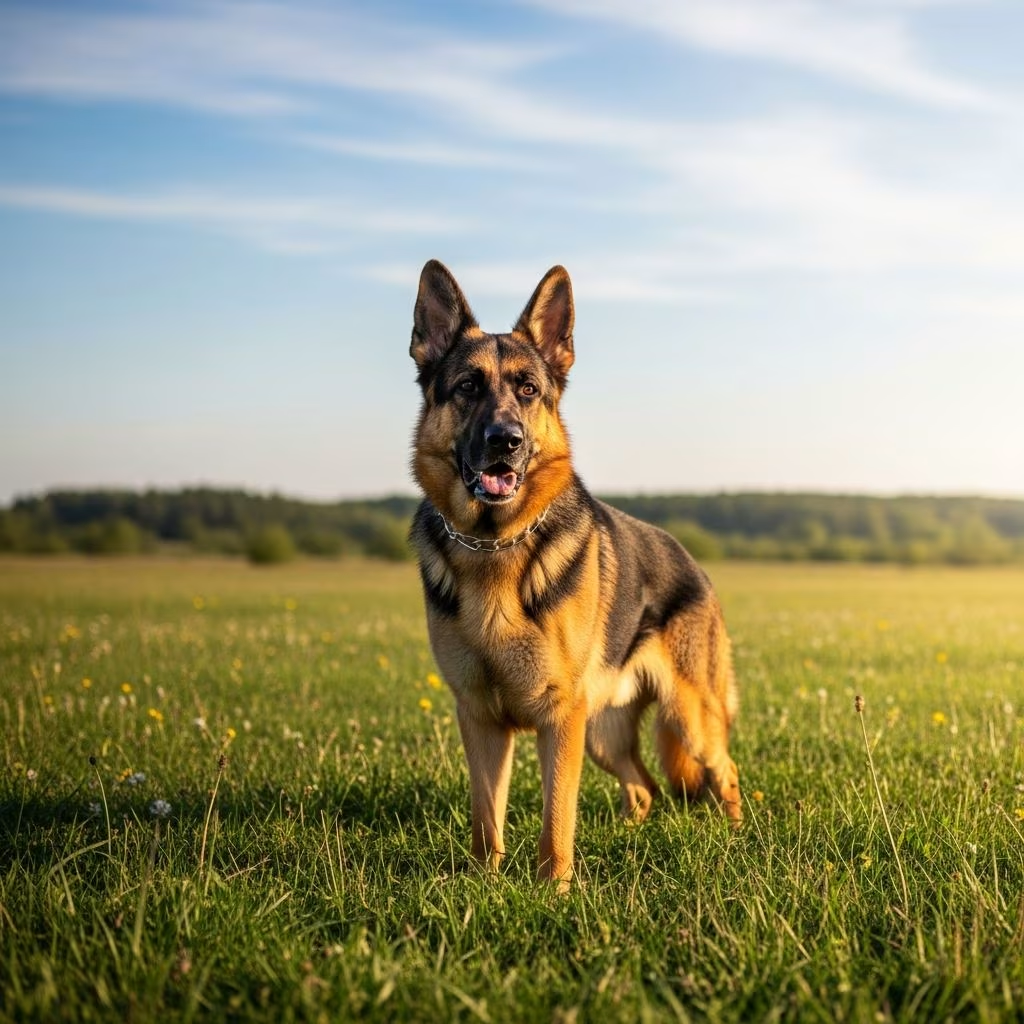
German Shepherds, renowned for their intelligence and versatility, typically live between **9 and 13 years**, though some exceed this with optimal care. This range reflects influences like genetics, nutrition, and preventive health measures, making proactive ownership crucial for extending their vitality.
Understanding the Average Lifespan Range
The expected longevity for a German Shepherd falls primarily within 9 to 13 years, aligning with patterns observed in many large breeds. While some sources note a narrower 7-10 year window, particularly for American lines registered by organizations like the AKC, broader data supports the higher end for well-maintained dogs. Males and females show minimal differences, but spaying or neutering timing can impact skeletal health if done too early.
Factors beyond breed norms include regional breeding practices; European lines often exhibit stronger constitutions compared to some U.S. variants due to stricter health screenings. Exceptional cases reach 15 years or more, but reaching 20 is exceedingly rare without extraordinary circumstances.
Key Elements Shaping Longevity
Several modifiable and inherent factors determine how long a German Shepherd thrives. Owners can significantly influence outcomes through daily habits.
Genetic Foundations
Breeding history plays a pivotal role, as poor practices amplify risks for hereditary conditions. Reputable breeders screen for issues like hip dysplasia, a malformation where the hip joint fails to form properly, leading to arthritis and mobility loss. Choosing puppies from health-tested parents boosts baseline lifespan potential.
Nutrition and Weight Control
A tailored diet prevents obesity, which strains joints and organs in large breeds. High-quality foods with 18-22% protein support lean muscle without excess carbs. Studies on similar breeds show calorie restriction—about 25% less than ad libitum feeding—can add 18-24 months to life, reducing markers like insulin and triglycerides.
Daily caloric needs vary: active adults require 1,740-2,100 calories, while less active ones need 1,272-1,540. Portion control from puppyhood avoids rapid growth that exacerbates joint problems.
Physical Activity Levels
Daily exercise—at least two hours—maintains muscle tone, combats hindquarter weakness common in aging German Shepherds, and wards off heart disease. Activities like structured walks, agility training, or fetch preserve joint health when introduced gradually to avoid injury.
Veterinary Oversight
Annual check-ups for adults and bi-annual for puppies detect issues early. Seniors over seven years benefit from more frequent monitoring. Vaccinations, dental cleanings, and screenings for cancers elevate survival rates.
Prevalent Health Challenges
German Shepherds face breed-specific vulnerabilities that shorten life if unmanaged. Awareness enables timely intervention.
| Condition | Description | Impact on Lifespan | Prevention Strategies |
|---|---|---|---|
| Hip Dysplasia | Abnormal hip joint development causing pain and lameness. | Leading cause of mobility loss and euthanasia. | Screened breeding, controlled growth, joint supplements. |
| Degenerative Myelopathy | Progressive spinal cord degeneration leading to paralysis. | Affects hind legs in later years. | Genetic testing, physical therapy. |
| Bloat (GDV) | Stomach torsion, a surgical emergency. | High mortality if untreated. | Small meals, avoid exercise post-eating. |
| Cancer | Higher risk in large breeds, including hemangiosarcoma. | Common terminal illness. | Regular exams, antioxidant-rich diet. |
| Periodontal Disease | Gum infections from plaque buildup. | Can shorten life by 3-5 years. | Daily brushing, dental chews. |
Musculoskeletal disorders top causes of death, underscoring the need for joint-focused care.
Daily Routines to Promote Extended Vitality
Consistent practices build resilience against age-related decline.
- Dental Hygiene: Brush teeth daily to prevent infections affecting 90% of dogs over three years, potentially adding years.
- Spay/Neuter Timing: Males at 12-15 months, females before five to safeguard bone development.
- Mental Stimulation: Training and puzzles combat boredom, linked to better overall health.
- Grooming: Weekly baths and shedding management reduce skin issues.
- Supplements: Glucosamine for joints, omega-3s for inflammation, per vet advice.
Recognizing and Addressing Age-Related Changes
As German Shepherds enter senior years around 7-8, signs like reduced stamina, stair hesitation, or appetite shifts emerge. Prompt vet evaluation distinguishes normal aging from treatable conditions, preserving quality of life.
Adapt environments with ramps, orthopedic beds, and softer foods. Monitor weight closely, as seniors metabolize slower.
Breed Variations and Expectations
American-bred German Shepherds may average shorter lives (7-10 years) due to conformational emphases on sloped backs straining hips. Working lines from Germany often endure longer, prioritizing function over show traits.
Nutrition Blueprint for Longevity
Feed age-appropriate formulas: puppies need growth-controlled kibble to 18 months; adults balanced proteins; seniors lower calories with joint support.
- Puppy (up to 18 months): Frequent small meals to regulate growth.
- Adult: Two meals daily, high-protein/low-carb.
- Senior: Senior-specific with added antioxidants.
Avoid table scraps to prevent allergies and obesity.
Exercise Programs by Life Stage
Tailor activity to prevent overload.
| Life Stage | Recommended Activity | Duration |
|---|---|---|
| Puppy | Short walks, play sessions | 30-60 min/day |
| Adult | Running, herding games, hikes | 2+ hours/day |
| Senior | Swimming, gentle walks | 1-2 hours/day |
Frequently Asked Questions
How can I tell if my German Shepherd is healthy?
Look for bright eyes, firm stool, shiny coat, enthusiasm for play, and normal weight (ribs palpable but not visible).
Do German Shepherds make good family pets?
Yes, their loyalty and protectiveness suit families, but they need training and exercise to channel energy positively.
Is pet insurance worth it for this breed?
Often yes, given high costs for hip surgeries or cancer treatments common in the breed.
Can diet alone extend my dog’s life?
Diet contributes significantly, with evidence showing lean maintenance adds up to two years, but combine with exercise and vet care.
What if my dog shows limping?
Rest and vet consult immediately; could signal dysplasia or injury.
Final Thoughts on Cherishing Your Companion
With diligent care focusing on prevention, many German Shepherds enjoy active lives well into their teens. Commit to their needs from day one for rewarding companionship.
References
- Understanding German Shepherd lifespan and nurturing their health — Purely Pets Insurance. 2023. https://www.purelypetsinsurance.co.uk/blogs/understanding-german-shepherd-lifespan-and-nurturing-their-health/
- Understanding the Lifespan of a German Shepherd — Vetericyn. 2023. https://vetericyn.com/blogs/vetericyn/how-long-do-german-shepherds-live
- German Shepherd | Temperament, Lifespan & History — Pooch & Mutt. 2023. https://www.poochandmutt.co.uk/blogs/by-breed/german-shepherd
- German Shepherd Life Expectancy and Health Issues — Pet Releaf. 2023. https://petreleaf.com/blogs/blog/german-shepherd-life-expectancy-and-health-issues
- German Shepherd Dog Breed Health, Care, and Training — PetMD. 2025-01-15. https://www.petmd.com/dog/breeds/german-shepherd



