

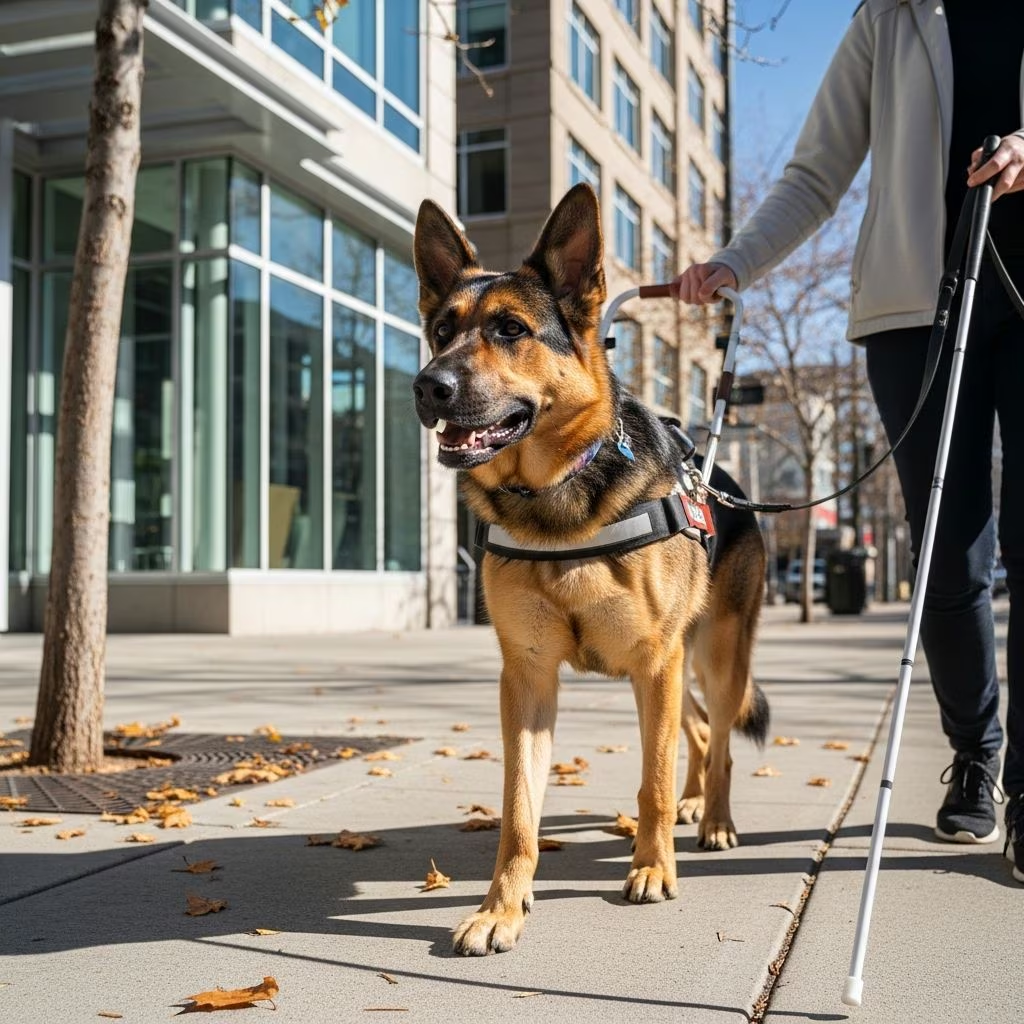
The German Shepherd stands as one of the most iconic and versatile dog breeds worldwide, renowned for its intelligence, loyalty, and unwavering work ethic. Originating from Germany in the late 19th century, this breed was meticulously developed to excel in herding and later adapted for police, military, and search-and-rescue roles. Today, German Shepherds are cherished family companions, provided their high energy and mental stimulation needs are met.
Origins and Development of the Breed
In the mid-1800s, Germany saw efforts to standardize local herding dogs, which varied greatly by region in size, coat, and temperament. Shepherds bred dogs selectively for traits like intelligence, speed, strength, agility, and a sharp sense of smell to manage flocks and ward off predators. These regional variations included stockier Thuringian types and larger Württemberg dogs.
The breed’s modern foundation traces to 1899 when Captain Max von Stephanitz, a cavalry officer and veterinary student, encountered Hektor Linksrhein (renamed Horand von Grafrath) at a Karlsruhe dog show. This medium-sized, wolf-like dog embodied the ideal: supple, powerful, enduring, steady, and intelligent, requiring minimal training for herding tasks. Von Stephanitz purchased Horand and founded the Verein für Deutsche Schäferhunde (SV), establishing the first breed standard emphasizing utility over aesthetics—his motto: “Utility is the true criterion of beauty.”
Von Stephanitz line-bred Horand with his brother Luchs and select herders from Thuringia, Franconia, and Württemberg, producing influential offspring like Hektor von Schwaben, Heinz von Starkenburg, Beowulf, and Pilot III. This inbreeding fixed desirable traits but prompted careful outcrossing to avoid health issues, ensuring vigor. By 1936, upon von Stephanitz’s death, the SV had rigorously controlled breeding via performance trials, precursors to Schutzhund (tracking, obedience, protection).
As herding declined with industrialization and railroads, von Stephanitz pivoted the breed toward police and military service. During World War I, German Shepherds proved invaluable in messenger, sentry, Red Cross, and rescue roles, gaining global fame despite post-war breeding concerns addressed by the Körung survey for temperament and structure.
Physical Characteristics and Breed Standards
German Shepherds are large, well-proportioned dogs with a noble bearing. Males stand 24-26 inches at the shoulder and weigh 65-90 pounds; females are slightly smaller at 22-24 inches and 50-70 pounds. Their double coat is medium-length, dense, and weather-resistant: straight black-and-tan is classic, but sable, all-black, and other patterns occur. The coat sheds heavily twice yearly, requiring regular brushing.
| Trait | Male | Female |
|---|---|---|
| Height | 24-26 inches | 22-24 inches |
| Weight | 65-90 lbs | 50-70 lbs |
| Coat | Medium, double | Medium, double |
| Colors | Black/tan, sable, black | Black/tan, sable, black |
Structure prioritizes functionality: a deep chest, sloping topline (controversial for gait efficiency), strong legs, and alert ears. Eyes are dark and almond-shaped; tails saber-like. Long-haired variants exist but are less common in working lines.
Temperament and Personality Traits
German Shepherds are self-assured, eager to learn, and purpose-driven, excelling as guard dogs due to curiosity and protectiveness. They bond deeply with families, often playful with children yet wary of strangers without proper socialization. High energy demands outlets; idle Shepherds may become destructive. Von Stephanitz described them as “never idle, always on the go, well-disposed to harmless people, but no cringer, mad on children.”
- Loyalty: Unwavering devotion to owners.
- Intelligence: Ranks among top trainable breeds.
- Courage: Natural protectors without undue aggression.
- Playfulness: Energetic with familiar humans.
- Alertness: Excellent watchdogs.
Training and Work Capabilities
Their trainability stems from high intelligence and drive. Early, positive reinforcement socialization prevents over-protectiveness. Schutzhund trials test tracking (scent discrimination), obedience (precision commands), and protection (controlled bite work). Ideal for active owners; daily mental challenges like puzzle toys or agility prevent boredom.
Working roles include police K-9 units, military detection, search-and-rescue, and therapy. They thrive with jobs, making them unsuitable for sedentary homes.
Health and Wellness Considerations
German Shepherds live 9-13 years but face breed-specific issues:
- Hip/Elbow Dysplasia: Genetic joint malformation; screen via OFA/PennHIP.
- Degenerative Myelopathy: Progressive spinal disease.
- Bloat (GDV): Feed smaller meals, avoid exercise post-eating.
- Allergies/Exocrine Pancreatic Insufficiency (EPI): Monitor digestion/skin.
- Eye Conditions: Pannus, cataracts.
Choose breeders using health-tested stock. Annual vet checks, balanced diet (high-protein for actives), and 60-90 minutes daily exercise maintain vitality.
Grooming and Daily Care Routine
Minimal grooming suits their coat: brush 2-3 times weekly, daily during sheds. Bathe monthly or as needed; nails trim bi-monthly, teeth daily. Ears check weekly to prevent infections.
- Brush coat thoroughly.
- Clean ears with vet-approved solution.
- Trim nails if clicking on floors.
- Provide dental chews.
Ideal Living Environment and Lifestyle Fit
Best for houses with yards; apartments possible with ample walks. Families with children, active singles, or handlers suit; not for novice or inactive owners. Early exposure to varied stimuli ensures adaptability.
Nutrition Guidelines for Optimal Performance
Puppies need frequent, growth-controlled feeding to avoid skeletal issues. Adults: 2,000-3,000 calories daily from quality kibble (25-30% protein). Monitor weight; seniors may need joint supplements like glucosamine.
| Life Stage | Daily Calories | Key Nutrients |
|---|---|---|
| Puppy | 1,500-2,500 | High protein, calcium balance |
| Adult Active | 2,000-3,000 | Protein 25-30%, fats 12-15% |
| Senior | 1,500-2,200 | Joint support, reduced calories |
Frequently Asked Questions (FAQs)
Are German Shepherds good with kids?
Yes, when socialized; their protective nature shines with gentle handling from puppyhood.
How much exercise do they need?
At least 1-2 hours daily, plus mental stimulation.
Do they shed a lot?
Yes, heavily seasonally; regular brushing manages it.
What’s the best training method?
Positive reinforcement; consistency is key due to intelligence.
Are they easy for first-time owners?
No; require commitment to training and activity.
Choosing Your German Shepherd: Breeder vs. Rescue
Reputable breeders prioritize health testing and temperament; visit, review pedigrees. Rescues offer adults—many purebreds need rehoming. Avoid puppy mills.
Post-adoption: Enroll in obedience classes, provide chew toys, and maintain routine for security.
References
- HISTORY OF THE BREED — Vom Geliebten Haus. Accessed 2026. https://www.vomgeliebtenhaus.com/history-of-the-breed
- German Shepherd Dog History: Where the Breed Originated — American Kennel Club (AKC). Accessed 2026. https://www.akc.org/expert-advice/dog-breeds/german-shepherd-dog-history/
- A Very Brief History of the German Shepherd Dog — Dog Trainer College. Accessed 2026. https://www.dogtrainercollege.us/a-very-brief-history-of-the-german-shepherd-dog/
- Breed History — German Shepherd Dog Club of America (GSDCA). Accessed 2026. https://www.gsdca.org/breed-history/
- History — Southern Illinois University Edwardsville (SIUE). Accessed 2026. https://www.siue.edu/~kbeal/final/history.html
- The History and Origin of the German Shepherd Dog — GSR Elite. Accessed 2026. http://gsrelite.co.uk/the-history-origin-of-the-german-shepherd-dog/



