

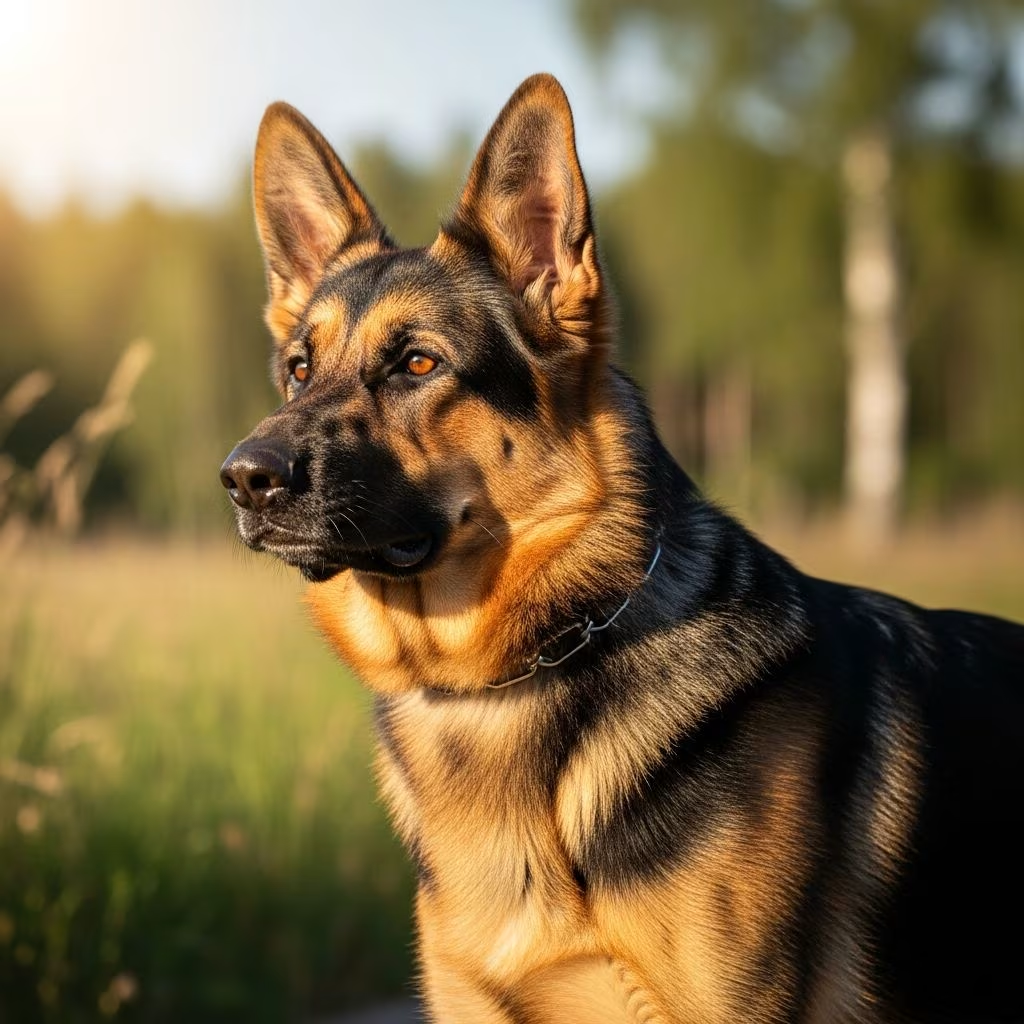
The German Shepherd Dog stands as one of the most iconic and capable breeds worldwide, renowned for its sharp intelligence, unwavering loyalty, and adaptability across demanding roles. Originating in Germany during the late 19th century, this large herding breed evolved from regional shepherd dogs into a standardized powerhouse, thanks to the vision of Captain Max von Stephanitz. Today, German Shepherds excel in police work, military service, search and rescue, and as devoted family pets, blending strength with a noble temperament.
Roots and Development of the Breed
In the 1890s, Germany saw efforts to unify diverse local herding dogs into a cohesive breed suited for sheepherding across varied terrains. Shepherds had long selected dogs for traits like speed, strength, endurance, and a keen sense of smell to manage flocks and ward off predators. These regional variations produced capable but inconsistent dogs, prompting standardization.
Captain Max von Stephanitz, a cavalry officer passionate about working dogs, played the pivotal role in creating the modern German Shepherd. At a 1899 dog show in Karlsruhe, he encountered Hektor Linksrhein, a medium-sized, wolf-like dog with exceptional herding instincts, balance, and temperament. Von Stephanitz purchased the dog, renamed him Horand von Grafrath, and registered him as the breed’s foundation sire. Horand’s lively spirit, loyalty, courage, and protective nature embodied von Stephanitz’s ideal of a versatile servant dog.
Von Stephanitz founded the Verein für Deutsche Schäferhunde (SV) that same year, establishing a breed standard emphasizing utility, mental stability, and working ability over mere aesthetics. He crossed Thuringian (smaller, wiry) and Württemberg (larger, steadier) lines to achieve balanced size, structure, and temperament. As industrialization reduced herding demands, he pivoted the breed toward police, military, and service roles, developing rigorous trials like Schutzhund for tracking, obedience, and protection.
World Wars I and II showcased the breed’s valor in messenger, rescue, sentry, and supply duties, boosting global fame despite post-war name changes like “Alsatian” in England due to anti-German sentiment. Von Stephanitz’s Körung survey system ensured only top-performing dogs bred, preserving quality amid profit-driven excesses.
Physical Characteristics and Standards
German Shepherds are large, athletic dogs built for endurance and agility. Males typically stand 24-26 inches at the shoulder and weigh 65-90 pounds, while females are 22-24 inches and 50-70 pounds. Their muscular, well-proportioned frame features a deep chest, strong back, and powerful hindquarters for fluid gait—a hallmark of the breed.
| Trait | Male | Female |
|---|---|---|
| Height | 24-26 inches | 22-24 inches |
| Weight | 65-90 lbs | 50-70 lbs |
| Coat | Medium-length, dense double coat | Medium-length, dense double coat |
| Colors | Tan/black, sable, all black, etc. | Tan/black, sable, all black, etc. |
The iconic double coat is medium-length, straight, and harsh, with a thick undercoat for weather resistance. Common markings include tan with black saddle, though sable, all-black, and other patterns occur. They shed heavily twice yearly, requiring regular brushing. Eyes are dark and almond-shaped; ears erect and proportionate. Tail is bushy, carried low with a slight curve.
Temperament and Personality Traits
German Shepherds are self-assured, curious, and purpose-driven, thriving on mental and physical challenges. Their high intelligence—often ranked among top breeds—pairs with eagerness to learn, making them highly trainable and obedient. Loyal to their family, they bond deeply but remain wary of strangers unless properly socialized, excelling as guardians without undue aggression.
- Fearless and Noble: Confident in new situations, protective of home and loved ones.
- Willing Workers: Excel in obedience, agility, and protection sports.
- Family-Oriented: Gentle with children when raised properly, though supervision advised due to size.
- Active Minds: Boredom leads to destructive behavior; they need jobs like puzzle toys or herding games.
Early socialization prevents overprotectiveness. They suit active owners but can adapt to apartments with sufficient exercise.
Training and Activity Needs
Harness their trainability with positive reinforcement from puppyhood. Von Stephanitz prioritized working trials, so modern training mirrors this: structured sessions building on basic commands to advanced skills. They shine in obedience, tracking, Schutzhund, and dog sports.
- Puppy socialization classes for confidence around people and dogs.
- Daily 1-2 hours of exercise: runs, hikes, fetch, or herding simulations.
- Mental stimulation via agility courses, scent work, or advanced tricks.
- Consistent leadership to channel protective instincts positively.
Without outlets, their energy turns to chewing or barking. Professional training aids competitive or service ambitions.
Grooming and Daily Care
Low-maintenance beyond shedding seasons, when undercoat removal prevents mats. Brush 2-3 times weekly with a slicker brush; bathe monthly or as needed. Check ears weekly, trim nails monthly, and maintain dental hygiene with chews or brushing.
Feed high-quality, protein-rich food portioned by age, size, and activity—typically 2-3 cups daily for adults, split into meals. Fresh water always available. Monitor weight to avoid obesity impacting joints.
Health Considerations and Lifespan
German Shepherds live 9-13 years but prone to hip dysplasia, elbow dysplasia, degenerative myelopathy, bloat, and allergies. Responsible breeders screen via OFA or PennHIP certifications. Annual vet checks, joint supplements, and controlled exercise mitigate risks. Spay/neuter timing discussed with vets to support growth.
| Common Health Issue | Prevention/Treatment |
|---|---|
| Hip/Elbow Dysplasia | Breeder screening, weight management, joint supplements |
| Degenerative Myelopathy | Genetic testing, early detection |
| Bloat (GDV) | Fed small meals, no exercise post-eating |
Suitable Living Environments and Families
Best for active households with space for running—yards ideal, but adaptable to suburbs with walks. Not ideal for sedentary owners or tiny homes. Excellent with older kids and other pets if socialized; their size warrants caution with toddlers. Multi-dog homes work if introductions gradual.
Roles Beyond the Home: Working and Sports
From military messengers in WWI/II to modern K9 units, search-and-rescue, and guide dogs, German Shepherds dominate service fields. In sports, they compete in conformation, agility, herding, and IPO/Schutzhund, honoring their utility roots.
Frequently Asked Questions (FAQs)
Are German Shepherds good for first-time owners?
They demand commitment to training and exercise, suiting experienced owners best, though dedicated novices succeed with guidance.
How much exercise do German Shepherds need?
At least 60-90 minutes daily, plus mental tasks, to prevent boredom.
Do German Shepherds shed a lot?
Yes, heavily during seasonal blows; regular brushing manages it.
Are they aggressive?
No, when well-socialized; protective but not inherently vicious.
What’s the best food for a German Shepherd?
Large-breed formulas with 22-26% protein, glucosamine for joints.
References
- German Shepherd Dog History: Where the Breed Originated — American Kennel Club. 2023. https://www.akc.org/expert-advice/dog-breeds/german-shepherd-dog-history/
- German Shepherd Dog Breed and Characteristics — ShowSight Magazine. 2024. https://showsightmagazine.com/dog-breeds/german-shepherd-dog/
- The History and Origin of the German Shepherd Dog — GSRElite. 2022. http://gsrelite.co.uk/the-history-origin-of-the-german-shepherd-dog/
- History of the Breed — Vom Geliebten Haus. 2023. https://www.vomgeliebtenhaus.com/history-of-the-breed
- Breed History — German Shepherd Dog Club of America. 2024. https://www.gsdca.org/breed-history/



