

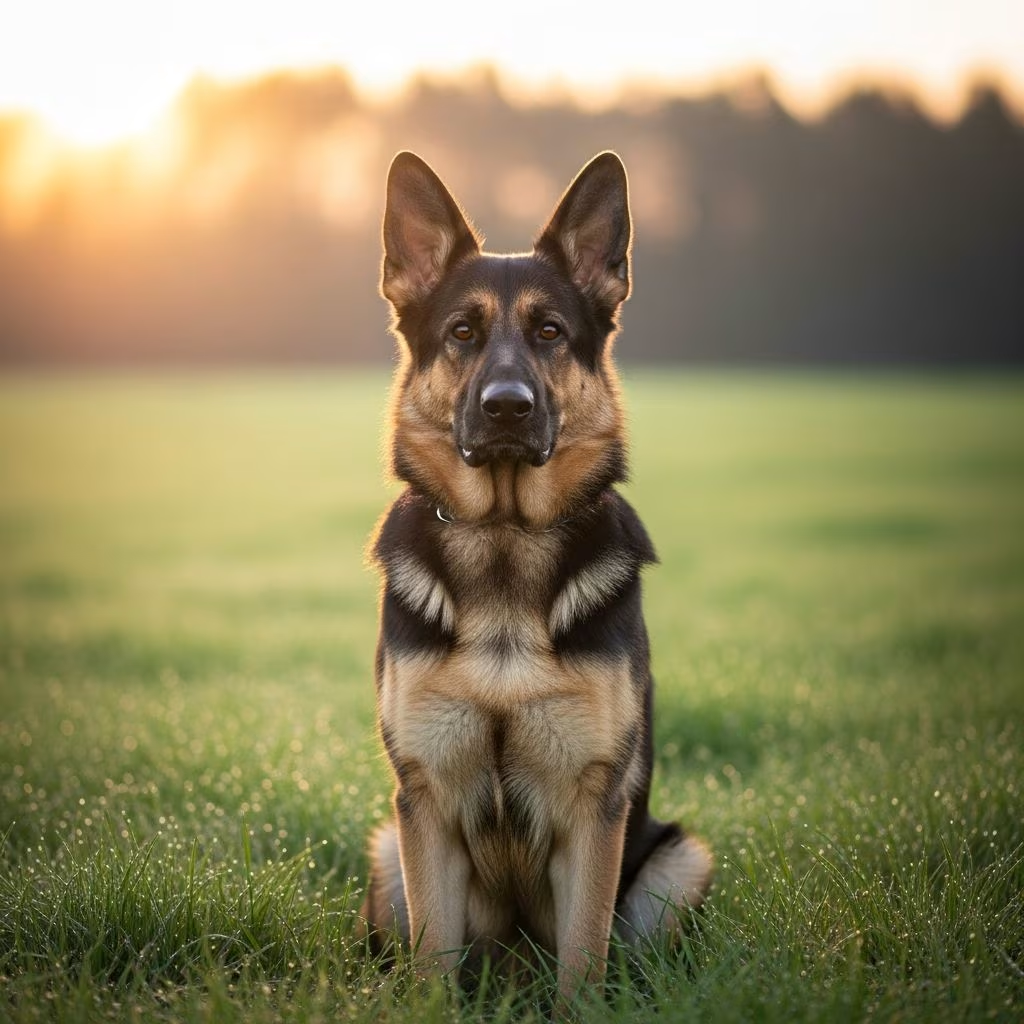
German Shepherd Dog Breed: Health, Care, and Training
German Shepherds are large, agile, muscular, highly intelligent, and loyal dogs that have earned their place as one of the most popular dog breeds in the United States. As part of the herding group, these remarkable canines are known for their confidence, bravery, and unwavering dedication to their families. Their combination of physical prowess and mental acuity makes them exceptionally versatile working dogs, serving in military units, police departments, and search and rescue operations worldwide. Whether you’re considering bringing a German Shepherd into your home or you already own one, understanding their unique needs and characteristics is essential for ensuring a happy, healthy, and well-adjusted companion.
Physical Characteristics and Appearance
German Shepherds are impressive dogs that command attention with their striking appearance. These medium to large-sized dogs typically stand 22 to 26 inches tall at the shoulder, with males generally being larger than females. The breed standard describes males as reaching approximately 60-65 centimeters in height, while females typically measure 55-60 centimeters. Weight usually ranges from 75 to 95 pounds, though individual dogs may vary based on genetics and fitness levels.
The physical structure of a German Shepherd is distinctly proportional and well-balanced. Their body is longer than it is tall, with a ratio that contributes to their athletic appearance and movement. The breed features a broad head that tapers elegantly to a sharp, strong muzzle with powerful jaws and a black nose. Their medium-sized, almond-shaped brown eyes convey intelligence and alertness, while their large, erect ears are positioned to enhance their hearing capabilities. The ears typically remain open at the front and parallel to each other, though they often fold back during movement.
German Shepherds possess a long, muscular neck that carries itself proudly when the dog is excited and lowers during fast movement or stalking behavior. Their back is level and powerfully muscled, supporting their athletic endeavors. The distinctive bushy tail reaches to the hock and curves slightly downward, serving as a balance tool during movement.
The coat of a German Shepherd is one of its most recognizable features. It consists of a thick, rough double coat of medium length that provides protection in various weather conditions. The breed standard recognizes several color patterns, including solid black, tan, black and tan, and gray colorations. While less common, long-coated German Shepherds also occur regularly in the breed population.
Temperament and Personality
The German Shepherd temperament is complex and multifaceted, shaped not only by breed characteristics but also by individual personality, genetics, early socialization, and life experiences. Breed factors account for approximately 9% of a dog’s behavior, meaning that each German Shepherd develops a unique personality influenced by numerous environmental and genetic factors.
With their history as herders and guardians, German Shepherds are naturally loyal and alert dogs with a strong desire to have a purpose and job to fulfill. They are characterized as self-assured, confident, and courageous. These dogs demonstrate a remarkable willingness to learn and eagerness to please their owners, making them among the most intelligent and trainable dog breeds available. Their intelligence, combined with their strong work ethic, has made them the preferred choice for professional handlers in law enforcement, military, and search and rescue operations.
German Shepherds are typically gentle and affectionate within their family unit but may be reserved or cautious around strangers. This protective instinct is deeply ingrained in the breed and should not be confused with aggression. They are naturally curious dogs, a trait that serves them well in their various working roles, from bomb detection to forensic investigation. Their curiosity, paired with their intelligence, makes them excellent candidates for roles requiring investigation and problem-solving.
Are German Shepherds Good With Kids?
Yes, German Shepherds are generally excellent with children when they are appropriately trained, well-socialized, and raised with proper guidance. Their loyalty and protective nature extend to the youngest members of the family, and they often form strong bonds with children in their household. However, several important considerations ensure a harmonious relationship between German Shepherds and children.
First and foremost, all interactions between German Shepherds and children should be supervised by a responsible adult. While these dogs are typically gentle, their large size and strength mean they could accidentally knock over small children during play. Children must also be taught the appropriate ways to engage with dogs, including respecting the dog’s personal space, not pulling ears or tails, and understanding canine body language. Early socialization exposes puppies to various types of people, including children of different ages, which helps them develop confidence and appropriate responses to children’s unpredictable behavior.
Intelligence and Trainability
German Shepherds were specifically bred for their intelligence and exceptional learning ability. They consistently rank among the most intelligent dog breeds and are highly trainable, capable of mastering complex commands and tasks with remarkable speed. In Stanley Coren’s famous ranking of dog intelligence, the German Shepherd placed in the top tier, indicating they understand new commands in fewer than five repetitions and obey commands on the first or second try at least 95% of the time.
Their combination of intelligence and strength has made them the breed of choice for police, guard, and search and rescue operations worldwide. These dogs can quickly learn various tasks and interpret instructions better than most other breeds. This exceptional trainability, combined with their willingness to work, makes them invaluable in professional settings. Beyond their role as working dogs, German Shepherds also excel as family pets for owners who can provide appropriate mental stimulation and training opportunities.
To keep your German Shepherd mentally engaged and happy, consider teaching tricks, going on outdoor adventures, or exploring interactive games and puzzle toys. Their high intelligence means that leaving this aspect of their care unaddressed can lead to boredom and potentially destructive behaviors.
Exercise Needs and Activity Level
German Shepherds are high-energy dogs that require substantial daily exercise and mental stimulation to maintain optimal physical and psychological health. As part of the herding group, they possess a natural inclination toward activity and work. Without adequate exercise, these intelligent dogs may develop behavioral problems such as excessive barking, destructive chewing, or anxiety.
Daily exercise should include vigorous activities such as long walks, runs, or play sessions that allow these muscular dogs to burn energy and engage their minds. Beyond physical exercise, mental stimulation through training, puzzle toys, and interactive games is equally important. Many German Shepherds thrive in environments where they have a job or purpose to fulfill, whether that’s formal training, competing in dog sports like agility or obedience trials, or simply learning new commands and skills.
For families considering a German Shepherd, it’s crucial to honestly assess whether your lifestyle can accommodate these exercise needs. These dogs are not suitable for sedentary households or situations where they will be confined for extended periods without appropriate outlets for their energy.
Socialization and Training Requirements
Proper socialization and obedience training are fundamental to raising a well-adjusted German Shepherd. The breed’s strong guarding instincts and natural protectiveness mean that without careful socialization, some individuals may become overly protective, anxious, or even aggressive. This is particularly important when German Shepherds are raised in isolation or confined to kennels or backyards.
Early socialization should begin in puppyhood and continue throughout the dog’s life. This involves exposing your German Shepherd to various types of people, environments, sounds, and experiences in a controlled and positive manner. Puppies should be introduced to children, adults, elderly individuals, people of different ethnicities, and people in various uniforms or with equipment like wheelchairs or canes. Environmental exposure might include car rides, different terrain, various weather conditions, and diverse settings such as parks, beaches, or urban environments.
Professional obedience training is highly recommended for German Shepherd owners, particularly first-time owners or those without experience with large working breeds. A qualified trainer can help establish clear leadership, teach appropriate behavior, and ensure that the dog’s guarding instincts are channeled productively rather than manifesting as aggression or fear-based behaviors.
Health Considerations and Lifespan
German Shepherds typically live 10 to 12 years, though individual lifespans may vary based on genetics, diet, exercise, and overall health care. Like all dog breeds, German Shepherds are predisposed to certain health conditions that prospective owners should understand.
Common health concerns in the breed include hip and elbow dysplasia, which can affect mobility and cause discomfort as the dog ages. These orthopedic conditions have genetic components and are more prevalent in lines that haven’t been carefully screened. Exocrine pancreatic insufficiency (EPI), digestive issues, and certain immune system concerns also occur in the breed at higher rates than in some other breeds.
Working with reputable breeders who perform health testing on their breeding stock is essential for minimizing the risk of hereditary health conditions. Reputable breeders conduct hip and elbow evaluations, screen for genetic diseases, and maintain detailed health records for their lines. Additionally, maintaining appropriate weight, providing regular veterinary care, ensuring adequate exercise, and offering a nutritionally balanced diet all contribute to longevity and quality of life.
Grooming and Coat Maintenance
The German Shepherd’s thick, double coat requires consistent grooming to maintain its health and appearance. Their rough outer coat and dense undercoat shed considerably throughout the year, with heavier shedding occurring during seasonal transitions when the undercoat is blown.
Regular brushing with an appropriate undercoat rake or slicker brush helps remove loose hair, reduces shedding around the home, and promotes skin health. During heavy shedding seasons, daily brushing may be necessary. Bathing should be done every 4 to 8 weeks or as needed, using a gentle dog shampoo that won’t strip the coat’s natural oils.
Beyond coat care, German Shepherds require regular nail trimming, ear cleaning, and dental care. Their large, erect ears can accumulate moisture and debris, making them susceptible to infections if not cleaned regularly. Dental care is equally important, as periodontal disease can affect overall health and quality of life.
Nutrition and Feeding
Proper nutrition is foundational to German Shepherd health and longevity. These large, active dogs require high-quality dog food formulated to meet their specific nutritional needs. The diet should include appropriate levels of protein for muscle maintenance and repair, balanced fats for coat and skin health, and essential vitamins and minerals for bone health and immune function.
Portion size should be carefully managed to prevent obesity, which can exacerbate orthopedic problems and reduce lifespan. Feeding guidelines on commercial dog food packages provide starting points, but individual requirements may vary based on age, activity level, metabolism, and overall health status. Some German Shepherds are prone to bloat (gastric dilatation-volvulus), a potentially life-threatening condition, which can be minimized by feeding multiple smaller meals rather than one large meal daily and avoiding vigorous exercise immediately after eating.
Sensitivity and Temperament Variations
Individual German Shepherds vary significantly in sensitivity levels, influenced by genetics, early socialization, and life experiences. Some dogs are highly sensitive and may react strongly to loud noises, sudden movements, or changes in routine, while others are more resilient and composed in similar situations. Understanding your individual dog’s sensitivity level helps you create an appropriate living environment and training approach.
Highly sensitive dogs may benefit from calmer environments, gradual introductions to new situations, and positive reinforcement training methods that emphasize encouragement over correction. These sensitive dogs often excel as therapy or service animals because their empathetic nature allows them to respond intuitively to human needs and emotions.
Tolerance for Alone Time
German Shepherds bond closely with their families and may experience separation anxiety when left alone for extended periods. Some individuals are more prone to anxiety than others, manifesting through destructive behaviors such as excessive barking, whining, chewing, or other destructive activities. Dogs prone to separation anxiety thrive best when a family member is home during the day or when they can accompany their owner to work.
For German Shepherds that struggle with alone time, gradual desensitization to separation, puzzle toys to provide mental stimulation, and creating a comfortable den-like space can help reduce anxiety. In some cases, professional training or veterinary consultation may be beneficial.
Friendliness With Other Dogs
German Shepherds vary in their friendliness toward other dogs. Some are pack-oriented and naturally thrive in multi-dog households, displaying confidence and social behavior at dog parks and easily tolerating other canines. Others are more reserved or territorial. Early socialization with other dogs during puppyhood significantly influences adult social behavior with other canines.
If you plan to have multiple German Shepherds or introduce this breed to an existing dog, careful introductions and ongoing supervision are essential. Their strong guarding instincts mean that some individuals may be protective of resources or territory.
Attitude Toward Strangers
German Shepherds are typically reserved around strangers, reflecting their role as protective guardians. They are not immediately friendly with people they don’t know, preferring to assess new individuals before engaging. However, a German Shepherd who was socialized and exposed to diverse types of people during puppyhood will generally respond better to strangers as an adult. Proper socialization makes the difference between a dog who is cautiously protective and one who is fearful or inappropriately aggressive.
Selecting a Reputable Breeder
Because German Shepherds are large, powerful dogs with strong guarding instincts, careful selection of a reputable breeder is crucial. Poorly bred dogs are more likely to be nervous, high-strung, or prone to behavioral issues. Reputable breeders conduct health testing, maintain detailed records, socialize puppies appropriately, and stand behind their dogs with health guarantees.
Avoid purchasing German Shepherds from puppy mills, backyard breeders, or online marketplaces that don’t allow you to visit the breeding facility and meet the parents. The investment in purchasing from a responsible breeder pays dividends through a healthier, better-adjusted dog.
Working and Professional Roles
German Shepherds excel in numerous professional capacities, serving as police dogs, military dogs, guide dogs for the blind, and search and rescue dogs. Their intelligence, trainability, courage, and loyalty make them ideally suited for these demanding roles. Beyond professional work, many German Shepherds serve as therapy dogs, helping individuals in hospitals, nursing homes, and mental health facilities.
Common Behavioral Issues and Prevention
Some poorly bred or inadequately socialized German Shepherds may develop behavior problems. These can include excessive barking, over-guarding, aggression, anxiety, or destructive behaviors. Prevention through early socialization, consistent training, adequate exercise, and mental stimulation is far more effective than attempting to correct severe behavioral issues after they develop.
To prevent these issues, ensure your German Shepherd is with family members and continuously exposed, under supervision, to people and other pets around the neighborhood. Avoid confining the dog to a kennel or backyard alone or with only other dogs, as this can intensify guarding instincts and create behavioral problems.
Frequently Asked Questions
Q: How much exercise does a German Shepherd need daily?
A: German Shepherds require substantial daily exercise, including vigorous activities like long walks, runs, and play sessions. Beyond physical exercise, mental stimulation through training, puzzle toys, and interactive games is equally important for their well-being.
Q: Are German Shepherds good family pets?
A: Yes, German Shepherds can be excellent family pets for active families who can meet their exercise and mental stimulation needs. They are loyal, gentle with children when socialized, and form strong bonds with family members. However, they are not suitable for sedentary households.
Q: How long do German Shepherds typically live?
A: German Shepherds typically live 10 to 12 years, though individual lifespans vary based on genetics, diet, exercise, and overall health care.
Q: What health problems are common in German Shepherds?
A: Common health concerns include hip and elbow dysplasia, exocrine pancreatic insufficiency, and certain immune system conditions. Working with reputable breeders who conduct health testing can minimize these risks.
Q: Do German Shepherds get along with other dogs?
A: German Shepherd friendliness with other dogs varies individually. Early socialization during puppyhood significantly influences their ability to get along with other canines.
Q: How much grooming do German Shepherds require?
A: German Shepherds require regular brushing to manage their thick double coat, which sheds considerably. Daily brushing during heavy shedding seasons, regular nail trimming, ear cleaning, and dental care are essential.
References
- German Shepherd — Wikipedia. Accessed November 2025. https://en.wikipedia.org/wiki/German_Shepherd
- German Shepherd Dog Breed Information & Characteristics — DogTime. Accessed November 2025. https://dogtime.com/dog-breeds/german-shepherd-dog
- German Shepherd Dog Breed Health, Care, and Training — PetMD. Accessed November 2025. https://www.petmd.com/dog/breeds/german-shepherd
- German Shepherd Dog Breed — Hill’s Pet Nutrition. Accessed November 2025. https://www.hillspet.com/dog-care/dog-breeds/german-shepherd
- German Shepherd Dog Breed Information — American Kennel Club. Accessed November 2025. https://www.akc.org/dog-breeds/german-shepherd-dog/
- German Shepherd — People’s Dispensary for Sick Animals (PDSA). Accessed November 2025. https://www.pdsa.org.uk/pet-help-and-advice/looking-after-your-pet/puppies-dogs/large-dogs/german-shepherd



