

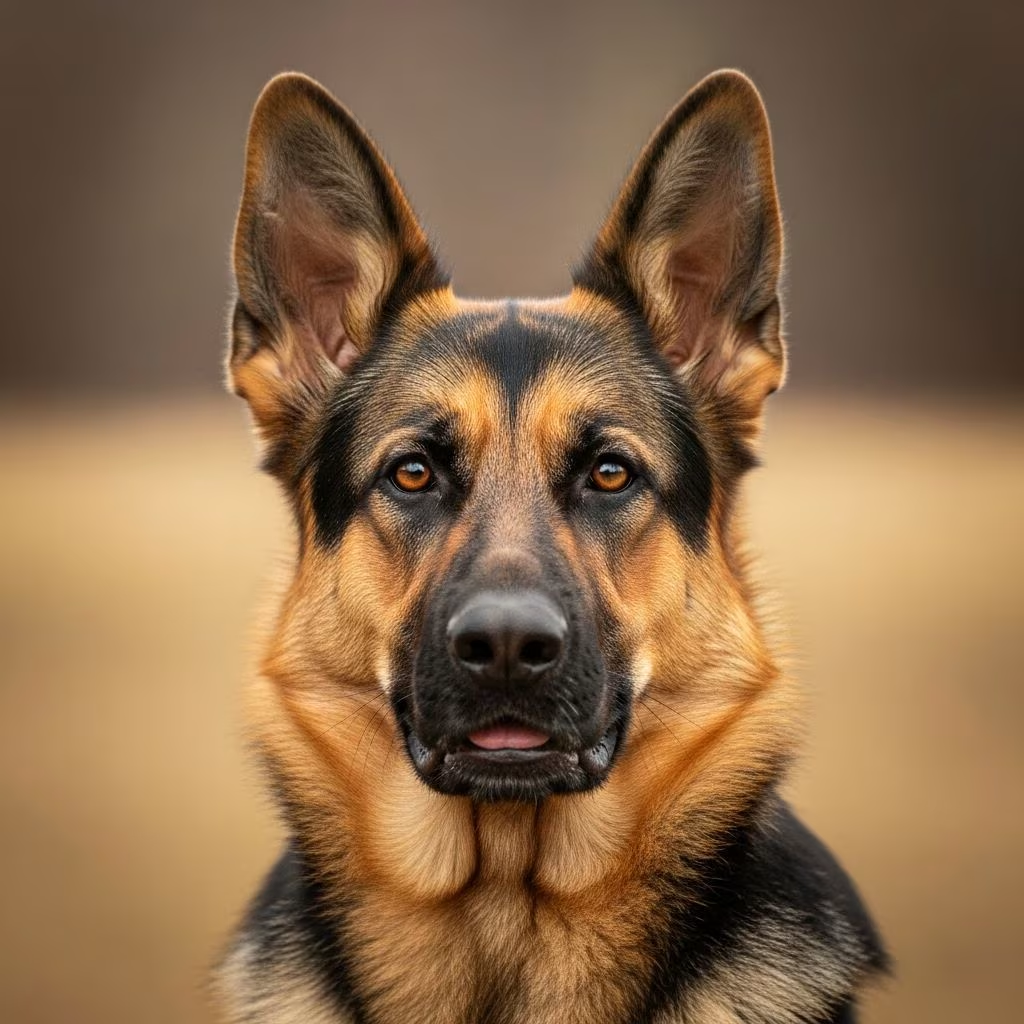
German Shepherd Dog Breed Overview
The German Shepherd is a large, agile, and muscular dog breed renowned for its noble character and exceptional intelligence. Originally bred in Germany for herding sheep, this versatile working dog has become one of the most popular and respected breeds worldwide. German Shepherds are highly valued for their loyalty, confidence, courage, and steady temperament, making them ideal companions for active families and excellent working partners in various professional roles. Their combination of physical prowess and mental capability has earned them recognition as among dogkind’s finest all-purpose workers.
Physical Characteristics
Size and Build
German Shepherds are medium to large-sized dogs with a distinctive and easily recognizable appearance. The breed standard specifies a height of 60–65 cm (24–26 inches) at the withers for males and 55–60 cm (22–24 inches) for females. These dogs are longer than they are tall, with an ideal proportion of 10 to 8½. On average, German Shepherds weigh between 75 and 95 pounds, though the AKC official breed standard does not set a specific weight range.
Distinctive Features
German Shepherds possess several distinctive physical features that make them unmistakable. They have a domed forehead and a long, square-cut muzzle with strong jaws and a characteristic black nose. Their medium-sized, brown eyes convey intelligence and alertness. The breed’s large ears stand erect and are open at the front, running parallel to each other, though they often pull back during movement. German Shepherds have a long neck that rises when excited and lowers during fast-paced movement or stalking. Their bushy tail reaches to the hock and curves slightly downward.
Coat and Coloring
The German Shepherd’s coat is thick, rough, and of medium length, though long-coated individuals occur frequently. The coat serves as excellent insulation and protection. Common coat colors include black, tan, black and tan, and gray. The Black German Shepherd’s coat color comes from a recessive gene, making it relatively rare along with the White German Shepherd and other color variations. Regardless of color, the coat should be harsh and well-maintained to protect the dog’s skin and regulate body temperature.
Temperament and Personality
Intelligence and Trainability
German Shepherds were specifically bred for their intelligence, and this characteristic remains one of their most defining traits. Highly intelligent and obedient, they possess a remarkable ability to learn quickly and interpret instructions better than most other breeds. In Stanley Coren’s ranking of breeds most likely to excel as watchdogs, the German Shepherd placed in second place, reflecting their cognitive abilities and problem-solving skills. Their intelligence makes them exceptionally trainable and ideal for professional roles requiring quick learning and task execution.
Protective and Loyal Nature
Loyalty and protectiveness form the core of the German Shepherd’s personality. These dogs are devoted to their families and will defend them with courage and determination. They are moderately active and self-assured, marked by a strong willingness to learn and an eagerness to have a purpose. However, they can become overprotective of their family and territory, especially if not properly socialized. This protective instinct, while desirable for guard work, requires careful management through early socialization and training to prevent excessive guarding or aggressive behavior.
Social Characteristics
German Shepherds are curious dogs, a trait highly desirable in roles like guard dogs and search missions. They are not inclined to become immediate friends with strangers, and while they may appear reserved or aloof initially, they are typically very caring and devoted once relationships are established. With proper early socialization and exposure to various people, ages, sizes, and shapes as puppies, German Shepherds respond better to strangers as adults. They are affectionate and loving dogs that demonstrate devotion through tail-wagging greetings, cuddles, and an eager presence by their family’s side.
Work and Professional Roles
The German Shepherd’s combination of intelligence, strength, loyalty, and trainability has made them invaluable in numerous professional capacities. These remarkable dogs excel as police dogs, military dogs, guard dogs, and search and rescue specialists. Their inherent desire to work drives them to succeed in roles involving bomb detection, forensics, and rescue operations. German Shepherds also perform admirably as guide dogs for the blind, therapy dogs, and service animals, where their intelligence and responsiveness to human direction prove essential. Their heritage as herding dogs has been successfully channeled into these modern working roles.
Exercise and Activity Needs
German Shepherds have high exercise requirements and thrive when paired with active individuals or families. These energetic dogs need substantial daily physical activity to maintain optimal health and mental well-being. They require long walks, runs, and regular outdoor activities to expend their considerable energy reserves. Beyond physical exercise, mental stimulation is equally important for this highly intelligent breed. Keeping German Shepherds mentally engaged through training exercises, teaching tricks, outings, and interactive play prevents boredom and behavioral problems. Dogs that lack sufficient physical and mental stimulation may develop destructive behaviors or become anxious.
Training Requirements
German Shepherds are among the most intelligent dog breeds and are highly trainable, responding well to positive reinforcement and consistent instruction. Early obedience training is essential for this breed, particularly to prevent over-guarding and aggressive behavior. Careful socialization from puppyhood is critical, with exposure under supervision to diverse people and other pets in the neighborhood. Rather than confinement to kennels or backyards, German Shepherds should remain with their families and receive continuous socialization experiences. Their eagerness to have a purpose makes them eager learners, and they respond well to structured training programs that challenge their considerable intellect.
Compatibility with Families and Other Pets
Children and Family Life
German Shepherds get along well with children and other pets when raised with them from an early age. They are known as loving, affectionate, and kid-friendly dogs that make excellent family pets. Their protective instincts extend naturally to children in their family, and they often form strong bonds with young owners. The breed’s loyalty and devotion create an environment of joy and connection within family households.
Multi-Dog Households
Some dog-friendly breeds are more pack-oriented and naturally thrive with other dogs. German Shepherds can pair well with other canines when properly socialized, though individual temperament varies. Early exposure to other dogs and positive social experiences at venues like dog parks can enhance their ability to coexist harmoniously with fellow canines.
Potential Health and Behavioral Considerations
While German Shepherds are generally healthy and robust, poorly bred individuals can be high-strung and nervous. The combination of poor breeding practices, inadequate socialization, and insufficient training can increase the risk of over-guarding and aggressive behavior. Therefore, prospective owners should purchase German Shepherds exclusively from reputable breeders committed to health testing and sound temperament. The breed lives approximately 10-12 years with proper care and nutrition.
Some German Shepherds may exhibit higher sensitivity levels, reacting strongly to loud noises, sudden movements, or changes in routine, while others remain calm and composed in similar situations. Factors such as genetics, early socialization, and life experiences contribute to individual sensitivity levels. Understanding your specific dog’s sensitivity profile helps in creating an appropriate living environment and training approach.
Lifespan and Longevity
With proper care, nutrition, and regular veterinary attention, German Shepherds typically live 10 to 12 years. Maintaining an appropriate weight, providing regular exercise, ensuring mental stimulation, and scheduling preventive health screenings can contribute to a longer, healthier life. Owners should work closely with veterinary professionals to monitor for breed-specific health concerns and maintain optimal wellness throughout their dog’s life.
Is a German Shepherd Right for You?
German Shepherds are ideal for active individuals and families willing to commit to their substantial exercise and training needs. They excel in households where their remarkable blend of intelligence and devotion is appreciated and utilized. These dogs require engaged owners who can provide consistent training, socialization, and mental stimulation. They are not suited for sedentary households or owners unable to dedicate time to their development. However, for the right family or working environment, the German Shepherd offers unmatched loyalty, intelligence, and companionship.
Frequently Asked Questions
Q: What is the average lifespan of a German Shepherd?
A: German Shepherds typically live between 10 and 12 years with proper care, nutrition, and regular veterinary attention. This lifespan can be influenced by genetics, diet, exercise, and overall health management.
Q: Are German Shepherds good with children?
A: Yes, German Shepherds are known as loving, affectionate, and kid-friendly dogs that make excellent family pets when raised with children from an early age. Their protective nature and loyalty make them devoted family members, though supervision with young children is always recommended due to their large size and strength.
Q: How much exercise do German Shepherds need?
A: German Shepherds have high exercise requirements and need substantial daily physical activity. They require long walks, runs, and regular outdoor activities, along with mental stimulation through training and interactive play to keep them healthy and prevent behavioral problems.
Q: Are German Shepherds easy to train?
A: Yes, German Shepherds are among the most intelligent dog breeds and are highly trainable. They respond well to positive reinforcement and consistent instruction, making them excellent candidates for obedience training and professional roles. However, early socialization and consistent training are essential to prevent behavioral issues.
Q: Can German Shepherds live in apartments?
A: While German Shepherds can technically live in apartments, they are better suited to homes with outdoor space. Their high exercise needs and preference for active households make them ideal for owners with yards and the ability to provide substantial daily physical activity and mental stimulation.
Q: Do German Shepherds shed a lot?
A: Yes, German Shepherds shed considerably due to their thick, double coat. Regular brushing helps manage shedding and keeps their coat healthy. They require consistent grooming maintenance year-round, with increased shedding during seasonal changes.
Q: Are German Shepherds good guard dogs?
A: Yes, German Shepherds make excellent guard dogs. Their protective instincts, loyalty, intelligence, and courage make them naturally suited to guarding roles. With proper training and socialization, they can effectively protect their families and property while remaining well-mannered companions.
Q: How do I choose a reputable German Shepherd breeder?
A: Look for breeders who conduct health testing on parent dogs, provide documentation of pedigree and health screenings, and are willing to answer questions about their breeding practices. Avoid breeders focused solely on profit, and consider breed-specific rescue organizations as alternatives to purchasing from breeders.
References
- German Shepherd — Wikipedia. 2025. https://en.wikipedia.org/wiki/German_Shepherd
- German Shepherd Dog Breed Information & Characteristics — DogTime. 2024. https://dogtime.com/dog-breeds/german-shepherd-dog
- German Shepherds: What to Know Before Adopting One — ASPCA Pet Insurance. 2024. https://www.aspcapetinsurance.com/resources/facts-about-german-shepherds/
- German Shepherd Dog Breed — Hill’s Pet Nutrition. 2024. https://www.hillspet.com/dog-care/dog-breeds/german-shepherd
- German Shepherd Dog Dog Breed Information — American Kennel Club (AKC). 2024. https://www.akc.org/dog-breeds/german-shepherd-dog/
- German Shepherd — PDSA (People’s Dispensary for Sick Animals). 2024. https://www.pdsa.org.uk/pet-help-and-advice/looking-after-your-pet/puppies-dogs/large-dogs/german-shepherd



