

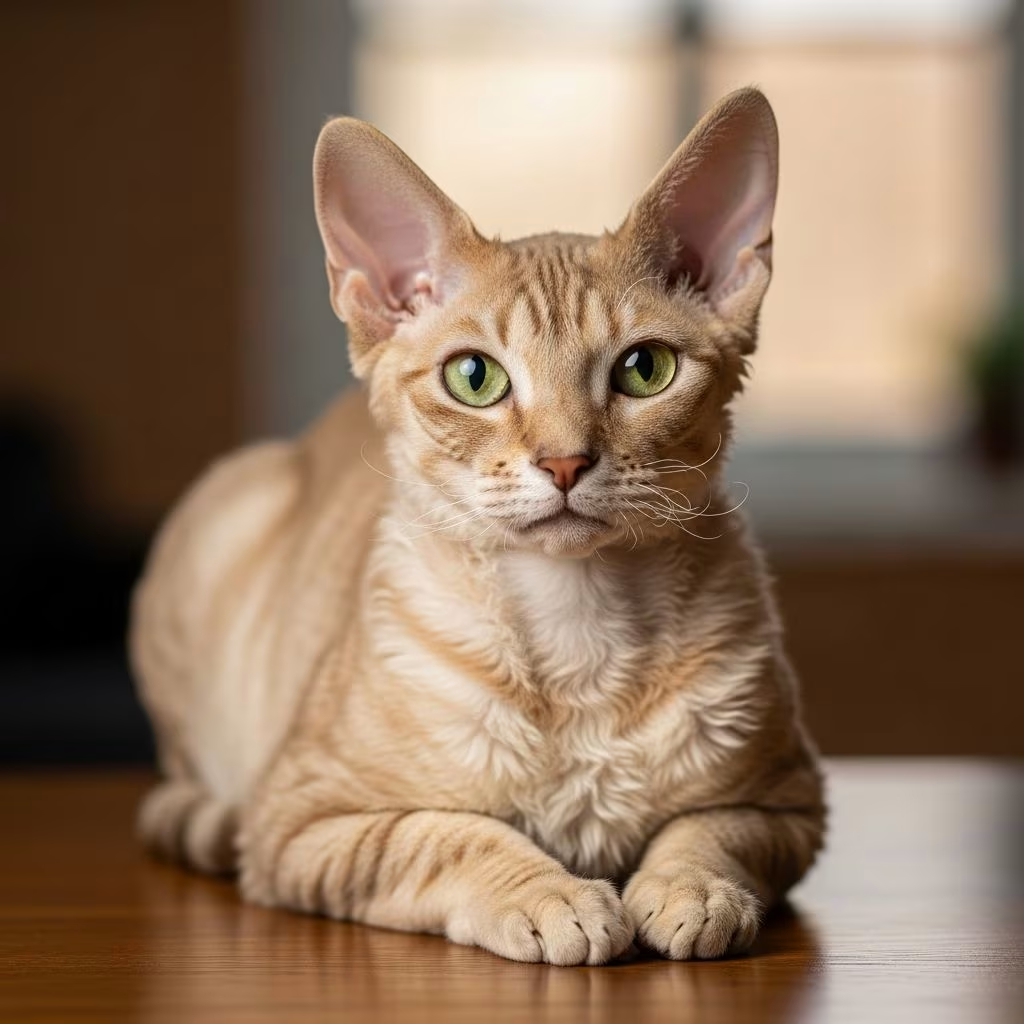
The German Rex stands out as one of the most distinctive cat breeds, renowned for its naturally wavy coat and warm, engaging personality. Originating from a spontaneous genetic mutation in Germany, this medium-sized feline combines robust physicality with a playful spirit, making it an excellent choice for households seeking a loyal companion.
Origins and Historical Background
The story of the German Rex begins in the mid-20th century in Germany, where a feral cat named Kater Munk gave birth to a litter including a kitten with an unusual curly coat in 1931. This natural mutation, distinct from other Rex breeds, marked the breed as Europe’s first rex-coated cat. Breeder Rose Scheuer-Karpin played a pivotal role by preserving and developing the line from 1947 onward, crossing the original stock with European Shorthairs to establish the breed’s foundation.
Unlike the Cornish Rex or Devon Rex, whose curls stem from different genetic sources, the German Rex’s recessive rex gene (re) produces a plush, velvety texture without extensive selective breeding for extremes. By the 1960s, the breed gained recognition from European cat fancies, though it remains relatively rare today. German breeders continue efforts to maintain genetic diversity, ensuring the breed’s health and vitality.
This historical spontaneity underscores the German Rex’s authenticity—no artificial selection for dramatic features, just a natural elegance that has endured for decades.
Distinctive Physical Features
German Rex cats exhibit a balanced, muscular build that sets them apart from their slimmer Rex relatives. Adults typically weigh 6-10 pounds (2.7-4.5 kg) and stand 10-12 inches tall at the shoulder, with males slightly larger than females.
- Head and Face: Round skull with a broad forehead, prominent cheeks, and a short, slightly snubbed nose featuring a gentle break.
- Ears: Medium-sized, wide-set with rounded tips, positioned to give an alert expression.
- Eyes: Large, oval-shaped, and expressive; colors coordinate with the coat, ranging from vivid greens to deep coppers.
- Body: Sturdy frame with a deep chest, medium-length legs that are slender yet strong, and round paws. The tail is thick at the base, tapering to a fine point.
The hallmark is the coat: short, dense, and rippling with loose waves or curls, primarily from thick awn hairs lacking guard hairs. This creates a soft, plush feel akin to fine velvet, with minimal undercoat for low shedding.
| Feature | German Rex | Cornish Rex (Comparison) |
|---|---|---|
| Build | Muscular, stocky | Slender, elegant |
| Coat Texture | Plush waves, thicker awns | Tight curls, finer hair |
| Legs | Medium-long, sturdy | Long, whip-like |
| Weight | 6-10 lbs | 6-9 lbs |
All coat colors and patterns are accepted, from solids like black or white to tabbies, torties, and points, excluding certain dilutions in some standards (e.g., no chocolate or lilac points).
Coat Varieties and Maintenance
The German Rex’s fur is its crowning glory, often described as “stuffed animal plush.” The absence of long guard hairs means the waves are more pronounced on the sides and back, with straighter fur on the head and legs. Whiskers curl subtly, adding to the whimsical look.
Maintenance is straightforward due to low shedding:
- Gently brush weekly with a soft rubber brush to enhance waves and distribute skin oils.
- Bathe monthly if needed, using cat-specific shampoo to preserve natural oils.
- Check ears weekly for wax buildup; wipe with a damp cloth.
- Trim nails biweekly and provide a scratching post to maintain paw health.
Myth bust: While low-shedding, German Rex cats aren’t truly hypoallergenic, as allergies stem from skin proteins (Fel d 1), not fur. Consult an allergist for testing.
Temperament and Behavioral Traits
German Rex cats are quintessential companions: affectionate, intelligent, and adaptable. They form deep bonds quickly, often shadowing owners like devoted shadows while remaining independent enough not to cling.
Key traits include:
- Playfulness: High energy with a love for fetch, puzzles, and acrobatics; nicknamed “cat acrobats” for their agility.
- Sociability: Thrives in multi-pet homes and with children; greets strangers warmly.
- Intelligence: Learns tricks rapidly, enjoys clicker training, and problem-solves for treats.
- Affection: Enjoys lap time and petting sessions but respects personal space.
Active yet patient, they balance zoomies with cozy lounging. Vocalization is moderate—chirps and trills rather than yowls.
Ideal Living Environments
Versatile adapters, German Rexes suit apartments, houses, or farms. They need vertical spaces like cat trees for climbing and windows for bird-watching to stay stimulated.
- Families: Excellent with respectful kids; supervises play gently.
- Seniors: Matches low-key lifestyles with bursts of fun.
- Multi-Pet Homes: Integrates seamlessly with dogs and cats if socialized early.
Avoid isolation; they prefer interactive homes over solo living.
Health and Wellness Considerations
Robust with a lifespan of 10-15 years, German Rexes inherit hardiness from feral roots. Common concerns mirror shorthairs:
- Hypertrophic cardiomyopathy (HCM): Annual echocardiograms recommended post-age 1.
- Patellar luxation: Monitor for limping; affects 5-10% of breeds.
- Obesity: Keep lean with portion control.
Preventive care: Vaccinations, flea/tick control, dental cleanings twice yearly. Reputable breeders screen for genetic issues via OFA or equivalent.
Nutrition and Daily Care Routine
Feed high-quality, protein-rich diets (30-40% protein) suited to active lifestyles. Divide into 3-4 meals daily; wet food aids hydration.
| Life Stage | Daily Calories | Key Nutrients |
|---|---|---|
| Kitten | 200-250 | DHA for brain, high protein |
| Adult | 180-220 | Taurine, omega-3s |
| Senior | 150-180 | Joint support, antioxidants |
Provide fresh water, litter boxes (1 per cat +1), and enrichment toys. Spay/neuter by 6 months to curb roaming.
Finding and Selecting a German Rex
Rarity means seeking TICA/CFA-registered breeders or rescues. Visit catteries, review health records, and meet parents for temperament match. Expect $800-$1500 USD kittens. Adoption fees: $100-300.
Red flags: No contracts, unscreened stock, or profit-driven mills.
Frequently Asked Questions (FAQs)
What makes the German Rex coat special?
Its short, wavy fur from a natural recessive gene lacks guard hairs, creating a plush, low-shed texture.
Are German Rex cats good with children?
Yes, their patient, playful nature makes them ideal family pets.
How much exercise do they need?
20-30 minutes daily of interactive play suffices for their moderate activity level.
Do they shed a lot?
Minimal shedding due to coat structure; weekly brushing manages it.
What’s the average lifespan?
References
- German Rex Cat – Health and Care — PetMD. 2023. https://www.petmd.com/cat/breeds/c_ct_german_rex_cat
- German Rex – Wavy, allergy-friendly coat — CatsBest. 2024. https://www.catsbest.eu/cat-breed/german-rex/
- German Rex — Wikipedia (informed by primary breed standards). 2025. https://en.wikipedia.org/wiki/German_Rex
- All about German Rex breed — Animalia.bio. 2024. https://animalia.bio/pets/german-rex
- German Rex: Europe’s Original Curly-Coated Cat — Plato Pet Treats. 2023. https://platopettreats.com/blogs/blog/german-rex-europes-original-curly-coated-cat-history-personality-and-care
- German Rex Cat Breed: Size, Appearance & Personality — Cats.com. 2024. https://cats.com/cat-breeds/german-rex



