

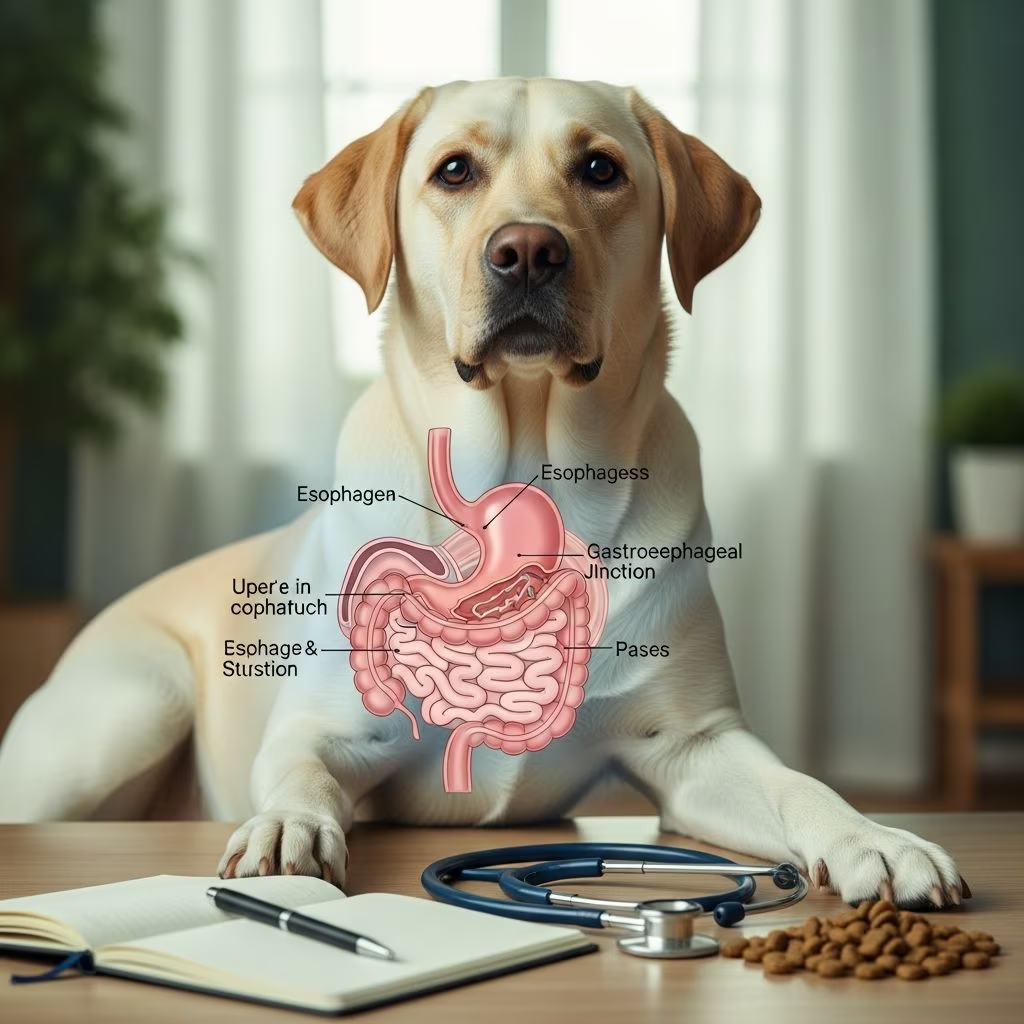
Understanding Gastroesophageal Reflux Disease (GERD) in Non-Brachycephalic Dogs
Gastroesophageal reflux disease (GERD) is a condition where stomach acid and contents flow backward into the esophagus, causing inflammation and discomfort. While this condition is commonly recognized in humans where it produces the familiar sensation of heartburn, dogs experience GERD differently. Non-brachycephalic dogs, which include most standard dog breeds, can suffer from this condition just as severely as their flat-faced counterparts. Understanding the signs, causes, and treatment options is essential for dog owners concerned about their pet’s digestive health. Unlike humans who can verbally communicate their discomfort, dogs exhibit subtle behavioral and physical changes that require careful observation to detect GERD-related problems.
What Are the Clinical Signs of GERD?
Recognizing GERD in dogs requires careful attention to behavioral and physical changes, as our canine companions cannot directly communicate pain or discomfort. The symptoms of GERD in dogs are often subtle but distinctive when you know what to look for. Pet owners should monitor their dogs closely for any of the following clinical signs:
– Decreased appetite or reluctance to eat- Difficulty swallowing (dysphagia)- Excessive lip licking, often indicating nausea- Changes in bark tone or quality- Chronic cough that worsens at night or with position changes- Regurgitation of undigested food or bile- Chronic vomiting, particularly bile-colored vomit- Generalized appearance of discomfort or pain- Pacing or restlessness, especially at nighttime- Weight loss over time- Excessive drooling or hypersalivation- Bad-smelling breath (halitosis)- Gagging or retching after meals- Wheezing or breathing difficulties
These signs may not all appear simultaneously, and the severity can vary significantly from one dog to another. Some dogs may exhibit only mild symptoms like occasional lip licking or slight appetite reduction, while others display more pronounced signs such as frequent vomiting and significant weight loss. It is crucial for dog owners to consult with their veterinarian if they notice any combination of these symptoms persisting for more than a few days.
Causes and Risk Factors for GERD in Dogs
Several factors can contribute to the development of GERD in non-brachycephalic dogs. Understanding these underlying causes helps veterinarians develop more targeted treatment plans. The primary mechanism involves weakening or dysfunction of the lower esophageal sphincter (LES), the muscle band responsible for preventing stomach contents from flowing backward into the esophagus. When this sphincter becomes compromised, gastric acid and food particles can easily reflux into the esophagus, causing inflammation and the associated symptoms.
Certain dietary factors play a significant role in triggering or exacerbating GERD. High-fat diets stimulate increased stomach acid production, making reflux more likely. Similarly, high-protein foods can trigger additional gastric acid secretion. Dogs that consume large meals infrequently are at greater risk, as their stomachs work harder to process large food volumes. Additionally, some dogs may have sensitivities or allergies to specific food ingredients that trigger inflammatory responses in the digestive tract. Environmental and lifestyle factors also contribute, including stress, obesity, and prolonged periods lying down immediately after eating.
Diagnostic Approach to GERD
When a dog presents with symptoms suggestive of GERD, veterinarians typically conduct a thorough diagnostic evaluation. This begins with a detailed history from the owner regarding the dog’s eating habits, symptom onset, and any recent dietary changes. Physical examination may reveal signs of esophageal discomfort or aspiration pneumonia if the reflux has been severe enough to allow stomach contents into the lungs. Additional diagnostic tools may include blood work to assess overall health and screen for underlying conditions, abdominal radiographs (X-rays) to evaluate the digestive tract, or abdominal ultrasound to visualize internal structures in detail.
In some cases, upper gastrointestinal endoscopy may be recommended, particularly if the veterinarian suspects severe esophagitis or the presence of foreign objects. This procedure allows direct visualization of the esophagus and stomach lining. Barium studies, where a contrast medium is administered and visualized on radiographs, can help evaluate the movement of food through the digestive tract and identify any abnormalities in esophageal function.
Medical Management and Medications
Treating GERD in non-brachycephalic dogs involves a multi-faceted approach, with medications playing a central role in managing symptoms and preventing further damage to the esophageal lining. Several categories of medications are commonly prescribed based on the severity of the condition and the dog’s individual response to therapy.
Acid-Reducing Medications
Acid-reducing medications work by decreasing the production of stomach acid, making the gastric environment less corrosive when reflux occurs. These medications include:
– Proton Pump Inhibitors (PPIs): Omeprazole (Prilosec®) and esomeprazole are highly effective at reducing acid production by blocking the final step of gastric acid secretion. These are often considered the gold standard for GERD treatment.- H2 Blockers: Famotidine (Pepcid®), ranitidine (Zantac®), and cimetidine (Tagamet®) reduce acid production by blocking histamine receptors on stomach cells. These are generally milder than PPIs but still effective for many dogs.
Esophageal Protectants
Sucralfate (Carafate®) functions as an “esophageal band-aid” by coating damaged areas of the esophageal lining and creating a protective barrier against further acid damage. While this medication does not change stomach acidity, it is particularly valuable for short-term use in dogs with severe esophageal inflammation. Many dogs can discontinue sucralfate once the primary reflux is controlled through other medications.
Pro-motility Medications
These medications enhance the movement of food through the gastrointestinal tract and strengthen the lower esophageal sphincter, preventing reflux. Common pro-motility agents include:
– Cisapride (brand names: Prepulsid®, Propulsid®) increases muscle tone at the lower esophageal sphincter and promotes stomach emptying.- Metoclopramide (brand names: Reglan®, Maxolon®) works similarly by strengthening the LES and accelerating gastric emptying.
Additional Medications
In cases where severe inflammation or complications develop, additional medications may be prescribed. Anti-nausea medications help manage the vomiting symptoms, while pain medications provide comfort during the healing process. If aspiration pneumonia develops—a serious complication where stomach contents enter the lungs—antibiotics become necessary to prevent secondary bacterial infections.
Dietary Management Strategies
Diet plays an equally important role as medications in managing GERD in dogs. Dietary modifications often provide the most sustainable long-term solution for controlling symptoms and preventing recurrence.
Prescription Diets for GERD
Dogs with GERD typically respond best to low-fat prescription diets. Fat is a significant trigger for gastric acid production, and reducing fat intake can dramatically decrease the likelihood of reflux episodes. Prescription therapeutic diets are specially formulated to support digestive health while minimizing irritating ingredients.
Feeding Frequency and Portion Size
Instead of feeding one or two large meals daily, veterinarians typically recommend dividing the daily food allowance into three or four smaller, more frequent meals. This approach prevents the stomach from becoming overly full, which reduces pressure on the lower esophageal sphincter and promotes more efficient digestion. Smaller meal portions digest faster and are less likely to reflux back into the esophagus.
Alternative Dietary Approaches
Some veterinarians recommend highly digestible, low-fat diets that promote rapid gastric emptying. Others suggest hypoallergenic hydrolyzed protein diets if food sensitivities appear to trigger symptoms. Fresh or home-cooked diets prepared under veterinary guidance may benefit some dogs, particularly those with apparent food allergies. Dietary trials lasting several weeks may be necessary to identify the optimal nutrition plan for individual dogs.
Nutritional Supplements
Certain supplements may support digestive health. Probiotics help maintain a healthy gut microbiome and may reduce inflammatory responses in the digestive tract. Digestive enzymes can support nutrient absorption and reduce gastrointestinal stress. However, all supplements should be introduced under veterinary supervision to ensure they do not interact with medications or exacerbate symptoms.
Lifestyle and Environmental Modifications
Beyond medication and diet, several environmental and behavioral modifications can significantly improve GERD symptoms in dogs. Elevating the dog’s food and water bowls can reduce the workload on the esophagus during swallowing. Keeping the dog upright and active for at least 30 minutes to an hour after eating helps gravity facilitate proper food movement through the digestive tract and reduces reflux risk.
Managing stress and anxiety is important, as these emotional states can exacerbate digestive issues. Ensuring adequate but not excessive exercise helps maintain healthy weight and supports digestive function. Weight management is particularly crucial, as obesity increases intra-abdominal pressure and can compromise lower esophageal sphincter function.
Dogs should avoid lying down or sleeping immediately after meals, as horizontal positioning increases reflux risk. Some veterinarians recommend keeping affected dogs slightly elevated during sleep using specialized beds or cushions that support a more upright posture.
Severe Cases and Complications
In some dogs, GERD becomes severe enough to cause significant complications. Severe esophagitis can lead to ulceration of the esophageal lining, causing pain and difficulty eating. If stomach contents reach the lungs through aspiration, aspiration pneumonia can develop—a serious condition requiring intensive treatment with antibiotics and supportive care.
In rare instances where medical management fails to control severe reflux, surgical interventions may be considered. These procedures aim to reinforce or reconstruct the lower esophageal sphincter or modify the stomach’s structure to reduce reflux tendency. Surgery is typically reserved for cases unresponsive to comprehensive medical and dietary management.
Prognosis and Long-term Management
With appropriate treatment, most dogs with GERD experience significant improvement in their clinical signs and quality of life. The prognosis depends on the underlying cause, the severity of esophageal damage, and the dog’s response to initial therapy. Some dogs require lifelong medication management and dietary restrictions, while others may eventually reduce their medication requirements as their esophageal inflammation resolves.
Regular follow-up appointments with the veterinarian help monitor the dog’s response to treatment and make adjustments as needed. Many dogs that were previously experiencing daily symptoms can eventually maintain good health with occasional short-term medication courses when dietary indiscretions occur or symptoms briefly recur.
Frequently Asked Questions (FAQs)
Q: Can GERD in dogs be cured permanently?
A: While GERD cannot always be permanently cured, it can be effectively managed with the right combination of medications and dietary modifications. Many dogs maintain good health long-term with appropriate treatment and lifestyle adjustments. Some may eventually reduce medication needs as their condition stabilizes.
Q: How long does it take to see improvement after starting GERD treatment?
A: Most dogs show initial improvement within 1-2 weeks of starting appropriate medication and dietary management. However, complete resolution of symptoms and healing of inflamed esophageal tissue may take 4-6 weeks or longer in severe cases.
Q: Are there specific dog breeds more prone to GERD?
A: While GERD can affect any dog breed, some larger breed dogs and older dogs appear to have higher incidence rates. However, non-brachycephalic dogs of any breed can develop this condition, particularly if they have dietary sensitivities or other predisposing factors.
Q: Can dietary changes alone resolve GERD without medication?
A: In mild cases, dietary modifications including low-fat prescription diets and small frequent meals may be sufficient. However, most moderate to severe cases require both dietary changes and medication for optimal symptom control and prevention of complications.
Q: What should I do if my dog vomits while on GERD treatment?
A: Continued vomiting despite treatment requires veterinary re-evaluation. Your vet may adjust medication doses, try alternative medications, or investigate whether other underlying conditions are contributing to the symptoms. Do not change the treatment plan without consulting your veterinarian.
Q: Is aspiration pneumonia a common complication of canine GERD?
A: Aspiration pneumonia is a serious but relatively uncommon complication that typically occurs when GERD is severe and untreated. Prompt diagnosis and treatment of GERD significantly reduces the risk of this life-threatening complication.
References
- Gastroesophageal Reflux Disease (GERD) in Non-Brachycephalic Dogs — VCA Animal Hospitals. 2025. https://vcahospitals.com/know-your-pet/gastroesophageal-reflux-disease-gerd-in-nonbrachycephalic-dogs
- Esophagitis in Small Animals — Merck Veterinary Manual. 2025. https://www.merckvetmanual.com/digestive-system/diseases-of-the-esophagus-in-small-animals/esophagitis-in-small-animals
- Treatment of Gastroesophageal Reflux Disease in 2 Young Dogs — Journal of Veterinary Clinics. 2021. https://www.e-jvc.org/journal/view.html
- Acid Reflux In Dogs: Understanding The Causes And Treatments — Kingsdale Animal Hospital. 2025. https://www.kingsdale.com/acid-reflux-in-dogs-understanding-the-causes-and-treatments
- Gastroesophageal Reflux Disease in Dogs – Symptoms, Causes, and Treatment — Wag Walking. 2025. https://wagwalking.com/condition/gastroesophageal-reflux-disease



