

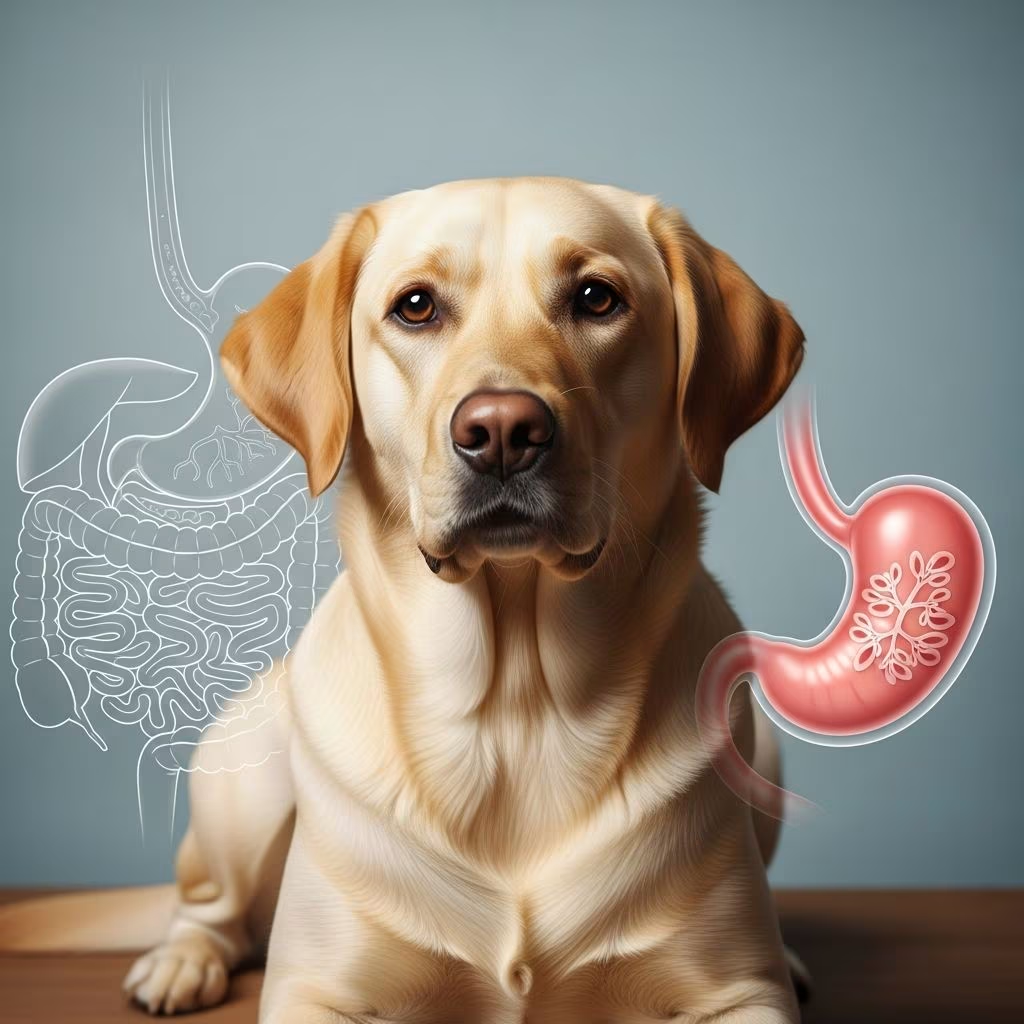
Gastroesophageal Reflux Disease (GERD) in Non-Brachycephalic Dogs
Gastroesophageal reflux disease, commonly known as GERD or acid reflux, is a condition that affects dogs of all ages and breeds. This condition occurs when stomach acid and contents flow backward into the esophagus, causing inflammation and discomfort. While often associated with certain breeds, GERD can affect non-brachycephalic dogs—those without the flat, pushed-in faces characteristic of breeds like Bulldogs and Pugs. Understanding GERD in your canine companion is essential for recognizing symptoms early and seeking appropriate veterinary care.
What is Gastroesophageal Reflux Disease?
Gastroesophageal reflux disease develops when the lower esophageal sphincter (LES)—a muscle that acts as a valve between the stomach and esophagus—becomes weakened or fails to function properly. This allows stomach acid, bile, and partially digested food to flow backward into the esophagus. The acidic contents irritate and inflame the esophageal lining, causing a condition known as esophagitis. The severity of GERD can range from mild inflammation affecting only the superficial esophageal lining to severe ulcerative esophagitis that damages deeper tissue layers.
Symptoms of Acid Reflux in Dogs
Dogs with GERD may display a variety of symptoms that can range from subtle to severe. Recognizing these signs is crucial for early intervention and preventing complications.
Common Symptoms Include:
– Regurgitation of undigested or partially digested food- Chronic vomiting or retching- Vomiting bile (yellow or green-tinged vomit)- Decreased appetite or refusing to eat- Lip licking or excessive drooling- Whining, pacing, or other signs of pain and discomfort- Change in bark quality or hoarseness- Gagging or repeated swallowing- Burping or gurgling after meals- Persistent coughing, particularly in the evening or when changing positions- Weight loss- Bad-smelling breath (halitosis)- Anxiety or restlessness
It’s important to note that not all dogs with GERD exhibit all these symptoms. The presentation can vary significantly between individual dogs based on the severity of the condition and the underlying cause.
Understanding the Causes of GERD
Several factors can contribute to the development of gastroesophageal reflux disease in non-brachycephalic dogs. Understanding these causes helps veterinarians determine the most appropriate treatment approach.
Primary Causes:
– Lower esophageal sphincter dysfunction or weakness- Prolonged anesthesia (most common in dogs)- Delayed gastric emptying- Obesity or abdominal pressure- Chronic vomiting from other conditions
Contributing Factors:
– High-fat diet- Eating large meals- Lying down immediately after eating- Certain medications- Hiatal hernia- Gastric ulcers- Food allergies or sensitivities
Potential Complications
While GERD itself is manageable, untreated or severe cases can lead to serious complications. One particularly concerning complication is aspiration pneumonia, a lung infection that occurs when a dog inadvertently inhales food or water during vomiting or regurgitation episodes. Signs of aspiration pneumonia include lethargy, fever, coughing, and difficulty breathing, requiring immediate veterinary attention.
Diagnosis of GERD in Dogs
Diagnosing gastroesophageal reflux disease typically involves a combination of clinical assessment and diagnostic testing. Your veterinarian will begin with a thorough physical examination and detailed medical history.
Diagnostic Methods:
– **Clinical History and Physical Examination**: Your vet will inquire about when symptoms began, their frequency, and any potential triggers.- **Therapeutic Trial**: Many veterinarians recommend starting appropriate GERD treatments and observing whether symptoms improve, worsen, or remain unchanged. If the dog improves with treatment, GERD was likely the underlying cause.- **Radiographs (X-rays)**: May be used to evaluate the esophagus and stomach structure.- **Endoscopy**: A specialized procedure allowing direct visualization of the esophagus and stomach lining to assess for inflammation, ulceration, or other abnormalities.- **Esophageal pH Monitoring**: Measures acid levels in the esophagus to confirm reflux.
Treatment Options for GERD
The goal of GERD treatment is to alleviate symptoms, prevent further esophageal damage, and improve your dog’s quality of life. Treatment typically combines dietary modifications and medications tailored to your dog’s specific needs.
Dietary Management
Diet plays a crucial role in managing GERD. Most dogs respond well to specific dietary changes:
– **Low-Fat Diet**: High dietary fat stimulates gastric acid secretion and delays stomach emptying. A prescription low-fat diet is often recommended as the cornerstone of GERD management.- **Small, Frequent Meals**: Instead of one or two large meals, feeding smaller portions three to four times daily reduces stomach pressure and promotes better gastric emptying.- **Highly Digestible Foods**: Easy-to-digest foods move through the gastrointestinal tract more quickly, reducing reflux risk.- **Hydrolyzed Protein Diets**: Some dogs benefit from hypoallergenic hydrolyzed diets, particularly if food sensitivities contribute to their GERD.- **Fresh or Home-Cooked Diets**: Some dogs improve on freshly prepared meals, though these should be formulated under veterinary guidance to ensure nutritional completeness.
Medical Management
Medications are often prescribed to reduce stomach acid production, protect the esophageal lining, and improve gastric emptying.
Acid-Reducing Medications (Antacids):
– **Proton Pump Inhibitors (PPIs)**: Omeprazole (Prilosec) is commonly prescribed and highly effective at reducing stomach acid production.- **H2-Blockers**: Medications such as famotidine (Pepcid) and ranitidine (Zantac) suppress acid release, making stomach contents less acidic.- **Other Antacids**: Cimetidine (Tagamet) offers another option for acid reduction.
Protective Medications:
– **Sucralfate (Carafate)**: This medication coats damaged areas of the esophagus, protecting the lining much like a band-aid. It’s particularly helpful for short-term healing but doesn’t change stomach acidity.
Pro-Motility Drugs:
– **Metoclopramide (Reglan)**: Helps move food through the gastrointestinal tract faster and strengthens the esophageal sphincter.- **Cisapride (Propulsid)**: Similarly enhances gastric emptying and increases sphincter tone, reducing reflux risk.
Lifestyle and Management Recommendations
Beyond medication and diet, several lifestyle modifications can significantly improve GERD management:
– **Elevate Feeding Stations**: Raising food and water bowls can aid digestion and reduce reflux.- **Restrict Activity After Meals**: Avoid vigorous exercise or play for at least one hour after eating.- **Maintain Healthy Weight**: Obesity increases abdominal pressure, exacerbating reflux.- **Avoid High-Fat Treats**: These can trigger symptoms and should be eliminated from your dog’s diet.- **Monitor for Trigger Foods**: Keep a record of foods that seem to worsen symptoms and avoid them.- **Elevate Sleep Area**: Using a raised bed or adjusting sleeping height may help reduce nighttime reflux.
Long-Term Management and Monitoring
GERD often requires ongoing management. After initial treatment and symptom improvement, continue monitoring your dog for recurrence.
Follow-Up Care:
– **Continued Dietary Adherence**: Maintain the low-fat, low-protein diet even after symptoms resolve to prevent flare-ups.- **Medication Compliance**: Some dogs require long-term medication therapy to keep symptoms controlled.- **Regular Veterinary Check-ups**: Schedule regular examinations to assess your dog’s response to treatment.- **Symptom Monitoring**: Watch for signs of discomfort or return of GERD symptoms.- **Weight Management**: Maintain your dog’s ideal body weight through appropriate diet and exercise.
If your dog doesn’t respond to initial medical treatments, your veterinarian may recommend additional diagnostic testing, such as endoscopy, to identify underlying causes or complications. In rare cases, surgical intervention may be necessary.
When to Seek Emergency Care
While most GERD cases can be managed on an outpatient basis, certain situations require immediate veterinary attention:
– Signs of aspiration pneumonia (lethargy, fever, cough, difficulty breathing)- Severe vomiting or inability to keep food down- Hematemesis (vomiting blood)- Severe abdominal pain or distention- Signs of esophageal perforation- Acute weight loss or severe dehydration
Prognosis and Quality of Life
The prognosis for dogs with GERD is generally good when managed appropriately. Most dogs show significant improvement with dietary modifications and medical therapy. Many owners report that their dogs no longer show signs of discomfort after meals, experience reduced vomiting episodes, and demonstrate improved overall quality of life. Some dogs may need occasional short-term medication courses, particularly if they encounter triggering foods, but the majority can live happily and healthily with proper management.
Frequently Asked Questions About Canine GERD
Q: Can acid reflux in dogs resolve on its own?
A: While mild cases may improve with dietary changes, most cases of GERD require veterinary intervention and medication to prevent esophageal damage and manage symptoms effectively.
Q: Is GERD in dogs painful?
A: Yes, GERD can cause significant discomfort. Dogs may experience pain when swallowing, exhibit restlessness or pacing, and show decreased interest in eating due to esophageal irritation.
Q: How long does GERD treatment take to work?
A: Most dogs show improvement within one to two weeks of starting treatment. However, some may require several weeks to fully respond, and medication may need adjustment based on individual response.
Q: Can certain breeds be more prone to GERD?
A: While any dog can develop GERD, it’s often associated with brachycephalic breeds. However, non-brachycephalic dogs can also develop this condition for various reasons including post-anesthetic complications or underlying health issues.
Q: Is surgery ever necessary for canine GERD?
A: Surgery is rarely necessary for managing GERD alone. However, if an underlying condition like hiatal hernia contributes to reflux, surgical correction may be recommended.
Q: Can I use human antacids for my dog?
A: Never give your dog over-the-counter medications without veterinary guidance. Some formulations may be unsafe for dogs, and proper dosing is essential for effective and safe treatment.
Q: What should I do if my dog vomits after starting GERD treatment?
A: Contact your veterinarian immediately. Continued vomiting may indicate that the treatment plan needs adjustment, or there may be an underlying complication requiring further investigation.
Q: Is GERD contagious between dogs?
A: No, GERD is not contagious. It’s an individual condition affecting the functioning of your dog’s esophageal valve and digestive system.
References
- Acid Reflux in Dogs – PetMD — PetMD. Accessed 2025. https://www.petmd.com/dog/conditions/digestive/c_multi_gastroesophageal_reflux
- Esophagitis in Small Animals – Digestive System – Merck Veterinary Manual — Merck Veterinary Manual. 2025. https://www.merckvetmanual.com/digestive-system/diseases-of-the-esophagus-in-small-animals/esophagitis-in-small-animals
- Treatment of Gastroesophageal Reflux Disease in 2 Young Dogs — Journal of Veterinary Clinics. 2021. https://www.e-jvc.org/journal/view.html?doi=10.17555%2Fjvc.2021.38.5.231
- Acid Reflux In Dogs: Understanding The Causes And Treatments — Kingsdale Animal Hospital. 2025. https://www.kingsdale.com/acid-reflux-in-dogs-understanding-the-causes-and-treatments
- Acid Reflux in Dogs: Causes, Symptoms, and Treatment — Toe Grips. 2025. https://toegrips.com/acid-reflux-dogs/



