Gerbils Complete Guide To Biology, Care, And Veterinary Insights
Comprehensive guide to gerbil biology, care, health, breeding, and management for pets and research.
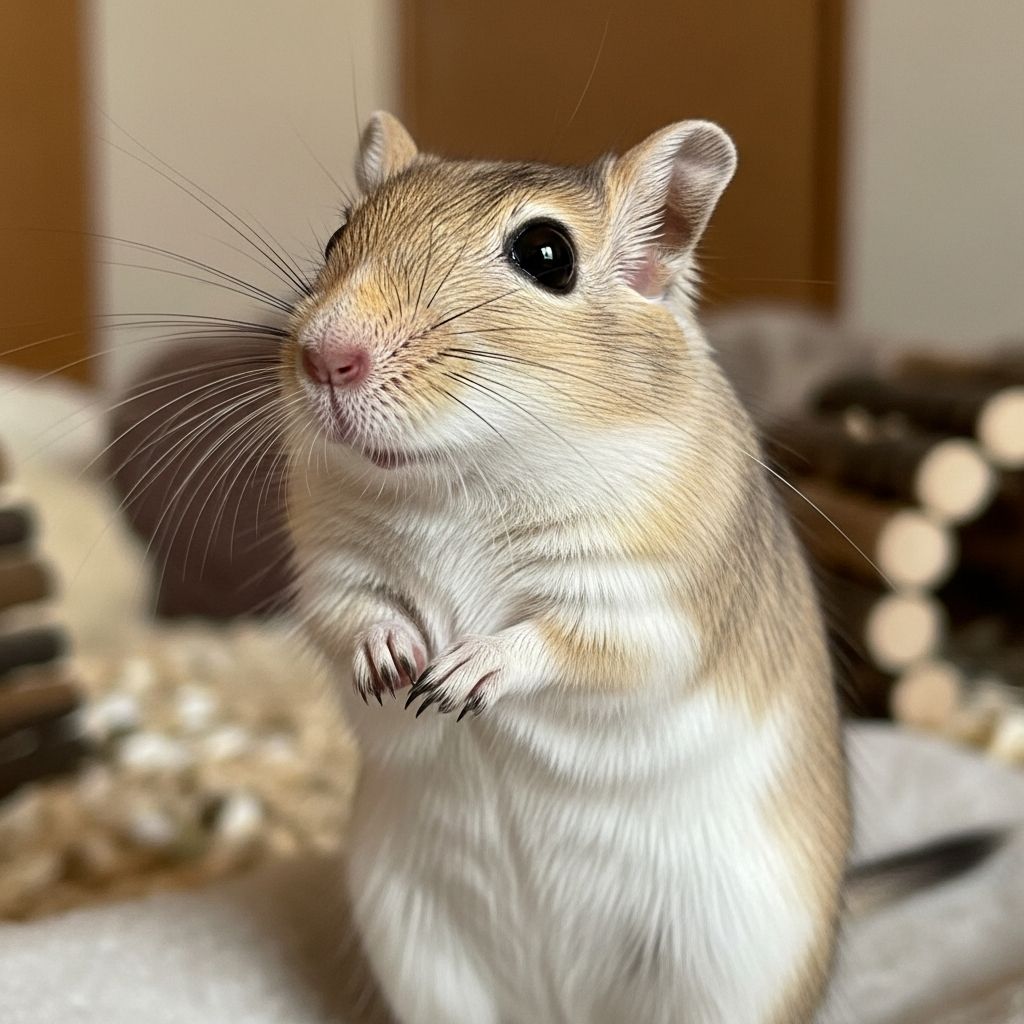
Gerbils, small rodents native to arid regions of Asia and Africa, make engaging pets and valuable laboratory subjects due to their active nature and social behaviors. Understanding their physiology, environmental requirements, and health needs ensures optimal welfare in both domestic and research settings.
Natural Habitat and Adaptations
Gerbils thrive in desert-like environments, featuring extensive burrow systems that provide protection from predators and extreme temperatures. These underground networks include chambers for nesting, food storage, and waste disposal, showcasing their remarkable digging prowess with strong limbs and teeth.
- Burrows maintain stable humidity and temperature, essential for survival in harsh climates.
- Social colonies form complex hierarchies, promoting cooperative defense and resource sharing.
- Adaptations like efficient kidneys conserve water, minimizing urine production.
In captivity, replicating these conditions prevents stress and supports natural behaviors such as tunneling and group interactions.
Physical Characteristics and Anatomy
Mongolian gerbils, the most common species, measure 4-5 inches in body length with tails of equal size, aiding balance during leaps up to 18 inches. Their soft fur ranges from agouti to white, and continuously growing incisors require constant gnawing.
| Feature | Description | Function |
|---|---|---|
| Body Size | 4-5 inches | Agile movement in burrows |
| Tail | Long, fur-covered | Balance; autotomy for defense |
| Scent Gland | Ventral abdomen | Territorial marking |
| Hind Legs | Muscular | Digging, thumping signals |
Distinctive traits include a ventral scent gland for marking and powerful hind legs for drumming warnings.
Daily Activity Patterns and Social Dynamics
Gerbils exhibit crepuscular rhythms, peaking at dawn and dusk to avoid midday heat and nocturnal cold. Social structures revolve around breeding pairs with subordinate helpers, fostering monogamous bonds and communal pup rearing.
- Group Harmony: Olfactory cues, vocalizations, and physical contact maintain stability.
- Dominance Displays: Posturing, mounting, and grooming reinforce hierarchies without frequent injury.
- Communication: Foot-thumping signals alarm or excitement; chirps indicate affiliation.
Pet owners should house them in pairs or small same-sex groups post-juvenile period to minimize aggression.
Optimal Housing and Enrichment
A deep substrate of 6-8 inches allows burrowing, paired with wire-top enclosures for ventilation. Multiple levels with wheels, tunnels, and chew toys promote activity.
- Use dust-free bedding like paper-based products to avoid respiratory issues.
- Provide climbing structures and nesting materials for psychological well-being.
- Maintain 68-75°F with low humidity to mimic arid origins.
Avoid wire floors to prevent foot injuries; split-cage introductions ease new pairings.
Nutrition Essentials for Health
A balanced diet comprises 70% lab blocks or seed mixes, supplemented by fresh veggies and hay. High-protein treats support breeding females.
| Food Type | Portion | Benefits |
|---|---|---|
| Lab Blocks/Seeds | Main diet | Balanced nutrients |
| Vegetables (carrot, kale) | Small daily | Vitamins, hydration |
| Hay/Grains | Unlimited | Dental wear, fiber |
| Avoid | Sugary fruits | Prevents obesity |
Fresh water via bottles prevents contamination; monitor for selective feeding.
Reproductive Biology and Breeding Management
Gerbils reach puberty at 10-12 weeks, with 21-24 day gestations yielding 3-7 pups. Breeding pairs remain monogamous, with females nursing litters communally.
- Separate at 6 weeks to prevent inbreeding.
- Nest boxes enhance pup survival.
- Males participate in rearing, strengthening bonds.
In labs, controlled breeding ensures genetic diversity; spaying/neutering curbs overpopulation in pets.
Common Health Issues and Prevention
Vigilance detects issues like respiratory infections, diarrhea, or tumors early. Symptoms include lethargy, weight loss, or abnormal fur.
- Dental Overgrowth: Provide gnaw toys; trim if needed.
- Tail Slip: From falls; clean wounds promptly.
- Parasites: Mites cause itching; treat with vet-approved products.
- Epizootic Carcinoma: Monitor ventral gland for tumors.
Quarantine new arrivals; annual vet checks vital for longevity up to 4 years.
Laboratory Use and Ethical Considerations
Gerbils model diabetes, epilepsy, and auditory research due to genetic uniformity. Enriched housing reduces stress, improving data reliability.
- Group housing preferred over isolation.
- Follow IACUC protocols for welfare.
- Non-invasive monitoring respects natural behaviors.
Post-study rehoming options extend useful lives.
Grooming, Handling, and Bonding
Mutual grooming strengthens ties; owners can bond via hand-feeding. Scoop gently from below to avoid tail stress.
Regular handling from weaning builds trust, reducing thumping during interactions.
Frequently Asked Questions
Can gerbils live alone?
No, they are social; solitary housing causes depression-like symptoms. Pair with compatible companions.
Why do gerbils thump their feet?
Thumping warns of danger, excitement, or mating; it’s a key communication tool.
How often should I clean the cage?
Spot clean daily, full change biweekly to preserve scent marks.
Are gerbils good for children?
Yes, with supervision; their curiosity engages kids but requires gentle handling education.
What causes fighting in gerbil groups?
New introductions, space limits, or hormonal shifts; use gradual methods to prevent.
Advanced Care for Longevity
Track weights monthly, offer variety in diet, and observe behaviors for early health cues. Environmental rotations prevent boredom.
In research, standardized colonies ensure reproducibility; genetic screening aids trait studies.
References
- Gerbil Social Behavior Shapes Group Harmony — Jungle Aquatics. 2023. https://jungleaquatics.com/blogs/news/gerbil-social-behavior-shapes-group-harmony
- Gerbil Behavior — PetPlace.com. 2024-01-15. https://www.petplace.com/article/small-mammals/general/gerbil-behavior
- Signs of Dominance in Gerbils – Advice for Pet Owners — Pet Assure. 2023-05-20. https://www.petassure.com/maxscorner/signs-of-dominance-in-gerbils-advice-for-pet-owners/
- 12 Strange But Common Gerbil Behaviors — Chewy. 2024-02-10. https://www.chewy.com/education/small-pet/gerbil/12-strange-but-common-gerbil-behaviors
- Understanding Gerbil Behaviour: Key Traits Explained — Pets4Homes. 2023-11-05. https://www.pets4homes.co.uk/pet-advice/understanding-gerbil-behaviour.html
Similar Articles








Read full bio of Sneha Tete