

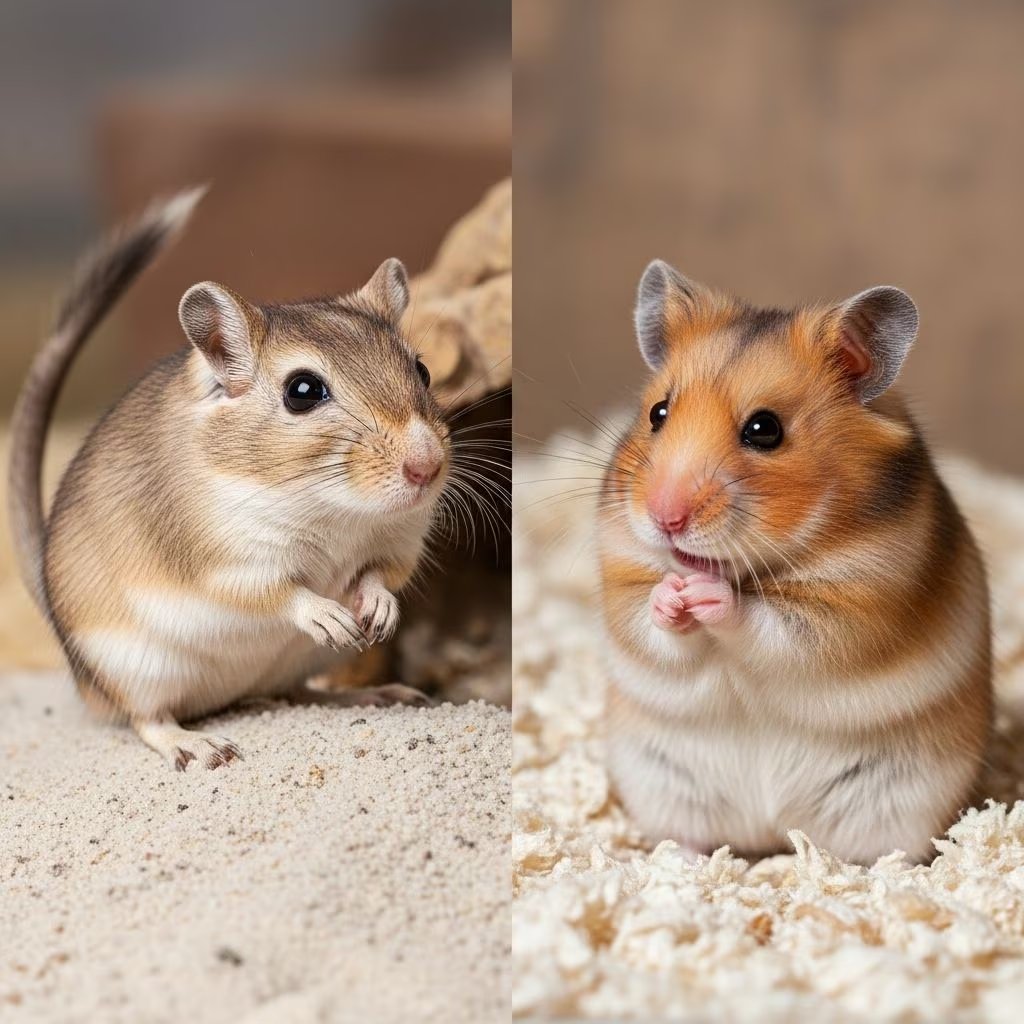
Gerbils vs. Hamsters: What’s the Difference?
Choosing between a gerbil and a hamster as a pet can be challenging, especially when both are adorable, entertaining, and popular choices for first-time small pet owners. While these two furry companions may seem similar at first glance, they actually have significant differences in their physical characteristics, behavior, lifespan, and social needs. Understanding these distinctions is essential for making an informed decision about which pet is right for your lifestyle and living situation.
Both gerbils and hamsters are small rodents that can bring joy and companionship to your home. However, their differences extend far beyond their cute appearances. From their body structure and tail length to their activity patterns and social preferences, these two species have evolved to thrive in very different environments. This comprehensive guide will help you explore the key differences between gerbils and hamsters, enabling you to make the best choice for your family.
Physical Differences Between Gerbils and Hamsters
One of the most noticeable differences between gerbils and hamsters lies in their physical appearance. While both are small rodents, their body structures have adapted differently to their natural habitats and lifestyles.
Body Shape and Size
Gerbils possess long, lean bodies with a sleek, streamlined shape that reflects their active and athletic nature. They are natural runners and jumpers that navigate their environments with remarkable agility. In contrast, hamsters have rounder, fuller bodies that often give them a cute, fluffy appearance. Pet hamsters generally measure between 2 to 4 inches in length, while Syrian hamsters, the largest pet hamster species, can reach approximately 6 inches. Gerbils typically clock in at around 4 inches in length.
The difference in body composition reflects their evolutionary adaptations. Gerbils developed their lean physique to be efficient runners and jumpers in open desert environments, while hamsters evolved their rounder bodies suited for burrowing and nesting activities.
Tails: A Defining Characteristic
Perhaps the most distinctive feature separating gerbils from hamsters is their tails. Gerbil tails are remarkably long, often measuring approximately 4 inches or even rivaling the length of their entire body—up to 7.5 inches in some cases. These tails serve a crucial function, helping gerbils maintain balance when jumping and climbing. Some gerbil species have hairy tails, such as Mongolian gerbils, while others, like fat-tailed gerbils, have smooth, hairless tails.
Hamsters, by contrast, have short, stubby tails that are barely noticeable. Even the largest pet hamster species, the Syrian hamster, typically has a tail measuring only about ½ inch long. This dramatic difference in tail length is one of the easiest ways to distinguish between these two rodents at a glance.
Facial Features
Gerbils have narrow, pointed faces with long noses that are remarkably similar to those of rats. Their facial structure is lean and angular, reflecting their sleek overall physique. This narrow face shape means gerbils lack the large cheek pouches that hamsters are famous for, giving them a more mouse-like appearance.
Hamsters, on the other hand, are known for their adorable round faces and expandable cheek pouches. These specialized pouches are one of hamsters’ most distinctive features, allowing them to hoard and transport food with impressive efficiency. The chubby cheeks that result from these pouches give hamsters their characteristic cute and cuddly appearance.
Legs and Movement Capabilities
Gerbils have long, powerful hind legs and large feet that make them exceptional jumpers and climbers. They are highly agile creatures capable of acrobatic movements, often standing on their hind legs and executing impressive jumps. This physical capability requires appropriate housing with secure, tall enclosures.
Hamsters have shorter legs relative to their body size, making them less agile and athletic than gerbils. While hamsters will stand on their hind legs occasionally, they are not known for their jumping ability. Instead, they excel at burrowing and creating complex tunnel systems within their habitats.
Lifespan Comparison
When considering a small pet, lifespan is an important factor in your decision. Both gerbils and hamsters have relatively short lifespans compared to larger pets like dogs or cats, but they differ in their expected longevity.
Hamsters typically live between 1.5 to 3 years, depending on the specific species. Syrian hamsters often live at the longer end of this range, while dwarf hamster species may have slightly shorter lifespans. Gerbils, however, tend to live a bit longer, with an expected lifespan of up to 5 years. This difference means that if you choose a gerbil, you may enjoy your pet’s companionship for several years longer than with a hamster.
While these lifespans may seem short, small pets like gerbils and hamsters can bring tremendous joy and create lasting memories during their time with you.
Behavioral and Temperament Differences
Beyond physical characteristics, gerbils and hamsters differ significantly in their behavior, activity patterns, and temperament. These behavioral differences should play an important role in your decision-making process.
Activity Patterns
One of the most significant behavioral differences between gerbils and hamsters is their activity schedule. Gerbils are diurnal creatures, meaning they are active during the day and rest at night. If you prefer a pet you can interact with during daytime hours, a gerbil may be an excellent choice. They are energetic, curious, and constantly exploring their environment.
Hamsters are nocturnal animals, meaning they are most active during the night and sleep during the day. This means hamsters are ideal for people who are active in the evening or early morning hours. However, their nighttime activity can include running on exercise wheels and making noise, which might disturb light sleepers.
Social Preferences
Gerbils are highly social animals that thrive in pairs or small groups. They enjoy interaction and companionship, both with other gerbils and with their human caretakers. Housing gerbils alone can lead to stress and behavioral problems, so most experts recommend keeping at least two gerbils together.
Hamsters are solitary animals that prefer to live alone. They are highly territorial and will fight aggressively with other hamsters, sometimes even to the point of serious injury. When kept as pets, hamsters should be housed individually. This solitary nature means hamsters don’t require the level of social interaction that gerbils do.
Temperament and Handling
Despite their territorial nature with other hamsters, hamsters are generally docile and easy to handle. They tend to be good-natured toward humans, though they can bite if surprised or if they mistake fingers for food. Their calm demeanor makes them suitable pets for people seeking a low-stress animal companion.
Gerbils are curious and agile, displaying active and exploratory behavior. They are more delicate than hamsters and require careful handling. While they can be friendly when socialized, they are best suited for older children and experienced pet owners who understand their specific needs.
Food Storage and Hoarding Behavior
One fascinating behavioral difference between these two rodents relates to how they store food. Hamsters are renowned food hoarders, thanks to their specialized expandable cheek pouches. These pouches allow hamsters to carry large quantities of food back to their nesting areas for storage and later consumption. This behavior reflects their natural adaptation to survival in environments where food availability can be unpredictable.
Gerbils, lacking the large cheek pouches that hamsters possess, are not known as dedicated food hoarders. However, they still carry food back to their nest areas, just less efficiently than their hamster cousins. This difference in food storage capability is one of the many ways these two species have adapted to their respective habitats.
Housing and Space Requirements
The differences in behavior and physical capabilities between gerbils and hamsters translate into different housing needs.
Gerbils require larger enclosures due to their active nature and need for exercise. They benefit from tall, secure housing that prevents escapes, as they are excellent jumpers. Their tanks should include plenty of space for burrowing, tunneling, and running. Gerbils need environmental enrichment such as digging boxes, climbing structures, and multiple hiding spots to keep them mentally stimulated.
Hamsters can thrive in smaller, more contained environments. While they still need adequate space for exercise and exploration, their lower activity level means they require less square footage than gerbils. Hamsters enjoy creating tunnel systems and burrowing, so providing deep bedding and various hideaways is important for their well-being.
Dietary Needs
Another important consideration when choosing between these pets involves their dietary requirements. Both hamsters and gerbils are omnivores, meaning they eat both plant-based foods and insects. This dietary flexibility allows them to thrive on commercial pellets supplemented with fresh vegetables, fruits, and occasional protein sources.
One crucial aspect that hamsters, gerbils, and many other small rodents share is continuously growing teeth. To prevent overgrowth of their teeth, both species require access to premium loose forage and chew toys. Providing appropriate chewing materials helps maintain their dental health and natural behaviors.
Comparison Table: Gerbils vs. Hamsters
| Feature | Gerbil | Hamster |
|---|---|---|
| Average Size | Approximately 4 inches | 2 to 4 inches (Syrian up to 6 inches) |
| Tail Length | Long, 4-7.5 inches | Short and stubby, ½ inch |
| Facial Shape | Narrow and pointed, rat-like | Round and wide with chubby cheeks |
| Body Shape | Long and lean, athletic | Short and round, fluffy |
| Cheek Pouches | No | Yes, large and expandable |
| Activity Pattern | Diurnal (active during day) | Nocturnal (active at night) |
| Social Preference | Highly social, pairs or groups | Solitary, prefers living alone |
| Lifespan | Up to 5 years | 1.5 to 3 years |
| Jumping Ability | Excellent, natural jumpers | Poor, not natural jumpers |
| Temperament | Curious and agile | Docile and easy to handle |
Which Pet Is Right for You?
Choosing between a gerbil and a hamster depends on your lifestyle, living space, and preferences. If you enjoy daytime interaction with an active, curious pet, prefer a more engaging experience, and have adequate space for a larger enclosure, a gerbil (or preferably a pair) might be the perfect choice. However, if you prefer a solitary, low-maintenance pet that can live in a smaller space and are active in the evening or early morning, a hamster could be your ideal companion.
Consider your experience level with small pets as well. Hamsters are generally easier for beginners due to their docile nature and solitary housing requirements. Gerbils require more attentive care and are better suited for experienced pet owners or older children.
Frequently Asked Questions
Q: Can gerbils and hamsters live together?
A: No, gerbils and hamsters should not live together. Hamsters are territorial and may harm gerbils. Additionally, they have different environmental and social needs that make cohabitation unsuitable and stressful for both species.
Q: Which pet is better for young children?
A: Hamsters are generally better for younger children due to their docile nature and easier handling requirements. Gerbils are more delicate and better suited for older children and adults who can understand their specific needs and handle them carefully.
Q: Do gerbils smell more than hamsters?
A: Gerbils are known for producing minimal odor compared to hamsters. Regular cage cleaning is important for both species, but gerbils typically have less odorous urine and feces.
Q: How often do I need to clean a gerbil or hamster cage?
A: Both gerbils and hamsters need cage cleaning at least once weekly, though spot cleaning should be done more frequently. The exact frequency depends on cage size and the number of animals housed.
Q: Can I keep a single gerbil?
A: While a single gerbil can technically survive alone, it is not recommended. Gerbils are social animals and thrive better when kept in pairs or small groups. A solitary gerbil may experience stress and behavioral problems.
Q: What is the best bedding for gerbils and hamsters?
A: Both gerbils and hamsters benefit from aspen shavings, paper-based bedding, or sand. Avoid cedar and pine, which can be harmful. Gerbils particularly enjoy deeper bedding for burrowing activities.
Q: How much exercise space do gerbils and hamsters need?
A: Gerbils require larger enclosures with ample space for running and jumping, ideally 10+ gallons per gerbil. Hamsters can thrive in smaller spaces, though larger is always better—a minimum 40-gallon breeder tank is recommended.
References
- Gerbils vs. Hamsters: What’s the Difference? — Chewy Education. 2024. https://www.chewy.com/education/small-pet/hamster/gerbils-vs-hamsters-difference
- Hamster vs Gerbil: 4 Key Differences Explained — A-Z Animals. 2024. https://a-z-animals.com/blog/hamster-vs-gerbil-4-key-differences-explained/
- Gerbils vs. Hamsters as Pets: How to Choose — Small Pet Select. 2024. https://smallpetselect.com/gerbil-or-hamster/
- Hamsters, Gerbils, and Guinea Pigs – What’s the Difference? — Standlee Forage. 2024. https://www.standleeforage.com/standlee-barn-bulletin/hamsters-gerbils-and-guinea-pigs-whats-the-difference/
- Gerbil Vs Hamster Vs Guinea Pig — Petcube. 2024. https://petcube.com/blog/gerbil-vs-hamster-vs-guinea-pig/
- Hamsters vs. Gerbils: The Main Differences (Vet-Verified Info) — Hepper. 2024. https://articles.hepper.com/hamsters-vs-gerbils/



