Gerbil Health Issues: Complete Guide To Signs, Causes, Care
Essential insights into preventing and managing common gerbil illnesses for healthier, happier pets.
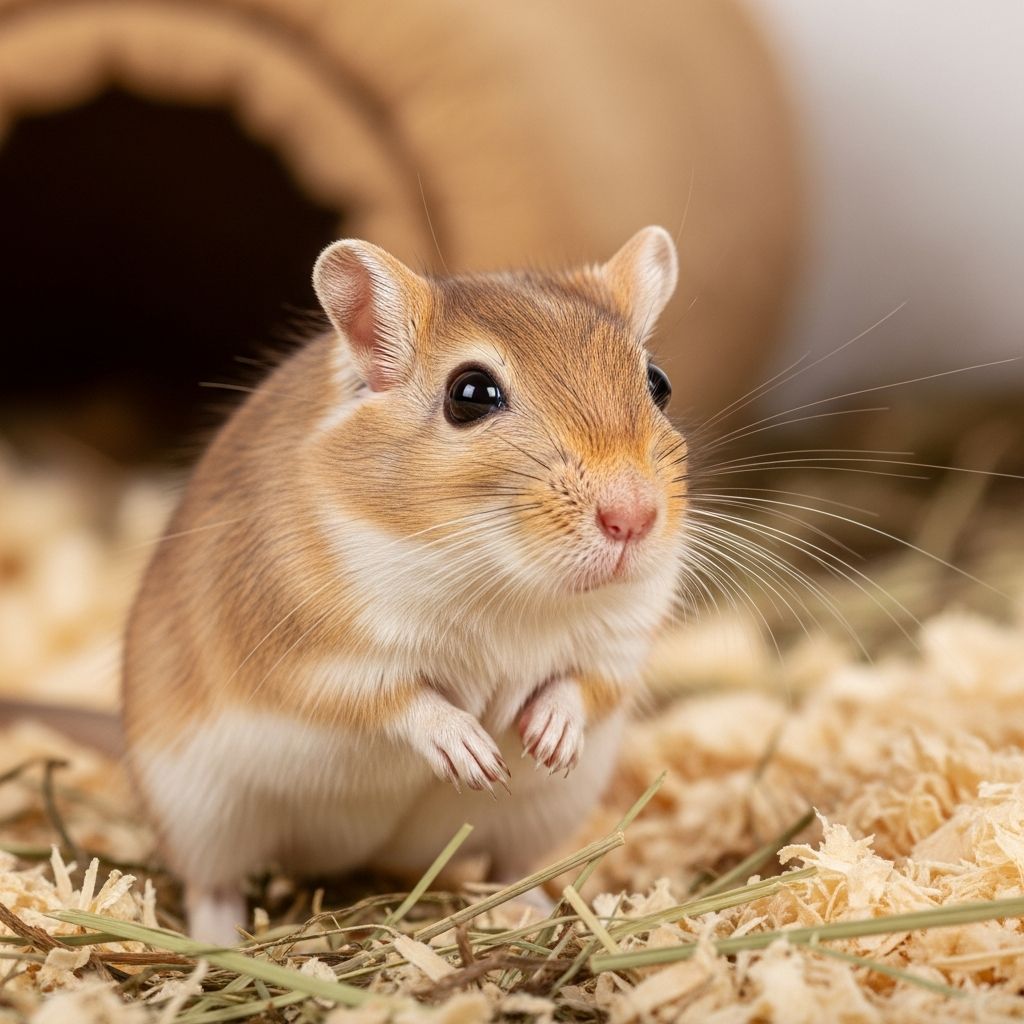
Gerbils make delightful pets known for their curiosity and activity, but they are prone to specific health challenges that owners must monitor closely. Early detection of issues like bacterial infections, dental overgrowth, and organ dysfunction can significantly improve outcomes. This guide covers prevalent conditions, their indicators, causes, and management approaches to help keep your gerbils thriving.
Recognizing Early Warning Signs
Gerbils instinctively mask illness, making subtle changes critical to notice. Common alerts include reduced eating, sudden slimming, sluggish movements, and abnormal posturing. A dull coat or puffed-up fur often signals underlying trouble, while dehydration shows as sunken eyes or tacky skin. Respiratory clues like noisy breaths or nasal fluid demand immediate attention, as do digestive signs such as loose stools. Regular hands-on checks and habitat observations enable timely intervention.
- Appetite drop: First hint of many disorders, leading to quick weight reduction.
- Activity decline: From playful digging to hiding or hunching.
- Coat changes: Rough or unkempt fur from poor grooming.
- Fluid loss signs: Dry mouth, wrinkled skin, or lethargy.
Bacterial Infections in the Gut
Gut-related bacterial threats pose severe risks to gerbils, often stemming from tainted feed, bedding, or water sources. These pathogens multiply rapidly in crowded or unclean setups, affecting young or weakened animals most harshly. Isolation of affected individuals prevents colony-wide outbreaks.
Tyzzer’s Disease Overview
This acute condition, driven by Clostridium piliforme, strikes swiftly with fluid-heavy stools, dull demeanor, unkempt appearance, and arched stance. Dehydration escalates fast, demanding prompt separation and professional care. Supportive hydration and antibiotics may aid recovery if caught early.
Salmonella Challenges
Encountered via insect or rodent-contaminated materials, this bacterium induces loose bowels, bloating, coat deterioration, and mass reduction. Human transmission risk heightens the urgency for cage sanitization and isolation. Euthanasia is sometimes advised due to poor prognosis.
| Condition | Key Symptoms | Transmission | Management |
|---|---|---|---|
| Tyzzer’s | Watery stools, lethargy, rough fur | Contaminated environment | Isolate, vet antibiotics |
| Salmonella | Diarrhea, weight loss, swollen belly | Insects, wild rodents | Disinfect, isolate permanently |
Breathing and Upper Airway Problems
Respiratory woes in gerbils arise from bacterial invaders like Mycoplasma or environmental irritants such as dust-laden substrates. Symptoms progress from mild sniffing to severe wheezing or open-mouth gasping. Poor airflow setups exacerbate these, underscoring the need for spacious, ventilated homes.
- Sneezing bursts: Early irritation indicator.
- High-pitched wheezes: Airway constriction signal.
- Runny discharge: Often bacterial-linked.
- Effortful breaths: Advanced crisis marker.
Veterinary antibiotics target root causes, but prevention via dust-free bedding and hygiene is paramount. Human colds can transmit, so avoid contact during illnesses.
Dental and Chewing Difficulties
Gerbils’ ever-growing teeth require constant wear-down through appropriate toys and diets. Overlong incisors misalign bites, causing feeding struggles, saliva dribble, and facial soiling. Weight dips follow as nutrition falters.
Owners should supply varied chews like untreated wood blocks alongside lab blocks and seeds. Vet trims restore alignment temporarily; persistent cases may need extraction. Monitor for dropped food or selective eating patterns.
Age-Linked Organ Decline
As gerbils age beyond 12 months, kidney issues like glomerulonephritis emerge, marked by increased drinking, urination, and thinning. Fluid therapy supports comfort, though progression is inevitable.
Amyloid buildup in organs past 10 months brings appetite failure, fluid imbalance, and decline without cure. Tumors in scent glands or skin appear in seniors, varying from harmless lumps to aggressive growths needing surgical removal.
Skin and Parasite Concerns
Though less common, external pests like mites or fleas from cohabiting pets cause itching and coat loss. Ringworm fungi create patchy baldness. Thorough cleaning and vet-prescribed treatments resolve most cases.
Fight-induced bites or scent gland abscesses demand cleaning and possible lancing. Maintain pairs or small groups to minimize aggression.
Preventive Strategies for Longevity
Robust health starts with optimal housing: deep, dustless bedding in spacious enclosures with ample hides and wheels. Offer balanced nutrition—seed blends, pellets, occasional veggies—avoiding sudden shifts. Daily spot-cleaning and weekly full changes curb pathogen spread.
- Use filtered water in sanitized bottles.
- Quarantine newcomers for 2-4 weeks.
- Provide chew toys for dental upkeep.
- Schedule bi-monthly weight and condition checks.
Stress reduction via stable routines and minimal disturbances bolsters immunity. Exotic vets familiar with rodents ensure tailored advice.
When to Contact a Professional
Any symptom persistence beyond 24 hours warrants a vet visit. Prepare by noting onset, stool samples, and diet history. Emergency signs: non-stop diarrhea, breathing distress, seizures, or coma-like states.
Frequently Asked Questions
Can gerbils catch colds from humans?
Yes, respiratory pathogens transfer readily; wash hands and avoid handling sick.
How do I stop diarrhea spread?
Separate immediately, clean thoroughly, and seek antibiotics for the group.
What diet prevents malnutrition?
Lab blocks as staple, supplemented sparingly with seeds and greens.
Are tumors always fatal?
No, early surgical intervention offers good odds for benign cases.
How often should I check teeth?
Weekly visual exams; trim if extending past lips.
Nutritional Impact on Wellness
Imbalanced feeds invite digestive chaos and weaken resistance. Prioritize complete gerbil formulas meeting NRC standards, dodging high-fat treats. Fresh produce introduces moisture but risks upset if overdone. Hydration via daily bottle refills prevents kidney strain.
Habitat Optimization Tips
Ideal setups mimic burrows: 20-gallon minimum per pair, layered substrates for digging, multiple exits for safety. Temperature 65-75°F, humidity low to deter molds. Toys rotate to sustain engagement, cutting boredom fights.
References
- Gerbil Health Problems, Illness Symptoms & Care Tips — Jungle Aquatics. 2023. https://jungleaquatics.com/blogs/news/gerbil-health-problems-every-owner-should-know
- Disorders and Diseases of Gerbils — Merck Veterinary Manual. 2024-10-01. https://www.merckvetmanual.com/all-other-pets/gerbils/disorders-and-diseases-of-gerbils
- Gerbil Health Problems — Pilgrims Vets. 2022-10-01. https://www.pilgrimsvets.org.uk/about-us/blog/october-2022/gerbil-health-problems
- Tyzzer’s Disease in Gerbils — PetMD. 2023. https://www.petmd.com/exotic/conditions/digestive/tyzzers-disease-gerbils
Similar Articles








Read full bio of Sneha Tete