Gerbil Care Essentials: Complete Guide For Healthy, Happy Pets
Discover comprehensive gerbil care tips for a healthy, happy life: from housing and diet to grooming and health monitoring.
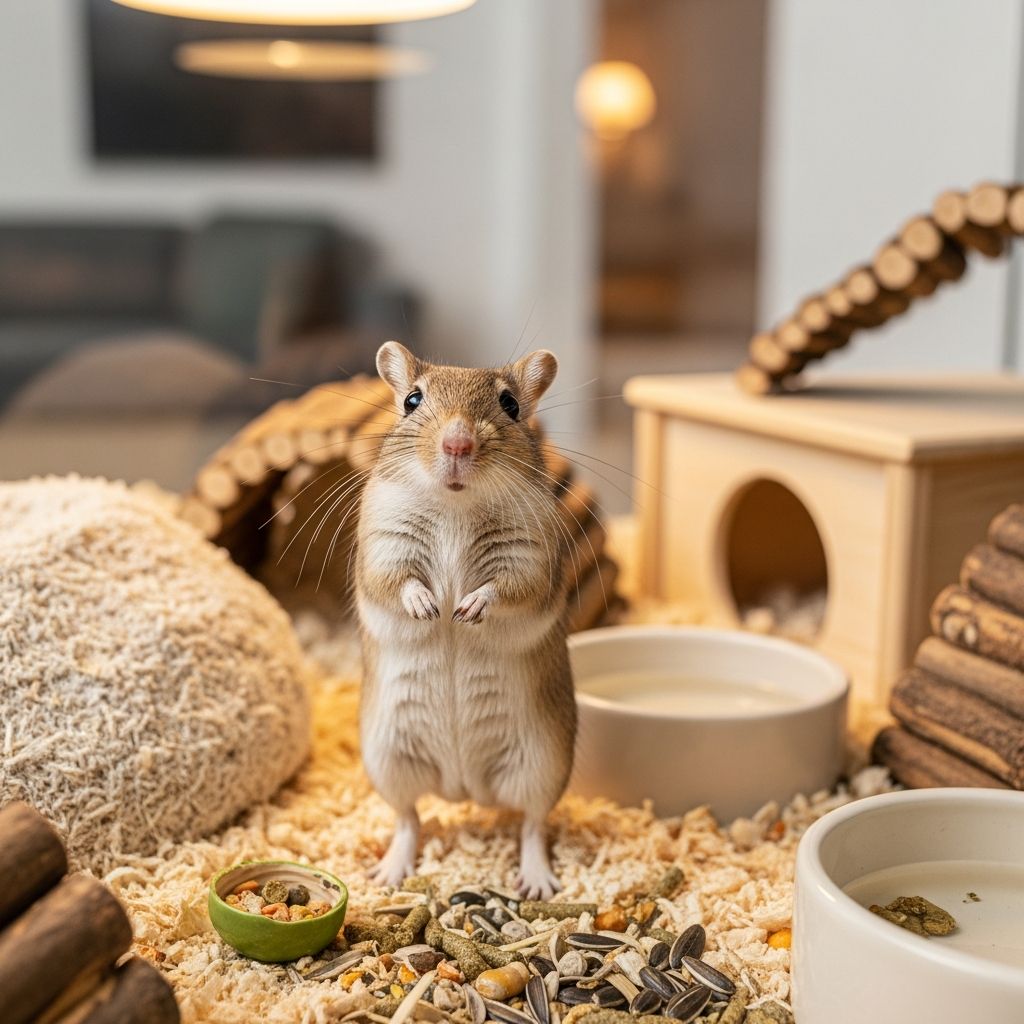
Gerbils make engaging small pets known for their energetic digging, social nature, and playful antics. Proper care ensures they live 3-5 years in good health, mimicking their arid native habitats while meeting modern pet needs. This guide covers all aspects from setup to daily routines.
Choosing the Right Gerbil Companions
Gerbils thrive in pairs or small same-sex groups, as they are highly social rodents. Same-sex pairs reduce fighting risks, unlike mixed groups where aggression can occur. Introduce young gerbils gradually using a split-cage method: divide the habitat, swap sides daily for scent familiarization, then allow supervised meetings. Monitor for bullying; persistent fights require separation. Single gerbils often become depressed, showing lethargy or over-grooming.
- Select pups from reputable breeders for health guarantees.
- Avoid mixing adults unless previously housed together.
- Fathers aid pup-rearing by nest-building and cleaning.
Designing an Ideal Living Space
A spacious, secure enclosure is crucial for gerbils’ burrowing instincts. Minimum size for two gerbils: 20 gallons or larger glass tank with mesh lid for ventilation and escape-proofing. Provide 6-8 inches of bedding depth in half the space for tunnels. Ideal temperature: 65-75°F (18-24°C) in low humidity (around 50%), away from drafts, sunlight, or cold.
Safe substrates include paper-based bedding, shredded paper, or wood pulp; avoid pine, cedar (respiratory irritants), or corncob (mold risk). Accessories enhance enrichment:
| Essential Item | Purpose | Tips |
|---|---|---|
| Nest box or hides | Sleeping, security | Multiple options; wooden or ceramic. |
| Solid wheel (12+ inches) | Exercise | No bars/mesh to prevent tail injury. |
| Tunnels/bridges | Exploration | Cardboard rolls, wood; rotate weekly. |
| Chew toys | Dental health | Untreated applewood, hay blocks. |
Position habitat in quiet areas to minimize stress. Supervised out-of-cage play in a gerbil-proof room adds variety, using leashes or balls cautiously.
Nutrition for Optimal Health
Gerbils are omnivores needing balanced diets: 70-80% high-quality seed mix (sunflower-free to prevent obesity), 20% fresh veggies, limited fruits. Staples include timothy hay for digestion and gnawing. Daily portions: 1-2 teaspoons seeds per gerbil, plus handful hay. Chop veggies (carrots, broccoli, kale) into bites; fruits (apple, berries) sparingly due to sugars. Always provide fresh water via glass/stainless bottles, changed daily; plastic warps from chewing.
- Supplements: Occasional protein like boiled egg or mealworms.
- Avoid: Chocolate, onions, high-sugar treats.
- Monitor weight; obesity leads to diabetes.
Daily and Weekly Maintenance Routines
Spot-clean daily: remove waste, soiled bedding, uneaten food to prevent ammonia buildup. Full clean weekly: relocate gerbils to safe carrier, discard old substrate, wash enclosure/accessories with mild soap or 3% bleach (rinse thoroughly). Save some used bedding for scent continuity, reducing stress. Monthly deep cleans ensure hygiene.
Cleaning steps:
- Prepare temporary hold with toys/bedding.
- Scoop waste; vacuum remnants.
- Disinfect surfaces; dry fully.
- Replenish 6+ inches fresh bedding.
Grooming and Hygiene Practices
Gerbils self-groom meticulously but benefit from sand baths 2-3 times weekly. Use chinchilla-safe sand (calcium-free, like play sand) in a 2-3 inch deep, 6-8 inch wide dish; remove after 12 hours to avoid moisture. Spot-clean fur with damp cloth if soiled; never water bathe, as it causes chills.
Nail trimming: Rare, as activity wears them; vet if curling. Dental care via chews prevents overgrowth, checked via clean, aligned incisors.
Handling and Social Bonding
Build trust gradually: offer treats from hand, then cupped scoops over soft surfaces. Scruff gently for restraint; never tail-grab (risks ‘degloving’ injury). Sessions: 15-30 minutes daily. Signs of bonding: relaxed posture, grooming you.
- Start young for tameness.
- Handle pairs together.
- Watch body language: puffed fur signals fear.
Health Monitoring and Vet Visits
Annual exotic vet checkups essential; bring enclosure photos/diet logs. Healthy indicators: shiny coat, bright eyes, clean rear, firm stools, active demeanor. Common issues: Abscesses (swellings), tumors, dental malocclusion, respiratory infections from poor husbandry.
Emergency signs:
- Lethargy, hunched posture.
- Weight loss, diarrhea.
- Overgrown teeth, nasal discharge.
- Fighting wounds.
Prevent via hygiene, diet, space. Quarantine new gerbils 2-4 weeks.
Enrichment for Mental Stimulation
Rotate toys weekly: foraging balls, puzzle feeders mimic wild scavenging. Hay-stuffed toys encourage nesting. Dust baths double as play. Track mileage with wheels; boredom leads to bar-chewing.
Frequently Asked Questions
Can gerbils live alone?
No, they need companions for emotional well-being; singles suffer isolation stress.
How often to clean gerbil cage?
Daily spot-cleans, weekly full changes, monthly deep cleans.
What bedding is safest?
Paper-based or aspen shavings; 6-8 inches deep for burrowing.
Do gerbils need sand baths?
Yes, 2-3 times weekly for fur health and fun.
Ideal gerbil diet?
Seed mix, hay, veggies; limit fruits, fresh water daily.
Common Mistakes to Avoid
Inadequate space causes stress-fighting. Plastic items invite chewing hazards. Overfeeding seeds promotes fat gain. Ignoring pairs leads to loneliness. Direct sun/cold drafts risk heatstroke or hypothermia.
References
- Gerbil Care Guide: Habitat, Diet, and Daily Care — PetMD. 2023. https://www.petmd.com/exotic/gerbil-care-sheet
- Gerbil Care — Omlet US. 2024. https://www.omlet.us/guide/gerbils/gerbil_care/
- Gerbil Care Guide — Little Critter Crew. 2023. https://littlecrittercrew.org/gerbil-care-guide/
- Caring for Your Gerbil — Pet Advocacy Network. 2022-01-01. https://petadvocacy.org/wp-content/uploads/2022/01/Gerbil-Care-Sheet.pdf
- Gerbil Care Sheet & Supplies — PetSmart. 2024. https://www.petsmart.com/learning-center/small-pet-care/gerbil-care-guide/A0333.html
Similar Articles








Read full bio of Sneha Tete